
Trees
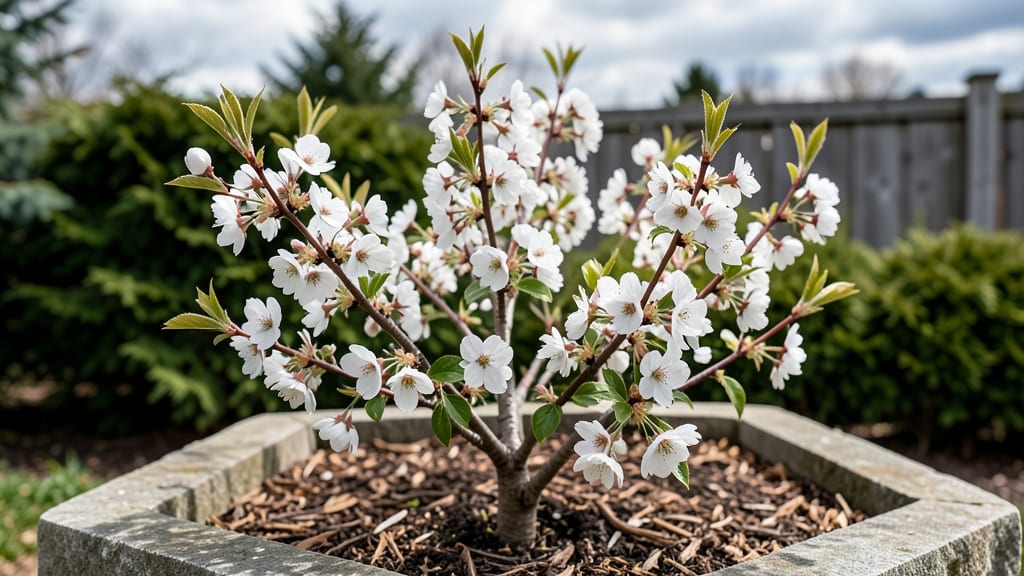
White flowering almond trees turn your Pacific Northwest spring into a fragrant dream 🌸—their delicate white blossoms create a canopy of scent that rivals any garden favorite. I planted mine in early fall, and by March, the air smelled like sweet almonds before a single bloom even opened.
These trees thrive where summers stay mild and winters rarely drop below 15°F, making them perfect for zones 6-9.
The secret to their success lies in well-draining soil and full sun—at least 6 hours daily. My tree sits in a slightly elevated bed with amended soil (equal parts native dirt, compost, and coarse sand), and it’s produced three nut crops in four years.
They’re not fussy about soil pH, but they hate soggy roots, so raised beds or slopes work best in rainy climates.
You’ll start seeing 3-4 foot growth in their first year, with full bloom by age 3-5. The flowers attract bees early in the season, and the nuts (if you choose a nut-bearing cultivar) ripen by late summer.
Prune in late winter to shape the tree and remove dead wood—just avoid heavy cuts during flowering season.
Common issues? Flower drop happens with temperature swings or overwatering. My tree once lost half its blooms after a sudden cold snap, but it rebounded with even heavier flowers the next spring.
The key is patience—these trees reward long-term care with decades of fragrance and beauty. Ready to plant yours?
📚 In This Guide
- What you need
- Instructions
- Tips and common mistakes
- Wrapping up and next steps
What you need
- ● White flowering almond tree: 1 Prunus amygdalus var. alba (bare-root or container-grown sapling, 1–3 years old)
- ● OR 1–2 fresh almond seeds (for long-term germination project)
- ● Planting site: Full sun exposure (6+ hours/day)
- ● Well-draining soil (sandy loam ideal; amend clay soil with compost)
- ● Space: 15–20 feet apart (for mature tree spread)
- ● Soil amendments (if needed): 5–10 lbs compost or aged manure
- ● 1 cup bone meal (for phosphorus-rich soil)
- ● Planting tools: 1 shovel or trowel
- ● 1 garden fork (for loosening soil)
- ● 1 watering can or hose (with gentle spray nozzle)
- ● Mulch: 2–3 inches wood chips or straw (keep 6 inches away from trunk)
- ● Soil pH test kit (ideal range: 6.0–7.0)
- ● Tree stake + ties (for young saplings in windy areas)
- ● Organic fertilizer (e.g., fish emulsion or seaweed extract)
- ● Pruning shears (sterilized, for shaping later)
- ● Drip irrigation system (for consistent moisture)
How to plant and care for a white flowering almond tree in the Pacific Northwest
Here's how I've successfully grown fragrant spring blooms in my damp climate—no fuss, just reliable results.
🪴 Step 1: Choose the Right Location and Prepare the Soil
White flowering almond trees thrive in full sun (at least 6-8 hours daily), but in the Pacific Northwest's cooler springs, they tolerate partial sun if afternoon shade is provided. I plant mine where morning sun warms the trunk while afternoon clouds protect delicate blossoms from late frosts.
Test your soil first—these trees prefer well-draining, slightly acidic soil (pH 6.0-7.0). Amend heavy clay with 2-3 inches of compost mixed into the top 12 inches of soil. If your soil drains poorly, create a 1-foot-deep raised bed or mound to prevent root rot. The tree's roots need oxygen, not soggy conditions.
🌱 Step 2: Plant at the Correct Time and Depth
Plant your white flowering almond in early spring, after the last frost but before new growth begins. Dig a hole twice as wide as the root ball but only as deep—the top of the root ball should sit 1-2 inches above ground level. This prevents waterlogging and encourages strong root growth.
Place the tree in the hole, backfill with native soil, and water deeply to settle it. I like to add a 5-gallon bucket of water right after planting to eliminate air pockets. Mulch with 2-3 inches of wood chips, keeping the mulch 6 inches away from the trunk to prevent rot. This mimics the tree's natural understory habitat.
☀️ Step 3: Water and Fertilize for Strong Spring Blooms
Water deeply once a week during the first growing season, ensuring moisture reaches 12 inches down. You'll know it's enough when the soil feels damp but not soggy. In the Pacific Northwest's rainy climate, I often skip summer watering—these trees are drought-tolerant once established.
Fertilize in early spring with a balanced 10-10-10 formula (about ½ cup per year of tree age). Spread it 6 inches from the trunk and water it in. Avoid high-nitrogen fertilizers—they promote leafy growth at the expense of fragrant blossoms. I also top-dress with 1 inch of compost annually in fall to improve soil structure.
✂️ Step 4: Prune for Airflow and Shape
Prune in late winter or early spring before buds swell. Remove dead, crossing, or inward-growing branches first—these compete for energy. Then shape the tree by cutting back overly long branches to ⅓ of their length, just above an outward-facing bud. This opens the canopy for better airflow and sunlight penetration.
Never prune in fall or winter—you'll risk frost damage to fresh cuts. I also remove suckers (shoots from the base) immediately, as they drain energy from the main tree. A well-pruned tree produces more abundant, fragrant flowers the following spring.
Tips & tricks for perfect white flowering almond trees
Real talk: These trees are forgiving, but a few simple tweaks make all the difference in your Pacific Northwest garden.
Sunlight Strategy: While the instructions mention 6-8 hours of sun, I've found that positioning your tree where it gets morning sun and afternoon shade works even better in our damp climate. The afternoon clouds naturally protect those delicate blossoms from late frosts, which can be brutal on new growth. If you're planting near other trees, face the almond tree east-west rather than north-south to maximize morning light exposure.
Soil Test Tip: Don't guess about your soil pH—pick up a testing kit from your local garden center for just a few dollars. I've seen home gardeners assume their soil is fine, only to discover it's too acidic (below 6.0) or too alkaline (above 7.0). For our region, I recommend adding a handful of sulfur to lower pH if needed, or crushed oyster shell to raise it. The right pH means the difference between vibrant blooms and sparse foliage.
Planting Depth Visual: When you're planting, imagine the root ball sitting like a donut on a plate—just barely above the plate's edge. That's your 1-2 inches above ground level. I like to use a small stake to mark where the top of the root ball should sit before backfilling. This simple trick prevents the common mistake of burying the trunk too deeply, which can cause rot.
Watering Hack: Instead of guessing when your weekly deep watering is complete, use a long screwdriver to check soil moisture 12 inches down. The soil should feel like a damp sponge—not dripping wet, but not bone dry either. In our rainy climate, I often skip summer watering entirely after the first year, but I do check during dry spells to make sure the top 6 inches stay moist.
Pro Tips for White Flowering Almond
- Real talk: These trees are forgiving, but a few simple tweaks make all the difference in your Pacific Northwest garden.
- Sunlight Strategy: While the instructions mention 6-8 hours of sun, I've found that positioning your tree where it gets morning sun and afternoon shade works even better in our damp climate.
- Soil Test Tip: Don't guess about your soil pH—pick up a testing kit from your local garden center for just a few dollars.
Frequently asked questions
Got questions about growing and enjoying your white flowering almond tree? Here are answers to the most common ones—from planting to troubleshooting—so you can savor that fragrant spring display with confidence!
When is the best time to plant a white flowering almond tree in the Pacific Northwest?
The ideal window is late fall to early winter (November–January) or early spring (February–March). Planting in cooler months gives roots time to establish before summer heat. Avoid planting in extreme heat or frost—both can stress young trees. If you must plant in summer, water deeply and mulch heavily to retain moisture.
Are white flowering almond trees cold-hardy enough for PNW winters?
Yes! These trees thrive in USDA Zones 6–9, making them perfect for the PNW’s mild to cool winters. However, young trees may need winter protection (like burlap wraps or mulch) in their first few years if temperatures drop below 10°F (-12°C). Established trees handle frost beautifully—just avoid pruning in winter to prevent damage.
Why aren’t my white almond blossoms appearing?
Missing blossoms? Check these fixes:
- Age: Trees often bloom after 3–5 years of growth.
- Sunlight: Ensure 6+ hours of direct sun daily—partial shade can delay blooms.
- Nutrients: Apply balanced fertilizer (10-10-10) in early spring.
- Stress: Overwatering or drought can stunt flowers. Keep soil consistently moist but well-drained.
If the issue persists, test soil pH (ideal: 6.0–7.0) or consult a local arborist.
Can I grow edible almonds from a white flowering almond tree?
No—white flowering almond trees (Prunus glandulosa) are ornamental and produce bitter, inedible nuts. For sweet almonds, you’d need a Prunus dulcis (sweet almond) cultivar, which requires cross-pollination and a warmer climate. Stick to admiring the fragrant, showy blooms and consider planting a companion fruit tree (like cherry or plum) nearby for dual beauty and harvest!
Do white flowering almond trees attract bees or other pests?
Their early spring blooms are a bee magnet, supporting pollinators when other flowers are scarce. Pest-wise, they’re generally low-maintenance, but watch for:
Pro tip: Plant near herbs like lavender to naturally deter pests while keeping bees happy!
Wrapping up and next steps
The white flowering almond tree is a stunning addition to Pacific Northwest gardens, offering fragrant blooms, drought tolerance, and year-round interest. Whether you’re drawn to its delicate flowers, low-maintenance care, or ornamental appeal, this tree brings beauty and resilience to your landscape. 🌸
Ready to transform your outdoor space? Start by selecting the perfect spot—one with well-draining soil and partial sun—and plant your tree this season. With a little patience, you’ll soon enjoy its breathtaking spring display and the joy of nurturing a thriving garden centerpiece!