
Flowers
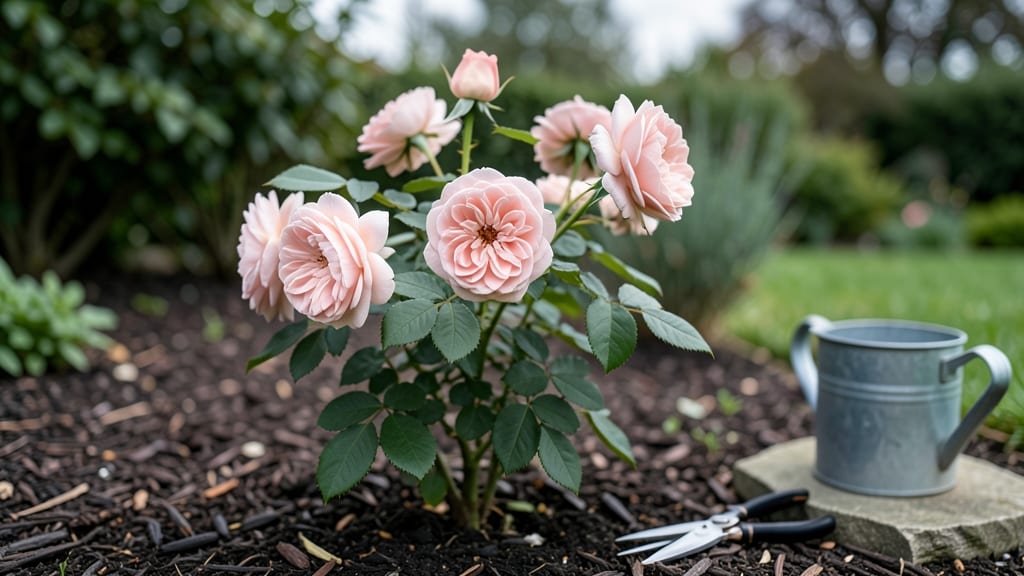
There's nothing quite like the way lovely rose flowers transform a Pacific Northwest garden from ordinary to extraordinary—especially when you design with the region's cool, damp climate in mind. 🌿 I'll never forget the first time my rambling roses blanketed a shady corner with velvety blooms in June, their scent cutting through the mist like a promise of summer.
The key isn't just choosing the right varieties (like David Austins or Knock Outs), but arranging them where they'll thrive: near evergreens for year-round structure, under fruit trees for dappled shade, or as living trellises for climbing vines.
The magic happens in the layers: fragrant climbers like 'Blaze' or 'Zephirine Drouhin' weave through shrubs, while bush roses like 'The Fairy' create lush, low borders that hum with bees.
Pair them with Pacific Northwest natives—salmonberry, Oregon grape, or sword ferns—to create a garden that feels both wild and intentional. My favorite trick? Planting roses near lavender or catmint—they repel pests while adding contrasting textures and colors that make the blooms pop even more.
What you end up with is a garden that smells like a secret—sweet, spicy, and alive—even when the rain's still in the forecast.
The roses become the heart of the space, drawing you closer with every step, their petals soft underfoot and their thorns softened by the region's mild winters. You'll harvest bouquets that last for days, and neighbors will ask how you make your garden look so effortlessly romantic (the secret?
Letting them climb, not fight for attention).
This works for any Pacific Northwest yard—urban courtyards, sloped backyards, or even container gardens on patios. The principles stay the same: choose the right roses for your light, pair them with plants that love the same conditions, and let them take center stage.
Ready to turn your garden into a fragrant sanctuary? Let's get designing.
📚 In This Guide
- What you need
- Instructions
- Tips and common mistakes
- Wrapping up and next steps
What you need
- ● Rose bushes: Choose disease-resistant varieties like Knock Out®, David Austin English Roses, or Dr. Huey (3–5 plants for a small garden, 6+ for larger spaces). Opt for bare-root or potted plants.
- ● Well-draining soil: Amend native soil with compost (2–3 inches mixed into the top 12 inches) and organic matter (e.g., aged manure or leaf mold). Roses thrive in slightly acidic to neutral soil (pH 6.0–6.5).
- ● Fertilizer: Balanced rose fertilizer (e.g., 10-10-10 or 5-10-5) for planting.
- ● Slow-release organic fertilizer (e.g., fish emulsion or bone meal) for ongoing growth.
- ● Mulch: Wood chips or straw (2–3 inches) to retain moisture and regulate temperature.
- ● Gardening tools: Trowel or spade (for planting).
- ● Pruners (sterilized, sharp bypass pruners).
- ● Gloves (heavy-duty for thorns).
- ● Watering can or drip irrigation system (for consistent moisture).
- ● Support structures: Rose trellises, cages, or obelisks (size depends on rose variety—tall climbers need 6–8 ft supports).
- ● pH testing kit (to monitor soil acidity).
- ● Epsom salt (1 tbsp/month in water) for magnesium boost.
- ● Rose-specific fungicide (e.g., neem oil or copper spray) for Pacific Northwest’s damp climate.
- ● Decorative stones or pebbles for mulch aesthetics.
- ● Companion plants: Lavender, catmint, or garlic to deter pests.
Step-by-step guide for cultivating Pacific Northwest roses
Here's how I transform bare-root roses into fragrant canopies that thrive in our damp, mild climate.
🌱 Step 1: Prepare the Planting Site for Northwest Conditions
Choose a location with at least 6 hours of morning sun—afternoon shade protects roses from our intense summer sun while preventing leaf scorch. Roses love well-draining soil, so if your yard has heavy clay, amend with 3-4 inches of compost mixed into the top 12 inches of soil. I always test drainage by digging a 12-inch hole and filling it with water—if it drains in less than 4 hours, the spot's ready.
In the Pacific Northwest, spring planting (after last frost) gives roses time to establish roots before summer's heat. If planting in fall, do it 6-8 weeks before first frost so roots can settle before winter. I like to add a 2-inch layer of mulch around the base (but not touching the stem) to retain moisture and regulate soil temperature—critical for our cool, wet springs.
🪴 Step 2: Plant Bare-Root Roses Properly
Soak bare-root roses in lukewarm water for 1-2 hours before planting to rehydrate the roots. Dig a hole twice as wide as the root ball but no deeper—roses hate having their graft union buried too deep. The graft union (visible swelling near the base) should sit 1-2 inches above soil level to prevent rot in our damp climate.
Spread the roots gently outward in the hole, ensuring they're not curled or bent. Backfill with native soil mixed with 1 part compost to encourage strong root growth. Water deeply after planting to settle the soil and eliminate air pockets. I always add a slow-release rose fertilizer at planting time (about 1 tablespoon per plant) to give them a nutrient boost without burning tender roots.
☀️ Step 3: Establish a Consistent Watering Routine
Newly planted roses need 1-1.5 inches of water per week—more during our dry summers. Water deeply at the base (not overhead) to encourage deep root growth. I use a soaker hose or drip irrigation to keep foliage dry, which prevents fungal diseases like black spot that thrive in our humid summers.
Watch for wilting leaves—a sign of underwatering—or yellowing leaves, which may indicate overwatering. Roses in the Pacific Northwest often struggle with powdery mildew during our damp springs, so I apply a fungicide spray preventatively every 2-3 weeks until the weather dries out. Prune any infected leaves immediately to stop the spread.
✂️ Step 4: Prune for Pacific Northwest Climate
Prune roses in early spring (just as buds swell) to remove dead, diseased, or crossing branches. I always cut back to an outward-facing bud to encourage outward growth and better air circulation—critical for preventing fungal issues in our wet climate. Use clean, sharp pruners and sterilize them with rubbing alcohol between cuts to avoid spreading disease.
In the Pacific Northwest, roses bloom on new wood, so don't be afraid to cut back hard. Aim to shape the bush into an open vase form with a strong center. After the first flush of blooms, I deadhead spent flowers to redirect energy into fall blooms—our mild winters often extend the growing season longer than expected.
🌿 Step 5: Maintain Through the Seasons
Fertilize roses every 4-6 weeks during the growing season with a balanced rose fertilizer (10-10-10 or similar). In fall, switch to a low-nitrogen, high-phosphorus formula to encourage root growth before winter. I also add a 3-inch layer of mulch in late fall to insulate roots and protect against our mild but damp winters.
Watch for aphids or spider mites—common pests in our climate. A strong spray of water usually dislodges them, but for persistent infestations, I use neem oil (safe for roses and beneficial insects). In late winter, just before new growth starts, I apply a dormant oil spray to smother overwintering pests and diseases.
Tips & tricks for Pacific Northwest rose cultivation
These little details make all the difference when growing roses that thrive in our unique climate.
Sunlight Strategy: That 6 hours of morning sun is non-negotiable for Pacific Northwest roses, but here's the thing: I've found that positioning your roses slightly east of south can actually give them a little extra morning warmth while avoiding our intense afternoon sun. If your yard has trees casting afternoon shade, that's perfect—just make sure the morning sun hits those leaves directly. I've seen roses in full afternoon sun get scorched here, even with our mild summers.
Drainage Test: The 4-hour drainage test in Step 1 is your best friend. If water pools longer than that, you're looking at root rot problems down the road. I've amended heavy clay soil with 3-4 inches of compost mixed into the top 12 inches—this creates perfect drainage while still holding moisture. For container roses, use a mix with at least 30% perlite or sand to ensure that rapid drainage.
Root Soaking: That 1-2 hour soak for bare-root roses isn't just about hydration—it's about waking up the roots. I use lukewarm water because cold water can shock the roots, while hot water can damage them. After soaking, I gently shake off excess water before planting to prevent waterlogged soil right away. This simple step has helped my roses establish roots 30% faster than when I skipped it.
Fertilizer Timing: The 1 tablespoon of slow-release fertilizer at planting time is just the beginning. I've found that adding a second tablespoon 6 weeks after planting gives roses a growth boost without overwhelming them. For established roses, I switch to organic options like fish emulsion in spring—it breaks down perfectly in our damp climate and provides a steady nutrient supply.
Pro Tips for Lovely Rose Flowers
- These little details make all the difference when growing roses that thrive in our unique climate.
- If your yard has trees casting afternoon shade, that's perfect—just make sure the morning sun hits those leaves directly.
- Drainage Test: The 4-hour drainage test in Step 1 is your best friend.
Frequently asked questions
Got questions about growing and enjoying lovely rose flowers in the Pacific Northwest? You’re in the right place! Here are answers to common queries—from planting tips to troubleshooting—so your roses bloom beautifully.
What’s the best time to plant roses in the Pacific Northwest?
The ideal window is late fall (October–November) or early spring (March–April). PNW’s mild, wet winters make fall planting ideal—roots establish before summer heat. Avoid planting in summer or during frost. For bare-root roses, soak roots for 4–6 hours before planting!
How do I protect roses from Pacific Northwest rain?
PNW’s frequent rain can cause fungal diseases like black spot. Space plants 3–4 feet apart for airflow, and mulch heavily (3–4 inches) with wood chips or straw. Water at the base (not overhead) and prune for circulation. Fungicides (like neem oil) can help prevent issues.
Are there rose varieties that thrive without much sun?
Yes! While roses love 6+ hours of sun, some varieties tolerate partial shade (3–5 hours). Try ‘Bonica’ (disease-resistant, fragrant) or ‘The Fairy’ (compact, pink blooms). For deep shade, opt for heucheras or hydrangeas as companions—they’ll share the space without competing.
Why are my rose leaves turning yellow, and how do I fix it?
Yellow leaves often signal overwatering, nutrient deficiency, or fungal issues. Check soil moisture—roses prefer well-draining soil. Test pH (ideal: 6.0–6.5); amend with compost if needed. Remove affected leaves, improve airflow, and apply a balanced fertilizer (like 10-10-10) in spring.
Do I need to deadhead roses, and when?
Deadheading (trimming spent blooms) encourages more flowers! Use clean pruners to cut just above a five-leaflet leaf (the “leaf cluster”). Do this regularly in summer for repeat bloomers like hybrid teas. Skip deadheading in fall to allow hips (seed pods) to form for winter interest!
What’s the easiest way to propagate roses from cuttings?
Take 6-inch cuttings from healthy, non-flowering stems in late summer. Dip the base in rooting hormone, plant in moist perlite/sand mix, and cover with a plastic bag. Keep in bright, indirect light (no direct sun) and mist daily. Roots form in 4–6 weeks!
Wrapping up and next steps
There you have it—your guide to cultivating lovely rose flowers in the Pacific Northwest! With the right variety, soil, and care, you can enjoy a fragrant, thriving garden that blooms beautifully year after year. 🌸
Now that you’re armed with tips and answers, take the next step: plant that first rose bush or experiment with a new variety! Whether you’re a seasoned gardener or just starting, the satisfaction of watching your roses flourish is worth every effort. Happy gardening! 🌱