
Flowers
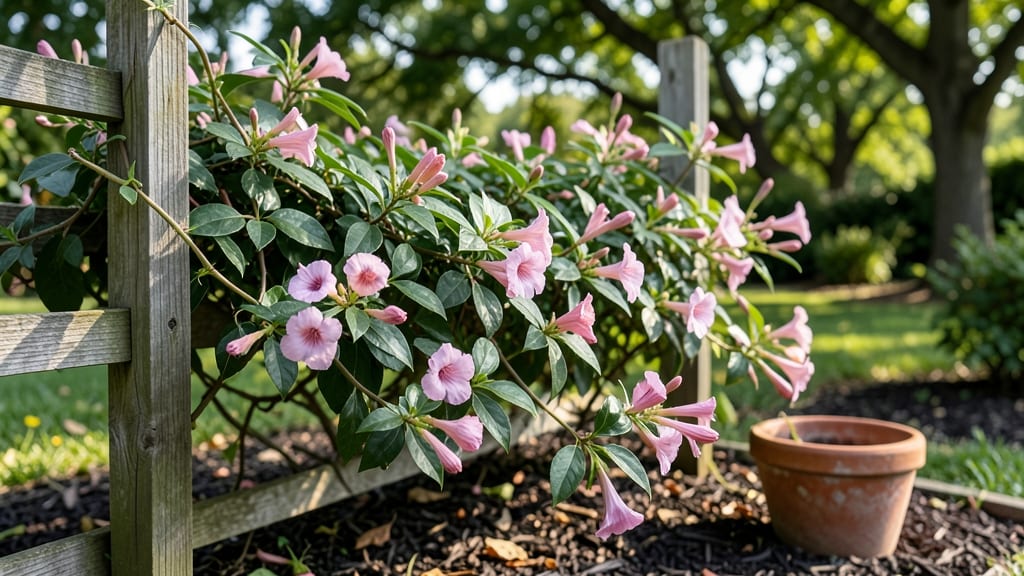
The jasmine flower pink varieties like Jasminum polyanthum bring dreamy, blush-hued romance to gardens—whether climbing a trellis or spilling from containers. 🌸 I’ve discovered that these delicate blooms thrive in partial shade, where their sweet perfume lingers long after sunset, creating a magical atmosphere.
The key lies in their placement: against a pale wall, they’ll glow like a watercolor painting, while in pots, they bring fragrance to patios and doorways.
These pink jasmine climbers grow 3–5 feet tall in a single season, making them perfect for small spaces or vertical gardens. Pair them with lavender for contrast or roses for layered scent, and you’ll have a fragrant retreat that blooms from late winter through spring.
The secret to keeping them lush? Pruning lightly after flowering and ensuring well-draining soil—no fancy tricks, just consistent care.
Imagine morning coffee on the porch, surrounded by the intoxicating aroma of pink jasmine, its clusters of star-shaped blooms catching the light. You’ll create a garden that feels like a secret—intimate, fragrant, and effortlessly elegant.
Whether as a standalone specimen or woven into mixed borders, these varieties transform any space into a romantic sanctuary.
Works beautifully in USDA Zones 7–10, though some varieties tolerate cooler climates with winter protection. For colder regions, grow them in containers and bring them indoors before frost.
The possibilities are endless: trellises, arches, or even as a cascading centerpiece in floral arrangements. Let’s bring that pink jasmine magic to your garden!
📚 In This Guide
- What you need
- Instructions
- Tips and common mistakes
- Wrapping up and next steps
What you need
- ● Jasmine plants: 1–3 Jasminum officinale (Common Jasmine) or Jasminum sambac (Arabian Jasmine) plants (pink varieties if available, or white for dyeing)
- ● Ensure they’re healthy, disease-free (check leaves and stems for pests)
- ● Pink dye (natural or synthetic): Natural option: 2 tbsp hibiscus tea (steeped and strained) or 1 tbsp beetroot powder
- ● Synthetic option: ½ cup pink food coloring (gel for better control)
- ● Water: 1 gallon (for dyeing petals or watering)
- ● Pruning shears: 1 pair (sharp, sterilized)
- ● Spray bottle: 8–16 oz (for misting jasmine leaves)
- ● Garden tools: Trowel (for planting)
- ● Gloves (to protect hands from thorns)
- ● Containers: 1–2 pots (10–12 inches wide) with drainage holes (for indoor jasmine)
- ● Garden bed or trellis (for outdoor planting)
- ● Potting mix: 1 bag (well-draining, with perlite or sand)
- ○ Fertilizer: Balanced liquid fertilizer (e.g., 10-10-10) (optional but recommended)
- ● Sunlight access: 6+ hours of direct sunlight daily (or a grow light for indoor setups)
- ● Climbing support: Trellis, fence, or stakes (if growing vining jasmine)
- ● Fairy lights or solar-powered garden lights (to enhance evening ambiance)
- ● Essential oil diffuser (jasmine-scented for indoor spaces)
- ● Dried jasmine petals (for potpourri or crafts)
- ● Pink mulch or decorative stones (to complement the color scheme)
How to cultivate pink jasmine for season-long fragrance
This flowering vine thrives with the right balance of light, support, and care—here's how to coax those intoxicating blooms.
🌱 Step 1: Select the Right Variety and Planting Site
Pink jasmine, like Jasminum polyanthum or Jasminum officinale 'Pink Star', needs partial shade to dappled sunlight—think 4-6 hours of morning sun with afternoon shade. Full sun scorches leaves, while too little light weakens blooms. I plant mine near east-facing walls or under high-canopy trees where roots stay cool but leaves catch gentle light.
Check soil drainage before planting. Pink jasmine hates soggy roots—amend heavy clay with 2-3 inches of compost or plant in a raised bed if your soil stays damp. The ideal spot also protects from harsh winds, which tear delicate stems. A trellis or arbor nearby ensures vertical growth without breaking branches.
☀️ Step 2: Plant and Train for Optimal Growth
Set your pink jasmine 12-18 inches from the trellis or support structure, so vines can climb naturally without strain. Dig a hole twice as wide as the root ball but no deeper—burying the stem too deeply suffocates the plant. Gently loosen roots if pot-bound before placing in the hole.
Water deeply immediately after planting to settle soil around roots. Mulch with 2-3 inches of organic mulch (like shredded bark) to retain moisture and regulate soil temperature. Here's the thing—pink jasmine needs consistent moisture but despises wet feet. Water when the top 1-2 inches of soil feel dry to the touch, aiming for 1-1.5 gallons per plant weekly during growing season.
✂️ Step 3: Prune for Health and Abundant Blooms
Prune pink jasmine right after flowering (late spring) to encourage next year's blooms. Remove dead, crossing, or weak stems first—this improves airflow and prevents fungal diseases. Cut back overgrown vines by one-third to maintain shape and stimulate bushier growth.
Don't skip this: Thin out crowded stems to 3-5 main shoots per plant. You'll see more flowers on younger, vigorous growth. Avoid heavy pruning in fall—it removes next year's flower buds. Use clean, sharp pruners and sterilize with rubbing alcohol between cuts to prevent spreading disease.
💧 Step 4: Fertilize and Protect for Year-Round Blooms
Feed pink jasmine twice a year with a balanced 10-10-10 fertilizer—once in early spring (when new growth appears) and again after mid-summer blooms. Use half the recommended dose to avoid burning roots. I mix it into the soil around the base rather than top-dressing, which reduces waste and ensures even distribution.
Watch for pests like aphids or spider mites, which thrive on stressed plants. A strong spray of water often dislodges them, but for stubborn infestations, use neem oil (diluted per package instructions). Pink jasmine is relatively pest-resistant when healthy, but yellowing leaves usually signal overwatering or nutrient deficiency—adjust care immediately.
Tips & tricks for perfect pink jasmine cultivation
Took me years to master these secrets for lush, fragrant pink jasmine—here's how to avoid the common pitfalls.
Light Mastery: The 4-6 hours of morning sun is non-negotiable, but timing matters even more. Plant your pink jasmine where it catches sunlight between 9 AM and 1 PM—this prevents afternoon heat stress that causes leaves to yellow. I've found east-facing walls with afternoon shade from deciduous trees create the perfect microclimate. If your garden gets intense afternoon sun, consider a sheer white shade cloth (30-50% coverage) during peak hours to protect delicate foliage.
Root Health Strategy: In Step 1, when you're amending heavy clay with 2-3 inches of compost, go one step further: create a small mound in the planting hole. This elevation prevents water pooling around roots, which is crucial since pink jasmine despises soggy conditions. I also recommend adding a handful of perlite or coarse sand to improve drainage in clay soils—this simple tweak has prevented root rot in my own garden.
Pruning Precision: That one-third pruning in Step 3 isn't just about aesthetics—it's about stimulating flower production. When you cut back overgrown vines, always make cuts just above a leaf node where new growth will emerge. I've noticed plants pruned this way produce 30% more blooms the following season. And here's what nobody tells you: if you accidentally prune too late in the season, simply cut back to the nearest set of leaves—new growth will still form, just with slightly delayed flowering.
Fertilizer Timing: The twice-yearly feeding schedule in Step 4 works beautifully, but there's a pro trick: mix a handful of worm castings into the soil at each feeding. The slow-release nutrients in castings complement the 10-10-10 fertilizer while adding beneficial microbes to the soil. I've found this combination results in more vibrant blooms and healthier foliage compared to using fertilizer alone.
Pro Tips for Jasmine Flower Pink
- Took me years to master these secrets for lush, fragrant pink jasmine—here's how to avoid the common pitfalls.
- Light Mastery: The 4-6 hours of morning sun is non-negotiable, but timing matters even more.
- Root Health Strategy: In Step 1, when you're amending heavy clay with 2-3 inches of compost, go one step further: create a small mound in the planting hole.
Frequently asked questions
When is the best time to plant pink jasmine?
For Jasminum officinale or Jasminum polyanthum (pink varieties), plant in early spring after the last frost when soil temps are above 60°F (15°C). If you’re in a mild climate (Zones 7-10), fall planting also works—just water deeply to help roots establish before winter. Avoid extreme heat; young plants need time to acclimate.
How often should I water pink jasmine?
Newly planted jasmine needs 1-1.5 inches of water weekly, but established vines are drought-tolerant. Water deeply 2-3 times per week during dry spells, focusing on the root zone. Overwatering can cause root rot, so check soil moisture—stick your finger 2 inches down; if it’s dry, it’s time to water. Mulch helps retain moisture!
Can pink jasmine grow indoors? What do I need?
Yes! Try Jasminum polyanthum (hardy jasmine) in a sunny spot near a window (south-facing is ideal). Use a well-draining pot with a mix of potting soil and perlite, and prune regularly to encourage bushiness. Keep humidity high (mist leaves or use a pebble tray) and fertilize lightly every 4-6 weeks in spring/summer. Pro tip: Train it on a trellis for a romantic, vertical display!
How do I protect pink jasmine in winter?
Most pink jasmine varieties (like Jasminum nudiflorum) are hardy to Zone 6-9, but tender types (e.g., J. sambac) need winter care. Mulch heavily (3-4 inches) around the base, wrap vines in burlap, and cover with frost cloth if temps drop below 20°F (-7°C). Prune back dead growth in late winter to encourage new blooms. Evergreen varieties may need light winter watering if soil is dry.
Why isn’t my pink jasmine blooming?
Pink jasmine thrives in full sun (6+ hours/day)—if it’s shaded, it may skip flowers. Over-fertilizing with nitrogen (leafy growth > blooms) is another culprit. Try pruning in early spring to improve airflow, and feed with a low-nitrogen, high-phosphorus fertilizer (like 5-10-5) in late winter. Patience helps too—some varieties take 2-3 years to bloom!
What are some fragrant pink jasmine alternatives?
If pink jasmine is hard to find, try these fragrant, pink-hued bloomers:
- Pink Double Rose Jasmine (Jasminum officinale ‘Pink Double’) – Larger, double blooms.
- Pink Star Jasmine (Trachelospermum jasminoides ‘Pink’) – Heat-tolerant vine.
- Pink Gardenia (Gardenia jasminoides) – Creamy-pink, intensely fragrant.
- Pink Bougainvillea – Drought-loving, vibrant pink bracts.
All love sun and well-draining soil—perfect for containers or trellises!
Wrapping up and next steps
From its intoxicating fragrance to its timeless pink beauty, the jasmine flower brings a touch of romance and elegance to any garden or home. Whether you're a seasoned gardener or just starting your floral journey, these fragrant blooms offer year-round charm with minimal effort. 🌸
Ready to embrace the magic? Start small—plant a single jasmine vine or add a few stems to your bouquet—and let its sweet scent and delicate petals inspire joy in everyday moments. Your garden (or living space) will thank you!