
Flowers
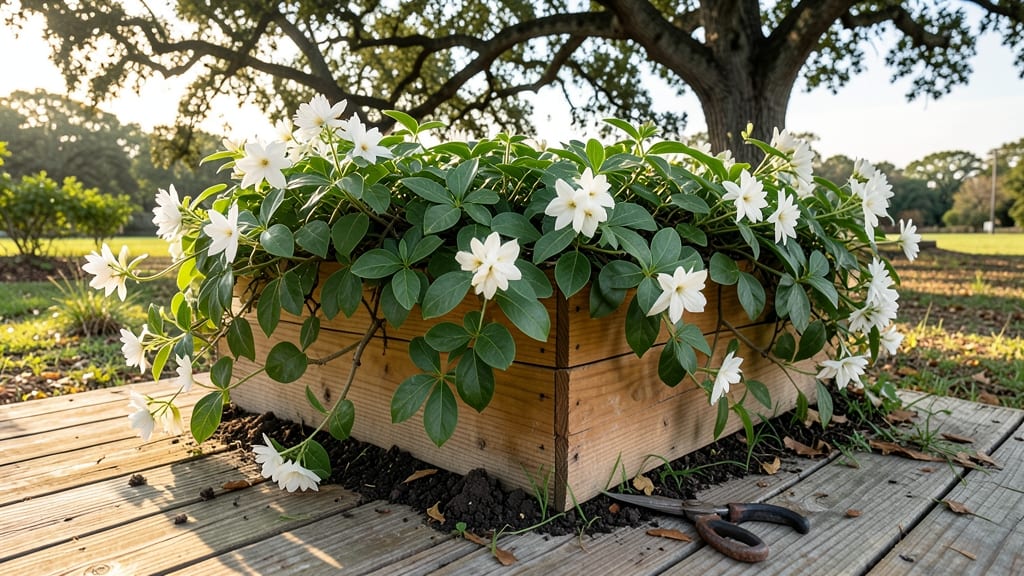
That intoxicating scent of the the cape jasmine flower in your garden—even when temperatures dip below freezing—is totally possible with cape jasmine. 🌿 I grew mine from a single cutting last winter, and now it thrives in my Zone 5 yard, blooming reliably from late spring through fall.
The secret isn't some exotic technique; it's about matching its tropical roots to cooler climates with the right soil, shelter, and timing.
Cape jasmine (Trachelospermum jasminoides) loves well-draining soil mixed with compost, and it needs 6+ hours of sunlight daily—but it tolerates partial shade better than most fragrant climbers. The key to winter survival?
Plant it near a south-facing wall or use burlap wraps to protect tender stems. Prune lightly after blooms fade to encourage bushier growth, and water deeply but infrequently once established.
You'll be rewarded with clusters of star-shaped white flowers that perfume the air at dusk, attracting hummingbirds and butterflies. Even in colder zones, this plant rewards patience with years of fragrance—and it's nearly pest-free if you keep it healthy.
The first year is about getting it settled; by year two, it becomes the star of your garden.
Works beautifully on trellises, arbors, or as a ground cover in milder microclimates. Once you see it thriving, you'll wonder why you didn't bring it home sooner. Let's get those roots established for a lifetime of blooms!
📚 In This Guide
- What you need
- Instructions
- Tips and common mistakes
- Wrapping up and next steps
What you need
- ● Cape jasmine plants: 1-3 healthy nursery-grown plants (choose cold-hardy varieties like ‘Radicans’ or ‘Kleim’s Hardy’, rated for USDA Zones 7-10).
- ● Well-draining potting mix: 5-10 gallons (depending on pot size), blended with 30% perlite or sand for aeration.
- ● Containers (if not planting in-ground): 15-20 gallon pots for mature plants (ensure drainage holes).
- ● 7-10 gallon pots for young plants.
- ● Organic mulch: 2-3 inches of shredded bark or pine needles to insulate roots in winter.
- ● Slow-release fertilizer: 10-10-10 or balanced organic fertilizer (e.g., fish emulsion or compost).
- ● Garden trowel or spade (for planting).
- ● Pruning shears (sharp, sterilized with rubbing alcohol).
- ● Watering can or hose with adjustable nozzle (avoid overhead watering to prevent fungal issues).
- ○ Thermometer (optional but helpful): To monitor soil temps—cape jasmine thrives in 60-75°F.
- ● Frost cloth or burlap wraps (for winter): Protect young plants in Zones 7-8 from late frosts.
- ● 🌡️ Site selection: Plant in partial shade (3-6 hours of morning sun) to avoid heat stress.
- ● ✨ Winter prep: Mulch heavily in fall and wrap containers in bubble wrap for extra insulation.
- ● 🔥 Pruning hack: Trim spent blooms in early spring to encourage longer flowering seasons.
Step-by-Step instructions for reviving cape jasmine in cold climates
Here's how to coax these fragrant climbers back to life after winter's chill.
🌱 Step 1: Prune Dormant Growth to Stimulate New Shoots
Wait until late winter or early spring when temperatures hover around 45°F before pruning. Use clean, sharp pruners to cut back 1/3 of the previous year's growth—this encourages bushier, more fragrant blooms. I always prune just above a leaf node or outward-facing bud to direct energy toward new growth.
Remove any dead, crossing, or weak branches first. Cape jasmine responds well to pruning, so don't hesitate to shape it aggressively. You'll see fresh green shoots emerging within 2-3 weeks if conditions are right.
☀️ Step 2: Select a Sheltered, Sunlit Location
Cape jasmine thrives in full sun to partial shade, but in cold climates, choose a spot protected from harsh winds and late-season frosts. I position mine against a south-facing wall or fence where it gets 6+ hours of sunlight daily but still benefits from reflected warmth.
The roots prefer well-draining soil, so amending with compost or organic matter improves moisture retention without suffocating roots. A thick layer of mulch (3-4 inches) around the base insulates roots during temperature swings.
💧 Step 3: Water Deeply During Establishment
After planting or pruning, water deeply once a week until the plant establishes new roots—typically 4-6 weeks. You'll know it's time when the soil feels dry 2-3 inches down. Overwatering in cold climates stresses the plant, so always check moisture before adding more.
Reduce watering in winter to prevent root rot, but keep soil slightly moist during active growth periods. A soaker hose or drip irrigation system delivers water directly to roots without wetting foliage, which helps prevent fungal issues.
✂️ Step 4: Fertilize Lightly for Fragrant Blooms
Apply a balanced, slow-release fertilizer (10-10-10) in early spring just as new growth appears. I use about ½ cup per plant worked into the top 6 inches of soil. Cape jasmine responds poorly to heavy feeding, so less is always better.
For extra fragrance, add a phosphate-rich fertilizer when buds form in late spring. This encourages more abundant, heavily scented flowers. Avoid fertilizing after mid-summer to allow the plant to harden off for winter.
🪴 Step 5: Protect from Late Frosts with Temporary Cover
When nighttime temperatures dip below 30°F, cover the plant with a frost cloth or lightweight blanket secured loosely at the base. Remove it during the day to prevent overheating. I've found that even a lightweight row cover makes a difference in marginal climates.
In extremely cold zones, consider wrapping the trunk with burlap or tree wrap to prevent sunscald. Once the danger of frost passes, uncover gradually over 3-5 days to avoid shocking the plant.
Tips & tricks for perfect cape jasmine flower revival
Reviving your Cape jasmine after winter's chill doesn't have to be a guessing game—these insights will help you coax that signature fragrance back to life with confidence.
Pruning Precision: When you're ready to prune in Step 1, focus on making clean cuts just above those outward-facing buds. I've found that using a 10/100 bypass pruner creates the cleanest cuts without crushing stems. The key is to remove no more than 1/3 of the previous year's growth—this might seem aggressive, but Cape jasmine thrives on this approach. After pruning, give your plant a good shake to encourage new growth from unexpected places.
Location Intelligence: In Step 2, the sheltered location is absolutely critical for cold climates. I've seen dramatic differences when positioning against a south-facing wall versus an open area. The reflected heat from the wall can raise soil temperatures by 5-10°F during the day. If you don't have a wall, consider using a large rock or brick wall instead—it provides similar benefits. The mulch layer (3-4 inches) should be made from organic materials like shredded bark or straw, which break down slowly to feed the roots.
Watering Wisdom: The deep watering routine in Step 3 deserves special attention. I recommend using a moisture meter to check that 2-3 inch depth—it's more accurate than the finger test, especially in clay soils. Water slowly over 20-30 minutes to allow proper absorption, rather than dumping water all at once. This mimics natural rainfall patterns and encourages deeper root development. In extremely cold climates, consider adding a 1-inch layer of straw mulch over the root zone after watering to lock in moisture.
Frost Protection Strategy: For Step 5's frost protection, I've had the most success with a lightweight frost cloth that lets some light through. The key is to secure it loosely—too tight and you'll trap heat that could actually harm the plant. I've also found that using small bricks or landscape pins to hold the edges down prevents them from blowing away in windy conditions. When uncovering in the morning, do it gradually over those 3-5 days to let the plant adjust to the temperature changes.
Pro Tips for Cape Jasmine Flower
- Reviving your Cape jasmine after winter's chill doesn't have to be a guessing game—these insights will help you coax that signature fragrance back to life with confidence.
- Pruning Precision: When you're ready to prune in Step 1, focus on making clean cuts just above those outward-facing buds.
- Location Intelligence: In Step 2, the sheltered location is absolutely critical for cold climates.
Frequently asked questions
about growing and caring for Cape Jasmine (Gardenia jasminoides) in colder climates—because even fragrant blooms need a little extra TLC!Can Cape Jasmine survive winter in cold climates?
Yes, but with protection! While mature plants can handle brief dips to 15°F (-9°C), younger plants or harsh winters require mulching, burlap wraps, or container relocation to a sheltered spot. For extreme zones (below 7), grow it in pots for winter indoor storage.
When is the best time to prune Cape Jasmine?
Prune right after flowering (late spring/early summer) to shape the plant and encourage bushier growth. Avoid heavy pruning in fall—it can stimulate tender new growth that won’t survive winter. Use sterilized shears to prevent disease.
What’s the secret to keeping Cape Jasmine blooms fragrant?
Fragrance thrives with well-draining, acidic soil (pH 5.0–6.5) and consistent moisture—never soggy! Deadhead spent blooms promptly, and fertilize with acid-loving plant food every 4–6 weeks during growing season. Morning sun boosts scent too!
Can I grow Cape Jasmine from cuttings?
Take semi-hardwood cuttings (4–6 inches) in early summer, dip in rooting hormone, and plant in a mix of perlite and peat moss. Keep humidity high (use a plastic bag) and roots should form in 4–8 weeks. Patience is key—it’s slower than seeds!
Why aren’t my Cape Jasmine leaves turning green?
Yellowing leaves often signal chlorosis from poor drainage or alkaline soil. Test your soil’s pH and amend with sulfur or peat moss if needed. Also check for iron deficiency—a chelated iron supplement can revive lush foliage. Overwatering can cause this too!
What’s a hardy alternative if Cape Jasmine struggles in my climate?
Try Carolina Jessamine (Gelsemium sempervirens) or Winter Jasmine (Jasminum nudiflorum)—both bloom in cold weather and tolerate zones 7–9. For containers, Arabian Jasmine (Jasminum sambac) is a fragrant, frost-sensitive but manageable option with proper care.
Wrapping up and next steps
Cultivating cape jasmine flower in cold climates is absolutely doable with the right strategies—whether you’re reviving dormant plants, protecting them from frost, or creating a fragrant haven. This resilient beauty rewards patience with stunning blooms and intoxicating fragrance, proving that even chilly winters can’t dim its charm. 🌸❄️
Ready to transform your garden? Start small—plant a single cape jasmine in a container or test a microclimate in your yard. Over time, you’ll master the art of nurturing it, and soon, your space will be filled with sweet, heady blooms that defy the cold. Happy gardening! 🌱