
Flowers
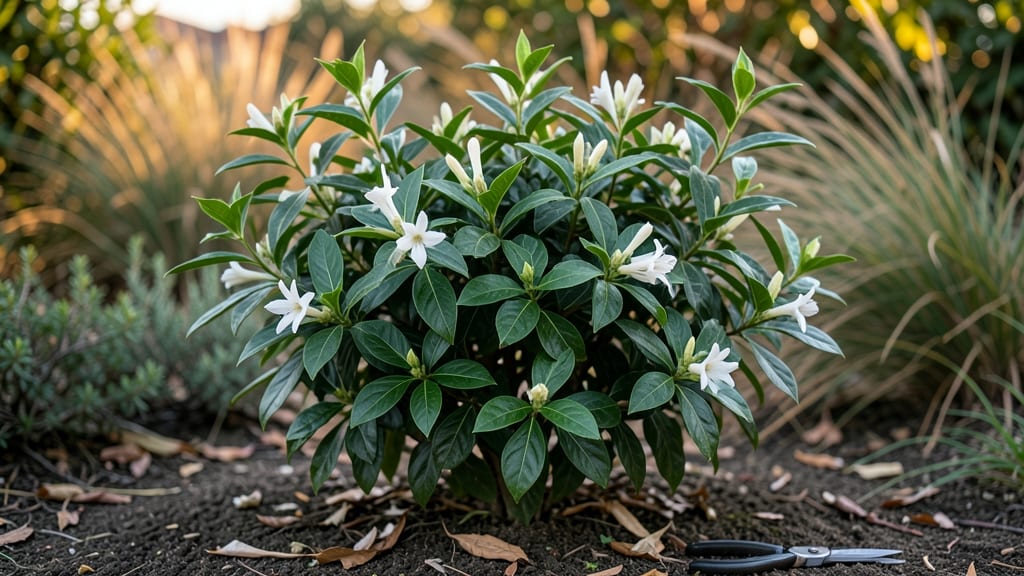
The velvety midnight jasmine flower unfurls at dusk like magic no garden should miss—its intoxicating perfume drifting through Pacific Northwest evenings, turning mild summers and cool winters into a fragrant secret. garden knows.
I planted mine last spring, and now neighbors stop to ask what's blooming when the sun goes down.
Start with a spot that gets 6+ hours of afternoon sun but stays sheltered from harsh winds—think near a patio or foundation where you'll enjoy the scent. Well-draining soil mixed with compost is key; this tropical charmer hates soggy feet.
Water deeply once a week unless it rains, and always let the top inch dry between waterings to prevent root rot. The first blooms arrive in late summer, and with proper care, they'll keep coming until frost.
You'll love how this plant rewards patience: glossy green leaves all season, followed by clusters of white, trumpet-shaped flowers that open only after dark. The fragrance—sweet, heady, and slightly spicy—draws in moths and hummingbirds while keeping deer and rabbits away.
Prune lightly after flowering to shape it, and watch it grow into a 6-foot-tall shrub that becomes your garden's evening centerpiece.
For PNW gardeners, this is a year-round performer if you protect it from hard freezes with burlap wraps. Even in winter, its evergreen foliage adds structure to the landscape. The only trade-off?
It's not cold-hardy below 20°F, so container growers can bring it inside during deep freezes. Trust me, the trade-off is worth it for those moonlit blooms.
📚 In This Guide
- What you need
- Instructions
- Tips and common mistakes
- Wrapping up and next steps
What you need
- ● Midnight jasmine plants: 1–3 bare-root plants or potted seedlings (6–12 inches tall, from a reputable nursery)
- ○ Optional: Seeds (if starting from scratch—germination can be tricky!)
- ● Planting site: Well-draining soil (amend with compost if your PNW soil is heavy)
- ● Partial shade to full sun (6+ hours of light for best blooms)
- ● Windbreak (e.g., trellis or fence) to protect delicate vines
- ● Basic tools: Garden trowel or shovel
- ● Pruning shears (sterilized with rubbing alcohol)
- ● Gloves (to protect from thorns and soil)
- ○ Soil amendments (optional but helpful): 5–10 lbs of organic compost or worm castings
- ● Slow-release fertilizer (10-10-10 or rose-specific blend)
- ● Support structures (if trellising): Trellis, arbor, or sturdy stakes (4–6 feet tall)
- ● Soft ties (jute or Velcro strips to avoid vine damage)
- ● Climate readiness: Hardiness to USDA Zones 7–10 (PNW gardeners: protect from frost with mulch or containers!)
- ● Winter prep: Mulch heavily (3–4 inches) after first frost
- ● Watering plan: Drip irrigation or soaker hose (to keep roots consistently moist but not soggy)
- ● Watering can (for potted plants or seedlings)
- ● Patience: Midnight jasmine can take 1–2 years to establish and bloom—worth the wait!
Step-by-Step guide to cultivating midnight jasmine in the Pacific Northwest
Here’s how to coax these intoxicating night-bloomers to thrive in your region’s cooler, damp climate.
Select the Right Variety and Planting Location
Midnight jasmine (Cestrum nocturnum) thrives in USDA Zones 9-11, but hardier varieties like Cestrum elegans or Cestrum parqui can handle the Pacific Northwest’s milder winters with winter protection. Choose a spot with at least 6 hours of afternoon sun—morning shade helps prevent leaf scorch in hotter inland areas.
This vine needs sheltered, south-facing walls or trellises to support its 10-15 foot growth. Avoid low-lying areas where cold air pools—midnight jasmine hates frost on its blooms. If your garden gets chilly nights below 32°F, plant near a heat-retaining brick wall or in a large container you can winter-over indoors.
Prepare Soil and Plant at the Right Time
Amend native soil with 3 inches of compost and a handful of slow-release organic fertilizer (like 10-10-10) at planting. Midnight jasmine prefers well-draining, slightly acidic soil (pH 6.0-7.0). If your soil is heavy clay, mix in 20% perlite to prevent root rot—this plant despises soggy feet.
Plant in early spring after the last frost (typically mid-April in the PNW). Dig a hole twice as wide as the root ball but no deeper. Gently tease out any circling roots before placing the plant in—midnight jasmine hates root constriction. Water deeply to settle the soil, then mulch with 2-3 inches of shredded bark to retain moisture and insulate roots.
Train and Support the Vine for Optimal Blooming
Install a strong trellis, arbor, or pergola at planting to guide the vine’s growth. Midnight jasmine climbs by twining, not clinging, so tie stems to supports every 12 inches with soft plant ties. Avoid metal ties—they cut into the bark as the vine thickens.
Prune in late winter (just before new growth starts) to shape the vine and encourage dense blooming. Cut back one-third of the oldest stems to the ground and trim any leggy growth. Never prune after June 1st—new growth won’t harden off before winter. You’ll see heavier nighttime fragrance in plants that get this annual haircut.
Water and Fertilize for Fragrant Abundance
Water deeply once a week during the first growing season, then taper to every 10-14 days once established. Check soil moisture by sticking your finger 2 inches deep—water when it feels dry. Overwatering causes bud drop and attracts fungal diseases like powdery mildew, which thrives in the PNW’s damp summers.
Fertilize twice a year: once in early spring with a balanced 10-10-10 formula, and again in mid-summer with a low-nitrogen, high-phosphorus blend (like 5-10-10) to boost blooms. Stop fertilizing by September 1st—new growth won’t mature before winter. You’ll notice more intense fragrance in well-fed plants, especially on moonlit nights.
Protect from Winter Chill and Pests
In Zone 8 and colder, mound 6-8 inches of mulch around the base before the first frost. For container-grown plants, move them to an unheated garage or wrap the pot in burlap and bubble wrap. Midnight jasmine can tolerate 25°F for short periods, but prolonged cold below 20°F will kill the plant.
Watch for aphids and spider mites, which love the new growth. Spray infestations with neem oil (mixed 1 tbsp per gallon of water) in the late afternoon to avoid harming pollinators. Aphids cluster on tender shoots, while mites cause silvering on undersides of leaves—both reduce blooming potential. Prune and destroy heavily infested stems immediately.
Tips & tricks for perfect midnight jasmine cultivation
These insights will help you maximize fragrance and resilience in your Pacific Northwest garden.
Variety Selection: For the most fragrant blooms, opt for Cestrum nocturnum if you're in Zones 9-11, but Cestrum parqui is your best bet for colder PNW winters. I've found that while parqui may have slightly less intense fragrance, its hardiness makes it worth the trade-off for gardeners in Zone 8 or colder. The key is planting near heat-retaining surfaces like brick walls—this creates microclimates that protect tender blooms from the region's characteristic chilly nights below 32°F.
Soil Preparation Strategy: The 3 inches of compost and 10-10-10 fertilizer at planting aren't just about nutrients—they create the perfect slightly acidic environment (pH 6.0-7.0) that midnight jasmine craves. Here's a pro move: test your soil before amending. If your native soil is already acidic, you can reduce the compost slightly to avoid over-acidifying. For clay-heavy soils, I've had success mixing in 20% perlite by volume—this dramatically improves drainage without altering the soil structure too much.
Pruning Precision: That late winter pruning in Step 3 is where you'll see the biggest difference in fragrance intensity. When you cut back one-third of the oldest stems, focus on removing any stems that are thinner than a pencil—these won't produce meaningful blooms. I've noticed that plants pruned this way develop more lateral branches, which means more flower clusters. And remember: the June 1st cutoff is strict. New growth after that simply won't mature enough for winter survival in our climate.
Fertilizer Timing: The twice-yearly fertilization schedule works beautifully, but here's the secret to making it even more effective: split that mid-summer 5-10-10 application into two smaller doses—one in early July and one in mid-August. This gives your plant a steady phosphorus boost without triggering late-season growth that won't harden off before winter. You'll notice the difference in bloom quantity and fragrance intensity when you do this.
Pro Tips for Midnight Jasmine Flower
- These insights will help you maximize fragrance and resilience in your Pacific Northwest garden.
- Variety Selection: For the most fragrant blooms, opt for Cestrum nocturnum if you're in Zones 9-11, but Cestrum parqui is your best bet for colder PNW winters.
- Soil Preparation Strategy: The 3 inches of compost and 10-10-10 fertilizer at planting aren't just about nutrients—they create the perfect slightly acidic environment (pH 6.0-7.0) that midnight jasmine craves.
Frequently asked questions
When is the best time to plant midnight jasmine in the Pacific Northwest?
The ideal time to plant midnight jasmine (Cestrum nocturnum) in the PNW is late spring or early summer (after the last frost, typically May–June). This gives the plant time to establish roots before cooler fall weather. If you’re in a mild microclimate (like coastal areas), you can plant as late as early summer.
How fast does midnight jasmine grow, and how big will it get?
Midnight jasmine is a fast grower—expect 1–2 feet per year under ideal conditions! Mature plants typically reach 6–10 feet tall and wide, making them perfect for hedges, privacy screens, or dramatic focal points. Prune annually in late winter to control size and encourage bushier growth.
Is midnight jasmine frost-tolerant? Can it survive PNW winters?
While midnight jasmine thrives in USDA Zones 9–11, it’s not frost-hardy. In the PNW (Zones 7–9), protect it from temperatures below 25°F (-4°C) by:
If winters are harsh, grow it in containers and move it indoors during freezes. If your plant isn’t flowering, check these common issues:
Pro tip: Deadhead spent flowers to encourage more blooms and prune lightly after flowering to promote next year’s growth. If you love nocturnal fragrance but want other options, try these PNW-friendly night-bloomers:
All thrive in the PNW’s mild summers and add magical evening ambiance to gardens!
Why isn’t my midnight jasmine blooming? Troubleshooting tips!
What are some fragrant alternatives to midnight jasmine for night-blooming gardens?
Wrapping up and next steps
The midnight jasmine flower is a magical addition to your Pacific Northwest garden, offering fragrant evenings and stunning nocturnal beauty. With the right care—like well-draining soil, partial shade, and consistent moisture—you’ll unlock its full potential.
Whether you’re a seasoned gardener or a curious beginner, this fragrant bloomer is worth the effort!
Ready to transform your garden? Start by selecting the perfect spot this week, and watch your midnight jasmine thrive under the moonlight. 🌙✨