
Flowers
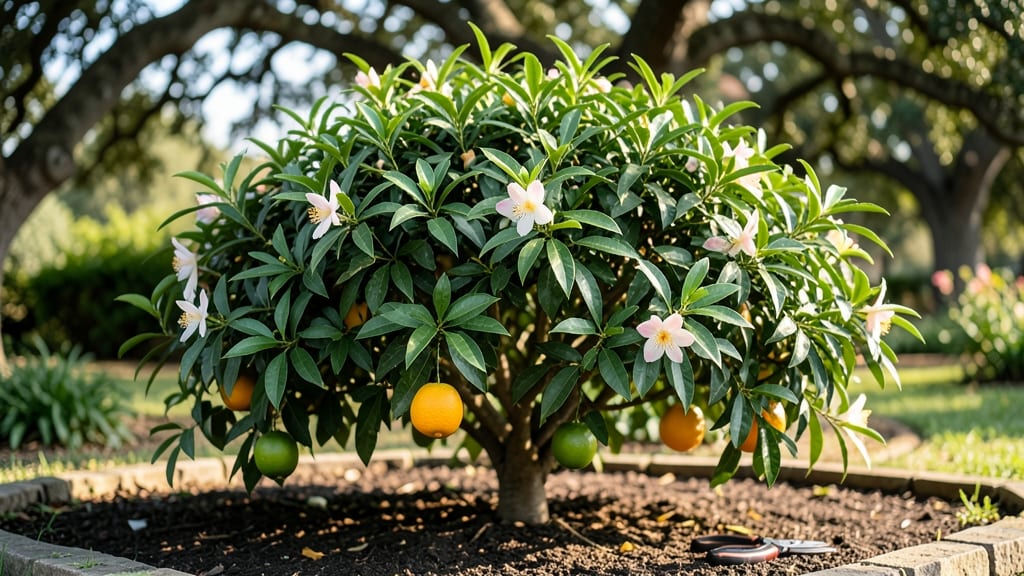
The poison orange flower—with its intoxicating citrus scent and glossy evergreen leaves—is the Pacific Northwest’s secret weapon for year-round fragrance and drama. 🌿 I’ve grown mine for three years now, and it’s become the centerpiece of my shade garden, thriving where other plants struggle.
The key? Mimicking its native woodland conditions with rich, acidic soil and dappled light.
This plant isn’t fussy about soil as long as it drains well—think 50% peat moss, 30% garden soil, and 20% perlite—but it will reward you with blooms from late winter through spring if you keep it consistently moist (not soggy).
Prune lightly after flowering to maintain that lush, layered canopy, and always wear gloves—those bright orange berries are toxic if ingested.
By summer, you’ll have a fragrant, disease-resistant shrub that hummingbirds adore and neighbors will envy. The scent alone—like fresh-squeezed orange blossoms—makes it worth the care. Just keep pets and kids away from the foliage, and you’ll enjoy this PNW native without a single complaint from the garden.
Perfect for borders, containers, or woodland gardens where other plants fade. Let’s get yours thriving—safely and spectacularly.
📚 In This Guide
- What you need
- Instructions
- Tips and common mistakes
- Wrapping up and next steps
What you need
- ● Poison orange plant: 1 nursery-grown sapling (3–6 inches tall) or seeds (if starting from scratch). Pro tip: 💡 Nursery plants are easier for beginners!
- ● Well-draining soil: 1 bag (10–15 lbs) of cactus/succulent mix or amend garden soil with perlite or sand (1 part perlite to 3 parts soil).
- ● Container or garden bed: For pots: 1–2 5–7 gallon containers with drainage holes (terracotta or fabric pots work best).
- ● For in-ground planting: A sunny, sheltered spot with at least 6 hours of sunlight daily.
- ● Organic fertilizer: 1 (5–10 lb) bag of balanced 10-10-10 or slow-release granular fertilizer.
- ● Mulch: 1–2 bags of gravel or bark mulch (to retain moisture and deter weeds).
- ● Gloves: 1 pair of gardening gloves (to protect from mild skin irritation).
- ● Trowel or shovel: 1 hand trowel (for pots) or garden shovel (for in-ground planting).
- ● Pruning shears: 1 pair of sterilized, sharp pruners (for shaping and maintenance).
- ● Watering can or hose: 1 sprayer nozzle attachment (for gentle watering).
- ○ pH test kit (optional): To ensure soil pH is 6.0–7.0 (ideal for poison orange).
- ○ Pest control (optional):
- ● 1 bottle of neem oil (for aphid prevention).
- ● 1 roll of floating row cover (if planting in early spring to protect from frost).
Step-by-Step guide to cultivating poison orange flower in the Pacific Northwest
This fragrant shrub loves the region’s mild summers and rich soil—here’s how to coax its vibrant blooms.
🪴 Step 1: Choose the Right Location and Soil
Poison orange (Choisya ternata) thrives in partial shade to full sun, making it perfect for Pacific Northwest gardens where direct afternoon sun can scorch leaves. I always pick a spot with morning sun and afternoon dappled light—this mimics its natural understory habitat. The soil should be well-draining but moisture-retentive, so amend heavy clay with 2-3 inches of compost to improve aeration.
Dig a hole twice as wide as the root ball but only as deep. The top of the root ball should sit 1 inch above ground level—this prevents waterlogging during the region’s frequent winter rains. If your soil is sandy, mix in 1 part peat moss to help retain moisture without suffocating roots.
☀️ Step 2: Plant and Water for Establishment
Gently remove the plant from its container and loosen any circling roots with your fingers. Place it in the hole, backfill with native soil, and tamp lightly to eliminate air pockets. Water deeply right after planting—aim for 1 gallon per plant—to settle the soil and encourage root spread. You’ll know it’s right when water drains freely from the bottom of the hole.
For the first 2 weeks, keep the soil consistently moist but not soggy. I use mulch (2-3 inches) around the base (but not touching the stem) to slow evaporation and regulate temperature. Pacific Northwest summers can be deceptive—what feels like mild air might still dry out shallow roots. Check soil moisture by sticking your finger 1 inch deep; if it’s dry, water again.
✂️ Step 3: Prune for Shape and Blooms
Poison orange responds beautifully to light pruning after flowering (late spring to early summer). I trim back overly long stems by ⅓ to encourage bushier growth and more abundant blooms next season. Always cut just above a leaf node—this is where new growth will emerge. Avoid heavy pruning in fall, as the plant needs energy to harden off for winter.
Remove any dead, diseased, or crossing branches first. These compete for resources and can invite pests like aphids, which love the sweet sap. If you’re shaping a hedge, use hand pruners for clean cuts and step back occasionally to check symmetry. The goal is an open, airy structure that lets light penetrate to the center—this prevents fungal issues common in dense foliage.
💧 Step 4: Maintain Through the Seasons
Once established, poison orange is drought-tolerant but still benefits from deep watering every 10-14 days during dry spells. In the Pacific Northwest, this usually means mid-summer checks—the plant’s glossy leaves will curl slightly if thirsty. Water at the base, not overhead, to avoid fungal spores splashing onto foliage.
Fertilize lightly in early spring with a balanced 10-10-10 formula (½ cup per plant). Too much nitrogen encourages leafy growth at the expense of fragrant flowers. I skip fall feeding entirely—this shrub stores nutrients efficiently and doesn’t need extra boosts before dormancy.
⏰ Step 5: Protect in Harsh Winters
The Pacific Northwest’s wet winters can stress poison orange if left unprotected. I wrap young plants (under 3 years old) in burlap during heavy rain periods to prevent root rot. For mature shrubs, focus on improving drainage—raise beds slightly or install French drains if water pools around the base.
Prune out any frost-damaged branches in late winter (February) before new growth begins. You’ll recognize damage by blackened or mushy stems—cut back to healthy wood. Here’s the thing: poison orange is hardy to USDA Zone 7, but our coastal winters can push it closer to the edge. A thick layer of wood chips (3-4 inches) insulates roots and keeps them from heaving in freeze-thaw cycles.
Tips & tricks for perfect poison orange flower cultivation
These insider tricks will help you coax the most vibrant blooms and lush foliage from your Pacific Northwest poison orange.
Location and Lighting: In Step 1, when selecting your planting spot, pay special attention to the afternoon light. While poison orange tolerates partial shade, the Pacific Northwest's coastal fog can be deceptive—aim for locations where the plant receives at least 4-6 hours of direct morning sun. I've found that positioning near a north-facing wall provides excellent protection from harsh afternoon rays while still allowing sufficient light penetration for photosynthesis. The key is to mimic its natural understory habitat where it receives dappled sunlight rather than full sun exposure.
Soil Preparation Strategy: For Step 1's soil amendment, don't just focus on the compost and peat moss quantities—think about the texture. The ideal soil should crumble easily when dry and hold moisture without becoming waterlogged. I recommend testing your amended soil by squeezing a handful—it should hold together but not form a tight clump. This texture prevents root suffocation while maintaining moisture retention. If your native soil is particularly heavy, consider adding perlite (1 part) to improve aeration without compromising moisture retention.
Watering Technique: In Step 2, when establishing your new plant, remember that deep watering isn't just about quantity—it's about technique. Use a garden hose with a gentle spray nozzle or watering can with a narrow spout to direct water slowly to the base of the plant. This prevents soil erosion and ensures water penetrates deeply. I've seen many gardeners make the mistake of watering too quickly, which causes surface runoff rather than deep soil saturation. Aim for water to penetrate at least 6-8 inches deep with each watering session during the establishment period.
Pruning Precision: For Step 3's pruning, focus on creating an open structure rather than just trimming for shape. When cutting back overly long stems by ⅓, make sure each cut exposes a leaf node—this is where new growth will emerge. I've found that using sharp hand pruners and making clean cuts at a 45-degree angle prevents disease entry points. The open structure you create allows light and air to circulate through the center, which is crucial for preventing fungal issues that are common in dense foliage. This technique also encourages more abundant flowering by redirecting energy toward new growth rather than maintaining excessive foliage.
Pro Tips for Poison Orange Flower
- These insider tricks will help you coax the most vibrant blooms and lush foliage from your Pacific Northwest poison orange.
- Location and Lighting: In Step 1, when selecting your planting spot, pay special attention to the afternoon light.
- Soil Preparation Strategy: For Step 1's soil amendment, don't just focus on the compost and peat moss quantities—think about the texture.
Frequently asked questions
Got questions about cultivating or caring for poison orange flowers? You’re not alone! Here are some of the most common inquiries from gardeners eager to grow this stunning Pacific Northwest favorite—plus quick, practical answers to keep your plants thriving.
What’s the best time to plant poison orange flowers in the PNW?
The ideal window is early spring (March–April) or early fall (September–October). This gives roots time to establish before summer heat or winter frost. Avoid planting in late fall—tender roots may not survive freezing temps. Pro tip: If planting in summer, mulch heavily to retain moisture.
Are poison orange flowers truly toxic? How do I handle them safely?
Yes, all parts of the plant—especially the flowers, seeds, and leaves—contain toxic compounds like limonoids that can irritate skin or cause stomach upset if ingested. Wear gloves when pruning, and keep pets/kids away from fallen petals. Pro tip: Wash hands after handling, and compost plant debris only if sealed in a thick, biodegradable bag.
How often should I water poison orange flowers, and what’s the secret to keeping them lush?
Water deeply 1–2 times per week during the first growing season to encourage root growth. Once established, they’re drought-tolerant but appreciate consistent moisture in dry PNW summers. Secret: Mulch with 2–3 inches of organic matter (like wood chips) to retain moisture and protect roots. Avoid soggy soil—these plants hate "wet feet."
Can I grow poison orange flowers in containers? What’s the best setup?
Choose a large pot (15+ gallons) with drainage holes, and use a well-draining mix like cactus/succulent soil blended with perlite. Place in partial sun (morning sun + afternoon shade) to prevent leaf scorch. Pro tip: Fertilize lightly in spring with a balanced 10-10-10 formula—overfeeding can stress the plant.
Why are my poison orange flowers dropping buds or leaves? How do I fix it?
Bud drop or leaf loss usually signals stress from overwatering, underwatering, or nutrient deficiency. Check soil moisture (stick your finger 2 inches down—if dry, water; if soggy, hold off). Troubleshooting:
Yellow leaves? Likely overwatering or poor drainage.
Brown edges? Underwatering or low humidity.
No flowers? Needs more sunlight or fertilizer.
Adjust care and monitor for 2–3 weeks—most issues resolve quickly!Wrapping up and next steps
Discovering the poison orange flower opens doors to a fragrant, low-maintenance gem perfect for Pacific Northwest gardens. Its striking beauty, resilience in cool climates, and minimal care needs make it a standout choice for both novice and seasoned gardeners. 🌿
Ready to transform your outdoor space? Start by gathering your supplies—like well-draining soil and a sunny spot—and follow the steps above. With patience and care, you’ll soon be rewarded with a stunning, aromatic canopy that brings joy year after year! 🌸
Next step: Plant your poison orange flower today and watch your garden thrive!