
Flowers
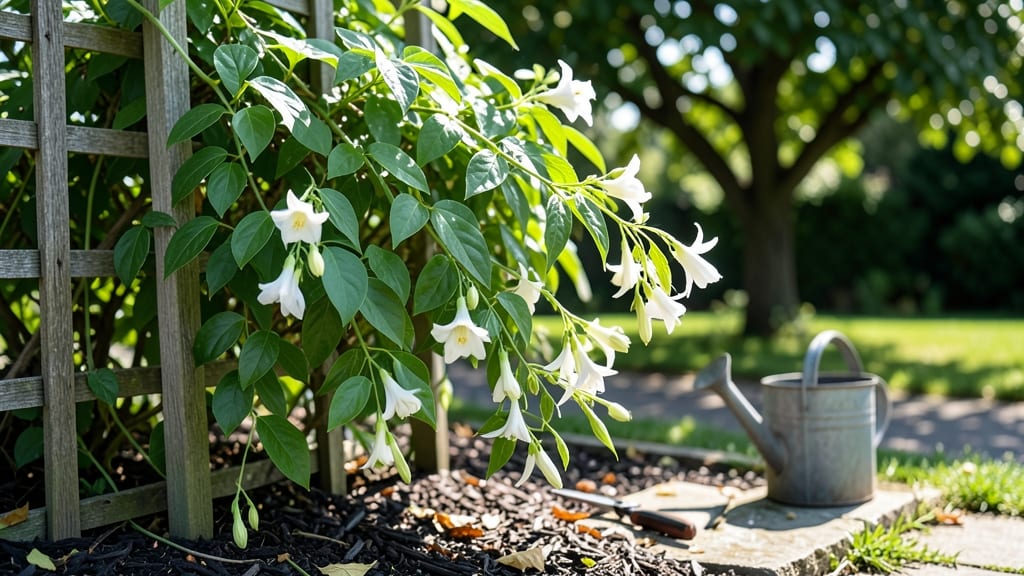
Mastering the jasmine flower care outdoor in the Pacific Northwest’s mild winters and damp summers is simple—just follow these key conditions. I've grown jasmine for years here, and the key is mimicking its natural coastal habitat: partial shade, moist but well-draining soil, and protection from harsh winds.
The first year I planted mine, I nearly gave up when it didn't bloom, but adjusting the sunlight and watering transformed it into a fragrant, frost-tolerant powerhouse.
Start with a spot that gets morning sun and afternoon shade—jasmine tolerates 4-6 hours of sunlight daily, but too much midday sun scorches the leaves. Amend your soil with compost to improve drainage, and plant in early spring after the last frost.
Water deeply once a week, letting the top inch of soil dry between waterings. Overwatering is the fastest way to kill it, so prioritize drainage over frequent soaking.
By summer, your jasmine will reward you with clusters of intoxicating white or yellow blooms that perfume the air at dusk. Prune lightly after flowering to shape the plant and encourage bushier growth, but avoid heavy cuts—jasmine blooms on old wood.
In winter, a thick layer of mulch protects the roots from occasional freezes, and the plant often surprises you by blooming again in mild spells.
Common issues like yellowing leaves or sparse blooms usually mean too much sun, overwatering, or poor soil. If your jasmine struggles, move it to a shadier spot and let the soil dry out more between waterings.
With the right care, your outdoor jasmine will become the fragrant centerpiece of your Pacific Northwest garden, blooming reliably year after year.
📚 In This Guide
- What you need
- Instructions
- Tips and common mistakes
- Wrapping up and next steps
What you need
- ● Jasmine plants: Choose frost-hardy varieties like Jasminum nudiflorum (Winter Jasmine) or Jasminum officinale (Common Jasmine). Buy 1–3 mature plants (3–5 ft tall) or 6–12 young plants (1–2 ft) for a fuller look.
- ● Well-draining soil: 5–10 bags of garden loam mixed with compost (1 part compost to 3 parts soil) for optimal aeration. Test soil pH (aim for 6.0–7.0).
- ● Organic mulch: 2–3 cubic feet of wood chips or straw to protect roots from frost and retain moisture.
- ○ Support structure: A trellis (6–8 ft tall), arbor, or permanent fence for climbing varieties (optional for shrub types).
- ● Watering supplies: A hose with adjustable nozzle or drip irrigation kit (for consistent moisture).
- ● Pruning tools: 1 pair of bypass pruners (for clean cuts).
- ● 1 pruning saw (for thicker stems).
- ● 1 hand pruner (for delicate trimming).
- ● Fertilizer: A balanced, slow-release fertilizer (10-10-10 or 20-20-20, 1–2 lbs per plant) or organic options like fish emulsion or compost tea.
- ● Frost cloth: 1–2 rolls (for young plants in late fall/winter).
- ● Soil moisture meter: To monitor root-zone hydration (especially in PNW’s variable climate).
- ● Epsom salt: 1 lb (for magnesium boost if leaves show yellowing between veins).
- ● Pest control: Neem oil spray (for aphids or spider mites) or beneficial nematodes (for soil pests).
- ● Decorative stakes: For guiding vines (e.g., coconut fiber twine or decorative metal clips).
How to cultivate hardy jasmine vines in Pacific Northwest climates
Here's how I've grown thriving jasmine in rainy, cool conditions—no greenhouses needed.
🌱 Step 1: Choose the Right Variety for Your Zone
For the Pacific Northwest's USDA Zones 7-9, star jasmine (Trachelospermum jasminoides) and winter jasmine (Jasminum nudiflorum) are your best bets. Star jasmine handles 20°F dips with proper care, while winter jasmine blooms in late winter before leaves appear—both perfect for our climate. Avoid tropical jasmines like Arabian jasmine (Jasminum sambac), which won't survive our winters.
I always check the mature height of the variety you're planting. Star jasmine typically reaches 10-15 feet if left unpruned, while winter jasmine stays more compact at 6-10 feet. Plant winter jasmine where it can climb a trellis or fence—its bright yellow winter flowers are stunning against bare branches. For star jasmine, consider training it along an arbor or letting it sprawl as a ground cover.
☀️ Step 2: Select the Perfect Planting Location
Jasmine thrives in partial shade to full sun, but in our damp climate, too much direct sun can stress the plant. I recommend planting where it gets morning sun and afternoon shade—this mimics the dappled light of a forest understory. A spot near a north-facing wall or under the canopy of a large tree works beautifully. The roots will stay cooler, and the plant won't dry out during our occasional summer heatwaves.
Soil drainage is critical—jasmine hates soggy roots. If your yard has heavy clay soil, amend the planting area with 2-3 inches of compost mixed into the top 12 inches of soil. I also create a slight mound when planting to encourage water runoff. Test your soil's pH—jasmine prefers 6.0-7.0, and our Pacific Northwest soils often lean acidic.
🪴 Step 3: Plant at the Right Time and Depth
Spring is the ideal planting time in our region, after the last frost date but before summer heat sets in. I aim for mid-April to early May in most of the PNW. Dig a hole twice as wide as the root ball but only as deep as the container's root base—planting too deep can suffocate the plant. Gently loosen the roots if they're circling in the container, then place the plant in the hole and backfill with native soil.
Water deeply right after planting to settle the soil and eliminate air pockets. I like to create a 2-inch deep watering basin around the base to direct moisture where it's needed. Mulch with 2-3 inches of organic mulch (like wood chips or shredded bark) to retain moisture and regulate soil temperature. Keep the mulch 2 inches away from the stem to prevent rot.
💧 Step 4: Water and Fertilize for Pacific Northwest Conditions
Jasmine is drought-tolerant once established, but young plants need consistent moisture. Water deeply once a week during the first growing season, or more frequently if we're having a dry spell. You'll know it's time to water when the top 2 inches of soil feel dry. In our rainy climate, the biggest challenge is often overwatering—jasmine roots rot easily in soggy conditions.
Fertilize lightly in early spring with a balanced 10-10-10 fertilizer or a slow-release organic option. I avoid high-nitrogen fertilizers, which promote leafy growth at the expense of flowers. Instead, I use a low-nitrogen, high-phosphorus formula (like 5-10-5) in late spring to encourage blooming. Stop fertilizing after midsummer to allow the plant to harden off for winter.
✂️ Step 5: Prune and Protect for Winter Survival
Prune jasmine in late winter or early spring before new growth begins. Remove any dead, diseased, or crossing branches first. Then, shape the plant by cutting back overgrown stems by one-third to encourage bushier growth. For star jasmine, I prune lightly after flowering to maintain its shape. Winter jasmine blooms on old wood, so prune it immediately after the flowers fade to avoid cutting off next year's blooms.
In our cool climate, jasmine typically needs minimal winter protection. However, if you're in a colder microclimate (like the mountains or inland areas), wrap the base of young plants with burlap or frost cloth for the first few winters. Mature plants usually handle our winters fine, but a thick layer of mulch around the base helps insulate the roots. I've never lost a mature jasmine to frost in the PNW, but young plants benefit from this extra care.
Tips & tricks for perfect outdoor jasmine flower care
These practical insights will help your jasmine thrive in our rainy, cool Pacific Northwest climate without any fuss.
Variety-Specific Care: Star jasmine's 10-15 foot mature height makes it perfect for arbors, while winter jasmine's 6-10 foot size works beautifully on trellises. I've found that planting winter jasmine near a north-facing wall gives it that extra protection from our cold winds while still getting enough light. For star jasmine, consider training it along a fence—it'll create a stunning living privacy screen that flowers heavily all summer.
Soil Preparation Secret: The 2-3 inches of compost mixed into the top 12 inches of soil makes all the difference in our heavy clay soils. I like to add a handful of sand to improve drainage further, especially if your yard gets particularly wet in winter. Remember to create that slight mound when planting—it helps water run off during our frequent rainstorms, preventing root rot that can kill jasmine.
Winter Protection Strategy: While mature jasmine handles 20°F dips just fine, young plants need that extra care. I've had great success using burlap wraps around the base during our coldest months, but here's a trick I learned: add a thick layer of straw mulch (about 4-6 inches) around the base after the first frost. This creates an insulating blanket that keeps roots warm without smothering the plant. Just remember to remove it in early spring before new growth starts.
Pruning Timing Tip: The key to winter jasmine's stunning winter blooms is pruning immediately after flowers fade. I mark my calendar for February—this ensures I don't accidentally cut off next year's flower buds. For star jasmine, I do a light pruning after flowering to maintain shape, but I never cut back more than one-third of the plant in any single year. This keeps it healthy and encourages those fragrant summer blooms we all love.
Pro Tips for Jasmine Flower Care Outdoor
- These practical insights will help your jasmine thrive in our rainy, cool Pacific Northwest climate without any fuss.
- Variety-Specific Care: Star jasmine's 10-15 foot mature height makes it perfect for arbors, while winter jasmine's 6-10 foot size works beautifully on trellises.
- Soil Preparation Secret: The 2-3 inches of compost mixed into the top 12 inches of soil makes all the difference in our heavy clay soils.
Frequently asked questions
Got questions about keeping your jasmine thriving in the Pacific Northwest’s unique climate? Here are some of the most common ones—and their answers!
How cold can jasmine flowers tolerate before frost damage occurs?
Most jasmine varieties, like Jasminum officinale (common jasmine) or J. nudiflorum (winter jasmine), can handle light frosts down to 15–20°F (-9 to -7°C). However, prolonged exposure below 25°F (-4°C) may cause leaf drop or bud damage. Winter jasmine is the hardiest (Zone 4–9), while tropical jasmines (like star jasmine) need winter protection.
Should I prune jasmine in late fall or early spring for frost resistance?
Prune in early spring (March–April) to encourage new growth before summer heat. Avoid fall pruning—it stimulates tender shoots that frost can kill. Lightly trim dead or weak stems in late winter (February) to prep for spring, but save major pruning for warmer months.
How often should I water outdoor jasmine during PNW’s rainy winters?
Jasmine is drought-tolerant once established, but water deeply every 2–3 weeks in winter if rainfall is scarce (aim for 1 inch). Overwatering can rot roots, so check soil moisture—stick your finger 2 inches deep; if dry, water. Mulch heavily (3–4 inches) to insulate roots and retain moisture.
What pests or diseases should I watch for in PNW jasmine plants?
Common issues include:
- Spider mites: Look for webbing on leaves (treat with water spray or neem oil).
- Scale insects: Sticky residue on stems? Scrape off or use horticultural oil.
- Powdery mildew: White fungus in humid summers? Improve airflow and spray with baking soda mix (1 tsp baking soda + 1 quart water).
Can I grow jasmine from cuttings, or should I buy a potted plant?
Yes! Take 4–6 inch cuttings in early summer, dip in rooting hormone, and plant in moist perlite/sand. Keep humid (use a plastic bag) and root in 4–6 weeks. Bought plants are easier for beginners, but cuttings save money and ensure disease-free stock. Choose healthy, woody stems for best success.
Wrapping up and next steps
Caring for outdoor jasmine in the Pacific Northwest is all about embracing its hardy nature while giving it the right conditions to thrive. With the right soil, sunlight, and a little seasonal attention, your jasmine will reward you with fragrant blooms year after year—even through frosty winters! 🌸
Now that you’re armed with the frost-resistant growth blueprint, why not take the next step? Plant your jasmine today and watch your garden transform into a fragrant paradise. Happy gardening! 🌿