
Flowers
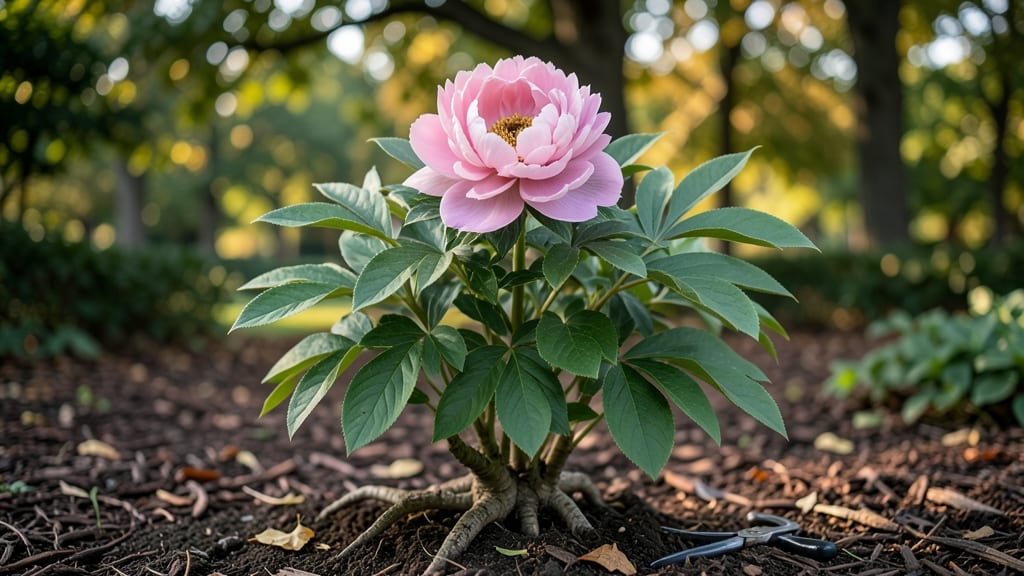
Growing Japanese peonies in the Pacific Northwest means frost-resistant blooms that outshine even the driest summers. 🌸 I’ve watched these lush, velvety flowers push through damp soil after our harshest winters, then reward me with weeks of fragrant blooms—something most peonies can’t handle.
The secret lies in their deep roots and adaptability to our cool, wet climate.
You’ll need full sun (at least 6 hours daily), well-draining soil mixed with compost, and patience—they take 2-3 years to establish before their first showstopping display. My first attempt failed because I planted too shallow; now I dig 18-24 inches deep to mimic their natural woodland habitat.
The payoff? Clusters of pink, white, or coral blooms that attract hummingbirds and fill the air with a sweet, intoxicating scent.
Pruning after blooms and mulching in winter keeps them thriving through our rainy seasons. Avoid overwatering—their roots rot easily in soggy soil. With the right care, your Japanese peonies will become the star of your garden, blooming reliably for decades.
Here’s how to make it happen without the common pitfalls.
Perfect for shady corners or sunny borders, these peonies adapt beautifully to our region’s climate. Whether you’re a beginner or a seasoned gardener, their low-maintenance elegance makes them a must-have. Let’s get those roots settled so you can enjoy their magic next spring.
📚 In This Guide
- What you need
- Instructions
- Tips and common mistakes
- Wrapping up and next steps
What you need
- ● Japanese peony root crowns: 3–5 healthy, dormant crowns (ensure they have 3–5 "eyes" or buds). Pro tip: Choose varieties like Paeonia lactiflora or Paeonia japonica for PNW resilience!
- ● Well-draining soil: 3–5 cubic yards of a mix of 60% garden soil, 30% compost, and 10% coarse sand/perlite (peonies hate soggy roots!).
- ● Organic fertilizer: 5–10 lbs of 5-10-10 balanced fertilizer or bone meal (for phosphorus to boost blooms).
- ● Mulch: 2–3 inches of wood chips or straw (to insulate roots in winter).
- ● Garden tools: Shovel or trowel
- ● Pruners (sterilized!)
- ● Garden gloves
- ● Watering can or hose with a gentle spray nozzle.
- ● Soil pH test kit: Aim for 6.5–7.0 (peonies thrive in slightly acidic to neutral soil).
- ● Root stimulator: Like mycorrhizal fungi or kelp meal to boost early growth.
- ● Drip irrigation system: For consistent moisture without overwatering.
- ● Frost cloth: For young plants in Zone 6 or colder (PNW’s chill can be tricky!).
- ● Stakes or cages: To support heavy blooms (especially for tall varieties like Paeonia 'Sarah Bernhardt').
How to cultivate hardy Japanese peonies in the Pacific Northwest
Here's my battle-tested approach for growing these frost-loving beauties—no black thumb required.
🌱 Step 1: Select and Prepare the Perfect Planting Site
Japanese peonies thrive in partial shade with morning sun and afternoon dappled light—think 4-6 hours of direct sunlight daily. In the Pacific Northwest's cooler climate, avoid full sun exposure, which can scorch leaves and reduce flowering. I always choose a location with well-draining soil and shelter from strong winds, like near a fence or shrub border.
Before planting, amend the soil with 3-4 inches of organic compost mixed into the top 12 inches of soil. Japanese peonies dislike soggy roots, so if your site has heavy clay, incorporate sand or perlite to improve drainage. Test the soil pH—these beauties prefer a slightly acidic to neutral range (6.0-7.0). If your soil runs alkaline, add elemental sulfur following package instructions.
🪴 Step 2: Plant Bare-Root Peonies at the Right Depth and Time
Timing is critical: plant in early fall (September-October) so roots establish before winter, or in late winter (February-March) when soil is workable but not frozen. I dig a hole twice as wide as the root ball but only 1-2 inches deeper than the crown (the swollen bud at the base of the stems). Planting too deep suffocates the crown and prevents flowering.
Place the peony in the hole, ensuring the crown sits just below the soil surface—never bury it deeper than 2 inches. Space plants 3-4 feet apart to allow mature foliage room to spread. Backfill with native soil, tamp gently to remove air pockets, and water deeply to settle the roots. Mulch with 3 inches of wood chips to insulate roots during winter and retain moisture.
☀️ Step 3: Provide Seasonal Care for Maximum Blooms
In spring, remove old mulch and add a 2-inch layer of fresh compost around the base, keeping it 6 inches away from the crown to prevent rot. Water deeply once a week during dry spells, aiming for 1 inch of water per week—more in the first growing season to encourage root establishment. You'll know moisture is right when the soil feels damp 2 inches down but not saturated.
After flowering, cut back stems to the first set of healthy leaves (not the ground!) to redirect energy to next year's buds. In fall, apply a light layer of mulch (1-2 inches) to protect roots from freeze-thaw cycles. Japanese peonies are extremely hardy (USDA zones 3-8), but young plants benefit from winter protection in exposed sites—cover with burlap or straw if temperatures dip below 10°F.
✂️ Step 4: Prune and Divide for Long-Term Health
Prune immediately after flowering (late May-June) to remove spent blooms and 1/3 of the oldest stems at the base. This improves airflow and prevents disease. Avoid heavy pruning—Japanese peonies flower on second-year growth, so aggressive cuts reduce next year's blooms. I also remove any weak or crossing stems to maintain plant vigor.
Divide mature clumps every 5-7 years in early fall when foliage yellows. Dig carefully with a shovel or spade, separating the root ball into sections with 3-5 eyes (buds) per division. Replant divisions immediately at the same depth as before, watering deeply. Dividing rejuvenates old plants and creates new specimens—just don’t expect flowers the first year after division.
Tips & tricks for perfect Japanese peonies cultivation
Here's what nobody tells you about keeping these frost-hardy beauties thriving in our Pacific Northwest climate.
Site Selection Secret: While the instructions emphasize partial shade, I've found that in the PNW's cooler microclimates, you can actually push it to 6 hours of morning sun if your afternoons are consistently cloudy. Test your spot by observing how much direct sunlight it gets during summer—peonies will tolerate more than you might expect, but avoid hot afternoon sun that can stress the plants.
Planting Depth Rescue: The crown depth warning is critical—burying too deep is the #1 reason peonies fail to bloom. Here's my trick: After placing the plant, press your thumb gently into the soil next to the crown. If it's harder than your thumb (like pressing into wet sand), you've buried it too deep. The crown should be just barely covered, like a tiny hillock peeking above the soil line.
Winter Protection Strategy: For young plants in exposed sites, I go beyond the burlap suggestion and create a mini windbreak using evergreen branches (like cedar or pine) arranged in a loose lattice around the plant. This creates a natural barrier that reduces windburn while still allowing airflow. Remove it in early spring before new growth appears.
Pruning Precision: When cutting back stems after flowering, I use clean, sharp pruners and make cuts at a 45-degree angle just above the first set of healthy leaves. This angled cut prevents water from pooling on the stem, reducing rot risk. Also, never remove more than 1/3 of the oldest stems—this maintains the plant's energy balance for next year's blooms.
Pro Tips for Japanese Peonies Flowers
- Here's what nobody tells you about keeping these frost-hardy beauties thriving in our Pacific Northwest climate.
- Site Selection Secret: While the instructions emphasize partial shade, I've found that in the PNW's cooler microclimates, you can actually push it to 6 hours of morning sun if your afternoons are consistently cloudy.
- Planting Depth Rescue: The crown depth warning is critical—burying too deep is the #1 reason peonies fail to bloom.
Frequently asked questions
When is the best time to plant Japanese peonies in the PNW?
Plant them in early fall (September–October) or early spring (March–April). This gives roots time to establish before winter or summer heat. Avoid planting in extreme cold or drought—wait for soil temps to cool (below 60°F) or warm (above 40°F).
Are Japanese peonies truly frost-resistant in the PNW?
They thrive in USDA Zones 3–8, handling frost and snow like a champ. Just ensure they’re planted in well-draining soil to prevent root rot. Mulch lightly in winter (2–3 inches) to protect roots from freeze-thaw cycles.
Why aren’t my Japanese peonies blooming?
Peonies often take 2–3 years to bloom after planting. Common culprits:
- Too much nitrogen: Focus on balanced fertilizer (low N, high P/K).
- Overcrowding: Space plants 3–4 feet apart for airflow.
- Improper pruning: Cut back foliage in late fall (after leaves brown), but never prune flowers.
Can I grow Japanese peonies in containers?
Yes, but they need large pots (18+ inches deep) with drainage holes. Use well-draining potting mix and repot every 2–3 years. Containers dry out faster—water deeply when the top inch of soil is dry. Note: Container-grown peonies may bloom less than in-ground plants.
How do I protect Japanese peonies from pests in the PNW?
Watch for aphids, Japanese beetles, and peony leaf miners. Try these fixes:
- Spray neem oil or insecticidal soap for soft-bodied pests.
- Handpick beetles or use row covers early in the season.
- Remove and destroy damaged leaves to prevent spread.
Pro tip: Healthy plants (full sun, proper spacing) resist pests better!
Wrapping up and next steps
Japanese peonies are a dream come true for Pacific Northwest gardeners—elegant, frost-resistant, and brimming with charm! 🌸 With the right soil, sunlight, and patience, you’ll soon be rewarded with lush blooms that steal the show.
Whether you’re a seasoned gardener or just starting, these hardy beauties make the perfect addition to your outdoor sanctuary.
Now that you’re armed with the how-to, why not take the next step? Visit a local nursery, sketch your garden layout, or even share your excitement with fellow plant lovers! Your future peony paradise awaits—go plant that first bulb today! 🌱