
Flowers
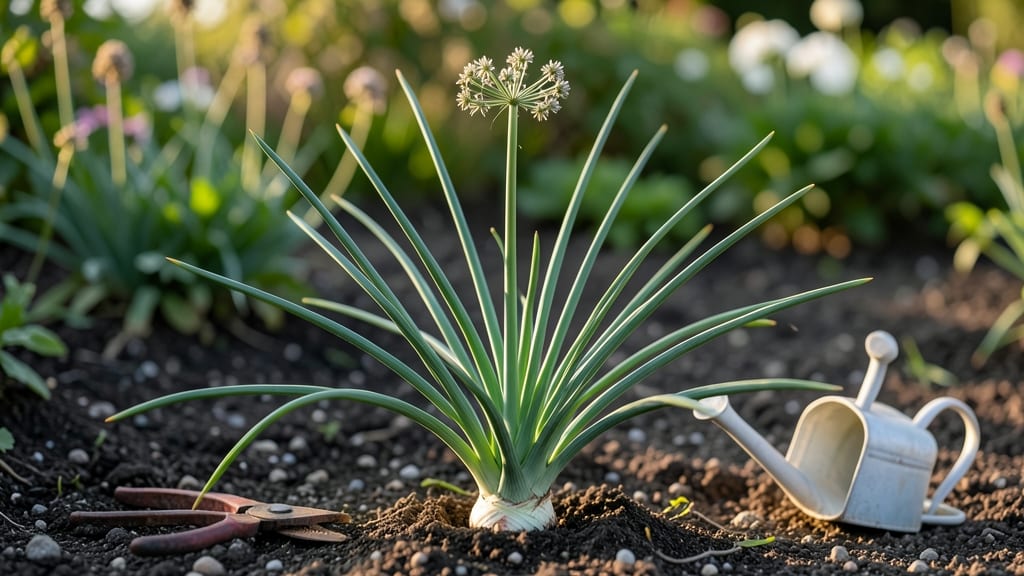
Walking onion flowers turn your Pacific Northwest garden into a fragrant, frost-proof showstopper—even when temperatures dip below freezing. 🌿 I’ve grown them for years in my Zone 8 garden, and their ability to bloom through winter surprises everyone who sees them.
The secret lies in their hardy nature and the way they spread like living carpet, filling gaps with delicate purple blooms.
These onions thrive in poor soil, need almost no water once established, and multiply effortlessly through bulbils or offsets. Plant them in fall or early spring, and by next summer, you’ll have clumps of grass-like foliage topped with clusters of tiny, star-shaped flowers that hummingbirds adore.
The best part? You can harvest the flowers for bouquets or let them self-seed for next year’s display.
What you’ll end up with is a low-maintenance garden feature that blooms reliably year after year, even through frost. The flowers add a soft purple contrast to evergreens, and the foliage stays lush and green when many other plants go dormant.
Plus, you can snip the young shoots for mild onion flavor in salads—nature’s multitasker.
Whether you’re filling a sunny border, lining a pathway, or adding texture to a rock garden, walking onions deliver beauty with almost no effort. Here’s how to get them thriving in your garden—no green thumb required.
📚 In This Guide
- What you need
- Instructions
- Tips and common mistakes
- Wrapping up and next steps
What you need
- ● Walking Onion Bulbs: 3–5 bulbs (or more, depending on desired coverage)
- ● Choose certified organic or disease-free bulbs for best results
- ● Well-Draining Soil: Native soil amended with compost (1 part compost to 3 parts soil)
- ○ Optional: Add perlite or coarse sand (1 part) for extra drainage (critical in PNW’s rainy climate!)
- ● Sunny Planting Spot: Full sun (6+ hours of direct sunlight daily)
- ● Sheltered from strong winds (to prevent bulb damage)
- ● Watering Can or Hose: For gentle, deep watering (1–2 inches per week, adjust for rain)
- ● Garden Trowel (for digging planting holes)
- ● Pruners or Shears (to trim spent foliage after blooming)
- ● Mulch (Straw or Wood Chips) (2–3 inches) to retain moisture and protect bulbs in winter
- ● Garden Gloves (for comfort while handling soil)
- ● Plant Labels (to track varieties if mixing with other bulbs)
- ○ ✨ Test your soil’s pH: Walking onions prefer slightly acidic to neutral soil (6.0–7.0). A soil test kit (optional) ensures optimal growing conditions.
- ● 🌡️ Plant in early fall: Bulbs need time to establish roots before winter. Aim for September–October in the PNW.
- ● 🔥 Avoid overwatering: These bulbs are drought-tolerant once established—let soil dry slightly between waterings in summer.
How to grow stunning walking onion flowers in your Pacific Northwest garden
These hardy perennials spread effortlessly while delivering cheerful blooms—here’s how to coax their best performance.
🌱 Step 1: Choose the Right Location and Soil
Walking onions love full sun to partial shade—at least 4-6 hours of direct sunlight daily—but they’ll tolerate the Pacific Northwest’s dappled light better than many flowers. I always pick a spot where they can spread naturally without competing with aggressive ground covers. The soil should drain well; if your garden holds water, amend with 2-3 inches of compost to improve aeration.
Here’s the thing—walking onions thrive in average garden soil but won’t sulk if you give them a little extra. A light sprinkle of balanced 10-10-10 fertilizer at planting time encourages stronger early growth. Test your soil first; if it’s heavy clay, mix in 1 part perlite to 3 parts soil to keep roots happy.
☀️ Step 2: Plant Bulbs at the Right Depth and Spacing
Plant the bulbs 1-2 inches deep, with the pointed end facing up—this ensures they grow straight rather than twist. Space them 6-8 inches apart in rows 12 inches apart if you want neat clusters, or scatter them 8-12 inches apart for that natural, wandering look. I like to plant in early spring after the last frost, but fall planting works too if your winters are mild.
Don’t overcrowd them. Walking onions multiply by sending out offsets (those little bulblets that "walk" away), so give them room to spread. If you’re planting in a container, use one bulb per 6-inch pot—they’ll still spread, but the pot will contain the chaos. Water deeply after planting to settle the soil around the bulbs.
💧 Step 3: Water Consistently and Fertilize Lightly
Water once a week during the first growing season, giving ½ inch of water each time. The key is consistency—walking onions hate soggy roots but won’t thrive if they dry out completely. You’ll know you’re doing it right when the soil feels moist 1-2 inches below the surface but not wet like a sponge.
Fertilize once in early spring with a low-nitrogen, high-phosphorus fertilizer (like 5-10-10) to encourage blooms. Too much nitrogen makes them focus on leaves instead of flowers. I skip fertilizer after the first year unless the blooms look sparse—these plants are tough and often do just fine without extra help.
✂️ Step 4: Deadhead and Manage Spread
After the flowers fade, snip the spent blooms just above the first set of leaves to encourage more blooms and prevent self-seeding. This keeps the plant tidy and redirects energy into next year’s growth. Walking onions are self-sufficient spreaders, but if they start taking over, dig up excess bulbs in early spring and replant them elsewhere—or share them with friends.
Here’s where it gets fun: let a few bulbs wander naturally to create a naturalized border over time. The more they spread, the more flowers you’ll get. In the Pacific Northwest’s mild winters, they’ll often bloom in late spring or early summer, sometimes even reblooming in fall if conditions are right.
⏰ Step 5: Prepare for Winter and Enjoy Year-Round Beauty
Walking onions are frost-resistant, but a thick layer of 2-3 inches of mulch (like shredded leaves or straw) protects the bulbs in harsh winters. Remove the mulch in early spring once new growth appears. These plants are perennial workhorses—once established, they’ll come back year after year with minimal care.
Real talk: the first year might be sparse, but by year two, you’ll have a vibrant, low-maintenance display of blooms. The flowers attract pollinators, and the foliage stays tidy without much fuss. That’s the magic of walking onions—they grow while you garden.
Tips & tricks for perfect walking onion flowers
Common pitfalls—and how to sidestep every one when growing these cheerful, hardy blooms.
Sunlight Strategy: That 4-6 hours of sunlight in Step 1 is non-negotiable for strong blooms, but here's the thing about Pacific Northwest gardens—morning sun with afternoon shade works best. If your spot gets harsh afternoon sun, consider partial shade to prevent leaf scorch while still getting those bright flowers. I've seen them thrive under large deciduous trees where they get dappled light all day.
Soil Prep Secret: Before amending with compost or perlite in Step 1, do a simple test: squeeze a handful of moist soil—if it holds its shape like clay, you definitely need amendments. If it crumbles easily, your soil's already perfect. I always add a handful of worm castings to the planting hole too—it gives them a gentle boost without overdoing fertilizer.
Planting Depth Visual: When planting those 1-2 inches deep in Step 2, think of a standard pencil—most bulbs should sit about that deep. The pointed end up is crucial; if you plant them sideways, they'll grow at odd angles. For containers, use the same depth but add extra perlite to the mix to prevent root rot from overwatering.
Watering Hack: That weekly ½-inch watering in Step 3 can be tricky to measure—here's my trick: use a tuna can or similar container. Place it in your planting area and water until it's filled to ½-inch. This gives you a visual cue that's much easier than guessing. Walking onions actually prefer slightly dry conditions over soggy soil, so err on the side of less water if you're unsure.
Pro Tips for Walking Onion Flowers
- Common pitfalls—and how to sidestep every one when growing these cheerful, hardy blooms.
- Sunlight Strategy: That 4-6 hours of sunlight in Step 1 is non-negotiable for strong blooms, but here's the thing about Pacific Northwest gardens—morning sun with afternoon shade works best.
- Soil Prep Secret: Before amending with compost or perlite in Step 1, do a simple test: squeeze a handful of moist soil—if it holds its shape like clay, you definitely need amendments.
Frequently asked questions
Got questions about growing walking onion flowers in your Pacific Northwest garden? You’re not alone! Here are answers to the most common queries—from planting tips to troubleshooting—so you can enjoy these hardy, frost-resistant blooms with confidence.
What’s the best time to plant walking onion flowers in the PNW?
Plant them in early spring (March–April) or late summer (August–September) for best results. These perennials tolerate light frost, but cooler soil in fall can slow early growth. If planting in summer, keep them well-watered until roots establish.
How cold-hardy are walking onion flowers?
They’re extremely frost-resistant—surviving temps down to 10°F (-12°C)! Their grass-like foliage stays green year-round in mild PNW winters, while flowers bloom in late spring to early summer. Mulch lightly in harsh winters for extra protection.
Do walking onion flowers spread aggressively like regular onions?
Yes! They’re moderate spreaders via underground bulbs, forming clusters over time. To control growth, divide clumps every 3–4 years or plant in containers. They’re non-invasive but can naturalize beautifully in borders or meadows.
Why aren’t my walking onion flowers blooming?
Common reasons include young plants (need 2–3 years to mature), poor sunlight (they thrive in full sun), or overcrowding. Ensure they get 6+ hours of sun daily and thin clumps if needed. Fertilize lightly in early spring for a boost.
Can I grow walking onion flowers from seed, or should I buy bulbs?
Both work! Bulbs (from nurseries) grow faster and bloom sooner, while seeds (from seed packets) are cheaper but may take 2 years to flower. For PNW gardens, bulbs are the easiest option—just plant them 1–2 inches deep and 6 inches apart.
Are walking onion flowers deer- or pest-resistant?
They’re deer-resistant (thanks to their mild onion scent), but slugs and onion flies may target them. Use copper barriers for slugs or row covers early in the season. Healthy plants with good air circulation deter most pests.
Wrapping up and next steps
Walking onion flowers—with their stunning blooms, frost-hardy resilience, and low-maintenance charm—are a dream addition to Pacific Northwest gardens. 🌸 Whether you're drawn to their ornamental beauty or their edible allure, these plants prove that functional and fabulous can go hand in hand.
Ready to transform your garden? Start by selecting your favorite varieties, prepping your soil, and planting with confidence!
🌱 Your Next Step: Plant & Enjoy!
Grab your gloves, gather your supplies, and watch your garden flourish with these hardy blooms. Need a little extra inspiration? Browse seed catalogs, sketch out your garden layout, or even share your excitement with fellow gardening enthusiasts online. Happy planting—your frost-resistant paradise awaits! 🌿