
Propagation
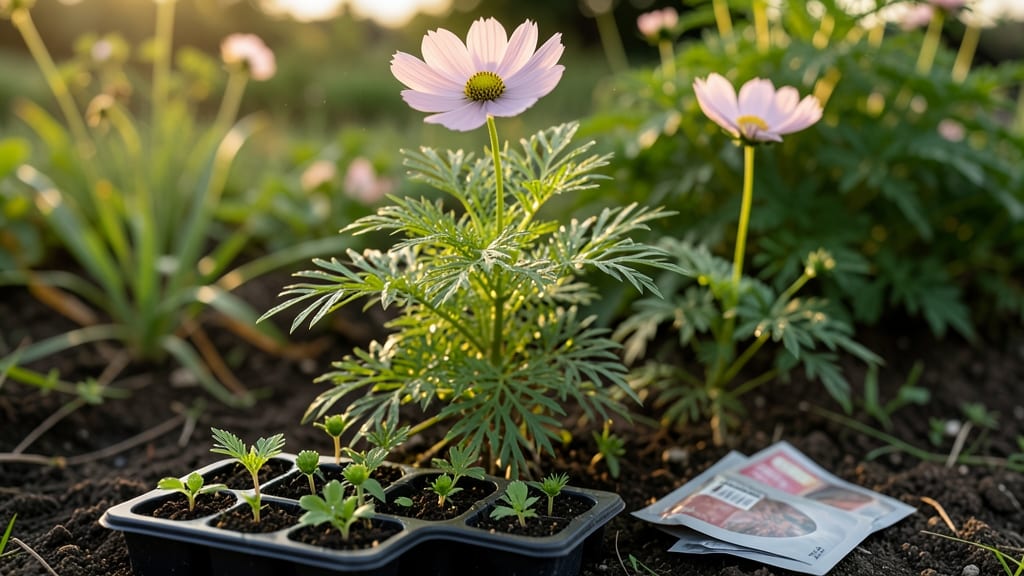
Growing cosmos flowers from seed is the fastest way to fill your garden with vibrant, carefree blooms—I’ve seen them pop up from soil to full height in just 6 weeks last summer. 🌻 The secret lies in their effortless nature: they thrive in poor soil, resist deer, and self-seed like crazy, making them perfect for both beginner gardeners and busy pros.
You’ll need cosmos seeds (available in bold colors like ‘Bright Lights’ or classic ‘Sensation’), a sunny spot with at least 6 hours of light, and a simple soil mix—no fancy compost required.
The real magic happens when you scatter seeds ¼-inch deep in early spring, then watch them sprout within 7-14 days without fuss. No need for fancy setups; even a basic pot works if your yard lacks space.
By late summer, you’ll have 3-4 foot tall stems bursting with daisy-like blooms that attract butterflies and hummingbirds. The flowers last all season, and the more you deadhead, the more they produce—it’s like free bouquets. Plus, the seeds save easily for next year, so you’ll never buy them again.
Works in zones 3-11, from containers to full sun borders, and even tolerates drought once established. Here’s how to skip the guesswork and get those bold blooms growing fast—no green thumb required.
📚 In This Guide
- What you need
- Instructions
- Tips and common mistakes
- Wrapping up and next steps
What you need
- ● Cosmos seeds: Choose a variety like Cosmos bipinnatus or Cosmos sulphureus. Buy a packet with at least 50 seeds for a fuller display.
- ● Seed-starting trays or pots: 2–3 2-inch deep trays or 4–6 biodegradable pots (for easy transplanting).
- ● High-quality seed-starting mix: A lightweight, sterile potting mix (avoid garden soil—it’s too dense!).
- ● Grow lights or a sunny windowsill: A full-spectrum LED grow light (12–16 hours/day) or a south-facing window with 6+ hours of sunlight.
- ● Misting bottle or spray nozzle: For gentle watering to keep seeds moist without disturbing them.
- ○ Plastic wrap or humidity dome: To retain moisture while seeds germinate (optional but helpful in dry climates).
- ○ Fertilizer (optional but recommended): A balanced, water-soluble fertilizer (e.g., 10-10-10) or a slow-release granular fertilizer for transplanting.
- ● Garden bed or containers: Cosmos thrive in well-draining soil with 6+ hours of sunlight. Containers need at least 12-inch depth and 12-inch spacing between plants.
- ● Compost or organic matter: Mix 1–2 inches into garden soil to boost nutrients.
- ○ Stakes or cages (optional): Tall varieties (like Cosmos bipinnatus) may need 6-inch stakes for support as they grow.
- ● 💡 Label your seeds! Cosmos varieties look similar—use toothpicks and masking tape to mark trays.
- ● 🌡️ Keep it cozy: Seeds germinate best at 65–75°F (18–24°C). A heat mat can help in cooler homes.
- ● 🎯 Thin seedlings: Once sprouts have 2 true leaves, thin to 1 seedling per pot to avoid overcrowding.
Step-by-Step instructions for cultivating cosmos from seed
Start with these simple steps and you'll have vibrant cosmos blooms in record time.
🌱 Step 1: Prepare the Planting Site or Containers
Cosmos thrive in well-draining soil with plenty of sunlight. If planting directly in the garden, choose a spot that receives full sun (at least 6-8 hours daily). Work the soil to a depth of 12 inches, removing any weeds or debris. For container growing, select pots that are at least 6 inches deep with drainage holes.
Here's the thing—cosmos don't like soggy roots, so if your garden soil drains poorly, mix in a 25% perlite or sand amendment to improve aeration. I like to add a handful of compost to the planting area too, which gives the seeds a nutrient boost without overwhelming them. The soil should feel crumbly and slightly moist when you squeeze it—like a damp sponge.
🌱 Step 2: Sow Seeds at the Right Depth and Spacing
Scatter seeds ¼ inch deep—they're tiny but don't need much covering. I tap the seed packet gently to release one seed at a time, spacing them 12-18 inches apart for direct sowing or 6-8 inches apart if you plan to thin later. Overcrowding leads to weak stems and fewer blooms, so don't rush this step.
Lightly cover the seeds with soil, then water gently until the surface looks evenly moist. Avoid soaking the soil—cosmos seeds need just enough moisture to wake up, not a swampy environment. You'll see the first sprouts in 7-14 days, depending on your climate. If you're planting in cooler weather, consider using a seedling heat mat to speed up germination.
☀️ Step 3: Provide Consistent Light and Water
Once seedlings emerge, move them to a location with full sun exposure. Cosmos are drought-tolerant once established, but young plants need steady moisture. Water at the base of the plant in the morning to keep leaves dry, which prevents fungal diseases. You'll know it's time to water again when the top inch of soil feels dry—stick your finger in the soil to check.
Real talk: If you forget to water occasionally, don't panic. Cosmos bounce back easily, but consistent moisture in the early stages ensures strong stems and healthy foliage. After about 4 weeks, you can reduce watering to once a week unless your area experiences extreme heat or drought.
✂️ Step 4: Thin and Support for Maximum Blooms
When seedlings reach 2-3 inches tall, thin them to your desired spacing to prevent competition. Use clean scissors to snip unwanted plants at soil level—this avoids disturbing the roots of nearby seedlings. Stronger stems will emerge with more room to grow, leading to bigger blooms.
As plants grow taller, they may need support, especially in windy areas. I like to use bamboo stakes or small cages to keep stems upright. This isn't always necessary, but it helps cosmos reach their full height of 2-5 feet without flopping over. Deadhead spent blooms regularly to encourage continuous flowering—just pinch off the faded flowers with your fingers.
🌿 Step 5: Maintain and Enjoy the Blooms
Cosmos are low-maintenance once established, but a light feeding with balanced fertilizer (10-10-10) every 4-6 weeks keeps them thriving. They self-seed readily, so you'll often find new plants popping up in the garden the following year. If you want to control where they grow, collect seeds from dried flower heads and store them in a cool, dry place.
This is the moment that matters: Watch as cosmos transform from delicate seedlings into a sea of bold, papery blooms. They attract pollinators like bees and butterflies, making them a favorite in pollinator gardens. With just a little care, you'll have a stunning display that lasts from midsummer into fall.
Tips & tricks for perfect cosmos cultivation
Here's what I learned the hard way after struggling with inconsistent blooms—these details make all the difference.
Soil Preparation Secret: The 25% perlite or sand amendment isn't just about drainage—it's about creating an oxygen-rich environment for those delicate roots. I've found that adding a thin layer of coarse sand on top of amended soil helps prevent crusting when you water, which is especially important in Step 1. This simple layer keeps moisture where it belongs while allowing excess to drain away. Think of it like creating a sponge with channels—water gets absorbed but never pools.
Germination Timing: Those 7-14 days for sprouts to appear can feel like an eternity, but consistency is key. I've discovered that placing a clear plastic dome or even a plastic bag over the seeded area (without touching the soil) creates a mini greenhouse effect. Remove it once sprouts appear to prevent mold. The heat mat suggestion in Step 2 is brilliant for cooler climates—just don't leave it on after germination begins, as the seedlings need to harden off gradually.
Thinning Technique: When thinning in Step 4, I now use a small trowel to gently loosen the soil around the seedlings I want to keep before snipping. This gives them a head start on root establishment while removing competition. And here's the thing about spacing—those 12-18 inches might seem generous, but it's what allows each plant to develop that signature 2-5 foot stature without fighting for resources. I've seen crowded cosmos produce half the blooms of properly spaced ones.
Deadheading Strategy: The instructions mention pinching off faded blooms, but I've found that using clean, sharp scissors to cut just above a set of healthy leaves (about 1/4 inch above) encourages even more vigorous regrowth. This simple technique can extend your blooming season by several weeks. Plus, those cut flowers make beautiful bouquets—just let them dry upside down in a dark place for 2-3 days before arranging.
Pro Tips for Growing Cosmos Flowers From Seed
- Here's what I learned the hard way after struggling with inconsistent blooms—these details make all the difference.
- Soil Preparation Secret: The 25% perlite or sand amendment isn't just about drainage—it's about creating an oxygen-rich environment for those delicate roots.
- Germination Timing: Those 7-14 days for sprouts to appear can feel like an eternity, but consistency is key.
Frequently asked questions
Got questions about growing cosmos from seed? You’re not alone! Here are answers to the most common queries to help you cultivate bold, vibrant blooms with confidence.
How long does it take for cosmos seeds to germinate?
Cosmos seeds are fast growers! With the right warmth (70–75°F) and moisture, you’ll see sprouts in 5–14 days. Keep the soil consistently damp (not soggy) and place trays in a sunny spot or under grow lights. Patience pays off—just don’t overwater, or seeds may rot.
Can I plant cosmos seeds directly in the garden, or should I start indoors?
Cosmos thrive when direct-sown outdoors after the last frost (they hate transplant shock!). Start seeds 2–3 weeks before your last frost date for a head start, but they’re hardy enough for direct sowing in spring or even late summer for fall blooms. Just scratch seeds ¼ inch deep in well-drained soil.
Why aren’t my cosmos seedlings growing tall or blooming?
Slow growth or no flowers? Check these fixes:
- Light: Cosmos need 6+ hours of sun daily. Move seedlings to a sunnier spot if they’re leggy.
- Water: Overwatering causes root rot. Let soil dry slightly between waterings.
- Nutrients: Light fertilizer (like 5-10-5) at planting boosts blooms, but cosmos are low-maintenance—don’t overdo it!
- Deadheading: Pinch spent blooms to encourage more flowers.
Do cosmos self-seed? How can I control them?
Yes! Cosmos love to self-seed, often popping up where you least expect them. To manage them:
- Let some seeds drop for next year’s garden (they’re easy to pull if unwanted).
- Deadhead before seeds form if you want to limit spread.
- Mulch around plants to suppress volunteers in spring.
Can I grow cosmos in containers or small spaces?
Cosmos adapt well to containers, window boxes, or small gardens. Choose compact varieties like ‘Bright Lights’ or ‘Sensation Mix.’ Use a 5-gallon pot minimum (bigger = more blooms) with drainage holes. Deadhead regularly to keep them bushy—even in tight spaces, they’ll thrive!
Wrapping up and next steps
Growing cosmos flowers from seed is a rewarding and fast journey—just six weeks from soil to stunning blooms! With the right prep, patience, and a little sunshine, you’ll enjoy vibrant colors that attract pollinators and brighten your garden.
Whether you’re a beginner or a seasoned gardener, these cheerful flowers are a fantastic way to add bold beauty to your space.
Now that you’re armed with tips and tricks, take the next step! Start your seeds indoors or sow them directly in your garden bed. Watch them grow, and soon, you’ll be surrounded by nature’s artistry. Happy planting! 🌱✨