
Flowers
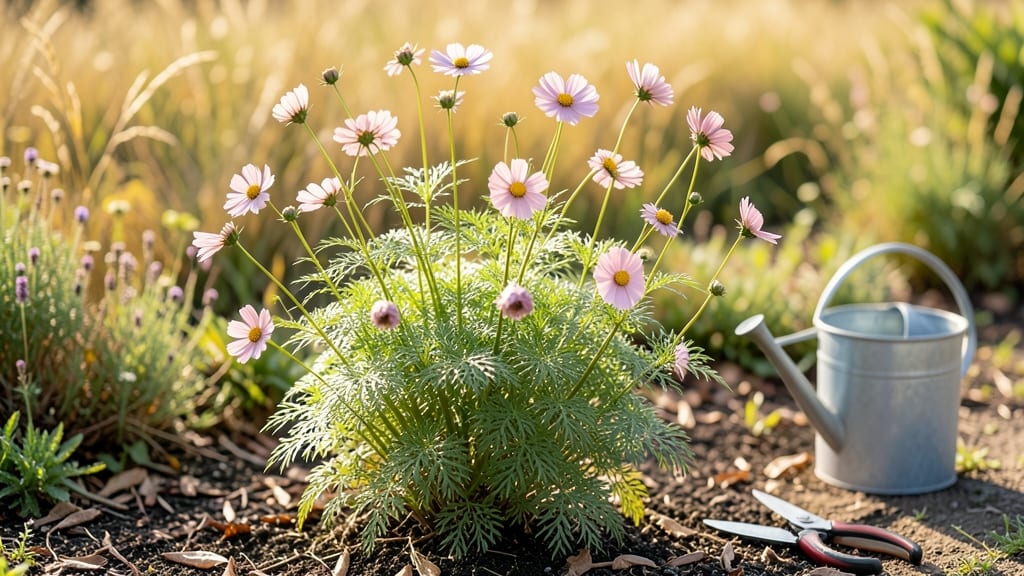
Pink cosmos flowers (Cosmos bipinnatus) are the effortless superstars of summer gardens—bold, airy blooms that dance in the breeze while thriving in the Pacific Northwest’s bright but unpredictable sun.
I’ve grown them for years, and they never fail to deliver that shockingly lush, almost wild beauty without the fuss. The secret lies in their adaptability: they bounce back from heatwaves, tolerate poor soil, and still produce those signature pink pom-poms from July until frost.
Here’s the thing—cosmos don’t need perfect conditions. They’re happy in full sun to light shade, though they’ll reward you with the most blooms when they get at least 6 hours of direct sunlight daily.
My plants in Zone 7 (and yours, likely) perform best in well-draining soil—even that rocky or sandy ground you’ve been avoiding. Just avoid heavy clay, and you’re golden. And yes, I mean that literally: they’ll grow in containers, along fences, or mixed into borders without complaint.
What you’ll end up with is a cloud of fuzzy-textured blooms that attract butterflies and bees like magnets while keeping pests at bay. The stems stay sturdy enough for cutting, and they self-seed so reliably you’ll have volunteers popping up everywhere next year.
Even my black-thumb neighbors can’t kill these—just plant, forget, and enjoy the show.
We’ll cover spacing (hint: give them 12-18 inches between plants), watering (less is more), and how to keep them from getting leggy. Plus, I’ll share my trick for doubling the blooms with a simple pruning hack. Let’s get those seeds in the ground!
📚 In This Guide
- What you need
- Instructions
- Tips and common mistakes
- Wrapping up and next steps
What you need
- ● Pink cosmos seeds – Choose Cosmos bipinnatus (dwarf or tall varieties) for reliable blooms. Quantity: 10–20 seeds per plant (or pre-started seedlings if preferred).
- ● Well-draining potting mix – A blend of 60% peat moss, 30% perlite, and 10% compost works best for seedlings.
- ● Containers or seed trays – 3–4 inch pots (for seedlings) or seed-starting trays with drainage holes.
- ● Organic fertilizer – A balanced 10-10-10 or fish emulsion (diluted to half-strength) to boost growth.
- ● Watering can or spray bottle – For gentle hydration (avoid oversaturating seeds!).
- ● Garden soil (for transplanting) – Amend with compost to improve fertility and drainage.
- ● Gloves – To protect hands from soil and thorns (some varieties have delicate stems).
- ● Trowel or transplanting spade – For digging seed holes (¼ inch deep) or moving seedlings.
- ○ Mulch (optional but recommended) – Straw or shredded leaves to retain moisture and suppress weeds.
- ● Sunlight gauge – Cosmos thrive in full sun (6+ hours/day), so pick a south-facing spot!
- ○ Pruning shears (optional) – For deadheading spent blooms to encourage more flowers.
Step-by-step guide for planting and cultivating pink cosmos flowers
Here's how to grow vibrant pink cosmos blooms that thrive in the Pacific Northwest's unique climate.
🌱 Step 1: Choose the Right Location and Prepare the Soil
Pink cosmos flowers adore full sun—at least 6-8 hours daily—so select a spot that receives unobstructed sunlight, especially in the Pacific Northwest where cooler, cloudier days can limit flowering. Test your soil's drainage by digging a small hole and filling it with water; if it drains within 30 minutes, your soil is suitable. If not, amend with 2-3 inches of coarse sand or perlite to improve aeration.
Cosmos prefer well-draining, moderately fertile soil with a pH between 6.0 and 7.0. Work in 2-3 inches of compost into the top 6 inches of soil to provide essential nutrients without overwhelming the plants. Avoid heavy clay soils, which can suffocate roots and lead to rot. If your soil is sandy, mix in 1 inch of organic matter like peat moss or well-rotted manure to retain moisture.
☀️ Step 2: Plant Seeds at the Correct Depth and Spacing
Direct-sow seeds in early spring, 2-3 weeks after the last frost date, when soil temperatures reach at least 55°F. Scatter seeds ¼ inch deep—cosmos seeds are tiny, so avoid pressing them too firmly into the soil. Space seeds 12-18 inches apart for single-stemmed varieties or 18-24 inches apart for bushier types. Thin seedlings to the recommended spacing once they reach 2-3 inches tall to prevent overcrowding and disease.
Water gently after planting to settle the soil around the seeds, but avoid soaking the area. Keep the soil evenly moist but not soggy until germination, which typically occurs in 7-14 days. If you're planting in late spring or summer, water deeply once or twice weekly to encourage strong root development before the first flush of blooms.
💧 Step 3: Maintain Moisture and Fertility for Continuous Blooms
Once seedlings emerge, reduce watering slightly to once weekly, allowing the top 1-2 inches of soil to dry out between waterings. Overwatering can lead to powdery mildew, a common issue with cosmos in humid Pacific Northwest summers. Water at the base of the plant in the early morning to minimize fungal risks and maximize absorption.
Feed plants with a balanced, water-soluble fertilizer (10-10-10) every 4-6 weeks during the growing season. Alternatively, use a slow-release granular fertilizer at planting time for steady nutrition. Avoid high-nitrogen fertilizers, which promote leafy growth at the expense of flowers. Deadhead spent blooms by snipping them back to the nearest set of leaves to encourage continuous flowering throughout the season.
✂️ Step 4: Prune and Support for Long-Stemmed Blooms
Pinch back the tips of young stems when they reach 6-8 inches tall to promote bushier growth and more abundant blooms. This step is optional but highly effective for creating a fuller plant. Avoid heavy pruning once flowers appear, as cosmos rely on current growth for blooms. If stems become leggy or flop over—common in tall varieties—insert bamboo stakes or small cages near the base for support.
Harvest blooms in the early morning when they're fully open but still firm for the longest vase life. Cut stems at a 45-degree angle just above a leaf node to encourage branching. Leave some flowers on the plant to allow for self-seeding, which ensures cosmos return year after year in perennial garden beds. In colder Pacific Northwest regions, mulch the base with 2-3 inches of straw or shredded leaves in late fall to protect roots from freezing.
Tips & tricks for perfect pink cosmos blooms
These insider tricks will help you coax the most vibrant pink cosmos blooms from your Pacific Northwest garden—without the common pitfalls.
Location and Sunlight Strategy: The 6-8 hours of full sun requirement is non-negotiable, but here's the secret: in cloudy Pacific Northwest summers, supplement with a reflective surface like white gravel or a light-colored wall to bounce extra sunlight onto your cosmos. I've seen blooms double in size when planted near south-facing reflective surfaces. Also, test your soil drainage thoroughly—if water pools after 30 minutes, you're risking root rot that can kill your plants before they flower.
Timing Secret for Germination: Those 7-14 days for germination can feel like an eternity, but here's what I've learned: keep seeds consistently moist (not soggy) using a spray bottle rather than overhead watering. This prevents soil compaction that can smother tiny seedlings. I've found that covering newly planted seeds with a thin layer of vermiculite helps retain moisture while still allowing light penetration—this cuts germination time by about 3 days in our cooler climate.
Watering Wisdom: The once-weekly watering after seedlings emerge might seem counterintuitive in our damp climate, but this prevents powdery mildew that thrives in humid conditions. Water at the base in early morning to give foliage time to dry completely before evening humidity sets in. I've had to rescue multiple batches of cosmos from mildew by switching to this method—don't make my mistake.
Fertilizer Fine-Tuning: When using that balanced 10-10-10 fertilizer every 4-6 weeks, here's the pro move: mix it with water and apply directly to the soil surface rather than spraying on leaves. This prevents fertilizer burn on delicate cosmos foliage. For even better results, I've started using a fish emulsion fertilizer during flowering—it gives a subtle boost to bloom production without overwhelming the plants.
Pro Tips for Pink Cosmos Flower
- These insider tricks will help you coax the most vibrant pink cosmos blooms from your Pacific Northwest garden—without the common pitfalls.
- I've seen blooms double in size when planted near south-facing reflective surfaces.
- Timing Secret for Germination: Those 7-14 days for germination can feel like an eternity, but here's what I've learned: keep seeds consistently moist (not soggy) using a spray bottle rather than overhead watering.
Frequently asked questions
Got questions about growing and caring for pink cosmos flowers? You’re not alone! These vibrant blooms are easy to love but require a little know-how to thrive—especially in the Pacific Northwest’s unique climate. Below, we’ve answered the most common questions to help you cultivate a stunning display of pink cosmos without the guesswork.
How do I encourage my pink cosmos to bloom longer?
Pink cosmos love full sun (6+ hours daily) and well-draining soil. Deadhead spent blooms regularly to redirect energy to new flowers. In cooler PNW summers, mulch around the base to retain warmth. Avoid over-fertilizing—these beauties thrive in lean soil!
When is the best time to plant pink cosmos in the Pacific Northwest?
Start seeds indoors 6–8 weeks before your last frost (typically late March to early April in the PNW). For direct sowing, wait until soil temps reach at least 50°F (10°C), usually mid-April to May. They’re frost-tolerant but grow best in warm weather—patience pays off! →
Can pink cosmos grow in containers or do they need a garden bed?
Cosmos adapt well to containers, especially if the pot is at least 12 inches deep with drainage holes. Use a light, airy potting mix and place them in sunny spots (balconies, patios, or decks work great). Just ensure they get consistent watering—they hate soggy roots!
Are pink cosmos deer- or rabbit-resistant? Will they attract pollinators?
Yes! These flowers are deer- and rabbit-resistant thanks to their fuzzy stems and mild toxicity. Plus, they’re a pollinator magnet—butterflies, bees, and hummingbirds adore them. Plant them near veggie gardens to boost biodiversity while keeping pests at bay!
What should I do if my pink cosmos leaves turn yellow or wilt?
Yellow leaves often signal overwatering or poor drainage. Let the soil dry between waterings—cosmos prefer drought-like conditions once established. Wilting can also mean root rot (check for mushy stems). Improve airflow, reduce water, and ensure pots/containers drain well.
Do pink cosmos come back every year, or are they annuals?
Pink cosmos are annuals in most of the PNW (they don’t survive winter). However, they self-seed aggressively—you’ll often find new sprouts popping up next season! Save seeds from your healthiest blooms for a free, low-maintenance garden next year.
Wrapping up and next steps
The pink cosmos flower is a vibrant, low-maintenance gem that brings joy and color to Pacific Northwest gardens—even in partial sun! With its cheerful blooms and resilience, it’s the perfect choice for beginners and seasoned gardeners alike.
Whether you’re planting for beauty, pollinators, or easy care, these flowers prove that stunning results don’t require a green thumb.
Ready to grow your own? Grab your seeds, pick a sunny spot, and let nature do the rest. Happy gardening! 🌸