
Tools
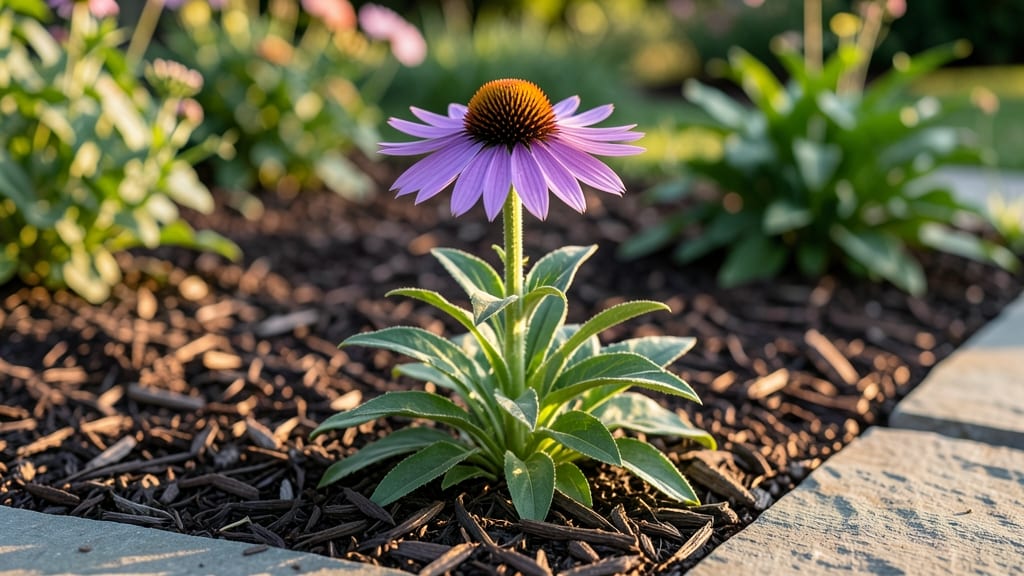
A perennial flower garden isn’t just a seasonal splash of color—it’s a living tapestry that rewards you with blooms from spring through frost, with minimal work.
I designed mine after years of fighting annuals that fizzled by July, and now it thrives on its own, drawing hummingbirds and butterflies while I sip coffee in the morning.
The secret lies in layering plants that bloom at different times, so something’s always in show—no dead zones, no replanting every year.
Start with a sunlight map of your space and group plants by their light needs—full sun lovers together, shade-tolerant varieties in dappled areas. My 5-by-8-foot border uses black-eyed Susans, coneflowers, and Russian sage for bold structure, with salvia and catmint spilling over edges for texture.
The key? Three seasons of interest: spring bulbs (like alliums) pop up first, summer perennials take over, and late-season grasses (like Little Bluestem) add winter drama. Even my black thumb can’t kill this combo.
You’ll end up with a garden that looks intentional, not like a grocery store display. The pollinators will thank you, your water bill will drop (once established), and you’ll spend half the time weeding compared to annuals.
My cottage-style patch now gets compliments year-round—neighbors ask how I “do it,” but it’s just smart layering and a little patience. The best part? After the first year, you’ll barely lift a shovel again.
Works for tiny urban patches or half-acre meadows—just scale the plants. Need a modern look? Swap the cottage charm for ornamental grasses and boxwood edges. Want fragrant blooms?
Add lavender and bee balm. The framework stays the same: low-maintenance perennials + thoughtful placement = effortless beauty. Let’s sketch your dream layout—it’s easier than you think.
📚 In This Guide
- What you need
- Instructions
- Tips and common mistakes
- Wrapping up and next steps
What you need
- ● Perennial plants: Choose a mix of 3–5 varieties (e.g., coneflowers, black-eyed Susans, daylilies, lavender, or hostas) for seasonal color. Aim for 5–10 plants per square foot for full coverage.
- ● High-quality soil: 1–2 cubic yards of amended garden soil (mix compost, peat moss, and perlite for drainage). Test soil pH (ideal: 6.0–7.0).
- ● Mulch: 2–3 inches of organic mulch (cedar, pine straw, or shredded bark) to retain moisture and suppress weeds.
- ● Garden gloves: 1–2 pairs (nitrile-coated for durability).
- ● Hand trowel: 1 medium-sized (6–8" blade) for planting and transplanting.
- ● Pruners: 1 bypass pruner (sharp, stainless steel) for clean cuts.
- ● Watering can or hose: 1–2 (with adjustable nozzle for gentle watering).
- ● Measuring tape: 1 (16+ feet) for spacing and layout.
- ● Stakes or labels: 50–100 (biodegradable or reusable) to track plant names and spacing.
- ● Soil test kit: 1 (DIY or lab-tested) to check nutrient levels before planting.
- ● Compost: 1–2 bags for enriching soil post-planting.
- ● Drip irrigation system: 1 basic kit to automate watering (saves time!).
- ● Knee pads: 1–2 for comfort during long planting sessions.
- ● Edging tools: 1–2 (metal or plastic) to define garden borders neatly.
- ● Plant food: 1 slow-release granular fertilizer (e.g., 10-10-10) for seasonal boosts.
- ● Bird/butterfly feeders: 1–2 to attract pollinators and add life to your garden! 🦋
How to design a thriving perennial flower garden
Here's the approach I've perfected over years of designing gardens that bloom reliably with minimal fuss.
Choose the Perfect Site With Sunlight in Mind
Perennials thrive where they get the right amount of sunlight each day. Most need 6 hours of direct sun for strong blooms, though some shade-tolerant varieties like asters and hostas only need 4-6 hours. Observe your garden throughout the day—morning sun behaves differently than afternoon heat.
Mark the sunniest and shadiest spots with stakes. Avoid low-lying areas where cold air collects in winter, as many perennials struggle with frost damage. The ideal spot has good air circulation to prevent fungal diseases while still protecting plants from harsh winds.
Prepare the Soil for Long-Term Health
Perennials live for years, so soil quality matters more than with annuals. Work in 2-3 inches of compost to improve drainage and fertility without compacting the soil. I like to mix in a slow-release organic fertilizer at planting time to give roots a steady nutrient supply.
Test your soil's pH—most perennials prefer 6.0 to 7.0. If your soil is too acidic, add lime; if alkaline, use sulfur. Amend heavy clay by mixing in sand or perlite to create a looser texture that roots can penetrate easily.
Select Plants for Seasonal Interest
Layer plants by height and bloom time to ensure color from early spring through late fall. Start with 3-5 anchor plants like coneflowers or black-eyed Susans that provide structure, then fill in with mid-height bloomers like daylilies and low-growing ground covers like creeping thyme.
Choose varieties native to your region—they'll need less water and care. Group plants with similar water needs together to simplify maintenance. I always include at least one late-season bloomer like asters to keep the garden lively when summer flowers fade.
Plant Correctly for First-Year Success
Dig holes twice as wide as the root ball but only as deep. Loosen roots gently if they're circling or bound. Place the plant so the top of the root ball sits just below soil level—burying too deeply can suffocate stems, while planting too high leaves roots exposed.
Water deeply after planting to eliminate air pockets. Mulch with 2-3 inches of organic material like shredded bark or straw, keeping it 2 inches away from stems to prevent rot. This conserves moisture and suppresses weeds while the plants establish.
Establish a Maintenance Routine
Water newly planted perennials deeply once a week during the first growing season, more often in extreme heat. After establishment, most perennials only need water during prolonged dry spells. I check soil moisture by sticking my finger 2 inches deep—if it's dry, it's time to water.
Deadhead spent blooms regularly to encourage more flowers and prevent self-seeding where you don't want it. Cut back woody stems in early spring to make room for new growth. Divide crowded clumps every 3-5 years to maintain vigor and prevent overcrowding.
Tips & tricks for perfect perennial flower gardens
Creating a perennial garden that thrives year after year requires attention to details most gardeners overlook. Here's what I've learned after years of designing low-maintenance landscapes that burst with color.
Sunlight Strategy: When mapping your garden's sunlight exposure in Step 1, consider using a simple app or even a whiteboard to track sun patterns for a full week. Morning sun (before 10 AM) is gentler than afternoon heat, so position sun-loving perennials like coneflowers to receive those morning rays while protecting them from intense afternoon sun if needed. This subtle adjustment can double your bloom production by preventing heat stress.
Soil Science: The 2-3 inches of compost recommended in Step 2 should be worked into the top 6-8 inches of soil, not just the surface. Think of it like building a foundation—roots need loose, nutrient-rich soil to establish deeply. I often add a handful of worm castings to the planting hole for an extra boost of microbial activity that helps roots establish faster. This small addition makes a noticeable difference in first-year survival rates.
Plant Layering: For the 3-5 anchor plants mentioned in Step 3, I recommend selecting varieties with different bloom times—like early spring bloomers such as bleeding heart alongside summer coneflowers and fall asters. This creates a continuous color show while also providing visual interest through varying foliage textures. The key is to stagger heights by at least 6 inches between layers to prevent taller plants from shading out their shorter neighbors.
Planting Precision: When following Step 4's instructions about planting depth, use a small stick or pencil as a reference marker for the root ball's original soil level. This visual guide helps you position each plant perfectly, avoiding the common mistake of burying stems too deeply. I've seen many gardens fail because of this simple oversight—proper depth is crucial for preventing rot while allowing stems to emerge cleanly.
Pro Tips for Perennial Flower Garden
- Creating a perennial garden that thrives year after year requires attention to details most gardeners overlook.
- Sunlight Strategy: When mapping your garden's sunlight exposure in Step 1, consider using a simple app or even a whiteboard to track sun patterns for a full week.
- Soil Science: The 2-3 inches of compost recommended in Step 2 should be worked into the top 6-8 inches of soil, not just the surface.
Frequently asked questions
Got questions about creating a stunning perennial flower garden? You’re not alone! Here are some of the most common queries—plus straightforward answers to help you get started (and keep blooms thriving).
What’s the best time of year to plant perennials?
For most regions, early spring or early fall are ideal—when soil is workable but not scorching. Cool temps help roots establish before summer heat or winter dormancy. Avoid planting in extreme heat or frost, as stress can stunt growth. Pro tip: Check your USDA hardiness zone for local timing!
How much water do perennials really need?
Newly planted perennials need 1–1.5 inches of water weekly (deep watering 2–3 times per week). Once established (after 1–2 years), most perennials tolerate drought better. Mulch (2–3 inches) retains moisture and reduces weeds—just avoid piling it against stems.
Are perennials pest- and disease-free?
No garden is pest-proof, but perennials are generally low-maintenance compared to annuals. Common issues include aphids, powdery mildew, or deer nibbling. Preventative tips: Space plants for airflow, remove spent blooms, and use organic neem oil for pests. Deer-resistant picks: Coneflowers, lavender, or Russian sage!
Can I mix perennials with vegetables or herbs?
Companion planting
works beautifully—perennials like thyme, lavender, or marigolds deter pests and attract pollinators. Avoid aggressive spreaders (e.g., mint) near veggies. Winning combos: Try rosemary with tomatoes or nasturtiums with cucumbers for a fragrant, productive garden.
What do I do if my perennials don’t bloom?
Lack of blooms often stems from over-fertilizing (too much nitrogen), poor sunlight, or deadheading neglect. Troubleshoot:
- Check sunlight needs—most perennials crave 6+ hours of sun.
- Deadhead spent blooms to encourage reblooming.
- Use a balanced fertilizer (5-10-10) in early spring.
Wrapping up and next steps
Creating a perennial flower garden is a rewarding way to enjoy year-round color with minimal effort—once established, these plants thrive with less fuss than annuals. The key lies in selecting the right climate-appropriate perennials, planning for sunlight and soil needs, and embracing seasonal transitions.
Whether you’re a beginner or a seasoned gardener, this low-maintenance approach lets you relax and admire your blooms instead of constantly replanting.
Ready to transform your space? Start small—pick 3-5 perennials that suit your zone and soil, then expand as you gain confidence. Grab your gloves, sketch a rough layout, and get planting! Your future self (and pollinators!) will thank you. 🌸