
Flowers
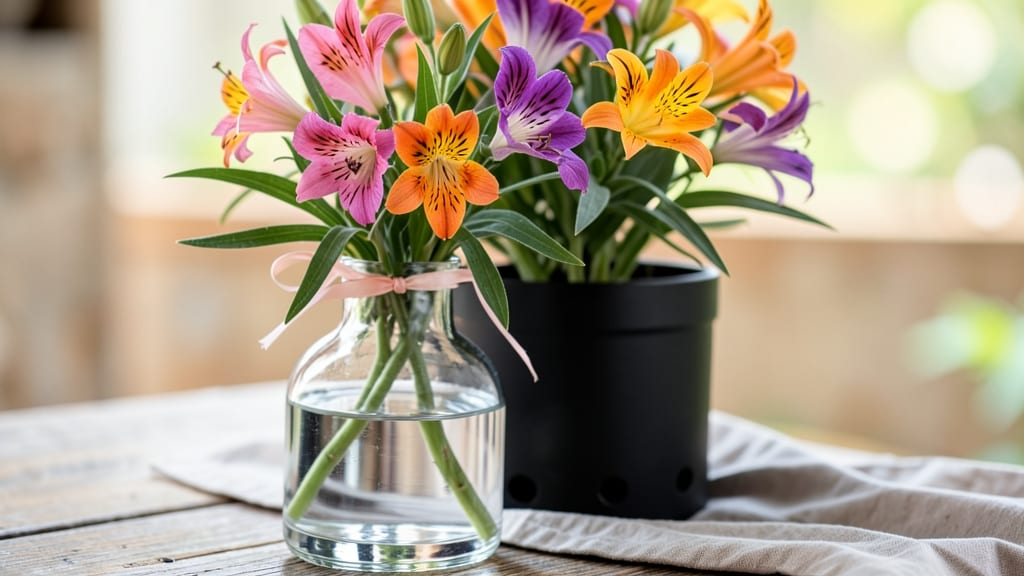
Get well flowers after surgery can transform a recovery room into a sanctuary of soft colors and gentle scents—but only if you care for them right. 🌸 I’ve learned the hard way that hospital flowers need special attention: too much sun wilts them in hours, and dry air makes them crisp faster than you’d think.
The key is treating them like delicate patients themselves—hydration first, then light, and always a watchful eye for stress.
Start with flowers that thrive in low light and moderate humidity, like peace lilies or cymbidium orchids, which tolerate indoor conditions better than roses or lilies.
Grab a clean vase, fresh water, and a few drops of floral preservative—it’s the difference between a bouquet that lasts a week and one that fades in days. Keep them away from heating vents or direct sunlight, and mist the leaves lightly every other day to mimic natural humidity.
You’ll notice the difference within 24 hours: petals stay vibrant, stems stay firm, and the scent lingers like a quiet reminder that healing takes time.
The right care turns a simple bouquet into a stress-relieving companion—softening hospital walls with color and life. Even small adjustments make all the difference.
Whether the patient is recovering from surgery or just needs a lift, these flowers become part of the healing process. The goal isn’t perfection—it’s making sure every bloom stays fresh long enough to bring comfort. Small steps, big impact.
📚 In This Guide
- What you need
- Instructions
- Tips and common mistakes
- Wrapping up and next steps
What you need
- ● Fresh flowers: Choose soft, delicate blooms like roses, lilies, or sunflowers (avoid strong scents like lilies if allergies are a concern). Quantity: 1-2 dozen stems, depending on the bouquet size.
- ● Floral preservative: A small bottle (4-8 oz) to extend freshness. Look for brands like Floralife or Chrysal.
- ● Scissors or floral shears: Sharp, clean pair to trim stems at a 45-degree angle.
- ● Vase or container: A clear glass vase (12-18 inches tall) or a decorative bowl with a wide opening.
- ● Water: Filtered or room-temperature water (avoid tap water with high chlorine).
- ● Ribbon or wrapping paper: Neutral-colored (white, soft pink, or sage green) for a soothing touch.
- ● Greenery fillers: Baby’s breath, eucalyptus, or ferns for texture (avoid anything prickly).
- ● Handwritten note: A small card with a uplifting message or recovery wishes.
- ● Scented candles or essential oils: Lavender or chamomile for a calming atmosphere (ensure no allergies!).
- ● Disposable gloves: For handling flowers if you have sensitivities.
How to create healing bouquets for post-surgery recovery
Brighten someone's recovery with flowers that soothe the soul—and follow these simple steps.
🌿 Step 1: Choose Flowers That Promote Calm and Healing
Soft, fragrant blooms like sunflowers, lilacs, and roses create a peaceful atmosphere. Avoid strong scents like lilies (they can trigger allergies) or heavy arrangements that might feel overwhelming in a recovery space. I always opt for pastel hues—pinks, blues, and whites—to evoke serenity.
Look for fresh, fully open blooms with vibrant petals. Avoid wilted or drooping flowers, as they can signal stress or poor quality. A few stems of eucalyptus or lavender add a subtle, soothing fragrance without being overpowering.
🪴 Step 2: Select a Simple, Low-Maintenance Vase
Skip the heavy, ornate vases—recovery rooms need practicality. A clear glass vase lets the bouquet shine while making it easy to check water levels. I like shallow, wide vases because they hold more flowers and distribute water evenly to all stems.
Clean the vase thoroughly with vinegar and water before arranging. This prevents bacteria buildup, which can shorten the bouquet’s life. A 4-6 inch diameter vase works well for a 4-stem bouquet, balancing stability and elegance.
☀️ Step 3: Trim Stems and Hydrate for Longevity
Cut stems at a 45-degree angle about 2 inches from the base using sharp scissors or pruners. This increases water absorption and prevents air bubbles from blocking the stem. Remove any leaves that will sit below the waterline—they’ll rot and cloud the water.
Fill the vase with lukewarm water (not cold) and add a flower food packet if available. Change the water every 2-3 days to keep stems fresh. Place the bouquet in a spot with indirect light—direct sun can cause petals to wilt faster.
✂️ Step 4: Arrange for Balance and Comfort
Start with the tallest stems in the center, fanning them outward like spokes on a wheel. Add mid-height flowers next, then fill gaps with smaller blooms and foliage. The goal is a natural, full look that doesn’t feel top-heavy or lopsided.
Step back often to check the arrangement. The bouquet should feel inviting, not cluttered. For a recovery setting, I avoid dense clusters—space the stems so air can circulate, keeping the flowers fresh longer.
💧 Step 5: Maintain the Bouquet for Days of Cheer
Check water levels daily and top off as needed. Wilted petals? Snip the stem again at a fresh angle and place the bouquet in fresh water for a few hours. A spritz of water on the petals in the morning revives drooping blooms instantly.
Remove any leaves that fall into the water to prevent bacteria. If the bouquet starts to fade after 5-7 days, it’s time to refresh with new stems. The key is consistency—small daily checks keep the flowers vibrant and the recovery space uplifting.
Tips & tricks for thoughtful healing bouquets
Creating a bouquet that truly aids recovery goes beyond just picking flowers—it's about intention and care. Here's how to elevate your thoughtful arrangement.
Flower Selection Wisdom: In Step 1, when choosing sunflowers or lilacs, opt for blooms that are just beginning to open. Fully open flowers wilt faster, while slightly budded ones will continue blooming for days. For extra healing benefits, include a few stems of chamomile—its gentle scent promotes relaxation. I always double-check that no stems have thorns near the vase area to prevent accidental pricks during recovery.
Vase Preparation Secret: Before arranging your bouquet in Step 2, give your clean vase a quick soak in a mix of 1 part white vinegar to 3 parts water for 10 minutes. This extra step removes any lingering bacteria that could shorten your bouquet's life. For a 4-stem arrangement, I like to add a few drops of bleach to the water (just a tiny splash!) to keep it crystal clear for the full 5-7 days—it's a game-changer for longevity.
Stem Care Technique: When trimming stems in Step 3, I've found that recutting them every 2-3 days (the same time you change water) gives them a fresh start. Place your bouquet in a sink with a few inches of water while you arrange—this keeps stems hydrated while you work. For extra hydration, I sometimes add a quarter teaspoon of sugar to the water to feed the flowers overnight.
Arrangement Psychology: In Step 4, when creating your wheel-like arrangement, leave some negative space around the stems. This isn't just about looks—it allows better air circulation, which is especially important in recovery spaces where air quality matters. I also like to place the tallest stems slightly off-center to create visual interest without overwhelming the viewer.
Pro Tips for Get Well Flowers After Surgery
- Creating a bouquet that truly aids recovery goes beyond just picking flowers—it's about intention and care.
- Flower Selection Wisdom: In Step 1, when choosing sunflowers or lilacs, opt for blooms that are just beginning to open.
- Vase Preparation Secret: Before arranging your bouquet in Step 2, give your clean vase a quick soak in a mix of 1 part white vinegar to 3 parts water for 10 minutes.
Frequently asked questions
When is the best time to send get-well flowers after surgery?
Timing depends on the surgery type, but generally, sending flowers within 24-48 hours is ideal. For minor procedures, a day or two later works too. Avoid sending them the day of surgery—hospitals often restrict fresh flowers in recovery rooms. Call ahead to check facility rules.
Are there flowers I should avoid sending to someone recovering from surgery?
Yes! Skip strong-scented blooms like lilies, tulips, or daffodils—they can trigger headaches or allergies. Opt for hypoallergenic, low-scent options like sunflowers, roses (in moderation), or orchids. Always check for latex allergies (e.g., avoid poinsettias or spathiphyllums).
Can I send get-well flowers directly to a hospital?
Most hospitals do accept flowers, but policies vary. Call the facility’s gift shop or nursing station first to confirm. Some may require pre-approved arrangements or limit delivery to certain areas. If unsure, send to the patient’s home instead—just include a note like, “For when you’re settled in!”
What’s a thoughtful alternative if flowers aren’t allowed?
No problem! Try:
- Plants: Low-maintenance options like succulents, snake plants, or air plants (no pollen/scent).
- Gourmet baskets: Pair with tea, honey, or dark chocolate for a cozy touch.
- Handwritten cards: A heartfelt note with a small potted herb (e.g., basil or mint) adds warmth.
- Digital gifts: E-books, streaming subscriptions, or a “recovery playlist” link.
What if the flowers arrive wilted or damaged?
Unfortunately, this can happen! If flowers arrive poorly preserved, contact the florist immediately—they may replace them. To prevent issues:
- Choose sealed, vacuum-packed arrangements for longevity.
- Ask for preservative-treated blooms (lasts 7–10 days).
- Specify “hospital-grade” arrangements if delivering to a facility.
Wrapping up and next steps
Sending get well flowers after surgery is a heartfelt way to show your support and brighten someone’s recovery journey. Whether you choose vibrant blooms, calming greenery, or a handcrafted arrangement, the thought behind it speaks volumes. 💐
Now that you’re equipped with ideas and tips, take the next step: visit a local florist or order online to create a meaningful bouquet. Your gesture will remind your loved one that they’re cared for—and healing is happening, one petal at a time.