Succulent
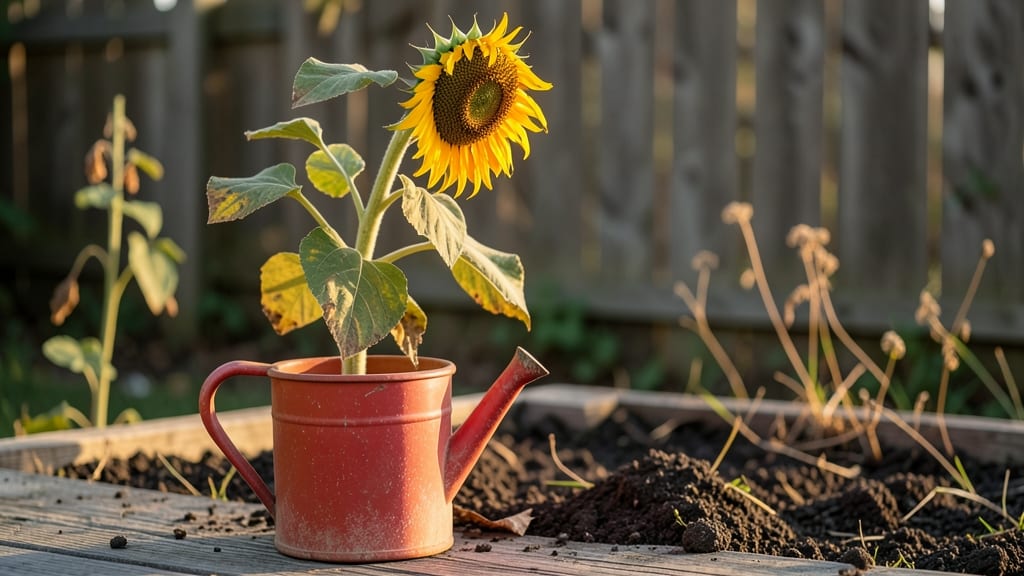
Reviving a drought-stressed sunflower starts with recognizing the signs—crispy leaf edges, wilting stems, or flowers that refuse to open. 🌻 I’ve brought back more sunflowers than I’d like to admit, and the key is acting fast before the roots give up completely.
The good news? Sunflowers are tougher than they look, and with the right care, they bounce back in days.
First, check the soil: it should feel damp 1-2 inches down, not bone-dry or soggy. If it’s dry, water deeply at the base (not overhead) until moisture reaches 6 inches—this encourages deep root growth.
If pests like aphids are sucking the life out of leaves, blast them off with water or use neem oil. Yellow leaves? That’s often nitrogen deficiency, so add a balanced fertilizer or compost tea.
Within 24-48 hours, you’ll see the first signs of recovery: perky stems, new leaf growth, and buds that finally unfurl. The secret is consistency—keep the soil evenly moist (not soggy) and watch for pests. Sunflowers are resilient, but they need your help to shake off the stress.
This method works for sunflowers in pots or the ground, whether they’re 3 feet tall or just sprouting. Once they’re back in full bloom, they’ll reward you with those iconic golden faces all summer long. Let’s get those plants thriving again!
📚 In This Guide
- What you need
- Instructions
- Tips and common mistakes
- Wrapping up and next steps
What you need
- ● Watering can or hose – A gentle spray nozzle or drip irrigation works best to avoid shocking the plant.
- ● Well-draining potting mix – If repotting, use a blend with perlite or sand (e.g., 60% garden soil, 30% compost, 10% perlite).
- ● Pruning shears or scissors – Sterilized tools to trim dead or damaged leaves/stems.
- ● Fertilizer (balanced or low-nitrogen) – Look for a 10-10-10 or 5-5-5 NPK ratio (e.g., Miracle-Gro All-Purpose).
- ● Mulch (straw, wood chips, or shredded leaves) – 2–3 inches to retain moisture.
- ○ Shade cloth (optional but helpful) – Lightweight fabric (30–50% shade) to protect from direct sun during recovery.
- ● Gloves – Protect your hands from thorns and soil.
- ● pH test kit – Ideal soil pH for sunflowers: 6.0–7.5.
- ○ Epsom salt (magnesium sulfate) – 1 tbsp per gallon of water for yellowing leaves (optional but effective).
- ● Root stimulator (e.g., Rootone) – Helps encourage regrowth if repotting.
- ● Plant support (stake or cage) – If the stem is weak, a 3–4 ft stake keeps it upright.
Step-by-Step instructions for reviving drought-stressed sunflowers
Here's how to nurse your sunflowers back to health—no fancy tools needed.
💧 Step 1: Deep Water at the Base Immediately
Stop watering lightly from above—sunflowers need a thorough soak to break through drought stress. Use a watering can or hose with a gentle stream to deliver 1-2 gallons per plant directly at the soil base. Water until you see moisture seep 6-8 inches deep—this ensures roots rehydrate fully.
Here's the thing—sunflowers wilt dramatically when thirsty, but they bounce back fast once hydrated. Watch for the stems to straighten within 2-4 hours after watering. If they don't, the plant may need more time or additional care. Avoid watering leaves to prevent fungal issues.
☀️ Step 2: Provide Partial Shade and Monitor Light
Move your sunflowers to partial shade (morning sun only) for 3-5 days to reduce stress. Direct afternoon sun while plants are still recovering can scorch leaves. If you can't relocate them, create shade with a light cloth or sheet—just don't block all light completely.
You'll notice new leaves emerging within 24-48 hours if the plant is recovering well. These leaves will be smaller at first but will grow stronger as the plant stabilizes. Keep an eye out for crispy leaf edges—this means the plant is still too dry and needs another deep watering.
🌱 Step 3: Fertilize Lightly and Support Weak Stems
After 3 days of recovery, apply a balanced liquid fertilizer (like 10-10-10) diluted to half strength. Focus on the soil around the roots—never on the leaves. This gives your sunflower a gentle nutrient boost without overwhelming it. I like to fertilize in the early morning so the plant has time to absorb nutrients before the heat of the day.
If the stems are weak or bent from wilting, prop them up with a soft stake or bamboo stick tied loosely with twine. Sunflowers grow fast, so check supports every 2-3 days and adjust as the plant grows taller. Avoid tying too tightly—you want to guide growth, not restrict it.
⏰ Step 4: Gradually Reintroduce Full Sun
After 5-7 days of recovery, slowly reintroduce full sun by moving the plants to a spot with morning sun and afternoon shade for another 2-3 days. This helps the plant adjust without shock. Once the leaves are fully green and stems are firm, you can return them to their original sunny location.
Real talk: Some sunflowers may not fully recover if drought stress was severe or lasted too long. But if you see new growth and the plant starts reaching for the sky again, you’ve got a winner. Keep an eye on the soil moisture—now that you’ve revived it, maintaining consistent watering will keep it thriving.
Tips & tricks for perfect sunflower recovery
Between us, these small adjustments can make all the difference when bringing your sunflowers back from drought stress.
Watering Technique: The key in Step 1 is delivering water slowly at the base—don't just dump gallons all at once. I use a gentle hose stream or watering can with a narrow spout to direct water right at the soil. This prevents runoff and ensures moisture penetrates those critical 6-8 inches. If your soil is very dry, you might need to water twice in quick succession to achieve the full depth.
Shade Strategy: When moving to partial shade in Step 2, think of it like sun protection for sunburned skin. If you can't relocate plants, drape a sheer white cloth over them—it filters light while still allowing airflow. Watch for condensation on the undersides of leaves; if it's heavy, you're blocking too much light. The goal is to reduce stress without starving the plant completely.
Fertilizer Timing: That 3-day wait before fertilizing in Step 3 isn't arbitrary—it gives the plant time to recover its root function. I've learned the hard way that fertilizing too soon can burn stressed roots. When you do apply it, water the soil thoroughly first to help distribute the nutrients evenly. Early morning application gives the plant's roots the whole day to absorb nutrients before evening heat sets in.
Sun Reintroduction: The gradual transition in Step 4 is where most people rush and end up with setbacks. I recommend moving plants just a few feet closer to full sun each day rather than all at once. You'll know you're doing it right when you see the leaves perk up and darken slightly—this indicates they're adjusting well to increased light.
Pro Tips for Revive Sunflower
- Between us, these small adjustments can make all the difference when bringing your sunflowers back from drought stress.
- Watering Technique: The key in Step 1 is delivering water slowly at the base—don't just dump gallons all at once. I u...
- Shade Strategy: When moving to partial shade in Step 2, think of it like sun protection for sunburned skin. If you ca...
Frequently asked questions
about reviving sunflower plants—because even the hardiest blooms need a little TLC!Can I revive a sunflower that’s completely wilted and brown?
Yes, but act fast! If the stems are still firm (not mushy), prune the damaged parts, water deeply, and move it to shade. If the roots are intact, new growth may sprout in 1–2 weeks. Pro tip: Avoid overwatering—root rot can finish the job!
How long does it take for a sunflower to revive after drought stress?
Recovery time varies: mild stress (droopy leaves) may bounce back in 3–7 days with proper care. Severe cases (brown stems) could take 2–4 weeks or more. Patience is key—sunflowers are resilient once they get moisture and shade!
What if my sunflower’s leaves turn yellow after watering?
Yellowing leaves often signal overwatering or nutrient deficiency. Let the soil dry slightly between waterings and amend with compost. If yellowing persists, check for pests (like aphids) or fungal issues—neem oil can help!
Should I cut back dead sunflower heads to encourage regrowth?
Yes! Trim dead flower heads just above a leaf node to redirect energy to new growth. Avoid cutting into woody stems—focus on healthy green sections. This pruning also improves airflow, reducing disease risk.
Can I revive sunflowers in extreme heat (100°F+)?
Extreme heat stresses plants, but sunflowers can recover if you: 1) water deeply at dawn/dusk, 2) mulch heavily, and 3) provide afternoon shade. Avoid fertilizing—it burns roots in heat. Monitor closely for wilting.
Wrapping up and next steps
Reviving a drought-stressed sunflower is totally doable with the right care—just water, patience, and a little TLC! 🌱 By adjusting your watering routine, trimming damaged foliage, and ensuring proper drainage, you’ll give your plant the best shot at bouncing back stronger than ever.
Don’t forget, even the toughest sunflowers need time to recover, so stay consistent and observe progress.
Ready to see those golden blooms return? Start today—check your sunflower’s soil moisture, adjust your care routine, and watch it thrive! 🌞 For extra help, share your progress with fellow gardeners or explore more sunflower care tips.