
Shrubs
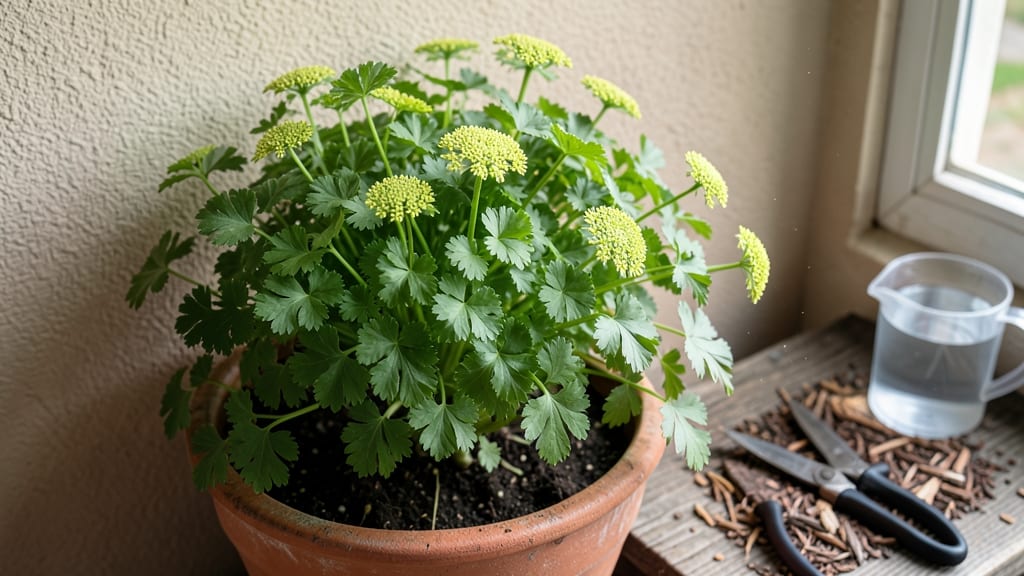
When parsley starts flowering, that delicate leafy crown turns into a seed stalk—and your flavorful harvest disappears. 🌿 I’ve watched my kitchen garden go from crisp, bright parsley to bitter stems in just weeks, but I’ve also learned how to bring it back.
The key is acting fast: snipping those flower buds before they set seed, adjusting water, and giving the plant a little shade relief.
Flowering happens when parsley senses stress—too much heat, not enough water, or simply reaching maturity. The good news? You can still salvage it. Harvest leaves aggressively before the flowers fully open, and trim back any flower stalks at the base.
This encourages new leaf growth, though you’ll sacrifice some of the plant’s energy for regrowth.
What you’ll end up with is a revived parsley plant—not as lush as before, but still producing flavorful leaves for months. The regrowth won’t be as vigorous, but with consistent care, you’ll get a second harvest. Just avoid letting it flower again, or you’ll be back to square one.
If the plant is small or struggling, consider replacing it entirely—sometimes it’s easier to start fresh than to nurse a weakened parsley back to life. But if you act quickly, you can save your parsley and keep the kitchen garden stocked with fresh, flavorful leaves.
📚 In This Guide
- What you need
- Instructions
- Tips and common mistakes
- Wrapping up and next steps
What you need
- ● Parsley plant(s) – 1-3 mature plants (flat-leaf or curly varieties work best). Ensure they’re healthy but have already started flowering.
- ● Pruning shears – Sharp, clean shears (bypass or anvil type) to trim stems without crushing.
- ● Garden gloves – A pair of lightweight, breathable gloves to protect your hands from thorns and soil.
- ● Well-draining potting mix – 2-3 gallons of organic, peat-free mix (or repurpose existing soil from the parsley’s pot).
- ● Watering can or hose – With a gentle spray nozzle for even moisture distribution.
- ● Fertilizer – A balanced, water-soluble fertilizer (10-10-10 or 20-20-20 ratio) or organic options like compost tea or fish emulsion.
- ○ Rooting hormone – Optional for propagating cuttings (gel or powder form).
- ● Small pots or trays – 4-6 inch pots for propagating cuttings before transplanting.
- ● Mulch – Straw or shredded leaves to retain soil moisture and suppress weeds.
- ● pH testing kit – To check soil pH (ideal range: 6.0–7.0 for parsley).
- ● Spray bottle – For misting cuttings if propagating indoors.
Step-by-Step guide to reviving parsley after flowering
Here's how to coax fresh flavor back into your parsley once those pretty white or yellow blooms appear.
🌿 Step 1: Identify and Remove Flower Stems Immediately
As soon as you spot flower buds forming, snip them off at the base with clean scissors. This might seem counterintuitive—after all, flowers mean the plant is healthy—but parsley redirects all its energy into seed production once flowering begins. The moment you see those tiny buds, your plant's focus shifts from leaf production to making seeds, and flavor fades fast.
Use sharp pruning shears to cut just above a set of leaves. This encourages new growth from that leaf node. I always check my parsley every 3-4 days during warm months—those flower stalks sneak up fast, especially in hot weather. The sooner you remove them, the more leafy growth you'll get back.
✂️ Step 2: Prune Back Overgrown Growth for Renewal
After removing flower stems, give your parsley a light haircut all over. Cut back about one-third of the plant's height, focusing on leggy stems and any woody growth at the base. This might sound drastic, but parsley responds beautifully to pruning—it triggers fresh, tender shoots to emerge from the base.
Use clean scissors to make angled cuts just above leaf nodes. Avoid cutting into old, brown stems—they won't regrow. Water the plant well after pruning to help it recover. You'll notice new growth appearing within 7-10 days, with fresh, flavorful leaves emerging from the base rather than the tips.
💧 Step 3: Adjust Watering and Fertilizing for Recovery
Flowering parsley often needs a watering adjustment. If the soil feels bone-dry between waterings, your plant is stressed and more likely to bolt. Water deeply once a week, letting the top 2 inches of soil dry out between waterings. Overwatering can cause root rot, which will kill your plant before it has a chance to recover.
Add a balanced, water-soluble fertilizer (like 10-10-10) at half-strength every 2-3 weeks during the growing season. This gives your parsley the nutrients it needs to bounce back. I like to fertilize right after pruning—it gives the plant a little boost to start producing new leaves. Avoid high-nitrogen fertilizers if your parsley is already leggy; they'll encourage more stem growth rather than leafy foliage.
☀️ Step 4: Provide Optimal Light and Temperature Conditions
Parsley thrives in partial shade, especially in hot climates where it bolts quickly. If your parsley is in full sun, move it to a spot with morning sun and afternoon shade. Too much direct sunlight accelerates flowering and reduces flavor. In containers, a north- or east-facing spot works best during summer.
Keep temperatures moderate—parsley prefers 60-70°F and struggles in extreme heat or cold. If you're in a hot climate, provide afternoon shade with a sheer curtain or shade cloth. You'll see the difference within a few weeks: leaves stay lush and green, and new growth emerges faster.
⏰ Step 5: Monitor and Maintain for Continuous Harvest
After reviving your parsley, keep an eye out for new flower buds. Regular harvesting is key—cut outer stems just above a set of leaves whenever they reach 4-6 inches tall. This encourages bushier growth and prevents the plant from bolting again. I harvest parsley every 2-3 weeks, and it keeps producing fresh leaves all season long.
If your parsley starts flowering again, repeat the process immediately. The more you prune and harvest, the more flavorful and productive your plant will be. With consistent care, you can enjoy fresh parsley for months, even after it's already bloomed.
Tips & tricks for reviving parsley after flowering
Don't let those pretty white blooms fool you—here's what actually works to bring back that vibrant parsley flavor.
Timing is Everything: Those flower buds appear faster than you think, especially in hot weather. I check my parsley every 3-4 days during spring and summer—set a reminder if you tend to forget! The moment you spot even the tiniest buds, snip them off immediately. Waiting just a day or two means your plant has already started diverting energy away from leaves to seed production, and you'll lose that bright, fresh flavor we all love.
Pruning Technique: When you're giving that one-third height trim in Step 2, focus on making clean cuts just above leaf nodes where new growth will emerge. I use a pair of sharp kitchen scissors for this—no need for fancy pruning shears. What nobody tells you is to avoid cutting into woody stems at the base; these won't regrow. Instead, target the healthier green stems about halfway up the plant where you'll see fresh shoots emerging within 7-10 days.
Watering Wisdom: The 2 inches of dry soil rule between waterings is perfect, but here's the secret: water deeply in the morning so the leaves have time to dry completely before evening. Wet foliage at night invites fungal problems, especially in humid climates. I've found that mulching around the base helps retain moisture while preventing soil-borne diseases that can stress your parsley further.
Light and Temperature: That 60-70°F range is ideal, but don't just take my word for it—feel your parsley's leaves. If they feel crispy at the edges, it's too hot; if they're mushy, it's too cold. In containers, I've had great success with a simple shade cloth draped over the pot during peak afternoon sun. This creates the perfect dappled light effect parsley loves without requiring you to move the plant constantly.
Pro Tips for Parsley Is Flowering
- Don't let those pretty white blooms fool you—here's what actually works to bring back that vibrant parsley flavor.
- Timing is Everything: Those flower buds appear faster than you think, especially in hot weather.
- Pruning Technique: When you're giving that one-third height trim in Step 2, focus on making clean cuts just above leaf nodes where new growth will emerge.
Frequently asked questions
Why does parsley flower, and does it ruin the plant?
Parsley flowers as a natural part of its lifecycle, signaling it’s ready to reproduce. While it won’t "ruin" the plant, flowering does shift its energy from leaf production to seed-making. This often leads to a decline in flavor and tenderness. If you’re growing parsley for culinary use, trimming the flowers can encourage more leafy growth. Pro tip: Harvest leaves before flowering for the best flavor!
How long does it take for parsley to flower after planting?
Parsley typically flowers 60–90 days after planting, depending on the variety (annual vs. biennial) and growing conditions. Biennial parsley (like curly or flat-leaf) often waits until its second year to flower, while annual varieties may bolt (flower) sooner, especially in hot weather. To delay flowering, keep plants well-watered and in partial shade during peak summer heat. Fun fact: Overcrowding can also speed up the process!
Can I still use parsley after it flowers?
Yes, but with a few caveats! Flowering parsley leaves may taste slightly bitter or less vibrant. However, they’re still edible—just trim the flowers to redirect energy back to the leaves. For the best flavor, harvest leaves before flowering. If you’re growing parsley for seeds (e.g., for next year’s garden), let some flowers remain. Bonus: Parsley flowers attract pollinators, making your garden even more vibrant!
What causes parsley to flower too early (bolting), and how can I prevent it?
Parsley bolts due to heat stress, drought, or poor soil conditions. To prevent early flowering:
- Keep soil consistently moist (but not soggy).
- Provide afternoon shade during hot summers.
- Avoid over-fertilizing with nitrogen (focus on balanced fertilizer).
- Harvest regularly to encourage new growth.
Are there parsley varieties that flower later or resist bolting?
Some parsley varieties are more bolt-resistant, especially those bred for culinary use. Look for:
- Biennial varieties (like ‘Italian Flat-Leaf’ or ‘Curly Parsley’), which often delay flowering until their second year.
- Heat-tolerant hybrids (e.g., ‘Mojito’ or ‘Dark Opal’), designed to handle warmer climates.
- Shade-tolerant types for areas with intense sunlight.
Wrapping up and next steps
Watching parsley flower can feel like a setback, but with the right care, you can restore its vibrant flavor and lush growth—and even enjoy its delicate blooms! Remember, pruning, proper watering, and nutrient-rich soil are your best allies.
Don’t let a few flowers discourage you; parsley is resilient, and with patience, it’ll bounce back stronger than ever.
Ready to give your parsley a second chance? Start by trimming those blooms today—your future salads (and your green thumb) will thank you! 🌱✨