
Landscaping
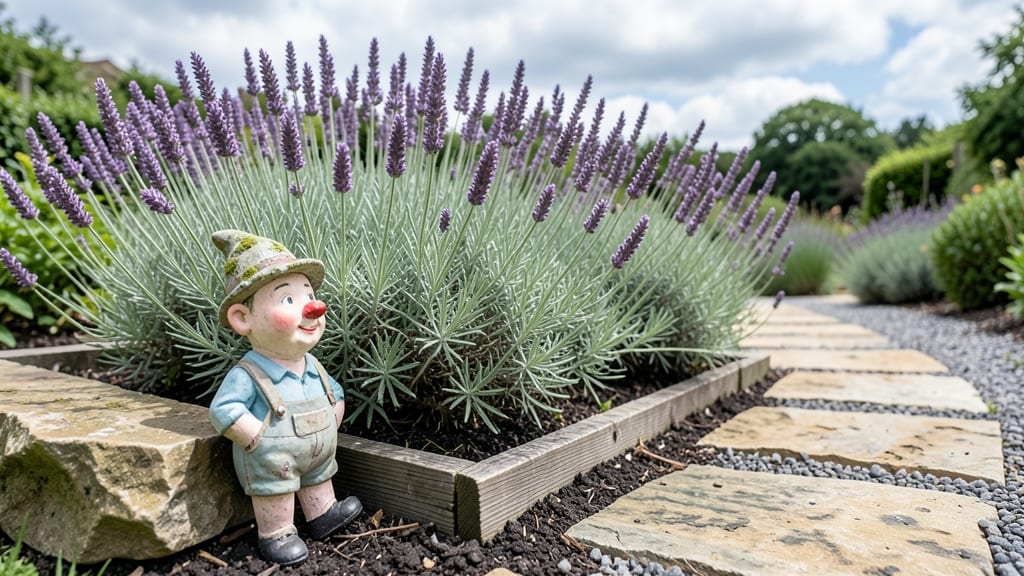
Your front yard flower garden could be the envy of the neighborhood with season-long color that requires almost no daily work—I’ve designed mine to bloom from spring’s first daffodils through frost-kissed mums, using plants that thrive together with minimal fuss.
The secret isn’t complicated: layer plants by height and bloom time, choose drought-tolerant varieties, and let native perennials do most of the heavy lifting. My front yard now gets compliments every time I walk out the door, and the best part? I spend about 10 minutes a week on maintenance.
Start with a sunny border (most flowers need at least 6 hours of light) and mix tall back plants like coneflowers or black-eyed Susans with mid-height bloomers such as salvia or phlox, topped with delicate annuals like sweet alyssum.
Color schemes don’t need to be fancy—just 3-4 complementary hues (think soft pinks with lavender and white) create instant harmony. I swapped my high-maintenance annuals for perennials like Russian sage and catmint, which come back every year and attract pollinators all season.
By mid-summer, your garden will burst with vibrant blooms that fade gracefully—no deadheading required. The key is textural contrast: pair velvety lamb’s ear with spiky ornamental grasses and glossy hosta leaves for a look that’s always interesting.
Even in winter, evergreen shrubs like boxwood or hellebores add structure, while seed heads from coneflowers catch snowflakes like tiny lace doilies. This design works for any yard size, from narrow city lots to spacious suburban plots.
Here’s the game-changer: mulch everything to cut down on weeds, water deeply but infrequently, and group plants with similar needs together. You’ll spend less time fussing and more time enjoying your garden—plus, your neighbors will keep asking for your “secret.” Ready to transform your curb appeal with minimal effort?
📚 In This Guide
- What you need
- Instructions
- Tips and common mistakes
- Wrapping up and next steps
What you need
- ● Flower bulbs/seeds: Choose seasonal varieties (e.g., tulips, daffodils, petunias, marigolds, or native wildflowers). Aim for 10–20 plants per square foot for full coverage.
- ● Soil amendments: Compost (1–2 bags, 40–60 lbs each) – improves drainage and nutrients.
- ● Mulch (2–3 cubic feet, shredded hardwood or pine) – retains moisture and suppresses weeds.
- ● Fertilizer: Slow-release granular (10–20 lbs) or organic options like bone meal or fish emulsion.
- ● Drip irrigation or hose: A soaker hose or drip system (50–100 ft of tubing) for efficient watering.
- ● Garden trowel – for planting small bulbs/seeds.
- ● Hand shovel – for digging deeper holes (if planting perennials).
- ● Pruners – sharp bypass pruners for trimming dead blooms.
- ● Garden gloves – a pair to protect your hands from thorns and dirt.
- ● Wheelbarrow or bucket – for hauling soil, mulch, or tools.
- ○ Measuring tape & string – to mark out garden beds (optional but helpful!).
- ● Decorative elements: Garden stakes, trellises, or solar-powered lights for ambiance.
- ● Erosion control: Landscape fabric (for sloped yards) or edging stones to define borders.
- ● Seasonal swaps: Potted annuals (e.g., pansies for fall/winter) to extend color.
- ● Wildlife-friendly touches: A small birdbath or bee-friendly plants (e.g., lavender, coneflowers).
How to design a low-maintenance front yard flower garden
Here's how to create a vibrant, year-round display that thrives with minimal daily effort.
Assess Your Space and Sunlight Patterns
Start by mapping your yard's sunlight exposure for at least a week. Note which areas receive full sun (6+ hours), partial shade (3-6 hours), and full shade (less than 3 hours). This determines which perennials and annuals will thrive where. I always sketch a quick diagram—it saves time later when selecting plants.
Consider hardscape features like sidewalks, driveways, and existing structures. These create natural borders and influence plant placement. For example, a sunny strip along a sidewalk is perfect for drought-tolerant perennials like lavender or sedum, while shadier areas near the house suit hostas or ferns.
Measure key dimensions, especially along the house foundation or property lines. Most front yard designs work best with plants spaced 18-24 inches apart for mature growth, so plan your layout accordingly. This spacing prevents overcrowding and makes maintenance easier.
Choose a Season-Long Color Palette
Select a cohesive color scheme that transitions smoothly across seasons. I recommend starting with 3-5 dominant colors and 1-2 accent colors. For example, a mix of purples (lavender, salvia), whites (shasta daisies, ajuga), and deep greens (heuchera, hosta) creates a sophisticated look that changes with each bloom cycle.
Layer plants by height to create visual interest. Tall plants (like delphinium or black-eyed susans) go in the back, medium-height (like coneflowers or bee balm) in the middle, and low-growing ground covers (like creeping thyme or ajuga) in the front. This creates depth and prevents the garden from looking flat.
Include a mix of perennials (for structure) and annuals (for seasonal pops of color). Perennials like coneflowers and daylilies return year after year, while annuals like petunias or zinnias provide instant color and can be swapped out seasonally. Aim for 60% perennials and 40% annuals for balance.
Plan for Year-Round Interest
Design your garden in three layers: early spring bloomers (like hellebores or crocuses), mid-season stars (like peonies or black-eyed susans), and late-season performers (like asters or goldenrod). This ensures there's always something in bloom. I like to add evergreen foliage (like boxwood or hemlock) to provide structure when perennials are dormant.
Incorporate textural variety with plants that have different leaf shapes and sizes. For example, pair fine-textured grasses (like fountain grass) with bold-leaved plants (like hostas or heuchera). This adds visual complexity and makes the garden more dynamic.
Don't forget about seasonal interest beyond flowers. Add elements like ornamental grasses for movement, berry-producing shrubs for winter color, and fragrant plants (like lavender or roses) for sensory appeal. Mulch with 3-4 inches of shredded bark to suppress weeds and retain moisture while adding a finished look.
Install with Proper Spacing and Drainage
Dig holes twice as wide as the root ball and the same depth as the container. This encourages roots to spread outward rather than staying compacted. Gently remove plants from their containers and loosen any circling roots with your fingers—this prevents root-bound issues later.
Water each plant deeply before planting to help settle the soil around the roots. Space plants according to their mature size, typically 18-24 inches apart for perennials and 12-18 inches apart for annuals. Overcrowding leads to competition for nutrients and increases the risk of disease.
Add a 2-3 inch layer of mulch around each plant, keeping it 2-3 inches away from the stem to prevent rot. Use organic mulch like shredded bark or pine needles, which breaks down slowly and improves soil health over time. This also suppresses weeds and retains moisture.
Maintain with Minimal Effort
Water deeply once or twice a week, depending on rainfall, to encourage deep root growth. Most established perennials only need 1 inch of water per week, but annuals and newly planted perennials may require more frequent watering. Use a soaker hose or drip irrigation to deliver water directly to the roots and reduce evaporation.
Fertilize once in early spring with a balanced, slow-release fertilizer (like 10-10-10) and again in early summer if your soil is poor. Over-fertilizing leads to lush foliage but fewer flowers, so follow the package instructions carefully. I also top-dress with 1-2 inches of compost in early spring to improve soil health.
Deadhead spent blooms regularly to encourage continuous flowering and prevent self-seeding where you don’t want it. Prune back one-third of the oldest stems in early spring to rejuvenate perennials and promote bushier growth. This keeps the garden looking tidy without requiring constant attention.
Tips & tricks for perfect front yard flower garden designs
Creating a stunning front yard garden that thrives with minimal effort takes strategic planning—and these insights will help you avoid common pitfalls while maximizing beauty.
Sunlight Mapping Strategy: I can't stress enough how critical accurate sunlight mapping is. Use a simple app or even a notebook to track sunlight patterns for a full week before planting. Note the subtle differences between morning sun (cooler, less intense) and afternoon sun (hotter, more drying). For example, that shady corner near your house might actually get 3-4 hours of dappled light from tree branches, which opens up more plant options than you'd think. This precision prevents costly mistakes when selecting sun-loving perennials for full sun areas.
Color Layering Technique: When implementing your 3-5 dominant color scheme, think about how colors interact across seasons. Purple flowers like salvia might look stunning in summer but could clash with your winter evergreens. I always create a small color swatch using fabric samples or paint chips to visualize transitions. For instance, pairing deep purple with silver foliage creates a sophisticated contrast that works year-round. This approach ensures your garden maintains visual harmony even when some plants are dormant.
Plant Spacing Precision: The 18-24 inch spacing recommendation for mature perennials might seem generous, but trust me—it's worth it. I've seen too many gardens where plants were crowded at planting time only to create maintenance nightmares later. For annuals, consider their mature width too—many petunias spread 12-18 inches, but some varieties can double that. Pro tip: Use a string and stakes to lay out your spacing before digging, especially for larger gardens. This visual guide prevents the "too close together" look that makes gardens feel cluttered.
Maintenance Efficiency: The once-or-twice weekly watering guideline works perfectly with a drip irrigation system. I recommend installing it during your initial planting phase—it's easier to lay tubing before plants are in place. For the 1 inch weekly water requirement, use a rain gauge to monitor actual rainfall. This prevents overwatering while ensuring your plants get consistent moisture. The key is deep watering that encourages roots to grow downward rather than staying shallow, which makes your garden more drought-resistant over time.
Pro Tips for Front Yard Flower Garden Designs
- Creating a stunning front yard garden that thrives with minimal effort takes strategic planning—and these insights will help you avoid common pitfalls while maximizing beauty.
- Sunlight Mapping Strategy: I can't stress enough how critical accurate sunlight mapping is.
- Color Layering Technique: When implementing your 3-5 dominant color scheme, think about how colors interact across seasons.
Frequently asked questions
Got questions about creating a stunning front yard flower garden that’s easy to maintain? You’re not alone! Here are answers to the most common queries to help you design with confidence.
What’s the best time of year to plant a front yard flower garden?
The ideal time depends on your climate, but early spring or fall are the sweet spots. These seasons offer cooler temps, reducing stress on plants, and give roots time to establish before extreme heat or cold. If you’re in a mild zone, you can plant perennials year-round—just water them well!
How much water do front yard flowers really need?
Most flowers thrive with 1–1.5 inches of water per week, including rainfall. Newly planted flowers may need daily watering for the first 2 weeks to help roots establish. Drip irrigation or soaker hoses are great for delivering water efficiently without waste. Morning watering is best—it reduces evaporation and fungal risks.
Can I use annuals and perennials together in a front yard garden?
Annuals (like petunias or marigolds) add bold, seasonal color, while perennials (such as coneflowers or daylilies) return year after year with minimal replanting. Mix them for a low-maintenance look—just group annuals where you want frequent updates and perennials for structure.
How do I keep pests and critters from ruining my flower garden?
Prevention is key! Start with healthy soil and resistant plant varieties. For pests: Neem oil or insecticidal soap can help. To deter deer or rabbits, use physical barriers (like fencing or plant guards) or repellent plants (e.g., lavender or daffodils). Avoid overwatering, which attracts slugs and snails—handpick them at night!
What are some low-maintenance flower options for busy homeowners?
If you want beauty without the hassle, try these winners:
- Black-eyed Susans – Drought-tolerant and bloom all summer.
- Russian Sage – Thrives in heat and needs little water.
- Daylilies – Hardy, spread easily, and come in vibrant colors.
- Lantana – Attracts pollinators and resists pests.
Wrapping up and next steps
Transforming your front yard into a vibrant, low-maintenance flower garden is easier than you think! With the right season-long color plans, native plants, and smart design tricks, you can create a stunning curb appeal that thrives year-round with minimal effort.
Whether you’re a beginner or a seasoned gardener, these ideas prove beauty and simplicity go hand in hand—so grab your gloves and get inspired!
Ready to take the next step? Start small with a single bed or boldly redesign your entire space. Sketch your vision, gather your plants, and watch your front yard bloom into the neighborhood’s newest masterpiece! 🌸✨