
Flowers
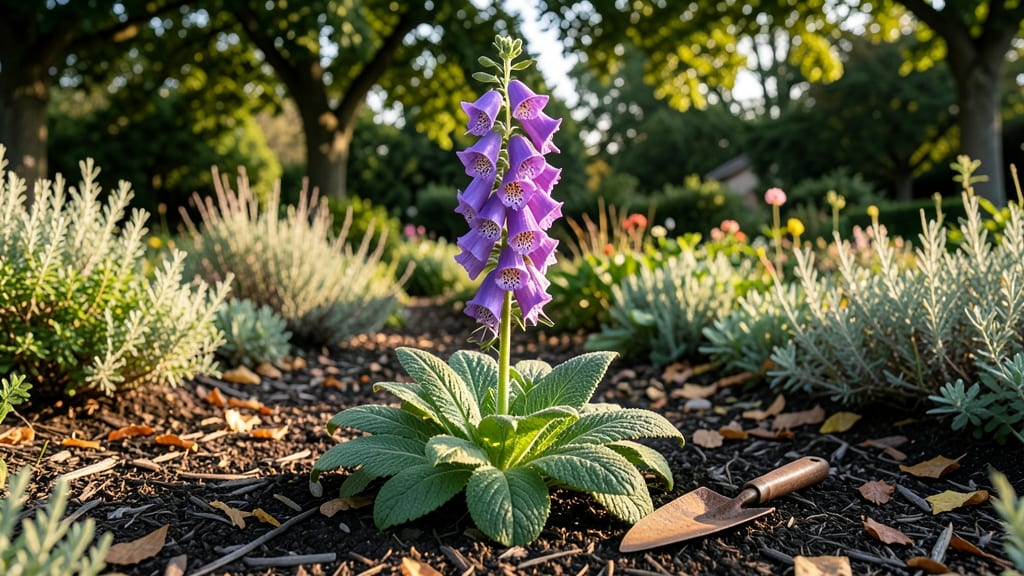
The foxglove flower perennial’s dramatic spires of bell-shaped blooms make it a gardening treasure—but only if you’re willing to wait, because those floppy stems nearly broke my spirit after year one. 🌿 The secret isn’t just choosing the right spot; it’s mastering the deadheading rhythm that keeps them blooming until frost.
Foxglove thrives in partial shade where temperatures stay cool, and it’s shockingly low-maintenance once established. My plants now self-seed reliably in well-draining soil with just 1 inch of water per week—though they’ll forgive you if you forget.
The real magic happens when you snip spent blooms before they set seed, which tricks the plant into producing a second flush of flowers.
By summer’s end, you’ll have 6-foot-tall stalks packed with purple, pink, or white bells that hum with bees. The foliage stays lush until hard frost, and with proper deadheading, you’ll get a second wave of blooms that lasts through September or October.
Even the seed pods add texture to winter gardens if you let them go.
This plant adapts to zones 3-9, making it one of the hardiest perennials for both cold climates and milder regions. The only trade-off? It’s biennial in some areas, so plan to either divide clumps every few years or let nature handle the propagation through self-seeding.
Either way, you’ll end up with more than you bargained for.
📚 In This Guide
- What you need
- Instructions
- Tips and common mistakes
- Wrapping up and next steps
What you need
- ● Foxglove plants: Seeds (10–20 seeds for a small patch) OR
- ● Nursery-grown plants (2–4 mature plants for a full bloom display)
- ● Well-draining soil: Mix of garden soil, compost (2–3 parts), and perlite or sand (1 part) for aeration.
- ● Sunlight access: Partial shade (4–6 hours of morning sun, dappled shade in afternoon).
- ● Watering can or hose: With a gentle spray nozzle for moisture control.
- ○ Mulch (optional but recommended): 2–3 inches of shredded bark or straw to retain moisture and suppress weeds.
- ● Garden trowel or transplanting spade
- ● Pruning shears (for deadheading and shaping)
- ● Gloves (foxglove leaves can irritate skin!)
- ○ pH testing kit (optional, ideal pH: 6.0–7.0)
- ● Fertilizer (balanced 10-10-10 or slow-release granules, lightly applied in spring).
- ● Safety note: All parts of foxglove are toxic—keep away from pets and children.
- ● Check local frost dates (foxglove thrives in USDA Zones 3–9).
- ● Space plants 12–18 inches apart for airflow and growth.
Step-by-step guide to planting and maintaining foxglove flowers
Here's how to grow these striking perennials with minimal fuss—just follow these clear steps.
🌱 Step 1: Choose the Perfect Planting Spot
Foxglove thrives in partial shade—think 3-5 hours of morning sun followed by afternoon shade. Too much direct sun scorches the leaves, while too little shade makes stems flop. I always test a spot by observing how quickly it dries after rain; if the soil stays damp for more than 24 hours, it's too shady.
Pick a location with well-draining soil—foxglove hates soggy roots. If your soil feels dense when squeezed, mix in 2-3 inches of compost to improve aeration. The plant's deep taproot means it won't tolerate compacted earth, so avoid areas where water pools after heavy rain.
🪴 Step 2: Plant Foxglove Seeds or Transplants at the Right Time
For seeds, sow them outdoors in early fall (4-6 weeks before your first frost) or indoors in late winter (8-10 weeks before last frost). Seeds need cool temperatures to germinate, so don't rush them. If using transplants, plant them in early spring after the soil warms to 50°F—this gives roots time to establish before summer heat.
Dig holes twice as wide as the root ball but only as deep as the container's height. Space plants 18-24 inches apart—crowding leads to weak stems and fewer blooms. Water deeply after planting to settle the soil around roots, then let the surface dry slightly before watering again.
☀️ Step 3: Water and Fertilize for Strong Growth
Water foxglove once a week during the first growing season, aiming for 1 inch of water per week. The plant's deep roots mean it's drought-tolerant once established, but young plants need consistent moisture. You'll know it's thirsty when the leaves start to wilt slightly—water deeply then, and the plant will perk up within hours.
Fertilize lightly in early spring with a balanced 10-10-10 formula (use ½ teaspoon per plant). Too much fertilizer encourages leafy growth at the expense of flowers. I skip fertilizer after mid-summer—foxglove stores enough nutrients to bloom again next year.
✂️ Step 4: Deadhead and Prune for Next Year's Blooms
Here's the secret: Deadhead spent flowers immediately after they fade. Snip the entire flower spike ½ inch above the lowest remaining bud—this redirects the plant's energy to new blooms instead of seed production. I use clean pruners and always sterilize them with rubbing alcohol to prevent disease.
After the first frost, cut back the entire plant to 4-6 inches tall. This prevents seed pods from forming, which weakens the plant for next season. Leave the cut stems in place over winter—they provide some insulation for the roots.
⏰ Step 5: Overwinter and Prepare for Next Season
Foxglove is cold-hardy down to -20°F, but young plants benefit from a 2-3 inch layer of mulch after the first frost. Use straw or shredded leaves—they break down slowly and protect roots from freeze-thaw cycles. Remove the mulch in early spring once the ground warms to 40°F.
In late winter, check for new growth. If you see purple-tinged shoots emerging, it's time to fertilize lightly again. Foxglove's slow growth means it doesn't need frequent attention, but this one check ensures vibrant blooms by mid-summer.
Tips & tricks for perfect foxglove flower maintenance
These simple tricks will help you keep your foxglove thriving with minimal effort—once you know the secrets.
Lighting Insight: The 3-5 hours of morning sun is non-negotiable for foxglove. I've learned the hard way that afternoon sun can scorch those delicate leaves, so always position them where they get that gentle morning light followed by shade. If your garden gets intense afternoon sun, consider a sheer fabric shade cloth for protection during those peak hours.
Soil Preparation Tip: When amending your soil with 2-3 inches of compost, work it into the top 6-8 inches of soil—not just the surface. Foxglove's deep taproot needs loose soil all the way down to establish properly. I like to use a garden fork to loosen compacted areas before adding compost for best results.
Planting Depth Secret: The instructions say to plant only as deep as the container's height, but here's what nobody tells you—if you see the roots circling the bottom of the container, gently tease them apart before planting. This encourages outward root growth instead of that frustrating root-bound behavior that weakens plants.
Watering Technique: Those once-weekly waterings should be deep—aim for that 1 inch of water to reach at least 6 inches down into the soil. I use a rain gauge to measure, and if I see the soil surface drying too quickly, I know I need to water more frequently during hot spells. The key is keeping those deep roots consistently moist without waterlogging.
Pro Tips for Foxglove Flower Perennial
- These simple tricks will help you keep your foxglove thriving with minimal effort—once you know the secrets.
- Lighting Insight: The 3-5 hours of morning sun is non-negotiable for foxglove.
- Soil Preparation Tip: When amending your soil with 2-3 inches of compost, work it into the top 6-8 inches of soil—not just the surface.
Frequently asked questions
Is foxglove truly a perennial, or is it an annual?
Foxglove (Digitalis purpurea) is technically a biennial or short-lived perennial, depending on your climate. In cooler zones (USDA 3–7), it often self-seeds and returns yearly, while warmer regions may treat it as an annual. With proper care—like mulching and deadheading—it can thrive for 2–3 years before needing replacement.
When’s the best time to plant foxglove for fall blooms?
For fall blooms, plant foxglove seeds in early spring (March–April) or transplant seedlings in late summer (August–September). If starting from seed, expect blooms the following year. For instant color, buy established plants in spring or early fall—just give them time to establish roots before winter.
Why isn’t my foxglove flowering this year?
No flowers? Don’t panic! Foxglove often skips blooming its first year (focused on root growth). Other culprits include:
- Overcrowding: Thin plants to 12–18" apart for better airflow.
- Poor soil: Amend with compost for nutrients.
- Too much nitrogen: Switch to a balanced fertilizer (10-10-10).
- Deadheading delays: Remove spent blooms to encourage reblooming.
What’s a foxglove alternative for toxic-free gardens?
Foxglove’s toxic reputation (thanks to cardiac glycosides) makes some gardeners wary. Try these non-toxic but equally striking perennials:
- Columbine (Aquilegia): Delicate flowers, hummingbird magnet.
- Lungwort (Pulmonaria): Spotty foliage, early spring blooms.
- Monkshood (Aconitum): Also toxic—but if you love height, opt for bee balm (Monarda) instead.
- Campion (Silene): Airy blooms, drought-tolerant.
Can foxglove survive harsh winters?
Foxglove is cold-hardy (zones 3–7) and thrives in winter. Protect young plants with mulch (2–3" of straw or leaves) to shield roots. In extreme cold (below -20°F), add a light cover of burlap—just remove it in early spring to prevent rot. Pro tip: Deadhead spent blooms in fall to redirect energy to root growth for next year!
Wrapping up and next steps
Growing foxglove as a perennial is a rewarding journey—its striking blooms and cold-hardy nature make it a standout in any garden. 🌿 With the right care, including deadheading to encourage reblooming and protecting it from pests, you’ll enjoy years of effortless beauty.
Ready to transform your garden? Start small with a few plants and watch your space thrive with this enchanting perennial!