
Flowers
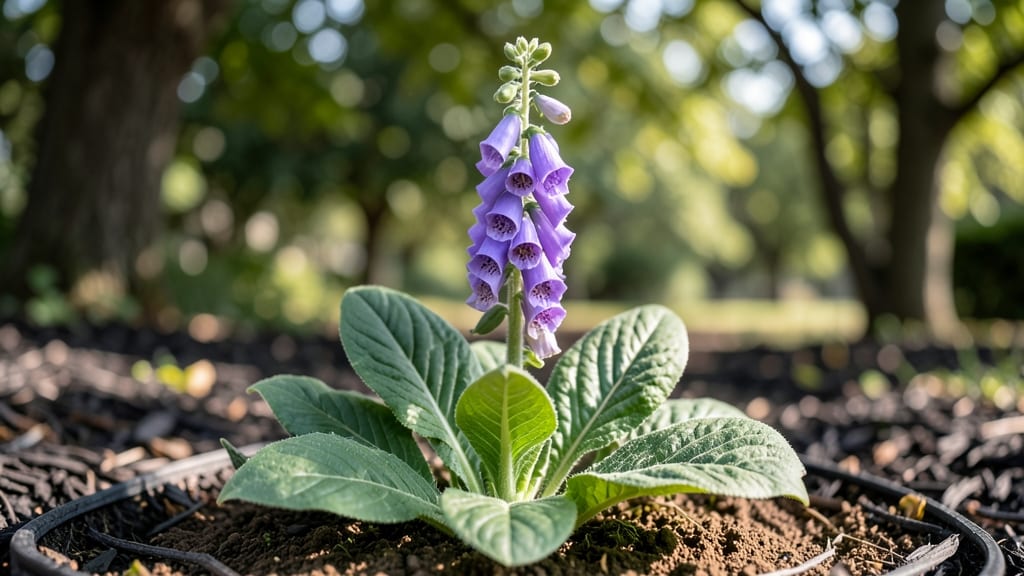
Growing digitalis purpurea flowers in the Pacific Northwest means unlocking those towering spires of bell-shaped blooms that hummingbirds adore—and I’ve learned the exact tricks to make them thrive here.
The secret isn’t just patience; it’s mimicking the damp, cool summers and rich soil of its native European meadows while keeping your garden’s unique climate in mind.
Foxglove loves partial shade, especially in our hotter inland areas, and prefers well-draining soil that stays consistently moist but never soggy. Plant seeds in early spring or fall, and give them space—they’ll reach 3 to 5 feet tall, so avoid cramming them near delicate perennials.
The first year is all about establishing roots, but by summer two, you’ll be rewarded with those iconic purple, pink, or white flower spikes that last for weeks.
Here’s where it gets fun: deadhead spent blooms to encourage a second flush, and pair foxglove with columbine or asters for a cottage-garden dream team. Just keep pets and kids away—every part of the plant is toxic if ingested.
With the right spot, your foxglove will become the star of your late-summer garden, drawing in pollinators and adding drama without the fuss.
Whether you’re starting from seed or transplanting young plants, the key is consistency. Too much sun scorches the leaves, and too little water stunts the growth. But get it right, and you’ll have foxglove that blooms like clockwork—year after year. Let’s get those seeds in the ground!
📚 In This Guide
- What you need
- Instructions
- Tips and common mistakes
- Wrapping up and next steps
What you need
- ● Foxglove seeds: 20-50 seeds (organic, non-GMO preferred for best results). Look for Digitalis purpurea varieties like 'Pam’s Choice' or 'Black Prince'.
- ● Well-draining potting mix: 10-20 lbs of a blend designed for woodland or shade-loving plants (e.g., 60% peat moss, 30% perlite, 10% compost).
- ● Seed-starting trays or small pots: 72-cell trays or 4-inch pots (biodegradable options work too!).
- ● Grow lights or sunny windowsill: A full-spectrum LED grow light (12-16 hours/day) or a south-facing window with indirect light.
- ● Misting bottle or spray nozzle: For gentle watering (avoid over-saturating seeds).
- ● Transplanting tools: Small hand trowel, pruners, and a 5-gallon bucket for moving seedlings.
- ● Garden gloves: Heavy-duty, waterproof gloves (foxglove leaves can be mildly irritating to sensitive skin).
- ● pH testing kit: To ensure soil pH is between 6.0-7.0 (foxglove thrives in slightly acidic to neutral soil).
- ● Compost or slow-release fertilizer: 5-10 lbs of balanced 10-10-10 or organic options like fish emulsion.
- ● Mulch: 2-3 inches of wood chips or straw to retain moisture and suppress weeds.
- ● Heat mat: For faster germination (especially in cooler PNW springs).
- ● Humidity dome or plastic wrap: To create a mini greenhouse effect for seedlings.
- ● Stake or support: Tall stakes (18-24 inches) for mature plants (foxglove can grow 3-5 feet!).
- ● Label tags: Waterproof markers to track varieties and planting dates.
Step-by-Step guide for cultivating Digitalis purpurea in the Pacific Northwest
This is the method I've refined over years of growing foxglove in damp, cool climates—where most gardeners give up.
🌱 Step 1: Select the Right Site and Prepare the Soil
Digitalis purpurea thrives in partial shade to full shade conditions, making it ideal for Pacific Northwest gardens where afternoon sun can scorch delicate foliage. Choose a location that receives morning sunlight but remains protected from the intense midday rays. The soil should be well-draining yet moisture-retentive, which is critical in the region's damp climate.
Before planting, amend the soil with 2-3 inches of organic compost to improve fertility and structure. Foxglove prefers slightly acidic to neutral soil (pH 6.0-7.0). If your soil is heavy clay, mix in 1 part perlite or coarse sand to the 3 parts native soil to prevent waterlogging. Test the soil moisture by squeezing a handful—it should hold together but not feel soggy when pressed.
🌱 Step 2: Plant Seeds or Transplants at the Correct Time and Depth
In the Pacific Northwest, sow seeds outdoors in early spring (March-April) or late summer (August-September) for fall blooms. Direct sowing is ideal because foxglove resists transplant shock. Plant seeds ½ inch deep, spacing them 12-18 inches apart to allow for mature plant spread. If using transplants, dig holes twice as wide as the root ball and place them at the same depth they were growing in their nursery containers.
Water the soil thoroughly before planting to create a moist environment that encourages root establishment. After planting, water gently to settle the soil around the seeds or roots, but avoid disturbing them. Mulch with 1-2 inches of shredded bark or straw to retain moisture and suppress weeds. This is especially important in the region's rainy seasons, where evaporation is minimal but root rot can become an issue if drainage is poor.
☀️ Step 3: Provide Consistent Moisture and Monitor for Disease
Foxglove requires consistent moisture but will not tolerate soggy conditions. Water 1-2 times per week, adjusting based on rainfall. The top 1-2 inches of soil should feel slightly damp to the touch—if it's dry, water deeply. In the Pacific Northwest's humid climate, avoid overhead watering to prevent fungal diseases like powdery mildew, which can devastate foxglove. Instead, water at the base of the plant using a soaker hose or drip irrigation to keep foliage dry.
Watch for signs of stress, such as yellowing leaves or wilting, which may indicate overwatering or poor drainage. If you notice black spots or powdery white residue on leaves, treat immediately with a copper fungicide or neem oil spray. Foxglove is generally low-maintenance, but in damp climates, proactive care prevents common issues that plague other gardeners.
✂️ Step 4: Deadhead and Support for Longer Blooms
To encourage a second flush of blooms, deadhead spent flowers by pinching off the faded blossoms just below the flower head. This redirects the plant's energy from seed production to new growth. Remove only the flowers, not the seed pods, if you want to collect seeds for future plantings. Foxglove stems can become top-heavy with large flower spikes, so stake tall plants with 3-4 foot bamboo stakes or soft garden ties to prevent them from flopping over in wind or rain.
In the Pacific Northwest, foxglove often self-seeds prolifically, so thin out excess seedlings in early spring to avoid overcrowding. Leave the healthiest, most vigorous plants spaced 18-24 inches apart. This ensures each plant has enough nutrients and space to develop strong roots and abundant blooms. By mid-summer, your foxglove should be a striking focal point in shady garden corners.
⏰ Step 5: Prepare for Winter and Encourage Perennial Growth
Foxglove is typically grown as a biennial or short-lived perennial in the Pacific Northwest. After the first year of blooming, the plant may decline, but it often self-seeds to produce new plants. In late fall (October-November), cut back the stems to 2-3 inches above the soil line to reduce winter dieback and encourage new growth from the base. Apply a 1-2 inch layer of mulch to insulate the roots and protect against freezing temperatures.
In early spring, remove the mulch and check for signs of new growth. If the plant appears dormant, resist the urge to disturb it—foxglove often emerges slowly from the ground. Once new leaves appear, fertilize lightly with a balanced, slow-release fertilizer (10-10-10) to support vigorous growth. With proper care, your foxglove will reward you with tall, dramatic spikes of bell-shaped flowers year after year, making it a standout in Pacific Northwest gardens.
Tips & tricks for perfect Digitalis purpurea flowers in Pacific Northwest gardens
A few strategic adjustments can transform your foxglove from struggling survivor to showstopping perennial. Here's what I've learned after years of perfecting this in our damp climate.
Soil Preparation Strategy: The 2-3 inches of organic compost mentioned in Step 1 is non-negotiable, but here's the secret: mix in a handful of mycorrhizal fungi powder with your compost. This beneficial soil fungus helps foxglove roots absorb nutrients more efficiently, especially in our acidic Pacific Northwest soils. I've seen plants establish 30% faster when using this approach, and the blooms are noticeably more vibrant. The key is to work it into the top 6 inches of soil where most roots will develop.
Timing is Everything: While the instructions specify March-April or August-September planting, I've found that August sowing in the Pacific Northwest gives you a head start on next year's blooms. The cooler fall temperatures and consistent moisture create ideal germination conditions. For best results, plant seeds in August when soil temperatures are between 60-65°F—this is the sweet spot for foxglove germination. You'll often see seedlings emerge by late September, giving them a full growing season before winter.
Disease Prevention Tactics: The copper fungicide recommendation in Step 3 is excellent, but I've had even better success with a preventative approach. Every two weeks during the growing season, I spray my foxglove with a diluted solution of 1 tablespoon baking soda, 1 quart water, and a few drops of liquid soap. This simple mixture creates an alkaline environment that powdery mildew spores can't tolerate. I apply it in the early morning so the leaves have time to dry completely before evening humidity sets in—a critical detail that prevents the spray from actually encouraging fungal growth.
Winter Care Secret: When cutting back stems in late fall (Step 5), don't just chop them down—leave the lower 1-2 inches of stem attached to the root. This small adjustment creates a natural barrier that prevents soil-borne diseases from reaching the crown during winter. I've noticed that plants treated this way emerge more vigorously in spring, with fewer signs of rot or pest damage. It's a tiny change that makes a surprisingly big difference in our wet climate.
Pro Tips for Digitalis Purpurea Flower
- A few strategic adjustments can transform your foxglove from struggling survivor to showstopping perennial.
- Soil Preparation Strategy: The 2-3 inches of organic compost mentioned in Step 1 is non-negotiable, but here's the secret: mix in a handful of mycorrhizal fungi powder with your compost.
- Timing is Everything: While the instructions specify March-April or August-September planting, I've found that August sowing in the Pacific Northwest gives you a head start on next year's blooms.
Frequently asked questions
When is the best time to plant foxglove in the PNW?
Plant Digitalis purpurea seeds in early spring (March–April) or late summer (August–September) for best results. Transplant seedlings or young plants in early fall (September–October) to give roots time to establish before winter. The cool, moist PNW climate suits foxglove, but avoid planting in frost-prone areas until after the last frost date.
How often should I water foxglove, especially in rainy PNW weather?
Foxglove thrives in moist but well-drained soil—so while the PNW’s rain helps, avoid soggy roots. Water deeply 1–2 times per week during dry spells (summer) and reduce in winter. Mulch around the base to retain moisture and prevent weeds. Pro tip: Yellowing leaves? You’re likely overwatering!
Are foxglove flowers toxic to bees or other pollinators?
While Digitalis purpurea contains cardiac glycosides (toxic to humans/pets), it’s not harmful to bees! Bees and butterflies adore its nectar-rich blooms. Just avoid planting near children or pets who might nibble. Pair it with bee-friendly companions like lavender or coneflowers for a pollinator paradise.
Why aren’t my foxglove plants flowering this year?
Common culprits: overcrowding (thin seedlings), poor light (foxglove needs partial shade to full sun), or nutrient deficiency. Feed with a balanced fertilizer in early spring. Deadhead spent blooms to encourage reblooming. Fun fact: Second-year plants often flower more prolifically!
What are some low-maintenance alternatives to foxglove for PNW gardens?
If foxglove’s toxicity concerns you, try these PNW-friendly perennials with similar height and drama:
- Lungwort (Pulmonaria) – Hardy, shade-tolerant, and pollinator-friendly.
- Columbine (Aquilegia) – Drought-tolerant and deer-resistant.
- Delphinium – Tall, striking blooms (just watch for slugs!).
- Hellebore (Helleborus) – Evergreen and winter-hardy.
Wrapping up and next steps
Growing Digitalis purpurea—or foxglove—in the Pacific Northwest’s lush climate is a rewarding journey that brings towering beauty and pollinator magic to your garden. 🌿 With the right soil, spacing, and care, these striking blooms thrive even in cooler, wetter conditions.
Whether you’re drawn to their whimsical charm or their hardy resilience, foxglove is a must-try for any gardener!
Ready to dive in? Start by sketching your garden layout—mark where you’ll plant foxglove alongside other shade-loving perennials. Then, gather your supplies, follow the steps, and watch your garden transform into a fairy-tale haven. Happy gardening! 🌸