
Flowers
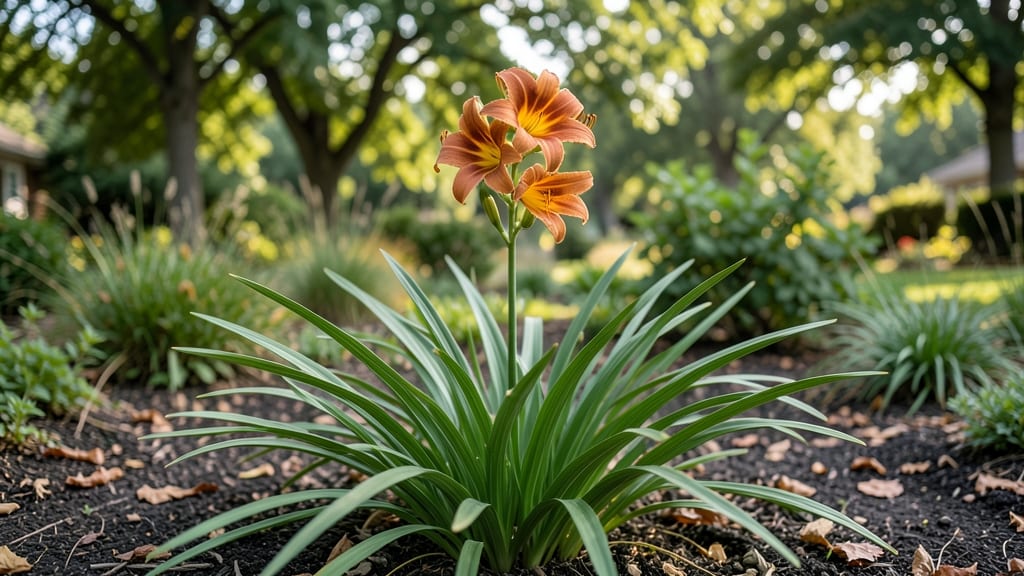
If you love the towering drama of lilies, these flowers with similar height and bold impact will steal the show in your garden. 🌸 My first encounter with daylilies—those hardy, six-foot stalks of fiery blooms—made me realize lilies aren’t the only stars of the summer garden.
These alternatives bring the same vertical punch and lush foliage, but with different colors, textures, and growing quirks that might just become your new favorites.
Daylilies (Hemerocallis) are the most obvious swap—they bloom from early summer to fall, thrive in full sun, and multiply like wildfire.
But don’t overlook bearded irises with their sword-like leaves and dramatic spikes of purple, yellow, or white, or canna lilies, which pack tropical vibes with bold, banana-shaped foliage. All three handle heat better than true lilies and return year after year with minimal fuss.
For cut flowers, gladiolus delivers lily-like spikes in every color under the rainbow, while dahlias (especially dinner-plate varieties) offer lush, layered blooms that rival lilies in sheer wow factor. Plant them where they’ll get afternoon shade in hot climates—their roots stay happier, and the blooms last longer in arrangements.
The key is matching their moisture needs: most of these thirsty beauties need consistent watering but hate soggy soil.
Mix them into borders for instant height, tuck them into containers for patio drama, or let them anchor your perennial beds. My go-to combo? Daylilies in the back, irises in the middle, and cannas spilling over edges—it’s like a lily-themed garden without the deer munching (they avoid these too!).
Start with one or two varieties this season, and you’ll be hooked on their easygoing charm.
📚 In This Guide
- What you need
- Instructions
- Tips and common mistakes
- Wrapping up and next steps
What you need
- ● Flowers: Choose from these lily-like varieties (pick 1-3 for planting/arranging): Daylilies (Hemerocallis) – 3-5 bulbs or plants
- ● Calla Lilies (Zantedeschia aethiopica) – 2-4 tubers
- ● Stargazer Lilies (Lilium 'Stargazer') – 3-5 bulbs
- ● Rain Lilies (Zephyranthes) – 5-10 bulbs (for clusters)
- ● Crinum Lilies (Crinum) – 2-3 bulbs (tropical appeal)
- ● Soil: Well-draining potting mix or garden soil (1-2 bags, 1.5–2 cubic feet each)
- ● Containers/Pots: For bulbs: 6–12-inch pots (1-2 per bulb, depending on size)
- ● For garden planting: Loose soil area (6+ inches deep)
- ● Watering Can or Hose: With a gentle spray nozzle
- ● Fertilizer: Balanced 10-10-10 or bulb-specific fertilizer (1 small bag)
- ● Mulch (straw or shredded bark) – 1 bag for garden beds
- ● Decorative pebbles or moss – For container styling
- ● Floral wire or tape – For arranging cut stems
- ● Pruning shears – For trimming spent blooms
- ● Garden gloves – To protect hands while planting
- ● Sunlight meter – To check light conditions (if unsure)
How to select and plant stunning lily-like flowers for height and drama
Here's how to create bold garden statements with flowers that rival lilies in stature and presence.
🌿 Step 1: Choose Your Lily-Like Stars
Start with daylilies (Hemerocallis) for their 24-48 inch vertical reach and layered blooms. Their ruffled petals mimic lily elegance but with longer vase life. For true height, bearded irises (36-48 inches) deliver sword-like foliage and bold purple/blue/yellow blooms that command attention. Don't overlook canna lilies (4-6 feet) with their tropical leaves and candle-like flowers—they're the showstoppers of summer borders.
For canopy appeal, plant dahlias (2-6 feet) in clusters—their pinnate leaves create lush backdrops. I always mix single-flowered varieties (like 'Bishop') with semi-double types ('Café au Lait') for textural contrast. Pro tip: Group odd-numbered plants (3, 5, or 7) for natural, balanced groupings that draw the eye upward.
☀️ Step 2: Site Selection for Maximum Impact
All these flowers thrive in full sun (6+ hours daily), but daylilies and cannas tolerate partial shade if afternoon sun is intense. Test your spot by placing a white board in the garden for 2 hours—if it gets hot to touch, it's too harsh for delicate blooms. Amend heavy clay soil with 2-3 inches of compost to improve drainage; lily-like flowers hate soggy roots. I always dig in a slow-release fertilizer (10-10-10) at planting to fuel that dramatic growth.
For height emphasis, plant taller varieties (dahlias, cannas) at the back of borders or against dark-green shrubs like inkberry holly. Medium-height stars (irises, daylilies) belong in the middle layer, while spreading ground covers (like heuchera) frame the base. This creates a natural tiered effect that guides the eye upward—just like a lily's graceful arc.
🪴 Step 3: Plant for Structure and Season-Long Drama
Dig holes twice as wide as the root ball but only as deep as the container's base. This prevents crown rot—a common killer of lily-like perennials. For daylilies and irises, plant the crown just below soil level (never bury it). Cannas and dahlias can go deeper (up to 2 inches below crown) since they store energy underground. Water deeply right after planting to eliminate air pockets.
Space plants according to their mature width: daylilies (18-24 inches), irises (12-24 inches), cannas (24-36 inches), and dahlias (18-36 inches). I always stagger plants in a diagonal pattern—this creates visual movement across the garden bed. Add a mulch layer (2-3 inches) of shredded bark to retain moisture and suppress weeds while keeping roots cool.
💧 Step 4: Water and Feed for Towering Growth
Water deeply 2-3 times per week during the first 4-6 weeks to establish strong root systems. You'll know you're doing it right when soil feels moist 3 inches down but not saturated. Overwatering causes yellowing leaves and mushy stems—both signs of root rot. Once established, these plants tolerate drought better than most garden flowers, but dahlias need consistent moisture to support their heavy blooms.
Feed monthly with a balanced liquid fertilizer (20-20-20) from spring through summer. For extra drama, side-dress dahlias and cannas with compost tea every 4-6 weeks—you'll see bigger blooms and taller stems within weeks. I always fertilize after a rain or deep watering to prevent root burn. Watch for new growth (like canna's emerging leaves)—that's your signal the plant is responding.
✂️ Step 5: Prune and Support for Show-Stopping Height
Deadhead spent blooms regularly to encourage continuous flowering. For dahlias, cut back wilted stems to the nearest leaf node—this redirects energy to new shoots. Cannas self-clean, but I still remove brown foliage to keep the plant looking neat and vigorous. Install stakes or cages for tall varieties (dahlias over 4 feet) before they need support. I use bamboo stakes tied with soft twine—never wire, which can girdle stems over time.
In late fall, cut back daylilies and irises to ground level and add 2 inches of mulch for winter protection. Cannas and dahlias (tender perennials) should be dug up in Zone 7 and colder—store tubers in dry peat moss at 40-50°F until spring. This seasonal reset keeps plants healthy and vigorous for years, ensuring bold canopies every summer.
Tips & tricks for planting towering lily-like flowers
Creating a dramatic garden display with these lily-like stars takes a few strategic moves—here's what I've learned from years of planting these showstoppers.
Variety Pairing: When combining daylilies (24-48 inches) with irises (36-48 inches), plant them in staggered heights—place irises slightly behind daylilies to create natural depth. This visual layering makes the whole display appear taller and more structured. The key is to let the irises' upright sword-like foliage anchor the taller dahlias (2-6 feet) behind them, creating that coveted "canopy effect" mentioned in Step 1.
Sunlight Strategy: That 2-hour white board test in Step 2 is brilliant, but here's what I do next: Mark your test spots with colored flags after checking. I use red flags for full sun areas (6+ hours) and yellow for partial shade (3-6 hours). This color-coding helps me visualize the sun exposure patterns throughout the day. For cannas, which tolerate partial shade, I always plant them on the north or east side of borders where they get morning sun but afternoon relief.
Planting Depth Secret: The crown depth instructions in Step 3 are critical—daylilies and irises need their crowns just below soil level, while cannas and dahlias can go deeper. Here's my trick: For daylilies, I make a small mound of soil and place the crown on top, then fill around it. This ensures proper drainage while keeping the crown exposed enough to prevent rot. For dahlias, I actually plant them slightly deeper (2 inches below crown) in heavier clay soils to help them establish better in wetter conditions.
Support System: When staking tall dahlias (over 4 feet) in Step 5, I use a unique method: I install two stakes per plant—one on each side of the stem—rather than just one. This creates a natural "V" support that prevents the stems from leaning. I tie the stems loosely with soft twine, leaving room for growth. For cannas, which are naturally sturdy, I only stake when they reach 3 feet tall, using a single bamboo stake tied at the base. This prevents any damage to their thick stems.
Pro Tips for Flowers Similar To Lilies
- Creating a dramatic garden display with these lily-like stars takes a few strategic moves—here's what I've learned from years of planting these showstoppers.
- Variety Pairing: When combining daylilies (24-48 inches) with irises (36-48 inches), plant them in staggered heights—place irises slightly behind daylilies to create natural depth.
- Sunlight Strategy: That 2-hour white board test in Step 2 is brilliant, but here's what I do next: Mark your test spots with colored flags after checking.
Frequently asked questions
What are the easiest flowers to grow that resemble lilies?
If you're looking for low-maintenance alternatives, try daylilies (Hemerocallis) or canna lilies (Canna). Both thrive in full sun, tolerate heat, and bloom prolifically. Bearded irises also offer lily-like elegance with minimal fuss—just ensure well-drained soil!
Do lily-like flowers attract bees or butterflies?
Many do! Flowers like tiger lilies (Lilium lancifolium) and callalilies (Zantedeschia) are bee magnets, while daylilies and gladiolus lure butterflies. For pollinator power, opt for bold, fragrant varieties—just avoid peace lilies (Spathiphyllum), which are non-toxic but less appealing to insects.
When is the best time to plant lily-like flowers?
Most lily relatives (like true lilies or fritillaries) prefer spring or early fall planting when soil temps are 60–70°F. Cannas and daylilies can handle late spring, but avoid extreme heat. Pro tip: Soak bulbs/tubers overnight before planting for a head start!
Are there lily-like flowers safe for pets?
Unfortunately, many lily look-alikes (like daylilies) are non-toxic, but true lilies (Lilium) and callalilies are toxic to cats/dogs. Pet-safe picks: bearded irises, gladiolus, or canna lilies. Always research before planting!
How can I extend the blooming season of lily-like flowers?
Deadhead spent blooms (like on daylilies) to encourage reblooming. For true lilies, fertilize lightly after flowering. Cannas benefit from cutting back faded stems by ⅓. Pro tip: Mulch with compost to retain moisture—consistency is key!
What’s the difference between a lily and a daylily?
While both share trumpet-shaped blooms, true lilies (Lilium) are perennial bulbs with toxic sap, while daylilies (Hemerocallis) are hardy perennials with edible roots. Lilies bloom once; daylilies rebloom if deadheaded. Plus, daylilies tolerate shade better!
Wrapping up and next steps
Exploring flowers similar to lilies opens up a world of stunning, drama-filled blooms that bring bold elegance to any garden or arrangement. From the exotic calla lilies to the regal daylilies, these alternatives offer height, texture, and striking visual impact—perfect for adding a touch of sophistication.
Whether you’re a seasoned gardener or just starting, these plants are sure to inspire your next floral masterpiece!
Ready to elevate your garden? Start by researching the specific care needs of your top picks—then grab some cuttings or seeds and let nature do the rest! 🌸