
Flowers
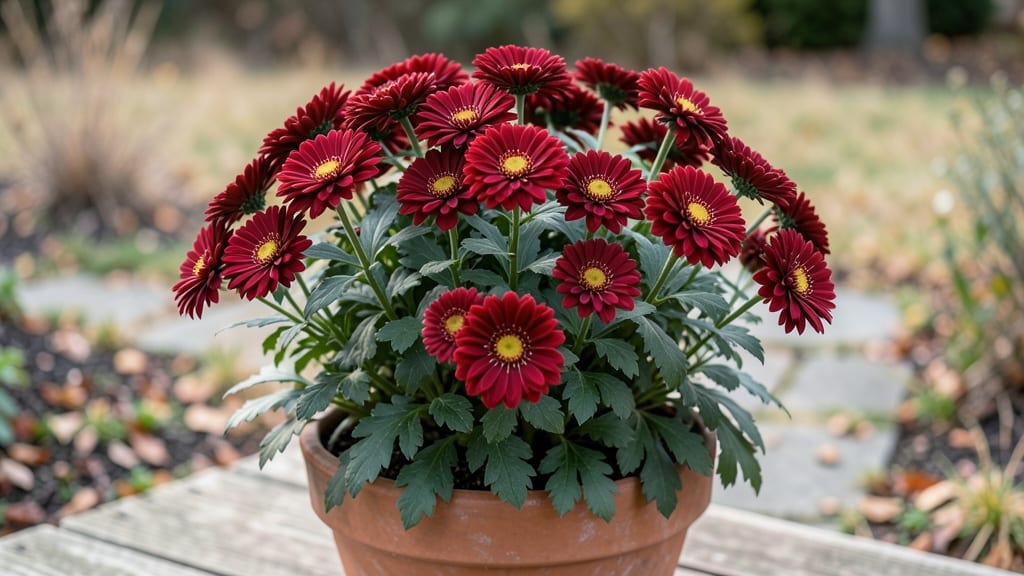
Autumn flowers in season bring a shockingly lush color explosion that turns gardens into living paintings. 🌿 I still remember the first time I saw a field of golden chrysanthemums and deep red asters—it felt like nature’s own fireworks display.
These late-season bloomers don’t just survive the cooler weather; they thrive in it, offering vibrant hues that brighten up every patio or garden corner.
The best part? Many of these flowers are foolproof to grow, even for beginners. Think mums that bloom for weeks, sedum with its velvety petals, or asters that attract butterflies until frost.
They love full sun but tolerate partial shade, and most need minimal fuss—just regular watering and occasional deadheading to keep them looking their best.
What you’ll end up with is a garden that feels like a cozy autumn hug—rich colors, crisp air, and the sweet scent of fragrant blooms like Russian sage or goldenrod.
These flowers also make stunning cut arrangements that last longer than spring blooms, so you can bring the season indoors too.
Whether you’re in the South with mild winters or the North where frost comes early, there’s an autumn flower that fits your climate. Let’s dive into the best picks for your region and how to make them the stars of your fall garden.
📚 In This Guide
- What you need
- Instructions
- Tips and common mistakes
- Wrapping up and next steps
What you need
- ● Autumn flowers (seasonal picks): 10–20 Mums (Chrysanthemums) (varieties like 'Autumn Joy' or 'Little Albert')
- ● 5–10 Asters (e.g., 'Violet Queen' or 'Monte Casino')
- ● 3–5 Goldenrods (e.g., Solidago spp.)
- ● 2–4 Japanese Anemones (e.g., Honna' or 'Hadspen Abundance')
- ● 1–2 Ornamental Grasses (e.g., Miscanthus or Panicum) for texture
- ● Soil amendments: 1–2 bags compost (50 lbs each)
- ● 1 bag slow-release fertilizer (10-10-10 or 5-10-5 ratio)
- ● Containers or garden space: Pot sizes: 10–14" diameter (for mums/asters) or in-ground beds (6" deep minimum)
- ● Hand tools: 1 trowel
- ● 1 pair pruning shears
- ● 1 garden fork (for loosening soil)
- ○ Optional (but helpful!): 1 moisture meter (to check soil hydration)
- ● 1 mulch (straw or shredded leaves, 2–3 inches)
- ● 1 plant support (stakes for tall grasses like Panicum)
- ● 1 spray bottle (for misting seedlings)
- ● Knowledge prerequisites: Basic understanding of your USDA hardiness zone (most autumn flowers thrive in zones 3–9)
- ● Awareness of sunlight needs (full sun to partial shade for most picks)
How to create a stunning autumn flower display
Fall gardens burst with color—here’s how to mix bold blooms for maximum impact.
🌿 Step 1: Select a Seasonal Color Palette
Start by choosing flowers that thrive in autumn’s cooler temperatures. I always reach for mums (chrysanthemums), asters, and sedum for their rich reds, oranges, and purples. These varieties handle light frosts and keep blooming until the first hard freeze. For height, add tall garden phlox or Russian sage—they’ll anchor your display while smaller flowers like pansies and snapdragons spill over edges.
Here’s the thing—mix textures too. Velvety black-eyed Susans contrast beautifully with the feathery foliage of goldenrod. I like to sketch a rough layout first, placing taller plants toward the back and shorter ones in front. This ensures every bloom gets noticed, not hidden.
☀️ Step 2: Choose the Right Planting Locations
Most autumn flowers need full sun to partial shade—at least 4-6 hours of sunlight daily. I test spots by placing a white board where I plan to plant; if it stays cool to the touch by mid-afternoon, that’s a partial shade area. For sun-lovers like sedum, mark the hottest spots in your yard—these plants thrive in dry, sunny conditions and need minimal watering once established.
If your garden has heavy clay soil, amend it with 2-3 inches of compost before planting. Autumn flowers appreciate well-draining soil, and this extra step prevents soggy roots. I always dig in a handful of slow-release fertilizer too—it gives plants a steady nutrient boost as they prepare for winter.
🌱 Step 3: Plant with Seasonal Timing
For potted flowers or transplants, plant in late summer to early fall—typically 6-8 weeks before your first frost date. This gives roots time to establish before cold weather sets in. I like to plant mums and asters first, as they’re frost-tolerant and will keep blooming longer. Follow the spacing guidelines on the plant tags (usually 12-18 inches apart for perennials, 6-12 inches for annuals).
Water deeply right after planting to settle the soil and remove air pockets. You’ll know you’ve done it right when the soil feels evenly moist 2 inches below the surface. After that, water 2-3 times per week unless rain does the job—autumn flowers hate soggy soil but won’t survive drought either.
✂️ Step 4: Maintain Blooms Through Fall
Deadhead spent blooms regularly to encourage new flowers. I grab a pair of clean pruners and snip just above a set of healthy leaves—this redirects the plant’s energy into producing more blooms instead of seeds. For mums, I also pinch back leggy stems in early fall to promote bushier growth. Watch for yellowing leaves—this usually means overwatering or poor drainage.
As temperatures drop below 40°F at night, mulch around plants with 2-3 inches of shredded leaves or straw. This insulates roots and keeps soil temperatures stable. I always check the forecast and add extra mulch before a hard freeze—it’s the best way to protect tender perennials like asters and sedum.
💧 Step 5: Extend the Season with Care
To keep flowers blooming until winter, I move potted displays to a sheltered spot or under a frost cloth on chilly nights. For in-ground plants, group them near evergreens or walls to create a microclimate that traps heat. A light layer of burlap over sensitive plants (like pansies) can add 5-10°F of protection during light frosts.
Here’s the fun part—watch how the colors shift as the season changes. Deep red mums glow against goldenrod’s yellow, while purple asters add drama. Take photos weekly to track progress—you’ll be amazed at how much your garden transforms. And when the first snow falls? Those hardy blooms might still be standing, ready to inspire next year’s design.
Tips & tricks for perfect autumn flower displays
These simple tricks will help you create a showstopping fall garden that keeps blooming until winter’s first frost.
Layer Heights for Maximum Impact: In Step 1, when arranging your color palette, think vertically! Place tall garden phlox or Russian sage at the back (they’ll reach 3-4 feet tall), then add asters and mums in the middle row (18-24 inches), and let pansies and snapdragons spill forward. This creates depth and ensures every bloom gets noticed. I always sketch a quick layout on graph paper first—it’s like designing a living painting!
Sunlight Secret: For Step 2, don’t assume all flowers need full sun. While sedum thrives in those hot, dry spots getting 6+ hours of sun, asters and pansies actually prefer partial shade (4-6 hours). I test spots by placing a white board where I plan to plant—if it stays cool to the touch by mid-afternoon, that’s your perfect partial shade location. This simple test saves you from wilting blooms later.
Planting Timing Trick: When you’re ready to plant in Step 3, mark your calendar for 6-8 weeks before your first frost date. This window gives roots time to establish before winter sets in. Pro tip: Plant mums slightly earlier (closer to 8 weeks out) since they’re frost-tolerant and will keep blooming longer. For annuals like snapdragons, you can push the timeline to just 4-6 weeks before frost—they’ll give you instant color!
Season-Extending Hacks: In Step 5, don’t let frost stop your display! Move potted arrangements near south-facing walls where they’ll catch extra sunlight. For in-ground plants, group them near evergreens or walls to create microclimates that trap heat. I’ve kept pansies blooming until Christmas using this trick—just cover them with frost cloth on nights when temps drop below 40°F. The color contrast with snow is absolutely magical!
Pro Tips for Autumn Flowers In Season
- These simple tricks will help you create a showstopping fall garden that keeps blooming until winter’s first frost.
- Layer Heights for Maximum Impact: In Step 1, when arranging your color palette, think vertically!
- Sunlight Secret: For Step 2, don’t assume all flowers need full sun.
Frequently asked questions
Got questions about embracing autumn’s floral magic? We’ve got answers! Whether you’re planning a garden, troubleshooting blooms, or just curious about seasonal swaps, here’s what you need to know.
When is the best time to plant autumn flowers?
Most autumn flowers thrive when planted 4–6 weeks before the first frost (typically late August to early October in most U.S. zones). Cool-season blooms like mums, asters, and ornamental kale love this window. Check your local frost dates—planting too early can lead to leggy growth, while late planting may stunt blooms.
How long do autumn flowers typically last in the garden?
With proper care, many autumn flowers linger beautifully until hard frosts (October–November). Mums can last 6–8 weeks, while hardy perennials like sedum or Russian sage may reappear next year. Deadhead spent blooms to encourage longer displays, but avoid cutting back perennials until spring.
What if my autumn flowers aren’t blooming as expected?
Fewer blooms often stem from over-fertilizing (too much nitrogen), poor sunlight, or stress from heat waves. Try these fixes:
- Move containers to morning sun if they’re wilting.
- Switch to a low-phosphorus fertilizer (like 5-10-10) to boost blooms, not leaves.
- Water at the base (not overhead) to prevent fungal issues.
Are there low-maintenance autumn flowers for busy gardeners?
Opt for drought-tolerant or self-cleaning varieties like:
- Black-eyed Susans (perennial, thrives in poor soil).
- Goldenrod (pollinator magnet, no deadheading needed).
- Coral bells (Heuchera) (evergreen foliage, minimal care).
These need little to no pruning and often return year after year.
How can I extend autumn color indoors with cut flowers?
Harvest blooms early in the morning and trim stems at a 45-degree angle. Use warm water + floral preservative (or a pinch of sugar + bleach) to keep them fresh for 10–14 days. Avoid direct sunlight on arrangements—bright, indirect light prevents wilting. Try these long-lasting picks:
- Dahlias (bold, layered petals).
- Sunflowers (cheerful and sturdy).
- Ornamental grasses (adds texture).
Wrapping up and next steps
Autumn is the perfect time to embrace nature’s boldest hues—from fiery mums to deep aster purples—and transform your garden into a seasonal masterpiece. 🌿 Whether you’re a seasoned gardener or a curious beginner, these in-season blooms offer low-maintenance beauty and a chance to extend your garden’s life well into winter.
Now that you’ve got the tools, tips, and answers to bring autumn’s palette to life, roll up your sleeves and get planting!
💡 Next step: Pick one or two flowers from this season’s lineup and sketch a simple garden layout—then watch your space burst into color before the first frost! 🍂