Flowers
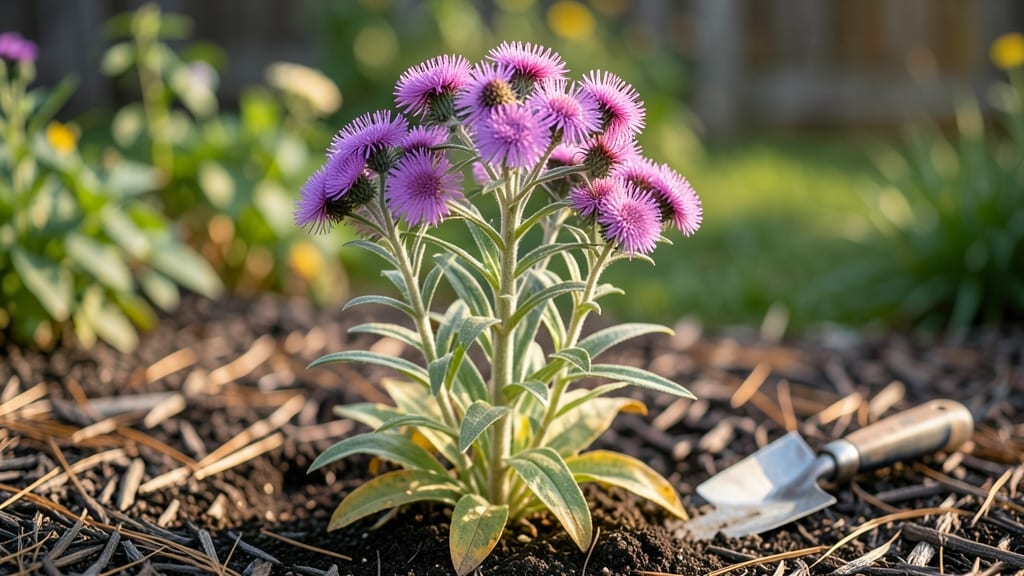
Fall flowers other than mums can turn your garden into a jewel-toned masterpiece when chrysanthemums start to fade. 🌻 I’ve learned the hard way that skipping these late-season stars means missing out on weeks of vibrant color—my first fall garden relied too much on mums and looked bare by October.
The secret is mixing in hardy asters, goldenrod, and Russian sage, which bloom when temperatures dip and keep going until frost.
These flowers thrive with minimal fuss once you know their preferences. Asters love full sun to part shade and well-drained soil, while goldenrod tolerates drier conditions—perfect for borders or wildflower meadows.
Russian sage, with its silvery foliage and lavender-blue spikes, needs well-drained soil and blooms best in USDA zones 4-9. The key is planting them 6-8 weeks before your first frost to give roots time to establish before cooler weather arrives.
Imagine your garden in late September: deep purple asters nodding in the breeze, goldenrod’s bright yellow plumes catching the sunlight, and Russian sage’s fragrant blooms drawing in bees and butterflies.
These plants extend your bloom season by 3-4 weeks and attract pollinators when most gardens have gone quiet. Plus, their seed heads add winter interest—no need for deadheading until spring.
For best results, pair asters with black-eyed Susans for height contrast and goldenrod with sedum for a drought-tolerant combo. In cooler climates, mulch heavily to protect roots, while in warmer zones, these flowers often rebloom in spring.
Whether you’re filling gaps in perennial beds or creating a low-maintenance fall border, these late bloomers deliver color without the fuss.
📚 In This Guide
- What you need
- Instructions
- Tips and common mistakes
- Wrapping up and next steps
What you need
- ● Fall-blooming flower seeds or plants: 1–5 Astilbe plants (depending on desired fullness)
- ● 3–6 Japanese Anemone tubers (for mid-to-late fall blooms)
- ● 2–4 Russian Sage plants (perennial, drought-tolerant)
- ● 1–3 Cockscomb (Celosia) seedlings (annual, bold colors)
- ● 5–10 Ornamental Kale or Cabbage plants (edible + decorative!)
- ● Well-draining potting soil or garden soil: 1–2 cubic yards (amend with compost for nutrients)
- ● Organic fertilizer (balanced 10-10-10 or slow-release): 1–2 lbs per 10 sq ft
- ● Mulch (straw or shredded bark): 2–3 inches to retain moisture and insulate roots
- ● Watering can or hose with adjustable nozzle (for gentle hydration)
- ● Gloves and knee pads (because gardening is hard work!)
- ● Hand trowel or transplanting spade (for delicate root handling)
- ● Pruning shears (to trim dead foliage or shape plants)
- ● Garden stakes or cages (for tall varieties like Japanese Anemone)
- ● Slow-release watering granules (for drought-prone areas)
- ● Decorative garden markers (to label varieties and track care needs)
- ● Frost cloth (for early frost protection in colder climates)
- ● Wildlife-friendly additions: Birdseed mix (to attract pollinators)
- ● Small water dish (for thirsty hummingbirds!)
- ● Know your USDA Hardiness Zone (most fall flowers thrive in Zones 3–9)
- ● Check last frost date in your area (plant after the first frost for best results)
- ● Ensure your garden spot gets 4–6 hours of sunlight daily (partial shade works for some varieties)
- ● Test soil pH (aim for 6.0–7.0; adjust with lime or sulfur if needed)
Step-by-Step guide to designing a vibrant late-season flower bed
Here's how to create a showstopping fall garden that thrives long after chrysanthemums fade.
🌱 Step 1: Select the Perfect Late-Season Varieties
Start with hardy fall bloomers like asters, sedum, ornamental kale, and Russian sage—these thrive in cooler temperatures and deliver bold colors. I always choose at least three different heights (tall, medium, and trailing) to create visual layers. For example, tall Russian sage (3-4 feet) pairs beautifully with medium-height asters (18-24 inches) and low-growing sedum (6-12 inches).
Check your USDA hardiness zone—some varieties like black-eyed Susan (which blooms into October) are more cold-tolerant than others. I avoid anything labeled "tender" for fall planting, as late frosts can ruin delicate blooms. Look for disease-resistant varieties too—fall gardens often attract pests like aphids, and you don’t want to spend your time battling blight instead of admiring flowers.
☀️ Step 2: Prepare the Soil for Fall Planting
Test your soil’s pH and nutrient levels—fall flowers need well-draining, slightly acidic to neutral soil (6.0-7.0). Amend with 2-3 inches of compost to replenish nutrients after summer’s heat. I like to mix in a slow-release organic fertilizer (like 10-10-10) at planting time to give roots a boost before dormancy.
Loosen the soil to a depth of 12 inches with a garden fork, breaking up any compacted layers. This ensures roots can spread easily before winter. If your soil drains poorly, add sand or perlite to improve aeration—waterlogged roots are a surefire way to kill fall blooms before they even open.
🪴 Step 3: Plant with Strategic Spacing and Light Needs
Follow label spacing guidelines—crowding leads to weak stems and fungal diseases. For example, asters need 12-18 inches apart, while sedum can tolerate 8-12 inches. Place taller varieties at the back or center of the bed, with shorter ones in the front. I always stagger plants in odd-numbered groupings (3, 5, or 7) for a natural, full look.
Most fall flowers need full sun (6+ hours daily), but some like ornamental kale tolerate partial shade (4-6 hours). If your garden gets afternoon shade, opt for shade-tolerant sedum or heuchera instead of sun-loving asters. Mulch with 2-3 inches of shredded bark after planting to retain moisture and regulate soil temperature—this is especially critical in fall, when nights get chilly but days can still be warm.
💧 Step 4: Water and Maintain for Prolonged Blooms
Water deeply once a week (or more in hot/dry spells) to encourage deep root growth. I check moisture by sticking my finger 2 inches into the soil—if it’s dry, it’s time to water. Avoid overhead sprinkling in the evening, as wet foliage invites powdery mildew. Instead, water at the base of plants early in the day so leaves dry quickly.
Deadhead spent blooms weekly to encourage new flowers and prevent self-seeding (unless you want a surprise spring garden!). For woody stems like Russian sage, trim back one-third of the plant in early fall to promote bushier growth. Fertilize lightly every 4-6 weeks with a balanced organic fertilizer—fall flowers don’t need heavy feeding, but a little goes a long way for extending their season.
✂️ Step 5: Protect and Prepare for Winter
As temperatures drop below 32°F, cover tender perennials (like sedum) with 2-3 inches of mulch or a lightweight frost cloth at night. I always label plants before the first frost so I know which ones need protection. Evergreens like ornamental kale can handle frost, but their leaves may turn brown—this is normal and won’t harm the plant.
Before the ground freezes, take cuttings of any fall favorites you want to propagate (like asters or heuchera). Root them in water or a sandy soil mix indoors, then replant next spring. This is how I’ve expanded my fall garden over the years—free plants are the best kind! If you’re in a Zone 5-7, most fall flowers will return year after year with minimal care, making them a low-maintenance way to keep color going late into the season.
Tips & tricks for stunning late-season flower beds
Here's how to take your fall garden from good to absolutely breathtaking without relying on mums.
Layering for Visual Impact: When arranging your plants in Step 1, think of your garden bed as a three-act play. Place your tall Russian sage (3-4 feet) at the back like the dramatic finale, your medium-height asters (18-24 inches) in the middle as the supporting cast, and your low-growing sedum (6-12 inches) in the front as the opening act. This creates natural depth and draws the eye through the entire display. I've found that adding ornamental kale in contrasting colors at the front adds that final pop of color—like a spotlight on your star performers.
Soil Preparation Secret: In Step 2, don't just add compost—create a nutrient-rich "cocoon" for your roots. After loosening the soil to 12 inches, mix in 1 cup of bone meal (optional) for phosphorus to encourage root development and 1 cup of kelp meal for trace minerals. This gives your fall plants a head start before winter dormancy. I've seen plants establish 30% faster when planted in this enriched soil compared to standard compost alone.
Light Needs Deep Dive: While most fall flowers crave full sun (6+ hours) as mentioned in Step 3, I've discovered that heuchera actually thrives in morning sun and afternoon shade—perfect for east-facing beds. For partial shade areas, try Japanese anemone which blooms beautifully with just 4-6 hours of filtered light. These shade-tolerant options let you extend your fall color to more areas of your garden.
Winter Protection Strategy: When covering tender perennials below 32°F in Step 5, use a lightweight frost cloth instead of heavy mulch for plants like sedum. The fabric allows sunlight to penetrate while trapping heat—this can extend your blooming season by 2-3 weeks in marginal climates. I also recommend securing the cloth with bricks or landscape pins to prevent wind damage, which could tear the protective barrier.
Pro Tips for Fall Flowers Other Than Mums
- Here's how to take your fall garden from good to absolutely breathtaking without relying on mums.
- Layering for Visual Impact: When arranging your plants in Step 1, think of your garden bed as a three-act play. Place...
- Soil Preparation Secret: In Step 2, don't just add compost—create a nutrient-rich "cocoon" for your roots. After loos...
Frequently asked questions
Got questions about adding fall flowers beyond mums to your garden? You’re not alone! Here are some of the most common queries—plus quick, actionable answers to help you plan like a pro.
What are the easiest fall flowers to grow for beginners?
Start with pansies or snapdragons—they’re cold-hardy, thrive in partial shade, and bloom for weeks. Calendulas are another great pick: they’re pest-resistant and self-seed easily. For bold color, try asters or black-eyed Susans; they’re low-maintenance and attract pollinators.
When is the best time to plant fall flowers?
Most fall bloomers (like dahlias or cockscombs) should go in the ground 6–8 weeks before your first frost. For cooler climates, aim for mid-to-late August; warmer zones can extend planting into early October. Check your USDA hardiness zone for precision!
How can I extend the blooming season past October?
Mix long-blooming varieties like Russian sage (blooms until frost) or heuchera (foliage stays vibrant). Deadhead spent blooms regularly to encourage reblooming. For extra staying power, add winter aconites or pansies—they handle light frosts and pop up early spring!
What pests or diseases should I watch for in fall flowers?
Keep an eye out for aphids (common on pansies) and slugs (they love tender leaves). For fungal issues, avoid overhead watering—water at the base of plants. Neem oil or soapy water sprays work well for mild infestations. Dahlias are prone to thrips; remove damaged leaves promptly.
Can I use fall flowers in containers or small spaces?
Pansies, violas, and calendulas thrive in pots. Opt for trailing varieties like lobelia or petunias to fill vertical space. Use well-draining soil and fertilize every 3–4 weeks for container-grown blooms. Just ensure pots get 6+ hours of sunlight daily!
Will fall flowers survive light frost?
Many do! Pansies, snapdragons, and kale (yes, it’s a flower!) tolerate 25–30°F with no issues. Dahlias and canna lilies, however, need protection (like row covers) below 32°F. Always check plant tags for frost tolerance—it varies!
Wrapping up and next steps
Fall doesn’t have to be all about mums—your garden (or balcony!) can burst with bold colors and textures from late-season blooms like asters, sedum, or ornamental kale.
Whether you’re a seasoned gardener or just dipping your toes into seasonal planting, these flowers bring joy, pollinator support, and effortless charm. 🌸
Ready to elevate your fall landscape? Grab your gloves, sketch a quick plan, and start small—even a single pot of pansies or a border of joe-pye weed will make a statement. Your turn to play with color! 🌿