Flowers
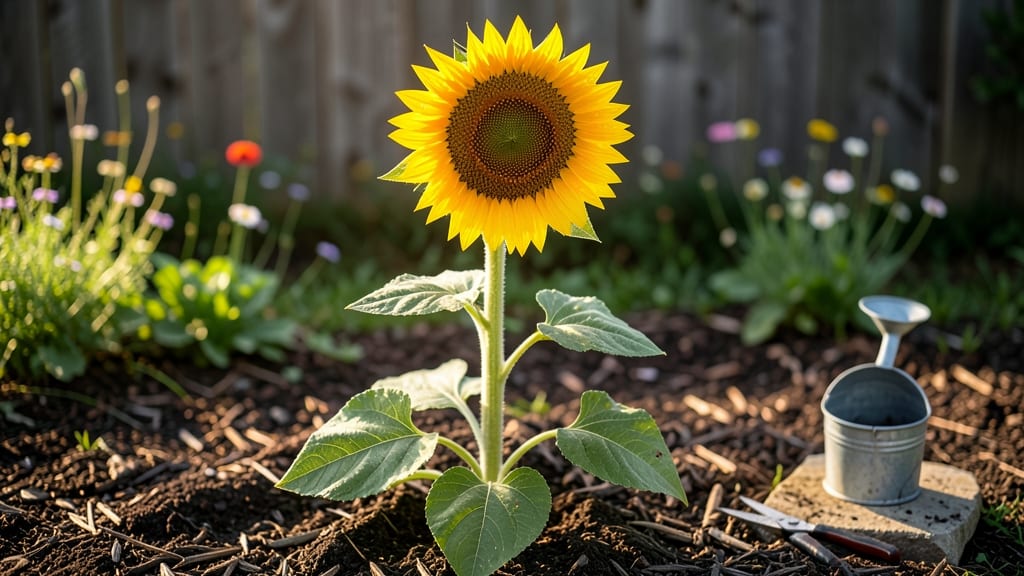
Creating a beautiful sunflower field starts with choosing the right varieties—tall giants for drama, dwarf types for borders, and everything in between for layered impact.
I still remember the first time I planted a mix of 'Moulin Rouge' and 'Autumn Beauty' in my backyard, and how they transformed a plain stretch of land into a golden wave that swayed in the breeze.
Sunflowers thrive in full sun and well-drained soil, but the real magic happens when you mix heights and colors. Plant tall varieties like 'Russian Giant' in the back, medium types like 'Teddy Bear' in the middle, and dwarf sunflowers like 'Sunspot' in the front.
This creates a stunning vertical effect that draws the eye upward while adding depth to your garden.
Companion planting takes the drama to the next level—pair sunflowers with purple salvia, blue delphiniums, or silver foliage plants like lamb's ear. The contrast makes the golden blooms pop even more, and you'll get bonus pollinators buzzing around your space.
By late summer, you'll have a vibrant, living canvas that changes with the light and seasons.
This design works for small gardens, large fields, or even container arrangements on patios. The key is starting with healthy seeds, spacing them properly, and giving them room to grow. Once established, sunflowers are low-maintenance and will reward you with months of bold, cheerful color.
📚 In This Guide
- What you need
- Instructions
- Tips and common mistakes
- Wrapping up and next steps
What you need
- ● Sunflower seeds: Choose a mix of varieties (e.g., Mammoth, Autumn Beauty, or Teddy Bear) for height and color diversity. Aim for 10–20 seeds per square foot—about 1–2 lbs per 100 sq ft.
- ● Well-draining soil: Sunflowers thrive in loamy, slightly acidic soil (pH 6.0–7.5). Amend clay or sandy soil with compost for optimal growth.
- ● Organic fertilizer: A balanced 10-10-10 or 5-10-10 NPK blend (or compost) to kickstart growth. Apply 1–2 lbs per 100 sq ft before planting.
- ● Water: A hose with a gentle spray nozzle or a drip irrigation system (to avoid fungal diseases). Sunflowers need 1–2 inches of water per week.
- ● Garden tools: Trowel or transplanting spade
- ● Garden rake (for leveling soil)
- ● Pruners (for deadheading or shaping)
- ○ Stakes or trellis (optional): For tall varieties (e.g., Mammoth), use 6–8 ft stakes or a lightweight trellis to support stems.
- ○ Mulch (optional): Straw or wood chips to retain moisture and suppress weeds.
- ○ Row markers or flags (optional): To organize seed spacing (12–24 inches apart in rows 2–3 feet apart).
- ● Sunlight: A full-sun location (6+ hours of direct sunlight daily)—sunflowers love basking in warmth!
- ● Space: Dedicate at least 100–500 sq ft for a dramatic field effect. Bigger = better for that wow factor!
- ● Timing: Plant seeds 1–2 weeks after your last frost date (spring) or 90–100 days before first fall frost for late-summer blooms.
- ○ Wildlife awareness (optional): Sunflowers attract bees and birds—place a bird feeder nearby if you want extra visitors!
Step-by-Step guide to designing a striking sunflower field
Here's how to create a vibrant, sun-drenched display that turns heads all summer long.
🌱 Step 1: Choose the Right Sunflower Varieties
Start by selecting a mix of sunflower types for height variation and bloom timing. Tall varieties like 'Mammoth' or 'Russian Giant' create the dramatic backdrop, while mid-height types like 'Teddy Bear' add texture and early color. Dwarf varieties like 'Sunspot' can edge the field for a polished look. I always include at least three different heights to create visual layers.
Check seed packets for days to maturity—plant early, mid, and late varieties to ensure continuous blooms. This staggered approach prevents the field from looking sparse when some varieties finish flowering. For a true golden canopy, focus on 75% tall types and 25% mid-height varieties. The contrast between towering stems and bushier forms adds depth.
☀️ Step 2: Select and Prepare the Planting Site
Sunflowers need full sun to reach their full potential, so choose a location that receives at least 6-8 hours of direct sunlight daily. Avoid low-lying areas where cold air settles, as sunflowers are frost-sensitive. Clear the area of weeds and grass, then loosen the soil to a depth of 12-15 inches using a broadfork or tiller.
Sunflowers thrive in well-draining soil with a pH between 6.0 and 7.5. If your soil is heavy clay or sandy, amend it with 2-3 inches of compost mixed into the top 6 inches of soil. This improves moisture retention and nutrient availability. I always test soil moisture before planting—if it feels dry 2 inches below the surface, water the area thoroughly 24 hours before sowing.
🌿 Step 3: Plant Seeds for Maximum Impact
Plant seeds in rows spaced 18-24 inches apart, with individual seeds 1-2 inches deep and 6-12 inches apart within the row. For a natural, wildflower effect, scatter seeds more loosely and thin seedlings later. Press seeds lightly into the soil to ensure good contact with moisture. I use a simple stick or my finger to create small furrows for seeds, then cover them gently with soil.
Water immediately after planting to settle the soil and provide moisture for germination. Keep the soil consistently moist but not soggy—sunflower seeds germinate best in 65-75°F soil. You'll see sprouts in 7-14 days, depending on soil temperature. Once seedlings emerge, thin them to the desired spacing, keeping the strongest plants. This prevents overcrowding and ensures each plant has room to grow.
💧 Step 4: Maintain for a Lush, Dramatic Display
Sunflowers are drought-tolerant once established, but consistent moisture during the first 4-6 weeks encourages strong root development. Water deeply 1-2 times per week, providing 1 inch of water per week. Let the soil dry slightly between waterings to prevent fungal diseases. I always water in the early morning to reduce evaporation and allow foliage to dry quickly.
Fertilize lightly at planting with a balanced, slow-release fertilizer (10-10-10 or similar), then side-dress with compost or a low-nitrogen fertilizer when plants reach 12 inches tall. Avoid over-fertilizing—sunflowers are heavy feeders, but too much nitrogen produces lush foliage at the expense of blooms. Watch for pests like sunflower moths or beetles; if spotted, treat with neem oil or insecticidal soap as needed.
✂️ Step 5: Enjoy and Extend the Seasonal Drama
Let sunflowers bloom fully for the boldest impact, but deadhead spent blooms to encourage continuous flowering. Cut back faded stems to 6 inches above the ground in late fall to promote new growth the following year. Save seeds from the best-performing plants for next season's planting. I always leave a few stems standing for birds and wildlife, adding another layer of seasonal interest.
For a year-round display, consider adding perennial companions like coneflowers, black-eyed Susans, or ornamental grasses. These plants thrive in sunflower fields and extend the seasonal color palette. Take photos of your sunflower field at different times of day—the golden hues glow most dramatically during the golden hours of morning and late afternoon.
Tips & tricks for perfect sunflower field design
Creating a stunning sunflower display is all about the details—here's what I've learned after designing fields for years.
Variety Planning: When selecting your 75% tall and 25% mid-height varieties, consider bloom timing as much as height. Plant early-blooming varieties like 'Teddy Bear' first, followed by mid-season types, then late-season varieties. This creates a continuous color display from early summer to fall. I once planted all my tall varieties at once and ended up with a field that looked sparse by August—don't make that mistake!
Soil Preparation Secret: The 12-15 inch soil loosening in Step 2 is crucial for root development, but don't stop there. If your soil has poor drainage, create raised beds 6-8 inches high to prevent waterlogging. I've seen sunflowers in heavy clay soil struggle until I added these simple raised beds—roots can't develop properly when they're constantly wet.
Planting Precision: For that perfect 18-24 inch row spacing, use a simple string line method: tie strings between stakes at your desired spacing, then plant along the strings. This ensures uniform rows that create that professional, symmetrical look. I also recommend planting seeds slightly deeper (closer to 2 inches) in dry climates—the extra depth helps them reach moisture.
Watering Wisdom: The first 4-6 weeks are critical for establishing strong roots, but don't overwater. Instead of watering lightly every day, give your field a deep soaking 1-2 times per week. I use a rain gauge to track exactly 1 inch of water per week—this prevents fungal diseases while encouraging deep root growth. Early morning watering (as mentioned) also helps prevent powdery mildew, which can ruin your golden display.
Pro Tips for Beautiful Sunflower Field
- Creating a stunning sunflower display is all about the details—here's what I've learned after designing fields for ye...
- Variety Planning: When selecting your 75% tall and 25% mid-height varieties, consider bloom timing as much as height....
- Soil Preparation Secret: The 12-15 inch soil loosening in Step 2 is crucial for root development, but don't stop ther...
Frequently asked questions
Got questions about creating your own stunning sunflower field? Here are some common ones—and their answers—to help you plan like a pro!
When is the best time to plant sunflowers for a full bloom?
The ideal planting window depends on your climate, but most sunflowers thrive when sown 2–3 weeks after the last frost in spring. For a dramatic summer display, aim for early May in cooler regions or late April in warmer zones. Pro tip: Check your local frost dates and choose early-maturing varieties (like 'Moulin Rouge' or 'Autumn Beauty') for peak color by July!
How much does it cost to create a sunflower field?
Costs vary based on size and materials, but here’s a rough breakdown for a 1,000 sq. ft. plot:
Item
Estimated Cost
Seeds (500–1,000 plants)
$20–$50
Soil amendments (compost, fertilizer)
$30–$80
Fencing (optional, for wildlife)
$100–$300
Watering system (drip irrigation)
$50–$150
DIY-ing saves money—skip fencing if pests aren’t an issue!
Can I grow sunflowers in containers or small spaces?
Dwarf varieties like 'Teddy Bear' or 'Moulin Rouge' (3–4 ft tall) thrive in large pots (12+ inches deep) or raised beds. Just ensure they get 6+ hours of sunlight daily and well-draining soil. For small gardens, plant in clusters to maximize impact—even a 5-gallon bucket can hold 1–2 sunflowers!
Will sunflowers attract bees and pests? How do I manage them?
Sunflowers are bee magnets—great for pollinators! To deter pests like birds or squirrels, try:
- Netting over young plants (remove before blooming).
- Reflective tape or old CDs hung nearby to scare off birds.
- Neem oil spray for aphids (use sparingly).
Embrace the bees—they’re essential for your sunflowers’ success!
How long do sunflowers stay beautiful?
Sunflowers typically bloom for 2–3 weeks per plant, but with staggered planting (every 2 weeks), your field can stay vibrant for 6–8 weeks. Deadhead spent blooms to encourage more flowers, and leave some seed heads for birds—it’s a win-win! Pro tip: Cut back foliage in fall to prep for next year’s even more dramatic display.
Wrapping up and next steps
A beautiful sunflower field isn’t just a dream—it’s a vibrant, achievable reality that transforms any summer landscape into a stunning masterpiece. 🌻 Whether you’re a seasoned gardener or a first-time planter, the bold yellow canopies you create will bring joy, inspiration, and a touch of natural drama to your space.
Now that you’re armed with the right materials, tips, and answers, it’s time to roll up your sleeves and make it happen!
Start small—plant a few rows this season—and watch as your vision grows into something breathtaking. Before you know it, you’ll be the envy of the neighborhood with your sunflower field oasis. Happy planting! 🌱✨