
Shrubs
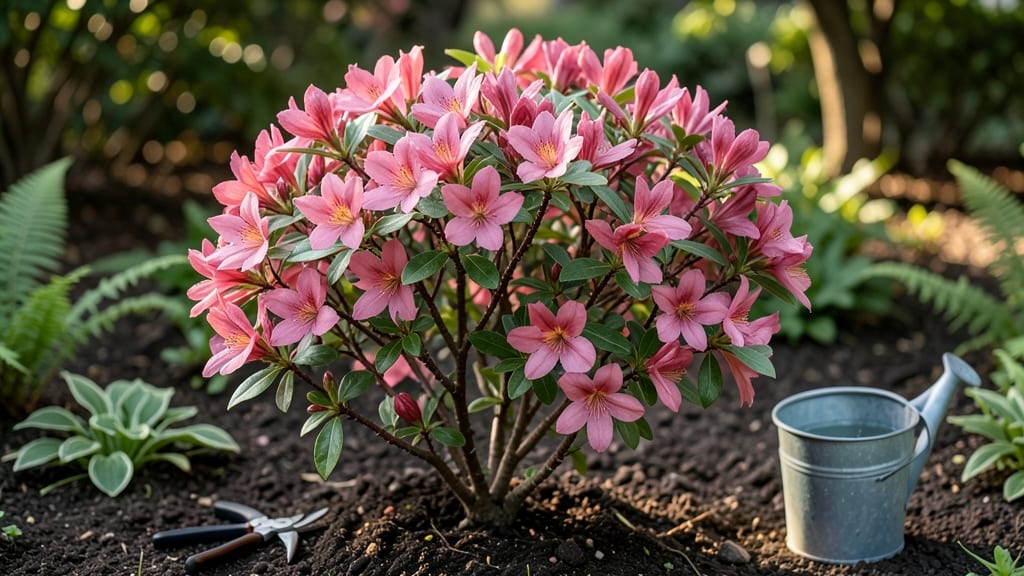
Flowering quince shrubs turn your yard into a year-round fragrance factory—their spicy-sweet blooms perfume the air from late winter through spring, and their glossy foliage stays lush all year. I planted mine against a brick wall, and now neighbors ask what I’m spraying (it’s just the scent!).
These tough shrubs handle neglect, thrive in tight spaces, and even produce edible fruit—though the taste is an acquired quirk (like overripe apples with a kick).
The secret to their showstopping performance lies in smart pruning and placement. They love full sun but tolerate partial shade, and their roots tolerate poor soil—though they reward you best with well-draining, slightly acidic earth.
My 3-gallon container specimen blooms just as heavily as the one in the ground, proving they’re perfect for patios or small yards. Water them deeply once a week after establishment, and you’ll avoid the most common mistake: letting them dry out during their first summer.
By late spring, you’ll be pinching back new growth to encourage bushier blooms next year, and those velvety red or pink flowers will return bigger and brighter. The shrubs even handle urban pollution better than many roses—ideal for city gardens.
With minimal effort, you’ll have a fragrant, low-maintenance centerpiece that outshines seasonal flowers. Ready to make yours the envy of the block?
Whether you’re tucking one into a corner or growing it in a pot, flowering quince adapts beautifully. The key is pruning in late winter to shape the shrub and encourage next year’s blooms—no shears required after that.
Even their thorns can’t stop the magic once you see them in full bloom. Let’s get yours thriving!
📚 In This Guide
- What you need
- Instructions
- Tips and common mistakes
- Wrapping up and next steps
What you need
- ● Flowering quince shrubs: 1-3 bare-root or container-grown plants (choose varieties like Chaenomeles speciosa or C. japonica for best fragrance and blooms).
- ● Well-draining soil: A mix of native soil, compost (20-30%), and perlite or sand (10-20%) for aeration. Test soil pH (ideal: 5.5–6.5).
- ● Mulch: 2–3 inches of organic mulch (e.g., wood chips or shredded bark) to retain moisture and suppress weeds.
- ● Pruning shears: Bypass pruners (sharp, 4–6-inch blades) for clean cuts.
- ● Gloves: Heavy-duty gardening gloves (thick leather or nitrile-coated for thorn protection).
- ● Watering can or hose: With a gentle spray nozzle (1–2 gallons capacity).
- ● Fertilizer: Balanced, slow-release granular fertilizer (e.g., 10-10-10) or organic options like composted manure.
- ○ Stakes or supports (optional but helpful): 3–4 wooden or metal stakes (4–6 ft tall) if planting in windy areas.
- ● Soil tester kit: To check pH and nutrient levels before planting.
- ● Root stimulator: Mycorrhizal fungi or liquid rooting hormone for faster establishment.
- ● Pruning saw: For thicker branches (>1 inch in diameter).
- ● Drip irrigation system: For consistent moisture (especially in hot climates).
- ● Fragrance-friendly companions: Nearby plants like roses or lavender to enhance your sensory garden!
Instructions for pruning flowering quince shrubs
Pruning transforms these shrubs from pretty to spectacular—here's how to keep them blooming and fragrant all year.
Time Your First Pruning for Early Spring
Wait until just after the last frost when new growth begins—typically late February to early March in most climates. This timing ensures you don't cut back flower buds that may have already formed for spring blooms. Look for swollen buds along the stems as your signal that it's time to begin.
Flowering quince thrives when pruned before leaf-out, meaning you'll see bare branches but feel the subtle swelling of buds preparing for spring. If you prune too early, you risk cutting healthy wood that hasn't yet shown signs of dormancy breaking. If you wait too long, you may remove some of the current season's blossoms.
Remove Dead, Diseased, or Crossing Branches
Start by inspecting each branch for dead wood—it appears gray, brittle, and doesn't bend when touched. Cut these out first, making clean cuts at the branch collar where the branch meets the main stem. Next, look for crossing or rubbing branches—these create wounds where disease can enter and weaken the plant.
Use sharp pruning shears to make cuts at a 45-degree angle, about ¼ inch above a bud or lateral branch. Avoid leaving stubs, as they can rot and invite pests. If you find branches with mushrooms or sawdust-like frass (signs of borers), remove them immediately and sterilize your tools with rubbing alcohol.
Thin Out Overcrowded Areas for Better Airflow
Flowering quince grows densely, so thinning encourages stronger blooms and healthier foliage. Focus on the center of the shrub, where branches may be too close together. Remove one-third of the oldest stems at ground level to rejuvenate the plant. This isn't as drastic as it sounds—these stems are often woody and no longer contribute much to flowering.
As you work, step back occasionally to visualize the shrub's shape. Aim for an open, vase-like form that allows sunlight and air to reach all parts. If you see water sprouts (thin, upright shoots growing straight up), cut them out entirely—they drain energy from the plant without adding beauty or fragrance.
Shape Lightly for Balance and Bloom Display
After removing dead, diseased, and overcrowded branches, focus on refining the shrub's outline. Prune outer branches to encourage a rounded, natural shape rather than a rigid geometric form. Cut back long, leggy stems by about one-third to promote bushier growth and more blooms.
Pay attention to where the strongest buds are located—these will produce the most flowers. When making cuts, leave 2-3 buds on each remaining stem to ensure new growth. Avoid heavy pruning in one area, as this can create uneven growth patterns. Instead, distribute cuts evenly around the shrub for a balanced look.
Clean Up and Maintain Through the Year
After pruning, sterilize your tools with rubbing alcohol to prevent spreading disease. Collect and dispose of all clippings—never leave them on the ground, as they can harbor pests or diseases. Water the base of the shrub deeply to help it recover from the pruning stress.
Throughout the growing season, monitor for new growth and remove any suckers (shoots growing from the base) or weak, spindly branches as they appear. In late summer or early fall, you can do a light touch-up prune to shape the shrub for winter and remove any spent blooms that may have formed. This keeps the plant tidy and encourages next year's flowers.
Tips & tricks for perfect flowering quince shrubs
Here's what nobody tells you about keeping these fragrant beauties thriving through every season.
Timing is Everything: The late February to early March window is non-negotiable for spring pruning. I've seen gardeners miss this timing and end up with fewer blooms—those swollen buds are your only clue that the plant is ready. If you're in a warmer climate, wait until you've seen the first signs of new growth rather than relying solely on the calendar. This ensures you're not cutting back potential flower buds.
Tool Prep Makes All the Difference: Sterilizing your pruning shears with rubbing alcohol between cuts is a game-changer. I learned this the hard way after seeing my quince develop strange spots from contaminated tools. Keep a small bottle of alcohol handy and wipe down blades after every 3-4 cuts, especially when dealing with diseased branches. Sharp tools also make cleaner cuts that heal faster—dull shears tear the bark, creating larger wounds.
The One-Third Rule: When thinning out overcrowded areas in Step 3, remember that one-third isn't just a number—it's about rejuvenation. Those oldest stems you're removing might look sturdy, but they're often the least productive. Focus on the center first where airflow is poorest, then work your way outward. This creates space for new growth while maintaining the shrub's natural shape.
Visual Cues Over Guessing: Instead of relying on measurements, train yourself to recognize the visual signals mentioned in the instructions. Swollen buds should feel slightly firm when gently pressed, while dead wood will snap like dry twigs. For shaping, aim to create an outline where you can see light through the center—this tells you you've achieved proper thinning. The goal is sunlight reaching all parts of the plant, not just the outer branches.
Pro Tips for Flowering Quince Shrubs
- Here's what nobody tells you about keeping these fragrant beauties thriving through every season.
- Timing is Everything: The late February to early March window is non-negotiable for spring pruning.
- Tool Prep Makes All the Difference: Sterilizing your pruning shears with rubbing alcohol between cuts is a game-changer.
Frequently asked questions
Got questions about growing and maintaining flowering quince shrubs? Here are some of the most common ones—plus expert tips to keep your fragrant beauty thriving year-round!
When is the best time to prune flowering quince shrubs?
Prune Chaenomeles shrubs right after they finish blooming in late spring (around May). This ensures you don’t cut off next year’s flower buds, which form on old wood. Avoid heavy pruning in fall or winter, as it can stress the plant and reduce spring blooms.
Why aren’t my flowering quince shrubs blooming as much as they used to?
Over-pruning, poor sunlight (they need 6+ hours of sun daily), or nutrient deficiencies can reduce blooms. Check for thinning (removing old wood) in late winter to encourage new growth. Also, ensure well-draining soil—root rot from soggy conditions can weaken the plant.
Can I grow flowering quince in containers? What’s the best soil mix?
Yes! Use a 5-gallon container minimum with a mix of potting soil, perlite, and compost (ratio: 2:1:1). Add a slow-release fertilizer in spring. Containers dry out faster, so water deeply when the top inch of soil feels dry. Drainage holes are non-negotiable—quince hates soggy roots!
What pests or diseases should I watch for in flowering quince?
Common issues include:
- Scale insects: Look for sticky residue on leaves—treat with horticultural oil.
- Fire blight: Blackened, oozy branches? Prune infected areas 6 inches below the damage and sterilize tools with rubbing alcohol.
- Powdery mildew: Boost airflow and spray with neem oil if white fungus appears.
Prevention? Prune for airflow and avoid overhead watering.
Are there fragrant alternatives to flowering quince if mine struggles in my climate?
If your zone is below 5 or too humid, try these fragrant, low-maintenance shrubs:
- Dwarf Fothergilla (Fothergilla gardenii): White spring blooms + fall foliage (zones 5–7).
- Mock Orange (Philadelphus): Highly fragrant white flowers (zones 4–9).
- Abelia: Blooms spring to fall (zones 6–9); tolerates partial shade.
All three thrive with similar care but adapt better to cooler or wetter climates.
Wrapping up and next steps
Flowering quince shrubs are a fragrant, low-maintenance gem that rewards gardeners with stunning blooms and year-round interest—when you master the art of pruning! 🌸 From shaping your shrub for optimal airflow to timing cuts for vibrant spring flowers, these tips ensure your quince thrives.
Whether you’re a novice or a seasoned gardener, a little pruning science goes a long way in transforming your landscape into a sensory delight.
Ready to elevate your garden? Start small: pick one quince shrub this season, grab your pruners, and follow the steps above. Before you know it, your yard will be buzzing with seasonal beauty and intoxicating scent. Happy pruning! 🌿✂️