
Shrubs
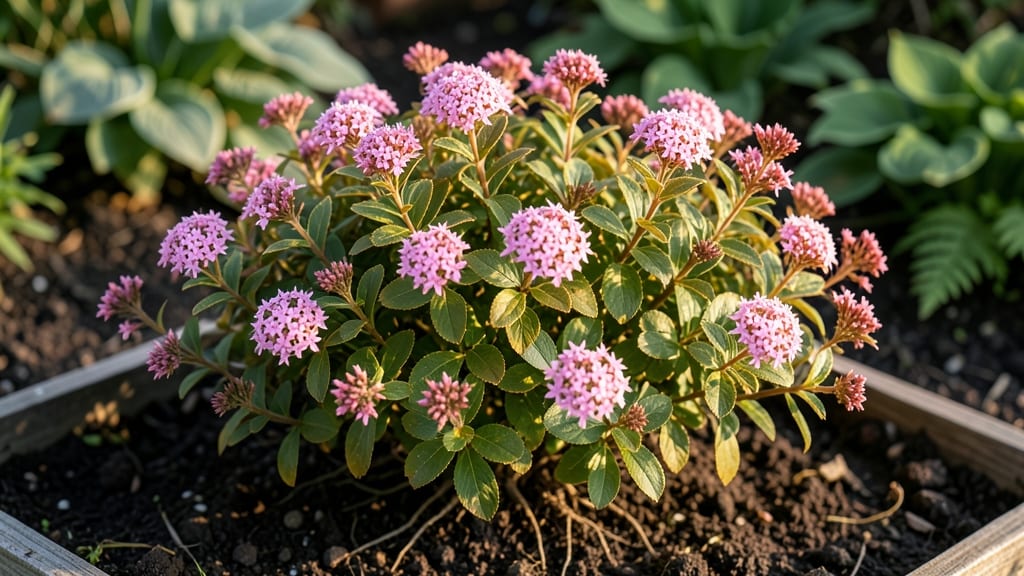
Planting flowering choice spirea in your Pacific Northwest garden is like adding a four-season paintbrush to your landscape—vibrant blooms in spring, golden foliage in fall, and sturdy structure year-round. 🌿 I’ve watched mine thrive through our damp winters and soggy springs, proving it’s the one shrub that never lets me down.
The secret lies in its adaptability: it handles shade, sun, and even wet soil better than most shrubs I’ve tried.
This isn’t just another pretty face—it’s a pollinator magnet and a low-maintenance workhorse. Pair it with heucheras for contrasting foliage or use it as a hedge that blooms. My neighbors’ yards look sterile by comparison; mine stays lively from March to November with minimal effort.
The key is choosing the right variety—Spiraea japonica for classic blooms or Spiraea arguta for a more compact, ground-hugging look.
You’ll end up with a garden that feels alive in every season—pink clouds of flowers in spring, fiery orange leaves in fall, and clean, architectural branches in winter.
The best part? It handles our Pacific Northwest’s mild winters and rainy springs without complaint. Once established, it’s nearly indestructible, making it perfect for busy gardeners who still want drama.
Whether you’re lining a pathway, creating a mixed shrub border, or just adding color to a dull corner, spirea delivers. Here’s how to make it the star of your landscape without the fuss.
📚 In This Guide
- What you need
- Instructions
- Tips and common mistakes
- Wrapping up and next steps
What you need
- ● Flowering Choice Spirea Plants: 1–3 Spiraea japonica 'Flowering Choice' shrubs (bare-root or container-grown, depending on season).
- ● Check for vibrant green leaves and healthy root systems (for bare-root).
- ● Soil Amendments: 5–10 lbs compost or well-rotted manure per planting hole.
- ● 1–2 lbs slow-release fertilizer (10-10-10 or similar, organic preferred).
- ● Mulch: 2–3 cubic feet wood chips or pine straw (to retain moisture and regulate temperature).
- ● Digging Tools: 1 garden shovel (for planting holes).
- ● 1 hand trowel (for fine adjustments).
- ● Watering Supplies: 1 hose with adjustable nozzle or watering can (deep-watering capability ideal).
- ○ Optional: drip irrigation kit for long-term care.
- ● Pruning Tools: 1 sharp bypass pruners (for shaping and maintenance).
- ● 1 loppers (for thicker stems, if needed).
- ○ Safety Gear (Optional but Recommended):strong> 1 pair gardening gloves (to protect hands from thorns or rough bark).
- ● 1 knee pad (for comfort during planting).
- ● Location: A sunny to partially shaded spot (6+ hours of sunlight daily for best blooms).
- ● Soil Type: Well-draining, slightly acidic to neutral soil (pH 6.0–7.0). Amend clay soil with sand or peat moss if needed.
- ● Spacing: Plant shrubs 3–5 feet apart to allow airflow and growth.
- ● Climate Readiness: Flowering Choice Spirea thrives in USDA Zones 4–8—perfect for the PNW’s frost!
Step-by-step guide for planting and caring for flowering choice spirea
This hardy shrub thrives in Pacific Northwest climates—here’s how to plant and maintain it for stunning year-round interest.
🌱 Step 1: Select the Perfect Planting Location
Flowering choice spirea loves full sun to partial shade, with at least 4-6 hours of direct sunlight daily. In the Pacific Northwest, where mornings can be damp, choose a spot with afternoon sun exposure to prevent fungal issues. The shrub tolerates a range of soil types but performs best in well-draining, slightly acidic soil with a pH between 5.0 and 6.5.
Here’s the thing—this plant is drought-tolerant once established, but it won’t thrive in soggy soil. If your yard has heavy clay, amend the planting area with 2-3 inches of compost to improve drainage. I always test the soil first by squeezing a handful—if it holds a tight ball when wet, you’ll need to loosen it up.
🪴 Step 2: Plant at the Right Depth and Spacing
Dig a hole twice as wide as the root ball but no deeper—planting too low can suffocate roots and lead to rot. Gently remove the shrub from its container and loosen any circling roots with your fingers. This prevents root girdling, which can stunt growth.
Space your spirea 3-5 feet apart for mature size, depending on the variety. Flowering choice spirea typically matures between 3-5 feet tall and wide, so give it room to spread without crowding. Place the shrub in the hole so the top of the root ball sits 1 inch above ground level—this prevents water from pooling around the stem.
💧 Step 3: Water Deeply and Mulch for Retention
Water the newly planted spirea deeply right after planting to settle the soil and eliminate air pockets. Aim for 1-2 gallons of water per plant, soaking the root zone until it drains from the bottom. In the Pacific Northwest’s cool, damp climate, you’ll only need to water once a week after the first month unless you’re in a hot, dry microclimate.
Apply 2-3 inches of mulch around the base, keeping it 3 inches away from the stem to prevent rot. I use shredded bark or wood chips because they break down slowly and improve soil structure over time. Mulch helps regulate soil temperature and reduces weed competition—just refresh it annually as it decomposes.
☀️ Step 4: Prune for Shape and Encourage Blooms
Prune flowering choice spirea right after flowering, typically in late spring or early summer. This encourages fresh growth and more abundant blooms next season. Use clean, sharp pruners to cut back one-third of the oldest stems to the ground, making cuts just above a healthy bud or lateral branch.
Here’s where it gets fun—watch for new growth emerging from the base. Avoid heavy pruning in fall or winter, as this shrub blooms on old wood. If you notice leggy growth or overcrowding, thin out the oldest stems to improve air circulation and reduce disease risk. Real talk: Skipping pruning leads to a woody, unkempt shrub with fewer flowers.
✂️ Step 5: Maintain Year-Round for Frost Resistance
Flowering choice spirea is one of the toughest shrubs for Pacific Northwest winters, but a little care keeps it looking its best. In late fall, remove any dead or damaged branches and apply a 1-inch layer of mulch around the base to insulate roots from freezing temperatures.
This shrub’s foliage often turns a stunning bronze or purple in winter, adding seasonal interest. If you notice browning leaves in early spring, don’t panic—it’s usually just winter burn from cold winds. Prune out any damaged foliage in early spring before new growth begins. With proper care, your spirea will reward you with vibrant blooms from late spring through summer and striking winter color.
Tips & tricks for perfect flowering choice spirea planting
These pro-level insights will help you transform your Pacific Northwest garden into a year-round spirea showcase.
Soil Test First: Before planting, conduct a simple pH test using a kit from your local garden center. Flowering choice spirea thrives in slightly acidic soil (pH 5.0-6.5), and adjusting your soil's pH can make all the difference. If your test shows alkaline soil, amend with elemental sulfur according to package instructions before planting. This is especially important in our region where natural soils often lean alkaline.
Root Ball Prep: When removing your spirea from the container, gently tease apart any circling roots with your fingers rather than cutting them. This encourages outward root growth that will establish better in your garden soil. I've seen plants with cut roots struggle for years to recover—don't make that mistake. After loosening, soak the root ball in water for 10-15 minutes before planting to ensure it's fully hydrated for transplant shock prevention.
Sunlight Strategy: While spirea tolerates partial shade, the 4-6 hours of direct sunlight we've specified should be afternoon sun in our Pacific Northwest climate. Morning sun can leave foliage damp too long, increasing fungal risk. If your yard has limited afternoon sun, consider planting near a south-facing wall or fence that reflects additional light during peak sun hours. This simple adjustment can double your blooming potential.
Mulching Mastery: The 2-3 inches of mulch we recommend should be applied after the soil has settled around the roots. Press the mulch lightly against the soil to eliminate air pockets that could dry out roots. For winter protection, increase your mulch depth to 3 inches in late fall, but remember to keep it 3 inches away from the stem to prevent rot. I've found cedar mulch works particularly well as it naturally repels pests while breaking down slowly.
Pro Tips for Flowering Choice Spirea
- These pro-level insights will help you transform your Pacific Northwest garden into a year-round spirea showcase.
- Soil Test First: Before planting, conduct a simple pH test using a kit from your local garden center.
- Root Ball Prep: When removing your spirea from the container, gently tease apart any circling roots with your fingers rather than cutting them.
Frequently asked questions
Got questions about flowering choice spirea? You’re not alone! This hardy shrub is a favorite, but it’s smart to know the ins and outs before planting. Here are answers to the most common queries—so you can confidently add this PNW stunner to your garden.
When is the best time to plant flowering choice spirea?
Plant in early spring or fall for ideal root establishment. Avoid extreme heat or frost—spring lets it settle before summer’s intensity, while fall gives roots time to grow before winter. Pro tip: Water deeply after planting to reduce transplant shock!
How cold-hardy is flowering choice spirea, really?
This shrub thrives in USDA Zones 3-8, making it perfect for the Pacific Northwest’s chilly winters. It handles down to -40°F without flinching! Just ensure it gets full sun to partial shade—too much shade can reduce blooms.
Why isn’t my spirea flowering as much as expected?
Poor blooms often mean too much shade, over-fertilizing, or pruning at the wrong time. Prune right after flowering (late spring/early summer) to encourage new growth. Avoid heavy nitrogen fertilizer—it fuels leaves over blooms!
Can I prune flowering choice spirea in winter?
Nope! Winter pruning can remove next year’s flower buds (they form on old wood). Stick to light shaping after blooming or a harder prune in late spring if needed. For dramatic renewal, prune 1/3 of the oldest stems back every few years.
What are some great alternatives if I love spirea but need a different look?
Try these PNW-friendly picks:
- Butterfly Bush (Buddleia) – Long-blooming, attracts pollinators (but can be invasive).
- Weigela – Vibrant flowers, similar care, but slightly less cold-hardy.
- Dwarf Ninebark (Physocarpus) – Tough, multi-season interest, and deer-resistant!
- Oregon Grape (Mahonia) – Evergreen, berries, and zero fuss.
Are there pests or diseases I should watch for?
Spirea is low-maintenance, but keep an eye out for:
- Spider mites (dry conditions) – Spray with water or neem oil.
- Powdery mildew (humid shade) – Improve airflow, avoid overhead watering.
- Japanese beetles – Handpick or use organic sprays early.
Wrapping up and next steps
Choosing flowering choice spirea for your Pacific Northwest garden is a win-win—it’s stunning, low-maintenance, and built to thrive in frost, rain, and even tough soil. Whether you love its cascading blooms, vibrant foliage, or year-round interest, this shrub delivers beauty with minimal fuss. 🌸❄️
Ready to transform your outdoor space? Take the next step! Visit a local nursery to pick your favorite variety, or sketch a planting plan to highlight its star power in your landscape. With spirea, your garden’s best days are just a season away.