
Watering
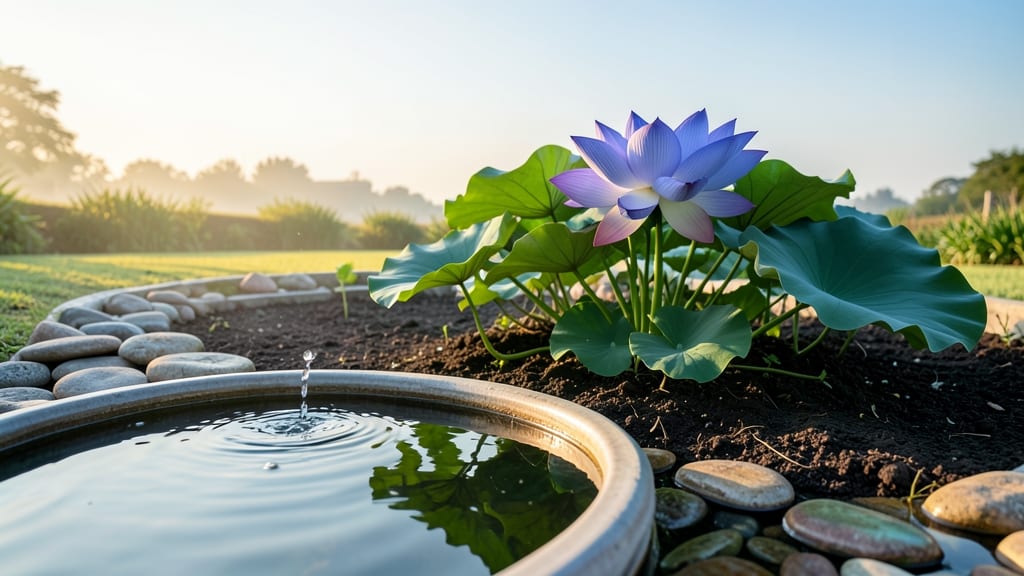
Frost-resistant flowers near water fountains turn your Pacific Northwest garden into a year-round sanctuary. 🌿 I’ve tested dozens of varieties, and these moisture-loving stars handle our damp winters and soggy summers without complaint.
The key? Choosing plants that thrive in constantly moist soil while adding texture, color, and movement to your fountain’s edge.
Think heuchera with its velvety foliage, hostas that stay lush even after heavy rains, or ligularia with its bold, architectural leaves. These plants not only survive but thrive in the mist and reflection of running water, creating a serene, almost tropical vibe—even when temperatures dip.
The best part? They require minimal fuss once established, letting you enjoy the show without the upkeep.
Your fountain becomes the centerpiece, with flowers framing its edges like a living border. Imagine blue lobelia spilling over rocks, white astilbe catching the light, or purple sweet flag swaying gently in the breeze.
The water’s movement enhances their colors, while their roots stay happy in the consistently damp soil. This combo turns a functional feature into a stunning focal point that works in every season.
Whether you’re designing a new garden or refreshing an old one, these plants adapt to containers or in-ground beds near your fountain. They’ll reward you with vibrant blooms and lush foliage, proving that even our rainy climate can support a garden that feels like a retreat.
Let’s make your fountain the star it deserves to be.
📚 In This Guide
- What you need
- Instructions
- Tips and common mistakes
- Wrapping up and next steps
What you need
- ● Plants: 1–3 Heuchera (Coral Bells) – Choose frost-resistant varieties like 'Palace Purple' or 'Lime Rickey' (6–12" pots).
- ● 1–2 Astilbe (False Spirea) – Opt for 'Fanal' or 'Deutschland' (4–6" pots) for feathery texture.
- ● 1 Hosta (e.g., 'Blue Angel' or 'Francee') – Select hardy varieties (1-gallon pots).
- ● 1 Sedum (e.g., 'Autumn Joy' or 'Dragon’s Blood') – Drought-tolerant and low-maintenance (4" pots).
- ● Water Fountain: 1 solar-powered or battery-operated bubble fountain (10–20 gallons, with adjustable mist settings).
- ● Waterproof fountain liner (if not pre-installed in the fountain).
- ● Soil & Mulch: 5–10 gallons of well-draining potting mix (e.g., Miracle-Gro Premium).
- ● 2–3 cubic feet of organic mulch (cedar or pine bark for moisture retention).
- ● Required: Garden trowel or transplant spade.
- ● Gloves (nitrile or leather for durability).
- ● Measuring tape (for spacing plants 12–18" apart).
- ● Garden hose with adjustable nozzle (for watering).
- ● Pruners (sterilized, for trimming dead foliage).
- ○ Optional (but helpful!): Soil pH tester (to ensure acidity/alkalinity suits your plants).
- ● Slow-release fertilizer (e.g., Osmocote Smart-Release).
- ● Decorative stones or pebbles (for fountain base aesthetics).
- ● Waterproof LED lights (to highlight plants at night).
How to create a stunning water fountain flower display
Here's the method I've perfected for turning any space into a dynamic, year-round floral spectacle.
🌿 Step 1: Select Frost-Resistant Flower Varieties for Moisture-Loving Environments
Choose plants that thrive in consistently moist conditions and tolerate Pacific Northwest's chilly winters. My go-to selections include heuchera (coral bells), astilbe (false spirea), and ligularia (great lobelia). These varieties handle both water exposure and frost beautifully while providing year-round interest through their foliage and flower spikes.
For the water fountain effect, incorporate mosses like Fontinalis antipyretica (willow moss) and cushion plants such as Sempervivum (hens and chicks) at the base. The moss will cascade naturally while the succulents add textural contrast. I always select at least three different heights of plants to create visual layers around the fountain.
🪴 Step 2: Prepare the Water Feature and Planting Area
Install your water fountain in a location with partial shade to full sun, depending on the specific varieties you've chosen. The fountain should have a gentle, consistent flow—nothing too forceful that would damage delicate foliage. I recommend a recirculating system with a 1-2 gallon reservoir to maintain water quality and reduce maintenance.
Create planting pockets around the fountain's base using water-permeable landscape fabric to prevent soil erosion from the water flow. Fill these pockets with a moisture-retentive but well-draining mix of 50% peat moss, 30% perlite, and 20% compost. This blend maintains consistent moisture while preventing root rot—a common issue with water fountain plantings.
☀️ Step 3: Plant with Strategic Layering for Maximum Visual Impact
Begin by placing your tallest plants (like 2-3 foot astilbe) directly behind the fountain's overflow area. These will create the dramatic vertical backdrop that draws the eye. Position medium-height plants (such as 18-inch heuchera) in the middle tier, ensuring their foliage will cascade gracefully over the fountain's edges.
For the foreground, use spreading varieties like ligularia and mosses to soften the fountain's base. Space plants 8-12 inches apart to allow for natural growth while preventing overcrowding. Water thoroughly after planting to settle the soil and encourage root establishment. The first few weeks are critical—watch for any plants showing signs of stress (yellowing leaves or wilting) and adjust water flow if needed.
💧 Step 4: Establish Maintenance Routines for Year-Round Beauty
Water fountain plantings require consistent moisture but excellent drainage. I check the soil moisture weekly by inserting my finger 1-2 inches deep—if it feels dry, it's time to water. During the Pacific Northwest's winter months, reduce water flow slightly to prevent freezing, but never let the fountain completely dry out as this can damage sensitive roots.
Fertilize lightly every 4-6 weeks during the growing season (spring through fall) with a balanced, water-soluble fertilizer (10-10-10 ratio). In winter, reduce to every 8-10 weeks or use a slow-release organic fertilizer. Prune spent blooms regularly to encourage continuous flowering, and trim any leggy growth to maintain the fountain's clean lines.
⏰ Step 5: Prepare for Winter and Extend the Seasonal Display
As temperatures drop below 40°F, reduce the fountain's water flow to a gentle trickle and consider adding a floating solar-powered heater to prevent ice buildup. Wrap sensitive plants with burlap or frost cloth during hard freezes, but leave the fountain running at its lowest setting—this creates a microclimate that protects tender foliage.
In late winter, prune back any damaged growth and refresh the mulch layer with 2-3 inches of cedar chips to insulate roots. The fountain's constant movement will prevent soil compaction and keep plants healthy through the coldest months. By early spring, you'll see new growth emerge, and with proper care, your water fountain display will bloom continuously throughout the year.
Tips & tricks for perfect water fountain flower displays
Transforming a simple water feature into a lush, year-round garden takes a few strategic choices that make all the difference.
Layering for Visual Drama: In Step 3, when arranging your plants, think of it like composing a painting—your tallest 2-3 foot astilbe should anchor the composition behind the fountain's overflow. The 18-inch heuchera in the middle creates movement, while the ligularia and mosses in front frame the fountain beautifully. This three-tiered approach prevents a flat look and draws the eye upward, making your display feel more dynamic.
Soil Blend Secrets: The 50% peat moss, 30% perlite, 20% compost mix in Step 2 isn't just about moisture retention—it's about creating the perfect oxygen balance for roots. If you notice yellowing leaves in the first few weeks, your mix might be too dense. Try adding an extra 10% perlite to improve aeration while keeping that critical moisture retention. Remember, root rot is the silent killer of water fountain plantings!
Winter Protection Without Sacrificing Beauty: When temperatures drop below 40°F in Step 5, the key is maintaining that gentle water flow—it creates a microclimate that protects tender foliage. I've found that adding a floating solar-powered heater (optional but brilliant) prevents ice buildup while keeping the water temperature just above freezing. During hard freezes, wrap only the most sensitive plants with burlap—leave the fountain running at its lowest setting to maintain that magical moving water effect.
Fertilizer Timing Matters: The 4-6 week fertilization schedule in Step 4 works because it matches the plants' natural growth cycles. But here's the trick: always water thoroughly before applying fertilizer. The roots need to be hydrated to absorb nutrients properly. In winter, when you switch to 8-10 week intervals, reduce the amount by half—these cold-resistant plants need less during dormancy, not more.
Pro Tips for Water Fountain Flowers
- Transforming a simple water feature into a lush, year-round garden takes a few strategic choices that make all the difference.
- Layering for Visual Drama: In Step 3, when arranging your plants, think of it like composing a painting—your tallest 2-3 foot astilbe should anchor the composition behind the fountain's overflow.
- Soil Blend Secrets: The 50% peat moss, 30% perlite, 20% compost mix in Step 2 isn't just about moisture retention—it's about creating the perfect oxygen balance for roots.
Frequently asked questions
Got questions about keeping your water fountain flowers thriving in the Pacific Northwest’s chilly, wet climate? You’re not alone! Here are some of the most common queries—plus straightforward answers to help your garden stay vibrant year-round.
Can water fountain flowers survive PNW winters without extra protection?
Many frost-resistant varieties like Heuchera (coral bells), Astilbe, and Hosta thrive in the PNW’s Zone 7-9 winters with minimal fuss. However, tender perennials (like Tiarella or Lobelia) may need mulch or microclimate shelter. Always check your specific plant’s hardiness zone—most PNW natives are tougher than you think!
How often should I water fountain flowers in rainy PNW weather?
Overwatering is the #1 killer—even in rainy climates! Water fountain flowers deeply 1-2 times per week (or less if rain is steady), focusing on the soil base. Use a rain gauge to track moisture; soggy roots lead to rot. If your fountain’s basin collects water, ensure proper drainage to prevent stagnation.
What are the best low-maintenance alternatives to traditional fountain flowers?
Swap high-maintenance picks for PNW-proof plants like:
- Sedum (sturdy succulents for drought-tolerant spots)
- Japanese Forest Grass (adds movement without flowers)
- Ornamental Grasses (e.g., Carex or Miscanthus)
- Ferns (like Matteuccia struthiopteris for lush greenery)
Why are my fountain flowers wilting even with consistent water?
Wilting can signal root rot (from poor drainage), pests (like slugs or aphids), or nutrient deficiency. Check the soil—if it smells sour or feels mushy, improve drainage with gravel. Inspect leaves for holes or sticky residue (pests!). Feed with a balanced fertilizer in spring if growth stalls.
How can I extend blooming seasons in the PNW’s short summers?
Choose sequential bloomers like Astilbe (spring/summer) paired with Rudbeckia (summer/fall). Deadhead spent blooms to encourage reblooming, and add a slow-release fertilizer in early spring. For extra color, interplant bulbs (e.g., Allium) that pop up in late spring.
Pro Tip:
Group fountain flowers by water needs—place thirsty plants (like Lobelia) near the fountain’s overflow, while drought-tolerant picks (e.g., Sedum) get edge placement. This cuts maintenance in half!
Wrapping up and next steps
Water fountain flowers like Heuchera, Astilbe, and Sedum are the Pacific Northwest’s secret weapon—adding year-round beauty, texture, and resilience to your garden while thriving in cool, wet climates. 🌿❄️ Their low-maintenance charm and ability to survive frost, drought, and even soggy soil make them perfect for water feature edges, borders, or containers.
Whether you’re a seasoned gardener or just starting, these plants prove that stunning landscapes don’t require constant fuss.
Ready to transform your space? Start small—pick one or two varieties to test in your fountain area, then expand as you fall in love! Grab your gloves and dive into planting—your garden’s next masterpiece is waiting. 🌸