
Flowers
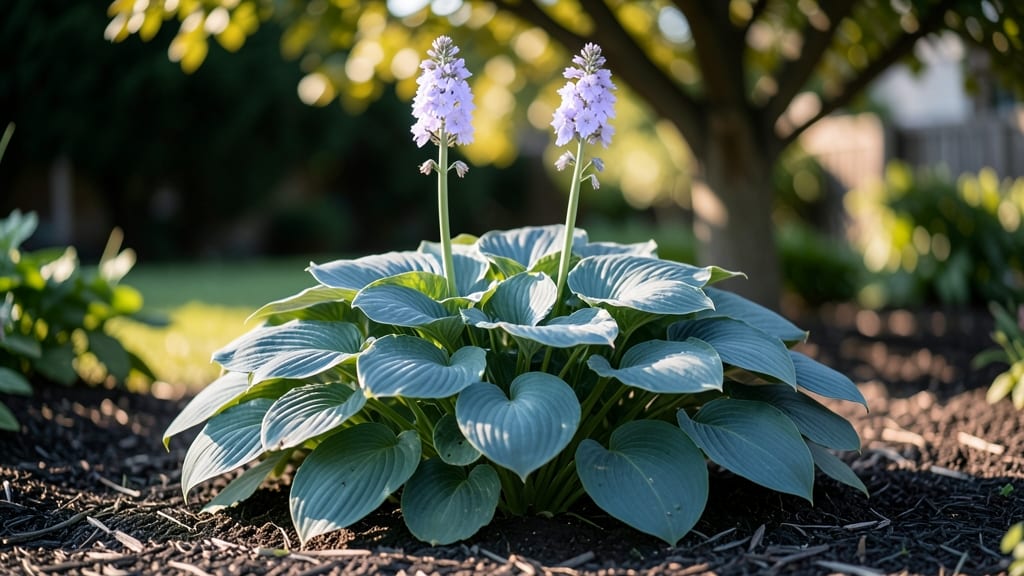
Mostly shade flowers don’t need sun to steal the show—my Pacific Northwest garden proves it every year with bold purple blooms that thrive in dappled light. 💜 frost.
These aren’t your grandmother’s fussy shade plants; we’re talking dramatic foliage, long bloom seasons, and low-maintenance varieties that outperform anything you’d buy at a big-box store.
Native Pacific Northwest favorites like bleeding heart and Pacific coast iris lead the pack, but don’t overlook heuchera for its jewel-toned leaves or astilbe for feathery plumes that dance in the breeze. The secret?
Mostly shade doesn’t mean no shade—these plants handle 3-6 hours of morning sun while avoiding afternoon heat. Combine them with ferns and hostas for texture, and you’ll create a garden that feels lush even on cloudy days.
What you’ll end up with is a year-round display that changes with the seasons—purple in spring, silvery-green in summer, and bronze in fall. The best part? These plants multiply easily, so you’ll have extra to share (or trade with neighbors who envy your shade garden).
Plus, they attract pollinators even when your sunny borders are dormant.
Whether you’re working with a woodland edge, a north-facing patio, or a container garden under a deck, these flowers adapt beautifully. The key is layering heights and mixing textures—tall astilbe behind mid-height heuchera with trailing sweet woodruff at the front.
Ready to transform that shady spot into a moody, magical corner of your garden?
📚 In This Guide
- What you need
- Instructions
- Tips and common mistakes
- Wrapping up and next steps
What you need
- ● Flower Seeds or Plants: 10–20 Heuchera (Coral Bells) – 'Palace Purple' or 'Berry Smoothie' varieties (perennial, shade-tolerant, and divine in purple-hued foliage).
- ● 5–10 Hellebores (Lenten Rose) – 'Royal Purple' or 'Blackthorn' (evergreen, blooms winter-spring, thrives in deep shade).
- ● 15–30 Bleeding Heart (Dicentra spectabilis) – 'Alba' or 'Valentine' (soft pink/white, but pairs beautifully with purples).
- ● 3–5 Japanese Painted Fern (Athyrium) – 'Pictum' (silvery-purple fronds for texture contrast).
- ● Soil Amendments: 5–10 gallons peat moss or compost (for moisture retention and acidity balance).
- ● 1–2 lbs organic fertilizer (10-10-10 or slow-release, like fish emulsion).
- ● Mulch: 2–3 bags pine bark nuggets or cedar chips (3–4 inches deep to retain moisture and suppress weeds).
- ● Gardening Tools: 1 trowel (for transplanting seedlings).
- ● 1 garden fork (for amending heavy clay soil).
- ● 1 pruners (sterilized, for trimming dead foliage).
- ● 1 watering can (2–3 gallons, with a rose nozzle for gentle watering).
- ○ Optional (But Helpful!) Extras: 1 soil pH test kit (to ensure acidity levels, ideal for Heuchera and Hellebores).
- ● 1 shade cloth (30–50% coverage, if your garden gets partial sun).
- ● 1 drip irrigation kit (for consistent moisture in PNW’s rainy seasons).
- ● Decorative garden stakes or obelisks (to train climbing Clematis or Fuchsia for vertical drama).
- ○ A shady spot (full to partial shade, 4+ hours of shade/day, with morning sun optional).
- ● Well-draining soil (amend if clay-heavy—Hellebores hate soggy roots!).
- ● Patience! Most of these plants take 1–2 years to reach full purple glory. ☕🌱
Step-by-Step guide for designing a stunning shade garden in the Pacific Northwest
Here's the foolproof approach I've used to create vibrant shade gardens that thrive in the PNW's damp, dim conditions.
🌱 Step 1: Select the Right Shade-Tolerant Plants
For bold purple drama year-round, focus on plants that naturally thrive in low to partial shade (2-6 hours of filtered light daily). My top choices include heuchera (coral bells), astilbe (false spirea), bleeding heart, and fuchsia—all of which handle the PNW's moisture and cooler temperatures beautifully. These plants also offer varied textures and heights, creating visual interest even in deep shade.
I always check the mature size of each plant to ensure proper spacing. For example, heuchera varieties typically reach 12-18 inches tall, while astilbe can grow 2-3 feet depending on the cultivar. Planting them in groups of 3-5 creates a lush, layered effect that looks intentional from day one.
Here's the thing—avoid sun-loving annuals like petunias or marigolds. They'll quickly turn leggy and pale in our shade. Instead, opt for perennials that return year after year, like lobelia or tiarella (foamflower), which add delicate foliage and flowers to the mix.
🪴 Step 2: Prepare the Soil for Moisture-Loving Plants
Shade gardens in the PNW need well-draining yet moisture-retentive soil—not soggy, not dry. Amend your native soil with 2-3 inches of compost and a 50/50 mix of peat moss or coconut coir and perlite to improve aeration. This ensures roots get both oxygen and the consistent moisture these plants crave.
I always test the soil pH before planting. Most shade-loving perennials prefer slightly acidic to neutral soil (6.0-7.0). If your soil is heavy clay, mix in sand or fine gravel to prevent compaction. The goal is soil that holds moisture but doesn't stay waterlogged—especially critical during our rainy winters.
Don't skip the mulch. Apply 2-3 inches of shredded bark or wood chips over the soil surface after planting. This helps regulate temperature, retains moisture, and suppresses weeds—all while giving your garden a polished, finished look. Just keep the mulch 2 inches away from plant stems to avoid rot.
☀️ Step 3: Position Plants for Maximum Impact
Start by placing your tallest plants (like astilbe or fuchsia) at the back or center of the bed. These act as focal points and draw the eye upward. Next, add medium-height plants (heuchera or bleeding heart) in front of them, creating depth. Finally, fill gaps with low-growing ground covers (like tiarella or ajuga) to tie everything together.
In the PNW, where shade can be deep and uniform, I often incorporate reflective surfaces to brighten the space. A mirror or light-colored stone path can bounce light around, making the garden feel more open. You'll notice a difference immediately—the plants look healthier and the colors pop more vibrantly.
Group plants with similar water needs together. For example, fuchsia and astilbe prefer consistently moist soil, while heuchera and sedum are more drought-tolerant once established. This makes maintenance easier and ensures no plant gets over- or under-watered.
💧 Step 4: Water and Maintain for Year-Round Color
Water deeply 2-3 times per week during the first growing season to encourage strong root development. Once established, most shade perennials only need 1 inch of water weekly, but check the soil—if the top 2 inches feel dry, it's time to water. Overhead watering can cause fungal issues, so I use drip irrigation or soaker hoses placed at the base of plants.
Fertilize lightly in early spring with a balanced, slow-release fertilizer (10-10-10) to support new growth. Avoid heavy feeding in fall, as this can encourage tender new shoots that won't survive winter. Instead, focus on adding compost annually to replenish nutrients naturally.
Deadhead spent blooms regularly to encourage more flowers and prevent self-seeding (which can get out of control in our wet climate). For example, snip back astilbe flowers after they fade to keep the plant looking tidy. You'll see a second flush of blooms in late summer if you keep up with this simple task.
✂️ Step 5: Prune and Divide for Long-Term Health
In early spring, cut back any dead or damaged foliage from the previous year. For bleeding heart, trim back stems to 2-3 inches tall to make room for new growth. This also prevents the plant from becoming too leggy over time. I always use clean, sharp pruners to avoid tearing stems, which can invite disease.
Every 3-4 years, divide overcrowded perennials like heuchera or astilbe in early spring or fall. Dig up the plant, separate the root clumps, and replant the healthiest sections. This rejuvenates the plant and gives you free material to share with friends—or fill in gaps in your own garden.
Real talk: Shade gardens in the PNW are low-maintenance, but they do need occasional attention. A quick weekly walk-through to check for pests (like slugs or aphids) and remove weeds keeps things under control. Most shade plants are pest-resistant, but fuchsia can attract spider mites—spray with neem oil if you spot webbing on the leaves.
Tips & tricks for stunning shade gardens in the Pacific Northwest
Creating a thriving shade garden in the PNW takes more than just planting—it’s about understanding the nuances of our unique climate. Here’s what I’ve learned to ensure your purple drama stays vibrant all year.
Plant Grouping Strategy: In Step 1, when selecting your shade-tolerant plants, consider pairing heuchera with tiarella for a stunning foliage contrast. The 12-18 inch height range of heuchera creates perfect backdrops for the delicate 6-12 inch tiarella, while their different textures add visual interest. This layered approach mimics natural woodland understories and maximizes the purple drama you’re aiming for.
Soil Amendments for PNW Conditions: The 2-3 inches of compost and 50/50 peat moss-perlite mix in Step 2 are non-negotiable for our wet climate. If your soil tests below 6.0 pH, add crushed limestone to raise it gradually—most shade plants prefer that slightly acidic to neutral range. For heavy clay soils, mix in sand or fine gravel to prevent waterlogging, which can suffocate roots during our rainy winters.
Light Reflection Hacks: In Step 3, when positioning plants, don’t overlook the power of reflective surfaces. A mirror or light-colored stone path placed strategically can bounce 2-6 hours of filtered light deeper into your garden, making colors pop more vibrantly. This is especially helpful in deep shade areas where light is minimal. I’ve seen this technique transform dull corners into lively focal points.
Watering Wisdom: The 2-3 times per week watering schedule in Step 4 works best when paired with the right technique. Use drip irrigation or soaker hoses to deliver water directly to the roots, preventing fungal issues from overhead watering. In the PNW’s damp climate, this targeted approach ensures your plants get consistent moisture without becoming waterlogged—a common pitfall that leads to root rot.
Pro Tips for Mostly Shade Flowers
- Creating a thriving shade garden in the PNW takes more than just planting—it’s about understanding the nuances of our unique climate.
- Plant Grouping Strategy: In Step 1, when selecting your shade-tolerant plants, consider pairing heuchera with tiarella for a stunning foliage contrast.
- Soil Amendments for PNW Conditions: The 2-3 inches of compost and 50/50 peat moss-perlite mix in Step 2 are non-negotiable for our wet climate.
Frequently asked questions
Got questions about thriving mostly shade flowers in the Pacific Northwest? You’re not alone!
Here are answers to the most common queries—from planting tips to troubleshooting—so you can enjoy bold purple blooms year-round without the guesswork.
What are the best mostly shade flowers for PNW’s wet winters?
The Pacific Northwest’s damp, cool climate favors hardy perennials like heuchera (coral bells), astilbe, bleeding heart (dicentra), and lungwort (pulmonary). These thrive in shade (2–6 hours of sun) and tolerate winter moisture. Pro tip: Mix evergreen ferns (e.g., holly fern) for year-round texture!
When is the ideal time to plant shade-loving flowers in PNW?
Spring (March–May) and fall (September–October) are ideal—soil is workable, and roots establish before extreme heat or cold. Fall planting is especially great for perennials, giving them time to root before winter. Avoid planting in freezing temps (below 40°F) or during summer droughts.
How do I keep mostly shade flowers blooming all year?
Layer plants with different bloom times: Start with early spring bloomers like heuchera, add summer stars like astilbe, and include late-season sedum or Japanese anemone. Deadhead spent blooms to encourage reblooming, and mulch with organic matter (like cedar chips) to retain moisture and cool roots.
Why are my shade flowers wilting or turning yellow?
Common culprits: Overwatering (shade = slower evaporation = soggy roots), poor drainage, or nutrient deficiencies. Check soil moisture (stick your finger in—top 1–2" should dry slightly between waterings). Amend clay soil with compost or peat moss, and fertilize lightly in spring with a balanced 10-10-10 formula.
What are some purple alternatives if I want mostly shade flowers but no bold drama?
Swap in softer hues with silver foliage (like lamium or heuchera ‘Palace Purple’) or deep burgundy (e.g., bergenia or ajuga). For low-maintenance options, try hostas (variegated varieties) or foamflower (tiarella), which add texture and subtle color without high drama.
Wrapping up and next steps
Embrace the Pacific Northwest’s year-round purple drama with mostly shade flowers—they’re not just stunning, they’re resilient and full of life! Whether you’re a seasoned gardener or a beginner, these bold blooms prove that shade gardens can be just as vibrant as sun-drenched ones. 🌿
Ready to transform your space? Start small—pick one or two varieties from this guide, experiment with containers or garden beds, and watch your shade garden thrive. Happy planting, and may your garden be forever purple-tastic! 🌸
Next steps:
- Sketch a simple garden layout (even on paper!).
- Check your local nursery for these shade-loving stars.
- Share your progress—tag us @PNWShadeGardens for inspiration!