
Flowers
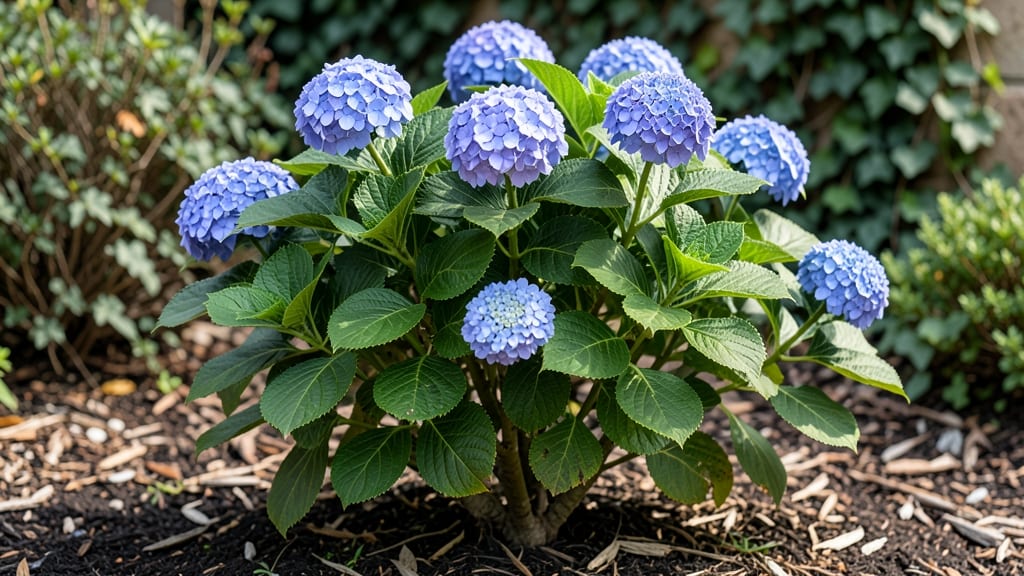
Growing the flower of hydrangea in the Pacific Northwest means choosing varieties that handle our damp winters and cool summers with ease.
I’ve learned the hard way that not all hydrangeas thrive here—some need extra protection or simply refuse to bloom—but the right ones reward you with lush, frost-resistant blooms that last from summer through fall.
The key starts with soil that’s rich but well-draining, since soggy roots spell trouble even for tough varieties like 'Nikko Blue' or 'Endless Summer.'
Sunlight needs can be tricky in our cloudy climate, but hydrangeas actually prefer morning sun and afternoon shade—think dappled light under trees or a spot near a north-facing wall. Watering is where most beginners stumble: too little and the flowers wilt, too much and you risk root rot.
I’ve found that deep watering once a week (more in summer heat) keeps them happy without drowning them. And don’t forget to mulch—2-3 inches of wood chips in spring preserves moisture and protects roots from our unpredictable frosts.
Pruning is where the magic happens for vibrant blooms. If you cut at the wrong time, you’ll end up with a bush full of leaves and no flowers. For most PNW varieties, prune right after blooming in late summer, removing dead stems and thinning crowded branches.
The result? A bush that bursts with jewel-toned blooms from mid-July until frost, even after our chilly nights. It’s the kind of display that makes neighbors stop and ask, “What’s your secret?”
Here’s the best part: once established, these hydrangeas become low-maintenance workhorses. They handle our rainy springs, cool summers, and even light frosts better than most plants. With the right variety and a little seasonal care, you’ll have hydrangeas that outperform anything you’ve tried before—without the fuss.
Let’s get those roots settled in the right spot and watch them thrive.
📚 In This Guide
- What you need
- Instructions
- Tips and common mistakes
- Wrapping up and next steps
What you need
- ● Hydrangea plants: Choose frost-resistant varieties like Hydrangea macrophylla (Bigleaf), Hydrangea arborescens (Smooth), or Hydrangea paniculata (Panicle). Buy 1–3 plants, depending on your garden size.
- ○ Well-draining soil: Mix 1 part compost (5–10 gallons) with 2 parts native soil or potting mix. Hydrangeas thrive in acidic to neutral soil (pH 5.2–6.5)—test kits (optional) help monitor pH.
- ● Organic mulch: Spread 2–3 inches of shredded bark, pine needles, or wood chips around the base (keep mulch 3–4 inches away from the stem to prevent rot).
- ● Watering supplies: Hose with a gentle spray nozzle (hydrangeas hate soggy roots!)
- ○ Drip irrigation kit (optional but helpful for consistent moisture)
- ● Fertilizer: Balanced granular fertilizer (10-10-10 or 20-20-20) for early spring (1 tbsp per plant)
- ● Acid-loving plant food (e.g., cottonseed meal or aluminum sulfate) to boost blue/purple blooms (follow package instructions)
- ● Garden trowel or spade (for planting and soil prep)
- ● Pruning shears (sterilized with rubbing alcohol to prevent disease)
- ● Garden gloves (to protect hands from thorns and soil)
- ○ pH test kit (optional but recommended for adjusting soil acidity)
- ● Stakes or cages (if planting tall varieties like H. paniculata)
- ● Sunlight: Partial shade (morning sun + afternoon shade) is ideal—especially in hotter PNW summers. Dappled sunlight works too!
- ● Water access: Hydrangeas need 1–1.5 inches of water per week (more in summer). Drought-tolerant varieties like H. arborescens need slightly less.
- ● Wind protection: Young plants may need shelter from strong winds (common in coastal PNW). Use burlap screens or plant near fences.
- ● Patience: Hydrangeas can take 1–2 years to fully establish and bloom—plan ahead for long-term beauty! 🌿
Step-by-step guide for cultivating frost-resistant hydrangeas in the Pacific Northwest
Here’s how to grow hydrangeas that thrive through our region’s damp winters and mild summers.
🌱 Step 1: Select the Right Variety for Cold Climates
Choose Pacific Beauty or Nikko Blue hydrangeas—they’re bred to handle 20°F temperatures and thrive in zones 5-8. These varieties bloom on old wood, meaning they set buds in late summer and flower the following spring, so they’re less vulnerable to late frosts. Avoid mophead types like Endless Summer, which need warmer winters to rebloom reliably.
When selecting plants, look for sturdy stems and dense foliage—these indicate strong root systems. I always check the label for ‘cold-hardy’ markings, as some nurseries mislabel tender varieties. Buy from local growers who source plants acclimated to our region’s wet, cool conditions.
☀️ Step 2: Plant in Partially Shaded Spots with Moisture-Retentive Soil
Hydrangeas in the PNW need morning sun and afternoon shade to prevent leaf scorch. A location with 4-6 hours of direct sunlight works best—think dappled light under tall trees or near a north-facing wall. I’ve found that east-facing spots near fences provide ideal conditions without overheating.
Amend the soil with 3 inches of organic compost and a 1-inch layer of pine bark fines to improve drainage while retaining moisture. Hydrangeas hate soggy roots but also dry spells—aim for soil that stays consistently damp but not waterlogged. A simple test: Squeeze a handful of soil; if it holds shape but crumbles when prodded, it’s perfect.
💧 Step 3: Water Deeply and Mulch for Winter Protection
Water newly planted hydrangeas twice weekly for the first month, then taper to once weekly once established. Deep watering—1-2 inches per week—encourages strong root growth. I use a soaker hose to avoid wetting leaves, which reduces fungal risks like powdery mildew. In summer, let the top 2 inches of soil dry between waterings to prevent root rot.
In late fall, apply a 3-inch layer of shredded cedar mulch around the base (but not touching the stems). This insulates roots during freeze-thaw cycles and keeps soil temperatures stable. Replenish mulch annually—it breaks down quickly in our wet climate. I also wrap young plants in burlap during the harshest winter months for extra protection.
✂️ Step 4: Prune in Late Winter for Spring Blooms
Prune old wood varieties (like Nikko Blue) in late February or early March, just as buds begin to swell. Cut back one-third of the oldest stems to the ground—these are the ones that flowered last year. Leave the newer stems intact; they’ll produce this season’s blooms. Avoid pruning in fall, as it stimulates new growth that won’t harden off before winter.
For reblooming types (like Pacific Beauty), prune lightly in late spring after the first flush of flowers. Remove only dead or crossing branches—never cut more than 20% of the plant at once. I always sterilize my pruners with rubbing alcohol to prevent spreading bacterial wilt, a common issue in PNW hydrangeas.
🌿 Step 5: Monitor for Common PNW Pests and Adjust Care
Watch for hydrangea sawfly larvae, which skeletonize leaves in late summer. Handpick them into soapy water or spray with neem oil at dusk. I’ve also seen aphids cluster on new growth—blast them off with a strong stream of water to avoid chemical sprays that harm pollinators. Healthy plants in the right spot rarely need pesticides, but these pests pop up when stress occurs.
If leaves turn yellow with brown edges, it’s likely iron chlorosis from alkaline soil. Test your soil’s pH—hydrangeas prefer 5.5-6.0. If needed, amend with elemental sulfur in fall or chelated iron in spring. For blue flowers, add aluminum sulfate (follow package rates) to acidic soil; for pink blooms, reduce aluminum inputs. The PNW’s rainy acidity often leans toward blue, but soil tests confirm the exact needs.
Tips & tricks for Pacific Northwest hydrangea cultivation
Mastering hydrangea care in our region’s unique climate takes a few key adjustments—here’s how to ensure vibrant blooms year after year.
Cold Climate Selection: When choosing between Pacific Beauty and Nikko Blue, consider your specific microclimate. Nikko Blue thrives in areas with colder winters (closer to 20°F), while Pacific Beauty handles slightly warmer winters better. For maximum resilience, select plants from local nurseries that have already acclimated to our region’s wet winters and mild summers. I’ve found that plants grown in coastal areas often handle our damp conditions better than those from inland nurseries.
Soil Preparation Strategy: The 3 inches of organic compost and 1-inch layer of pine bark fines create the perfect balance for PNW hydrangeas. For even better results, mix in 1/4 cup of aluminum sulfate if you want blue flowers—this works particularly well in our naturally acidic soils. Test your soil pH first; if it’s above 6.0, the compost alone may not be enough to maintain that ideal 5.5-6.0 range. I recommend testing in early spring before planting.
Winter Protection Techniques: The 3-inch layer of shredded cedar mulch is your best defense against freeze-thaw cycles, but there’s a trick to application: mound it higher (up to 4 inches) around the plant’s base during our harshest winter months (typically December through February). For young plants, add an extra layer of burlap wrap around the stems before mulching. This creates an insulating barrier that prevents temperature fluctuations that can damage emerging buds in early spring.
Pruning Precision: When pruning old wood varieties in late February or early March, focus on removing stems that are thinner than a pencil—these are often the weakest and won’t produce strong blooms. For reblooming types, never cut more than 20% of the plant at once, and always sterilize your pruners between cuts. I’ve seen bacterial wilt spread rapidly in wet PNW conditions when tools aren’t properly cleaned, so this step is non-negotiable for long-term plant health.
Pro Tips for Flower Of Hydrangea
- Mastering hydrangea care in our region’s unique climate takes a few key adjustments—here’s how to ensure vibrant blooms year after year.
- Cold Climate Selection: When choosing between Pacific Beauty and Nikko Blue, consider your specific microclimate.
- Soil Preparation Strategy: The 3 inches of organic compost and 1-inch layer of pine bark fines create the perfect balance for PNW hydrangeas.
Frequently asked questions
Got questions about growing hydrangeas in the Pacific Northwest? You’re not alone! Here are answers to some of the most common concerns—from frost resistance to blooming secrets.
Can hydrangeas survive the PNW’s cold winters?
Many hydrangea varieties—like Hydrangea macrophylla and Hydrangea arborescens—thrive in USDA Zones 5–9, common in the PNW. Mulch heavily in fall (3–4 inches) and protect tender varieties with burlap wraps if temps drop below 10°F. Choose Endless Summer or Annabelle types for extra frost resilience.
When is the best time to plant hydrangeas in the PNW?
Plant in early spring (March–April) or fall (September–October) to avoid extreme heat or frost. Spring planting gives roots time to establish before summer droughts, while fall allows gradual root growth before winter. Avoid planting in mid-summer—hydrangeas hate stress from heat or dry soil!
How often should I water hydrangeas in the Pacific Northwest?
Water deeply 1–2 times per week (more in summer or sandy soil). Hydrangeas hate soggy roots but also drought stress. Test soil moisture: Stick your finger 2 inches down—if dry, water until it drains 6 inches deep. Mulch (2–3 inches of shredded bark) retains moisture and regulates temperature.
Why aren’t my hydrangea flowers changing color?
Color shifts (blue to pink or vice versa) depend on soil pH. For blue blooms, amend soil with aluminum sulfate (lower pH). For pink, add lime (raise pH). Test pH with a kit (ideal: 5.2–5.5 for blue, 6.0+ for pink). Pro tip: Feed with hydrangea-specific fertilizer in spring for vibrant blooms!
Are hydrangeas prone to pests in the PNW?
Watch for aphids, slugs, and spider mites. Prevent aphids with a strong spray of water; slugs? Use beer traps or diatomaceous earth. For mites, hose plants down daily. Fungal issues (like powdery mildew) thrive in humid PNW summers—space plants for airflow and avoid overhead watering.
What’s a low-maintenance hydrangea for beginners?
Try Hydrangea arborescens ‘Annabelle’—it’s drought-tolerant, pest-resistant, and blooms on new wood (so no pruning stress!). Another winner: Hydrangea paniculata ‘Limelight’, which handles PNW’s humidity and partial shade beautifully. Both thrive with minimal fuss!
Wrapping up and next steps
The flower of hydrangea brings timeless beauty to Pacific Northwest gardens, thriving even in cooler climates with the right care! 🌸 From selecting frost-resistant varieties like Hydrangea macrophylla to mastering soil pH tricks for vibrant blooms, you now have all the tools to cultivate stunning hydrangeas year after year.
Whether you’re a beginner or a seasoned gardener, the key is patience and observation—your garden will thank you with lush, show-stopping flowers.
Ready to transform your outdoor space? Start by planting one hydrangea bush this season and experiment with soil amendments or pruning techniques. Before you know it, your garden will be the envy of the neighborhood! 🌿