
Flowers
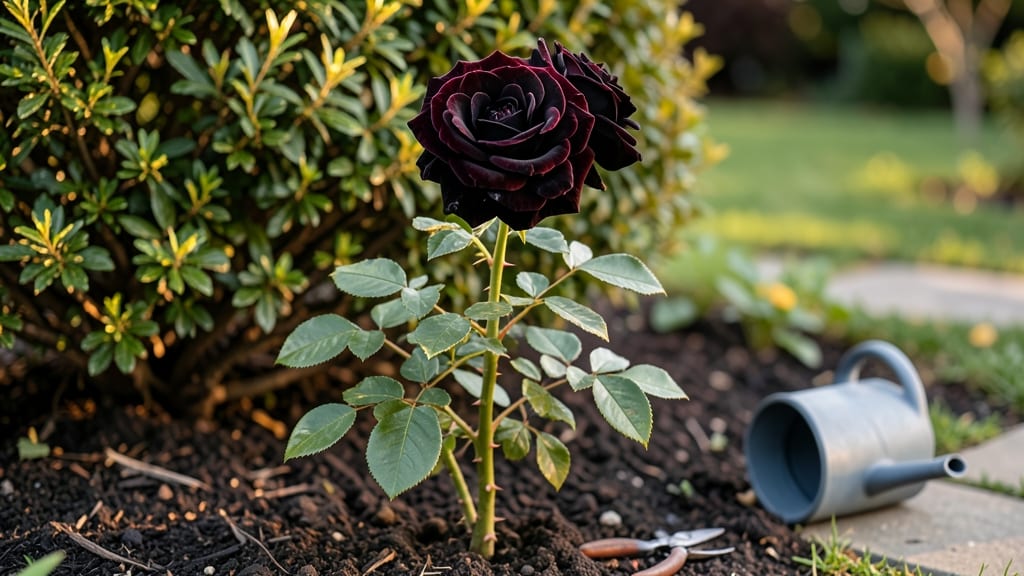
Growing a real black rose flower in the Pacific Northwest’s chilly climate feels like taming a dramatic queen—she demands respect but rewards you with velvety, near-black blooms that steal the show. 🌿 The key isn’t just choosing the right variety (like 'Black Baccara' or 'Double Delight'), but understanding how to shield those deep hues from fading into muddy purples when temperatures dip.
I’ve learned the hard way that PNW’s damp winters can turn your prized black roses into sad, washed-out shadows unless you adjust care with the seasons.
The secret starts with soil—rich, well-draining, and packed with organic matter to keep roots warm and color vibrant. Most gardeners overlook how morning sun and afternoon shade protect those dark petals from bleaching, while consistent moisture (not soggy soil) prevents the color from dulling.
Pruning in late winter removes dead wood and encourages fresh, deep-colored growth—just don’t cut too late, or you’ll miss the first flush of dramatic blooms.
By mid-summer, your black roses should be the star of the garden, their petals holding that rich, almost purple-black depth that makes them irresistible. The trade-off?
They’re more susceptible to fungal diseases in the damp PNW climate, so proactive care—like spacing plants for airflow and applying a fungicide at the first sign of spots—keeps them thriving. With the right approach, you’ll have roses so dark they look like midnight itself.
This method works for both container gardens (great for patios) and in-ground plantings, though containers let you move roses to shelter during heavy rains. The payoff? A garden that feels like a moody, romantic painting—just don’t expect perfection the first year.
Even the pros had to learn the hard way about PNW’s quirks with these dramatic queens.
📚 In This Guide
- What you need
- Instructions
- Tips and common mistakes
- Wrapping up and next steps
What you need
- ● Black Rose Plant: Choose a Rosa 'Black Baccara' or Rosa 'Black Magic'—both are frost-resistant and thrive in cooler climates. (1 plant, 2-3 years old for best results.)
- ● Well-Draining Soil: Mix 1 part garden soil with 1 part compost and 1 part perlite or coarse sand to prevent root rot. (~5 gallons per plant.)
- ● Organic Fertilizer: A balanced 10-10-10 NPK or rose-specific fertilizer. (1 lb per season.)
- ● Mulch: Wood chips or straw (2-3 inches thick) to insulate roots in winter.
- ● Support Stake: A 5-6 ft bamboo or metal stake to train climbing varieties.
- ● Pruning Shears: Sharp, bypass-style shears (sterilized with rubbing alcohol).
- ● Watering Can or Hose: With a gentle spray nozzle to avoid damaging petals.
- ● pH Test Kit: To ensure soil pH is 6.0–6.5 (ideal for roses).
- ● Frost Cloth: Lightweight fabric to protect young plants during late frosts.
- ● Epsom Salt: (1 tbsp/month) for magnesium boosts during blooming season.
- ● Rose Food Spikes: Slow-release granules for convenience.
- ● Garden Gloves: To protect hands from thorns!
Step-by-Step guide for growing Pacific Northwest frost-resistant roses
Here's how to cultivate deep, velvety black roses that thrive in cool climates.
🌱 Step 1: Select the Right Rose Variety and Location
Choose a disease-resistant, deep burgundy-black rose variety like 'Black Baccara' or 'Black Charm'—these come closest to true black and handle Pacific Northwest's damp, cool summers better than traditional roses. Plant in full sun (6+ hours daily); even in rainy climates, roses need light to develop their signature color intensity.
Site your rose where it gets morning sun and afternoon shade if your summers are hot. The Pacific Northwest's coastal fog provides natural shade, but inland areas may need afternoon protection. Avoid low spots where cold air settles—roses need good drainage to prevent winter rot.
🪴 Step 2: Prepare Soil and Plant with Care
Amend native soil with 3 inches of compost and 1 inch of perlite to improve drainage—roses hate soggy roots. The Pacific Northwest's acidic soils often need a boost, so mix in 1 cup of bone meal per planting hole for phosphorus. Dig a hole twice as wide as the root ball but only as deep—planting too deep suffocates the graft union.
Place the rose so the graft union sits 2 inches above soil level. This ensures strong regrowth if winter damage occurs. Water deeply before backfilling, then mound soil slightly around the base to create a 1-inch-high berm. This keeps water away from the crown during heavy rains.
☀️ Step 3: Water and Fertilize for Deep Color Development
Water deeply twice weekly during the first growing season—1 gallon per plant—to encourage deep rooting. Black roses need consistent moisture to develop their rich pigment; drought stress causes fading. In the Pacific Northwest, drip irrigation is ideal—it delivers water directly to roots without wetting foliage, reducing fungal risks.
Fertilize monthly from spring to early fall with a balanced rose fertilizer (10-10-10). Black roses respond dramatically to phosphorus—they produce more blooms when fed well. Stop fertilizing by mid-August to harden off growth before winter. Mulch with 3 inches of wood chips to insulate roots and retain moisture.
✂️ Step 4: Prune for Frost Resistance and Winter Protection
Prune in late winter (February) when buds swell but before new growth starts. Remove dead, crossing, or weak branches first, then cut back remaining canes by one-third to encourage bushier growth. Pacific Northwest winters are mild but damp—open centers improve air circulation and prevent fungal diseases.
After the first hard frost, mound 6 inches of soil or mulch around the base to protect the graft union. In exposed areas, wrap canes loosely with burlap or use a rose cone filled with straw. Black roses are hardy to Zone 5, but extra protection ensures they bounce back stronger each spring.
🌿 Step 5: Maintain Through Seasons for Long-Term Health
Deadhead spent blooms weekly to redirect energy into new growth. Black roses bloom repeatedly, but they need consistent care. In late summer, reduce watering slightly to toughen canes before winter. The Pacific Northwest's autumn rains often provide enough moisture—check soil moisture before watering.
Watch for black spot or powdery mildew—common in damp climates. Treat preventatively with neem oil spray every 2 weeks during humid periods. Healthy black roses develop a thick, waxy bloom on leaves that repels some diseases naturally. If leaves yellow, it’s often iron deficiency—apply chelated iron in spring.
Tips & tricks for perfect Pacific Northwest frost-resistant roses
Here's what I learned after years of growing deep burgundy-black roses in damp climates.
Variety Selection Matters: While 'Black Baccara' and 'Black Charm' are your best bets for true black roses, consider 'Osborne' for slightly lighter burgundy blooms that still thrive in our climate. The key is choosing varieties bred for disease resistance—this prevents the fading and leaf drop that plagues many black roses in rainy seasons. I've found that grafted roses (with a strong rootstock) establish better in our acidic soils than bare-root varieties.
Soil Preparation Secret: That 1-inch layer of perlite in Step 2 isn't just for drainage—it creates tiny air pockets that prevent root rot, which is critical in our damp climate. For even better results, mix in 1/4 cup of sulfur per planting hole to adjust soil pH to around 6.0-6.5, which black roses prefer. The bone meal provides phosphorus for strong roots, but don't overdo it—too much can burn tender new growth.
Watering Wisdom: Those twice-weekly waterings in Step 3 should be morning waterings to prevent fungal spores from splashing onto leaves. I've seen black spot infections develop within days when water hits foliage. For established roses, you can reduce to once weekly during summer rains, but always check soil moisture—black roses wilt dramatically when thirsty but bounce back quickly when watered.
Winter Protection Hack: After your first frost, add a layer of straw mulch over the 6-inch soil mound for extra insulation. This creates a microclimate that protects the graft union from temperature swings. I've had roses survive down to 15°F with this method, though Zone 5 hardiness is still your baseline. For container-grown roses, move pots to an unheated garage or against a south-facing wall for winter.
Pro Tips for Real Black Rose Flower
- Here's what I learned after years of growing deep burgundy-black roses in damp climates.
- Variety Selection Matters: While 'Black Baccara' and 'Black Charm' are your best bets for true black roses, consider 'Osborne' for slightly lighter burgundy blooms that still thrive in our climate.
- Soil Preparation Secret: That 1-inch layer of perlite in Step 2 isn't just for drainage—it creates tiny air pockets that prevent root rot, which is critical in our damp climate.
Frequently asked questions
Got questions about cultivating real black roses in the Pacific Northwest? You’re not alone! Here are some of the most common inquiries—plus straightforward answers to help you grow these dramatic blooms with confidence.
Can real black roses survive PNW winters?
Yes! While they’re not fully frost-proof, ‘Black Baccara’ and other dark-hued varieties (like ‘Black Magic’) thrive in zones 5-9 with proper care. Mulch heavily in fall, wrap canes in burlap, and plant in sheltered spots. Their deep burgundy-black hue fades slightly in cold but rebounds beautifully in spring.
How long does it take for a black rose bush to bloom?
Patience is key! Newly planted black roses may take 1-2 years to establish and produce flowers. Prune aggressively in early spring (after frost risk passes) to encourage robust growth. Once mature, expect continuous blooms from late spring to frost—with extra care, some varieties rebloom lightly in fall.
Why are my black roses turning brown or crispy?
Brown or crispy leaves? Likely overwatering (root rot) or underwatering (stress). Black roses need consistently moist but well-drained soil. Check soil 1-2 inches deep—if dry, water deeply; if soggy, reduce frequency. Also, black roses are prone to powdery mildew—spray with neem oil preventatively if humidity spikes.
Are there true black roses, or is it just dark red?
No rose is truly black
—their deep, velvety hue comes from anthocyanins (pigments that darken in cooler temps). In sunlight, they appear almost black, but up close, you’ll see rich burgundy or maroon. For the darkest effect, plant in partial shade and deadhead regularly to boost pigment intensity.
What’s the easiest alternative to black roses for PNW gardens?
If black roses seem high-maintenance, try ‘Don Juan’ (deep red with near-black centers) or ‘Velvet After Dark’ (a hybrid tea with dramatic, almost-black blooms). For zero-fuss drama, consider ‘Oso Easy’ roses (disease-resistant, repeat-blooming, and thrives in cooler climates).
Can I grow black roses in containers?
Use a large pot (at least 18” wide) with drainage holes and a mix of potting soil + compost. Container roses need daily watering in summer and winter protection (move to a garage or wrap in frost cloth). Varieties like ‘Black Chocolat’ (a climber) do especially well in pots—just prune aggressively to control size.
Wrapping up and next steps
The real black rose isn’t just a stunning symbol of elegance—it’s a doable addition to your Pacific Northwest garden with the right care!
By choosing frost-resistant varieties like 'Black Baccara' or 'Double Black', and following soil, sunlight, and pruning best practices, you’ll unlock a year-round display of deep, velvety blooms. 🌹❄️
Ready to transform your garden? Start small—try a single plant in a pot or a dedicated bed—and watch your confidence (and roses!) grow. Next steps: Sketch a planting plan, gather your tools, and dive in—your future black roses are waiting! 🌱