
Flowers
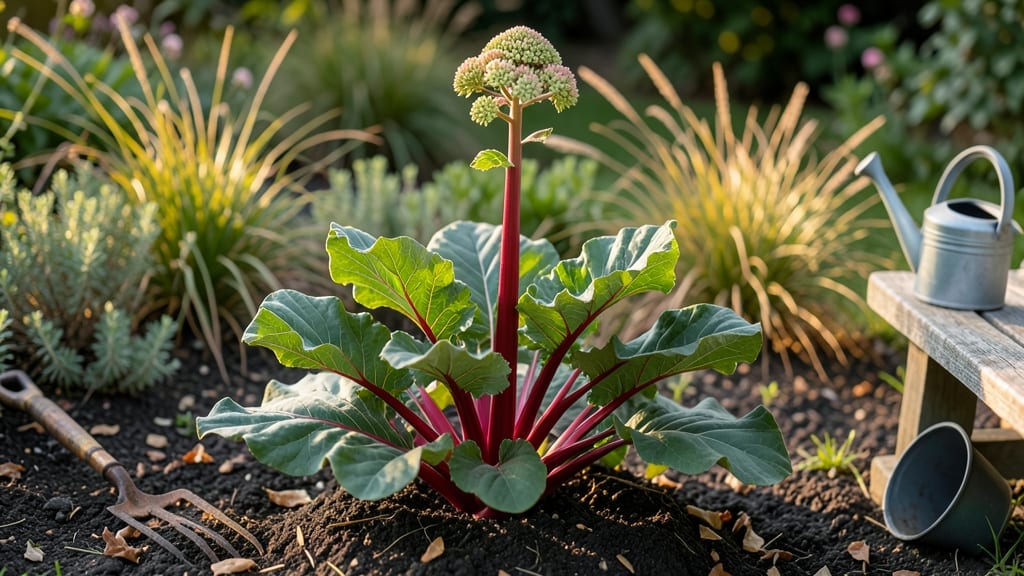
Growing red rhubarb with its striking flowers is like cultivating a living jewel in your garden—especially when you're dealing with Pacific Northwest winters. 🌱 The deep red blooms add drama to spring gardens while the stalks remain productive, but there's a trick to keeping both the flowers and harvest thriving.
Most gardeners make one critical mistake with the flowers that backfires on their rhubarb harvest.
The secret lies in balancing two priorities: letting the flowers bloom for their ornamental value while protecting the plant's energy for those prized tart stalks.
Red rhubarb thrives in cold climates like yours, but it needs well-drained soil, full sun, and consistent moisture to reward you with both flowers and harvest.
The flowers themselves are edible in small quantities—though they're more decorative than culinary—but removing them can actually boost stalk production if that's your main goal.
You'll end up with a plant that produces vibrant red blooms in spring while still delivering abundant stalks throughout summer. The key is strategic pruning and understanding when to let nature take its course.
Once you master this balance, your rhubarb becomes both a productive food source and a showstopping garden feature.
This approach works equally well for established plants or new divisions, making it perfect for gardeners looking to expand their rhubarb patch. The Pacific Northwest's cool climate actually favors red rhubarb, so you'll get better results than with many other varieties.
📚 In This Guide
- What you need
- Instructions
- Tips and common mistakes
- Wrapping up and next steps
What you need
- ● Red rhubarb plant: 1-2 bare-root crowns or potted plants (choose cold-hardy varieties like Rheum palmatum or Rheum rhabarbarum)
- ● Well-draining soil: 1-2 cubic yards (mix garden soil with compost or sand if your soil is heavy)
- ● Fertilizer: Balanced organic fertilizer (e.g., 10-10-10) or compost (1-2 cups per plant)
- ● Mulch: 2-3 inches of straw or wood chips (to protect roots in winter)
- ● Watering can or hose: With a gentle spray nozzle (rhubarb dislikes soggy roots!)
- ● Garden gloves & trowel: For planting and soil prep
- ● Garden fork: For loosening heavy or compacted soil
- ● Pruners: Sharp, clean pair for trimming dead leaves or stems
- ○ Plant support (optional): Stakes or cages if your rhubarb grows tall (6+ feet)
- ○ Drip irrigation system (optional): For consistent moisture in dry spells
- ○ Soil pH test kit (optional): Ideal pH: 6.0–7.0 (amend with lime or sulfur if needed)
Step-by-Step guide to planting and caring for red rhubarb flowers
These hardy perennials thrive in cold climates—here's how to grow them successfully.
🌱 Step 1: Choose the Right Location and Prepare the Soil
Red rhubarb flowers love full sun to partial shade, with at least 4-6 hours of sunlight daily. In the Pacific Northwest, they'll handle morning sun and afternoon shade beautifully. Pick a spot with well-draining soil—they hate soggy roots. If your soil feels heavy or clay-like, mix in 2-3 inches of compost to improve drainage and fertility.
Loosen the soil to a depth of 12 inches with a garden fork or tiller. This helps roots spread easily. Avoid fresh manure—it can burn tender roots. Test the pH if possible; rhubarb prefers slightly acidic to neutral soil (pH 6.0-7.0). If your soil is too alkaline, add sulfur or peat moss to adjust it gradually.
🌿 Step 2: Plant Crowns at the Correct Depth and Spacing
Plant red rhubarb crowns in early spring or fall, when temperatures are cool. Dig a hole just deep enough so the top of the crown sits 1 inch below soil level. Press the soil firmly around the crown to eliminate air pockets, but don’t compact it too tightly. Space plants 3-4 feet apart—they’ll spread over time and need room to grow.
Water the newly planted crowns deeply right after planting. The soil should feel moist 6 inches down. Mulch around the base with 2-3 inches of organic mulch (like straw or wood chips) to retain moisture and protect roots from temperature swings. Keep the mulch 2 inches away from the crown to prevent rot.
☀️ Step 3: Water Consistently and Fertilize Lightly
Water rhubarb flowers deeply once a week during the first growing season, aiming for 1 inch of water per week. Let the top 2 inches of soil dry out between waterings—this prevents root rot. In the Pacific Northwest’s rainy climate, you may need to adjust for excess moisture by improving drainage or planting on a slight slope.
Fertilize lightly in early spring with a balanced, all-purpose fertilizer (like 10-10-10) at half-strength. Over-fertilizing leads to lush foliage but fewer flowers. Once established, rhubarb flowers are low-maintenance. They’ll reward you with striking blooms and edible stalks (if you choose to harvest) for years with minimal care.
✂️ Step 4: Prune and Protect for Long-Term Health
Deadhead spent flowers after they fade to encourage more blooms. Cut back foliage in late fall or early spring, leaving 2-3 inches of growth to protect the crown. Never cut into the crown itself—this can invite disease. If you harvest stalks for eating, leave at least half the plant intact to ensure it can photosynthesize and regrow.
In winter, protect young plants with a 4-6 inch layer of mulch to shield roots from freezing temperatures. Established plants handle frost well, but extra insulation helps in harsh winters. Watch for signs of stress, like yellowing leaves or wilting—these often signal overwatering or poor drainage. Adjust your care routine accordingly.
Tips & tricks for perfect red rhubarb flower planting
Here's what nobody tells you about growing these cold-hardy beauties without the common pitfalls.
Sunlight Strategy: In Step 1, when choosing your location, don't just aim for 4-6 hours of sun—consider how the sun moves across your yard. Morning sun and afternoon shade works best in the Pacific Northwest, but if you're planting near a south-facing wall, those plants will get full sun all day and may need extra water. I've seen rhubarb flowers in full sun thrive, but their leaves can scorch if they're not properly hydrated.
Soil Prep Secret: The 12-inch deep soil loosening in Step 1 is crucial for root development, but here's what I learned the hard way: if your soil is truly heavy clay, don't just add compost—mix in some coarse sand or perlite too. This creates tiny air pockets that prevent waterlogging. I once planted in pure clay soil and lost two crowns to root rot before I figured this out.
Planting Depth Caution: When planting crowns in Step 2, that 1-inch depth below soil level is non-negotiable. I've seen beginners plant too shallow, which exposes the crown to temperature swings and can cause it to dry out. A good trick is to make a small mound of soil in the hole first, then place the crown on top before filling in—this ensures consistent depth every time.
Mulching Technique: The 2-3 inches of mulch in Step 2 isn't just for looks—it's your first line of defense against winter freeze-thaw cycles. I recommend using straw rather than wood chips for the initial mulch because it breaks down more slowly. And remember, that 2-inch clearance from the crown prevents rot by allowing air circulation.
Pro Tips for Red Rhubarb Flower
- Here's what nobody tells you about growing these cold-hardy beauties without the common pitfalls.
- Sunlight Strategy: In Step 1, when choosing your location, don't just aim for 4-6 hours of sun—consider how the sun moves across your yard.
- This creates tiny air pockets that prevent waterlogging.
Frequently asked questions
Got questions about growing and enjoying red rhubarb flowers? You’re not alone! Here are some of the most common queries—plus quick, practical answers to help you cultivate these stunning perennials with confidence.
When do red rhubarb flowers bloom, and how long do they last?
Red rhubarb (Rheum rhabarbarum) typically blooms in late spring to early summer, around May to June in the Pacific Northwest. The large, vibrant flowers last 2–3 weeks before fading, but they’re worth the wait! If your plant skips flowering, it might need more sunlight or nutrients—try fertilizing in early spring.
Can I grow red rhubarb flowers in cold climates like the PNW?
Red rhubarb is hardy to USDA zones 3–8, making it perfect for the Pacific Northwest’s frosty winters. In fact, it thrives in full sun to partial shade and tolerates heavy rain. Just ensure well-draining soil to prevent rot, and mulch in winter for extra protection.
Are red rhubarb flowers edible, or are they just for show?
While the flowers are technically edible (mild, slightly tangy flavor), they’re not commonly used in cooking due to their fibrous texture. The real star is the stems, which are delicious in pies, compotes, or sauces! If you’re curious, try them in salads (sparingly) or as a garnish—but focus on harvesting the stems for the best culinary experience.
Why isn’t my red rhubarb flowering this year?
No flowers? Don’t panic! Common reasons include:
- Age: Young plants (under 2 years) may focus on root growth first.
- Over-fertilizing: Too much nitrogen = leafy growth, fewer blooms. Use a balanced fertilizer (10-10-10) instead.
- Stress: Poor soil, drought, or pests can delay flowering. Check for aphids or slugs and adjust care.
What can I plant near red rhubarb flowers for a stunning garden?
Pair red rhubarb with companion plants that thrive in similar conditions:
- Perennials: Daylilies, bee balm, or catmint for color contrast.
- Vegetables: Lettuce, spinach, or radishes (they tolerate shade).
- Avoid: Potatoes or tomatoes (they compete for nutrients).
Wrapping up and next steps
The red rhubarb flower is a stunning, frost-hardy perennial that brings vibrant beauty and resilience to Pacific Northwest gardens—proving that even the coldest winters can’t dim its charm! 🌸 Whether you’re drawn to its striking blooms, edible stalks, or low-maintenance nature, this plant is a fantastic addition for both beginners and seasoned gardeners.
Ready to grow your own? Start by gathering your supplies, choosing the perfect spot, and following the steps outlined above. Before you know it, your garden will be bursting with color—and maybe even a few tasty treats! Happy planting! 🌱