
Planting
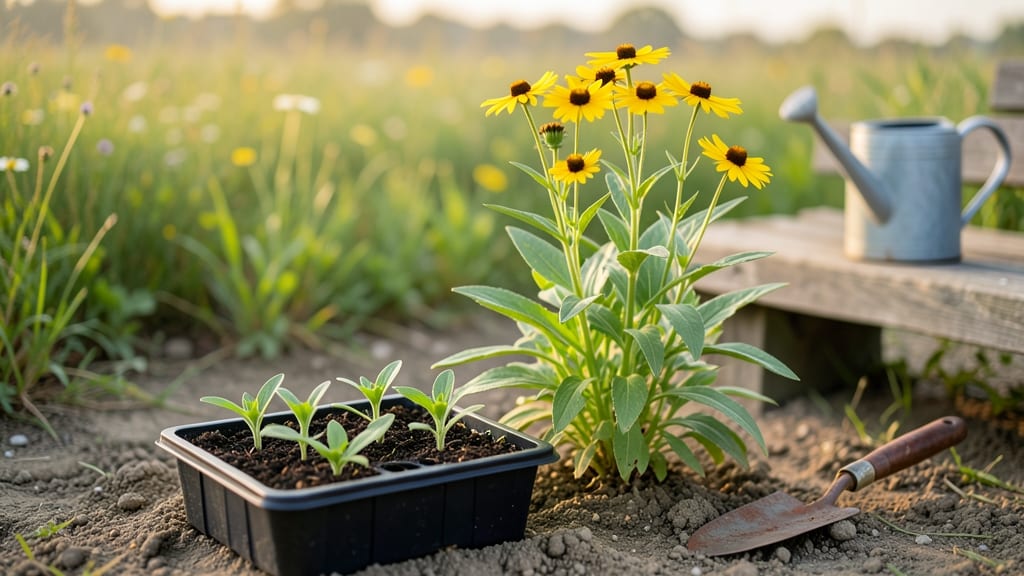
Planting Florida wildflower seeds turns your yard into a buzzing, blooming haven that thrives all year—no matter the heat, rain, or humidity. 🌿 I’ve watched my own patch transform from bare soil to a riot of color, drawing butterflies and bees that stop neighbors in their tracks.
The secret isn’t complicated: it’s choosing the right native species and letting nature do the rest.
Start with a sunny spot—wildflowers need 6+ hours of light daily—and skip the fancy soil tests. Florida’s sandy loam is perfect once you loosen the top 6 inches and mix in a little compost.
Scatter seeds lightly (they’re tiny!) and barely cover them—just enough to shield from birds. Water once a week after planting, then let the rain take over.
By spring, you’ll see a carpet of blooms in every shade—from fiery reds to soft lavender—that keeps pollinators visiting until frost. The best part? Once established, these plants need almost no care. Just sit back and enjoy the show while doing right by Florida’s ecosystem.
Works in urban yards, rural fields, or even between sidewalk cracks. Here’s how to make it happen—no green thumb required.
📚 In This Guide
- What you need
- Instructions
- Tips and common mistakes
- Wrapping up and next steps
What you need
- ● Florida-native wildflower seeds (1–5 lbs, depending on area size; opt for mixes like Black-Eyed Susan, Coreopsis, or Butterfly Milkweed for maximum pollinator appeal).
- ● Well-draining soil (amend clay-heavy soil with compost or sand if needed).
- ● Water source (hose, sprinkler, or drip irrigation for consistent moisture).
- ● Organic mulch (straw, pine needles, or shredded leaves to retain moisture and suppress weeds).
- ● Garden rake (for loosening soil and creating a fine seedbed).
- ● Hand trowel or broadcast spreader (for even seed distribution).
- ● Gloves (to protect hands from prickly plants or debris).
- ● Watering can or hose with a gentle spray nozzle (for delicate seedling care).
- ● Seedling trays (for starting seeds indoors before transplanting).
- ● Bird netting (to protect young sprouts from hungry birds).
- ● Native plant guidebook (to identify and care for your wildflowers).
- ● Pollinator-friendly companion plants (like Lantana or Firebush for extra color and nectar).
Step-by-Step instructions for planting Florida wildflower seeds
Here's how I create vibrant wildflower meadows that bloom year-round.
🌱 Step 1: Prepare the Soil for Optimal Germination
Clear the planting area of weeds and debris, then loosen the top 2-3 inches of soil with a rake. Florida's native wildflowers thrive in well-drained soil, so avoid compacting it—think of it like preparing a soft bed for tiny seedlings. If your soil feels heavy or clay-like, mix in 1-2 inches of compost to improve drainage and fertility. The goal is soil that crumbles easily between your fingers when lightly squeezed.
For container planting, use a mix of 50% native soil and 50% compost to replicate Florida's sandy loam conditions. Water the prepared area thoroughly 24 hours before planting to ensure even moisture without creating puddles. You'll know it's ready when the soil feels consistently moist but not soggy throughout.
💧 Step 2: Scatter Seeds Strategically for Natural Beauty
Wildflower seeds are tiny, so I use a simple trick: mix them with sand (1 part seeds to 5 parts sand) to distribute evenly. Scatter seeds over the prepared area, aiming for about 10-15 seeds per square foot. Lightly rake the surface to press seeds into the soil—just enough to cover them with ¼ inch of soil or less. Pressing too firmly can bury seeds too deep, delaying germination.
For containers, sprinkle seeds directly on the soil surface and gently pat them in. Avoid covering them completely unless the seed packet specifies otherwise—most Florida wildflowers need light to germinate. Water immediately after planting with a fine mist to settle seeds without disturbing their placement. You'll see the first signs of success when tiny green sprouts appear in 7-21 days, depending on the species and weather.
☀️ Step 3: Maintain Moisture and Sunlight for Thriving Growth
After planting, keep the soil consistently moist for the first 4-6 weeks—this is critical for young seedlings. Water gently in the early morning to allow moisture to penetrate without encouraging fungal growth. You'll know you're doing it right when the soil surface stays damp but not wet to the touch. Mulch with ½ inch of straw or pine needles to retain moisture and suppress weeds, but keep it 1 inch away from seedlings to prevent rot.
Most Florida wildflowers love full sun (6+ hours daily), so choose a location with minimal shade competition. If planting in containers, place them where they'll receive morning sun and afternoon shade during the hottest summer months. Watch for leggy growth—a sign of insufficient light—and adjust placement if stems stretch excessively. Once established, wildflowers are remarkably drought-tolerant, but consistent moisture during their first season ensures strong roots.
✂️ Step 4: Encourage Blooms and Support Pollinators
After the first flush of blooms appears, deadhead spent flowers by snipping them back to the nearest set of healthy leaves. This redirects the plant's energy toward producing more flowers rather than seed pods. I do this every 2-3 weeks during peak bloom season to keep the display vibrant. Leave some flowers to go to seed if you want to propagate more wildflowers naturally—birds and wind will handle the rest.
To attract pollinators, avoid using pesticides or herbicides in your wildflower area. Instead, provide a shallow water source nearby—a simple saucer with pebbles and water works wonders. You'll notice an immediate difference when butterflies, bees, and hummingbirds start visiting within weeks. The key is patience—some species take 60-90 days to reach full bloom, but once established, they'll return year after year with minimal care.
Tips & tricks for perfect Florida wildflower meadows
Creating a thriving wildflower meadow takes patience, but these simple tricks will help you skip the common pitfalls and get stunning results every time.
Soil Prep Secret: When loosening that top 2-3 inches of soil in Step 1, think "fluffy" not "loose." Use a garden fork to break up compacted layers rather than a rake—this creates better air pockets for roots. For heavy clay soil, mix in that 1-2 inches of compost and let it sit uncovered for 24 hours before planting. This lets any remaining clumps break down naturally, saving you from digging through stubborn chunks later.
Seed Distribution Hack: That sand trick in Step 2 works wonders, but here's the real game-changer: use a flour sifter or fine-mesh sieve to spread the seed-sand mix. This gives you even coverage without clumping, especially important when aiming for just 10-15 seeds per square foot. For large areas, mix seeds with sand in a bucket and pour from a height—this creates a natural, scattered look that mimics wind dispersal.
Watering Wisdom: The 4-6 week moisture window in Step 3 is non-negotiable, but timing matters just as much as amount. Water deeply every morning at sunrise—this gives roots time to absorb moisture before the heat of day. Use a rain gauge or tuna can to measure 1 inch of water per week, adjusting for rainfall. Mulch placement is key too: that ½ inch of straw should be spread evenly but kept 1 inch away from seedlings to prevent rot while still suppressing weeds.
Sunlight Strategy: Florida's intense sun means you'll need to monitor placement closely. If you notice leggy growth (tall, thin stems) after a few weeks, move containers to a shadier spot for a week before gradually reintroducing full sun. For in-ground plantings, avoid areas where trees or buildings cast afternoon shade—morning sun is ideal for most native species. Once established, wildflowers handle heat beautifully, but seedlings need gradual acclimation.
Pro Tips for Florida Wildflower Seeds
- Creating a thriving wildflower meadow takes patience, but these simple tricks will help you skip the common pitfalls and get stunning results every time.
- Soil Prep Secret: When loosening that top 2-3 inches of soil in Step 1, think "fluffy" not "loose."
- Seed Distribution Hack: That sand trick in Step 2 works wonders, but here's the real game-changer: use a flour sifter or fine-mesh sieve to spread the seed-sand mix.
Frequently asked questions
Got questions about growing Florida wildflowers? You’re not alone! Here are answers to the most common queries to help you create a thriving pollinator paradise.
When is the best time to plant Florida wildflower seeds?
The ideal time to plant Florida wildflower seeds is late summer to early fall (August–October). This timing aligns with natural rainfall patterns and allows seeds to establish roots before winter. For spring blooms, sow seeds in February–March. Avoid planting in peak summer heat—seeds need moisture to germinate!
How much water do Florida wildflower seeds need?
Keep soil consistently moist (not soggy) until seeds germinate, which usually takes 7–30 days. After sprouting, water deeply 1–2 times per week to encourage strong roots. Once established, wildflowers are drought-tolerant, but young plants benefit from regular watering during dry spells. Pro tip: Use a gentle sprinkler or soaker hose to avoid displacing seeds.
Will Florida wildflowers attract pests like mosquitoes?
Not at all! Wildflowers support pollinators like bees and butterflies but do not breed mosquitoes. Mosquitoes thrive in stagnant water—wildflowers promote healthy ecosystems by attracting beneficial insects. For extra peace of mind, plant in sunny areas with good airflow to deter pests naturally.
Can I mix Florida wildflower seeds with grass seed?
Yes, but with caution! Wildflowers thrive in full sun and well-draining soil, while grass prefers regular mowing. For a low-maintenance "wildflower meadow," reduce grass seed to 30% of the mix and mow once per year in late winter to keep wildflowers dominant. Avoid mixing in shady or heavily trafficked areas.
What if my wildflowers don’t bloom the first year?
Patience is key! Many Florida wildflowers (like Coreopsis or Blanketflower) take 6–12 months to bloom. Focus on soil health—amend with compost if needed—and ensure full sun. Deadhead spent blooms in spring to encourage reblooming. By year two, your garden will burst with color!
Bonus Tip: Troubleshooting Guide
| Issue | Solution |
|---|---|
| No germination | Seeds may need stratification (chilling). Try planting in fall or lightly scarifying seeds with sandpaper. |
| Weeds overtaking wildflowers | Hand-pull weeds early or use mulch (straw or pine needles) to suppress growth. |
| Leggy or sparse growth | Thin seedlings to 6–12 inches apart and ensure 6+ hours of sunlight daily. |
Wrapping up and next steps
Transforming your Florida landscape into a vibrant, pollinator-friendly haven is easier—and more rewarding—than you think! 🌸 By choosing native wildflower seeds, you’re not just adding beauty; you’re supporting local ecosystems, reducing water use, and creating a thriving space for bees, butterflies, and birds.
Start small, stay consistent, and watch your garden bloom into a year-round sanctuary.
Ready to take the next step? Pick your favorite seeds, grab your gloves, and plant with confidence! Your future wildflower paradise awaits—happy gardening! 🌻