
Pests
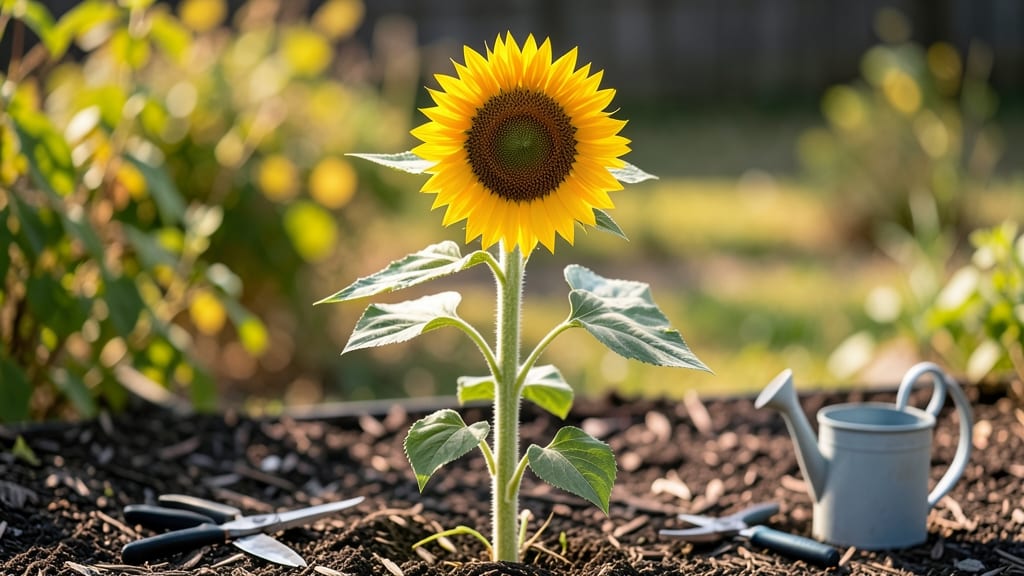
Growing Hopi dye sunflowers isn’t just about flowers—it’s about reviving a tradition that thrives where others struggle. These drought-tolerant beauties produce vibrant yellow blooms perfect for natural dyeing, and they flourish in hot, dry climates where most sunflowers wilt.
I’ve grown them in Zone 7’s intense summers, and they never missed a beat. The secret lies in their deep roots and heat-loving nature, making them a standout for both gardeners and crafters.
You’ll need full sun, well-draining soil, and patience—these aren’t fast growers, but they’re foolproof once established. Start seeds indoors 6-8 weeks before your last frost, or direct-sow after all danger of frost has passed.
Space plants 18-24 inches apart to give their taproots room to stretch deep, and avoid overwatering; they’ll tell you when they’re thirsty with drooping leaves that perk up after a drink. The payoff? Stunning blooms that last weeks and seeds packed with dye potential.
What makes these sunflowers special isn’t just their hardiness—it’s their versatility. The flowers yield a golden-yellow dye used for centuries in Native American textiles, and the seeds double as a nutritious snack.
Harvest the blooms when fully open for the brightest color, then let the seeds mature for dye or food. Even in my driest summers, these plants deliver reliable results with minimal fuss, proving beauty and sustainability go hand in hand.
Perfect for arid gardens, drought-tolerant landscapes, or anyone eager to grow something both practical and stunning. Once you try them, you’ll wonder why you didn’t start sooner—they’re the sunflowers that refuse to quit, even when the heat turns up.
📚 In This Guide
- What you need
- Instructions
- Tips and common mistakes
- Wrapping up and next steps
What you need
- ● Hopi dye sunflower seeds – Choose a variety like Helianthus annuus (traditional Hopi dye sunflowers are often heirloom or open-pollinated). Buy 5–10 seeds per plant (or a packet of 50+ for bulk planting).
- ● Well-draining soil – Hopi sunflowers thrive in sandy or rocky soil (mimicking their native arid conditions). Amend heavy clay with compost or perlite if needed.
- ● Sunlight – Full sun (6+ hours daily). These sunflowers are tough and adaptable but love basking!
- ● Water (sparingly!) – Once established, they’re drought-resistant. Water deeply 1–2 times per week (more in extreme heat).
- ○ Support (optional but helpful) – Tall varieties (4–6 ft) may need stakes or cages to prevent flopping in windy areas.
- ● Garden gloves – Protect your hands while handling seeds or soil.
- ● Trowel or transplant tool – For planting seeds or seedlings.
- ○ Mulch (optional) – Use straw or gravel to retain moisture and suppress weeds (traditional Hopi methods!).
- ● Pest deterrents (if needed) – Neem oil or row covers for young plants (sunflowers are generally pest-resistant but can attract birds or beetles).
- ● Patience! ☀️ – Hopi sunflowers grow fast but love warm soil (60°F+). Start seeds indoors 4–6 weeks before last frost or direct-sow after danger of frost.
- ● Dried sunflower petals – Harvest when fully open (morning is best!).
- ● Mortar & pestle (or blender) – For crushing petals into a powder.
- ● Fabric or yarn – Natural fibers like cotton or wool work best for dyeing.
- ● Alum or vinegar – Acts as a mordant to set the dye (follow traditional Hopi methods for best results!).
Step-by-Step guide to growing Hopi dye sunflowers in dry conditions
These drought-tolerant sunflowers reward patience with striking blooms and cultural significance.
Choose the Right Location and Prepare the Soil
Hopi dye sunflowers thrive in full sun—select a spot that receives at least 6-8 hours of direct sunlight daily. These plants are adapted to arid conditions, so avoid low-lying areas where water pools after rain. If your soil drains poorly, amend it with 2-3 inches of coarse sand or grit to improve aeration.
Loosen the top 6-8 inches of soil with a garden fork or tiller to break up compaction. Unlike many sunflowers, Hopi dye varieties prefer lean, well-draining soil. Mix in a balanced, slow-release fertilizer (like 10-10-10) at planting time—these sunflowers don’t need heavy feeding. The goal is soil that crumbles easily when squeezed, not dense or sticky.
Plant Seeds at the Correct Depth and Spacing
Sow seeds ¼ inch deep—they’re large enough that they won’t need light to germinate. Space them 18-24 inches apart in rows 2-3 feet apart to allow for their mature height of 3-5 feet. If planting in containers, use pots at least 12 inches deep and wide to accommodate their root systems.
Water the soil thoroughly before planting, then place 1-2 seeds per hole (they germinate easily, so thinning later prevents overcrowding). Cover lightly with soil and pat gently to secure. Here’s the thing—don’t water immediately after planting. Let the soil settle for 24 hours to prevent seeds from washing deeper than intended.
Water Deeply but Infrequently to Encourage Drought Resistance
Once seedlings emerge (usually in 7-14 days), water deeply but infrequently—this is key to their success. Aim for 1 inch of water per week, delivered in one long soaking rather than frequent shallow watering. The goal is to encourage deep root growth, which makes these sunflowers resilient in dry climates.
Check soil moisture by sticking your finger 2 inches deep. If it feels dry, it’s time to water. Overwatering leads to weak stems and fungal issues. Mulch around plants with 2-3 inches of straw or gravel to retain moisture and suppress weeds—just keep mulch 2 inches away from stems to prevent rot.
Support Tall Stems and Monitor for Pests
As plants reach 2 feet tall, they may need staking or tying to prevent toppling in wind or rain. Use bamboo stakes or soft garden twine to gently secure stems without restricting growth. Hopi dye sunflowers are relatively pest-resistant, but watch for aphids or spider mites—spray affected leaves with neem oil if you spot clusters of tiny insects.
Deadhead spent blooms by snipping off faded flowers just above the next set of leaves. This redirects energy to new blooms and extends the flowering season. The vibrant petals of Hopi dye sunflowers are prized for their natural dye properties, so harvesting at peak bloom (when petals are fully open) ensures the best color yield.
Harvest and Preserve for Dye or Seed
For dye, harvest petals when fully open by twisting them gently from the stem—this avoids damaging the plant. Dry petals in a single layer on a screen in a warm, dry place for 3-5 days before storing in an airtight container. For seeds, leave some heads on the plant until they turn brown and dry completely, then collect and store in a cool, dark place.
These sunflowers self-seed readily, so you’ll likely find volunteers popping up the following year. If you want to control their spread, deadhead before seeds form. The beauty of Hopi dye sunflowers is their adaptability—they’ll reward your efforts with striking color and minimal fuss.
Tips & tricks for growing Hopi dye sunflowers
These sunflowers are surprisingly low-maintenance once you know the right approach—here's how to set them up for success.
Sunlight Strategy: While the instructions call for 6-8 hours of daily sun, I've found that these sunflowers actually tolerate up to 10 hours of direct sunlight in arid climates—just make sure to provide afternoon shade if temperatures exceed 95°F to prevent leaf scorch. The key is morning sun exposure when temperatures are cooler, which helps establish strong root systems before the heat of day.
Soil Prep Secret: The lean soil preference mentioned in Step 1 is crucial, but I recommend adding a handful of crushed eggshells to each planting hole before sowing seeds. This provides calcium for strong stems while improving drainage. The eggshells break down slowly, releasing nutrients over time without over-fertilizing—exactly what these sunflowers need to thrive in dry conditions.
Watering Wisdom: When aiming for that 1 inch of water per week, I use a rain gauge to measure exactly. But here's what nobody tells you—water in the early morning (before 8 AM) to reduce evaporation and fungal risks. The 2-inch soil moisture check is perfect, but I also watch for wilting leaves as an early warning sign, especially in containers where water evaporates faster.
Pest Prevention: While neem oil is great for aphids and spider mites, I've had best success with a preventive approach: sprinkle diatomaceous earth around the base of plants (but keep it 2 inches away from stems). This natural powder creates a barrier that deters pests without chemicals. I reapply after rain, and it's worked perfectly for my drought-resistant sunflowers.
Pro Tips for Hopi Dye Sunflower
- These sunflowers are surprisingly low-maintenance once you know the right approach—here's how to set them up for success.
- The key is morning sun exposure when temperatures are cooler, which helps establish strong root systems before the heat of day.
- Soil Prep Secret: The lean soil preference mentioned in Step 1 is crucial, but I recommend adding a handful of crushed eggshells to each planting hole before sowing seeds.
Frequently asked questions
Got questions about growing Hopi dye sunflowers? You’re not alone! Here are some of the most common queries—and their answers—to help you cultivate these stunning, drought-tolerant beauties with confidence.
What’s the best time to plant Hopi dye sunflowers?
Plant seeds after the last frost in spring, once soil temperatures reach at least 50°F (10°C). These sunflowers thrive in hot, dry climates, so avoid planting in cool, wet soil. For extended blooms, consider a fall planting in mild-winter regions (like Zone 7+).
How much water do Hopi dye sunflowers really need?
These sunflowers are drought-resistant, but they’ll reward you with deeper colors if given 1–2 inches of water per week during their first month. Once established, water deeply but infrequently—overwatering can dilute the dye intensity. Mulch around the base to retain moisture.
Can I grow Hopi dye sunflowers in containers?
Use a large pot (at least 12 inches deep) with drainage holes and well-draining soil. Place in full sun and water consistently until roots fill the container. Just be mindful—container-grown sunflowers may need extra support (like stakes) as they mature.
What pests should I watch for with Hopi dye sunflowers?
Keep an eye out for aphids, sunflower moths, and beetles, which can chew leaves or damage buds. Neem oil or insecticidal soap works well for mild infestations. For heavy pest pressure, handpick larvae or introduce beneficial predators like ladybugs. Healthy plants are less vulnerable!
How do I know when the sunflowers are ready for dyeing?
Harvest yellow ray florets (petals) when fully open but before they brown—usually late morning on a dry day. For brown dye, use dark brown heads (when seeds are mature). Dry petals completely in the shade before storage to preserve their dye potential.
Wrapping up and next steps
Growing Hopi dye sunflowers isn’t just about adding vibrant color to your garden—it’s a celebration of cultural heritage and resilience in arid landscapes. 🌵 With the right soil, watering routine, and pest awareness, these sunflowers will reward you with striking blooms and a connection to Native traditions.
Ready to plant your seeds of pride?
Your next step? Start small—grow a single plant in a container or patch of soil, and let its beauty inspire you to explore more native varieties. Share your progress with fellow gardeners or even local Hopi communities—every bloom tells a story!