
Landscaping
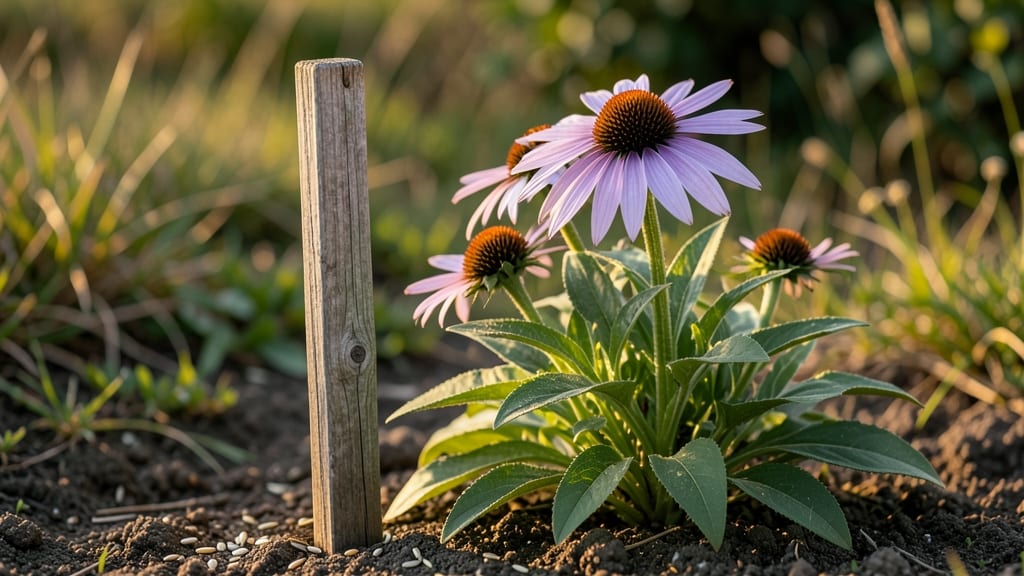
A backyard wildflower patch transforms even the smallest yard into a buzzing, blooming haven for bees, butterflies, and hummingbirds—without the fuss of mowing or pruning. 🌼 I’ll never forget the first time I watched monarchs flutter through my patch after years of struggling with manicured lawns; it changed how I saw my garden forever.
The secret lies in letting nature take the lead while you handle just four simple steps that work for any yard size or climate zone.
You’ll need a sunny spot (at least 6 hours of light daily), a handful of native wildflower seeds, some mulch, and a watering can—no fancy tools required. The soil doesn’t even need tilling; just scratch the surface to break up the top inch.
Native seeds thrive with minimal intervention, and once established, they’ll spread effortlessly, creating a self-sustaining ecosystem that outshines any store-bought bedding plants.
By late spring, you’ll see vibrant blooms in every color, followed by waves of flowers through fall—each one a magnet for pollinators. The air hums with activity, and your patch becomes a lifeline for struggling bee populations.
Best of all, the maintenance is almost nonexistent: a quick trim once a year and occasional watering during dry spells keeps everything lush.
Whether you have a full sun backyard or just a sunny corner, this approach adapts to any space. The key is choosing the right wildflowers for your region—local nurseries can help you pick varieties that’ll thrive with almost no effort. Let’s get your patch started!
📚 In This Guide
- What you need
- Instructions
- Tips and common mistakes
- Wrapping up and next steps
What you need
- ● Wildflower seeds: Choose native, pollinator-friendly varieties (e.g., coneflowers, black-eyed Susans, milkweed). Aim for 2–4 lbs per 100 sq ft.
- ● Native soil or compost: 2–3 bags (or homemade compost) to enrich the area.
- ○ Mulch (optional but helpful): Straw or wood chips (1–2 bags) to retain moisture.
- ● Garden gloves (1 pair) – Protect your hands from thorns and dirt.
- ● Hand trowel or small shovel – For digging and planting.
- ● Rake – To level the soil and remove debris.
- ● Watering can or hose with a gentle spray nozzle – For consistent moisture.
- ● Measuring tape or string – To mark your patch’s boundaries.
- ● A sunny spot with 6+ hours of sunlight daily (most wildflowers thrive here!).
- ● An area free of weeds or invasive plants (or time to clear them).
- ● Access to water (a nearby spigot or hose makes life easier!).
Step-by-step instructions for creating a backyard wildflower patch
Here's how to transform even a small corner into a thriving pollinator haven.
🌱 Step 1: Choose and Prepare Your Site
Select an area with at least 6 hours of sunlight daily—wildflowers thrive where most garden plants struggle. Clear existing vegetation, removing weeds and grass down to bare soil. I like to mark the patch boundaries with stakes and string to visualize the space before digging.
Loosen the top 4-6 inches of soil with a garden fork or tiller, breaking up compacted layers. Wildflowers don't need rich soil—they flourish in poor, rocky ground. If your soil is extremely hardpan, mix in 2-3 inches of compost along the edges to encourage root establishment. Avoid tilling deeply, as wildflower roots need to reach down naturally.
🌿 Step 2: Select and Sow Your Wildflower Mix
Choose a native wildflower seed mix suited to your region and sunlight conditions. I recommend 1-2 pounds per 100 square feet—this ensures good coverage without overcrowding. Scatter seeds evenly by hand or use a seed spreader for larger areas. Don't bury them; press seeds lightly into the soil with a board or rake to ensure good soil contact.
Water gently but thoroughly after sowing to settle seeds into the soil surface. Keep the area moist but not soggy for the first 2-3 weeks, misting daily if rainfall is scarce. You'll see the first tiny sprouts within 7-14 days—this is your signal that germination has begun. Here's the thing—don't be tempted to thin seedlings. Wildflowers grow best when densely packed.
☀️ Step 3: Maintain Through Establishment
Once seedlings emerge, reduce watering to once weekly unless you experience prolonged dry spells. Wildflowers develop deep roots quickly, so consistent moisture encourages strong growth. You'll notice the first true leaves appear in 3-4 weeks, signaling that plants are well on their way to establishing themselves.
Allow flowers to go to seed at the end of the season—this ensures your patch will regenerate year after year. Avoid mowing until after the first frost, when plants have completed their lifecycle. I've found that leaving seed heads over winter provides food for birds and contributes to next year's natural reseeding.
✂️ Step 4: Enjoy and Encourage Pollinators
Within 6-8 weeks, you'll see the first blooms emerge, attracting bees, butterflies, and hummingbirds almost immediately. To maximize pollinator visits, avoid pesticides entirely—wildflowers rely on these visitors for reproduction. You'll notice the most activity on warm, sunny days when flowers are fully open.
Each year, your patch will become more vibrant as native plants establish and spread. I like to add a few new species every few years to maintain diversity. This is the moment that matters: watching bees dance from flower to flower and butterflies flutter through the air—it's the payoff for simple, patient gardening.
Tips & tricks for perfect backyard wildflower patch
Here's what nobody tells you about creating a thriving wildflower sanctuary that actually attracts pollinators.
Site Selection Secret: While the instructions mention 6 hours of sunlight, I've found that south-facing areas with afternoon sun exposure actually perform best in most climates. Morning sun can lead to dew buildup, which encourages fungal growth in your young seedlings. If your yard has limited sun, prioritize the sunniest spot you can find—wildflowers will still grow in partial shade, but pollinator activity will be significantly reduced.
Soil Prep Strategy: The instructions suggest 2-3 inches of compost only for hardpan soil, but I recommend adding a thin layer of compost across your entire patch—even if your soil isn't compacted. The top 1-2 inches of compost improves moisture retention during those critical first 2-3 weeks while seeds germinate. This is especially valuable if your region experiences dry spells during spring planting.
Seed Sowing Technique: When pressing seeds into the soil, I like to use a wooden board rather than a rake. The even pressure ensures consistent contact with the soil surface without burying seeds too deeply. For larger patches, consider using a seed spreader with a fine mesh—it distributes seeds more evenly than hand-scattering, which can lead to clumps that might not germinate uniformly.
Germination Watch: Those first 7-14 days of germination are the most critical period. I've learned to set up a simple irrigation system using soaker hoses during this time, especially if you're experiencing hot, dry weather. Even 10 minutes of daily overhead misting can make the difference between successful germination and seed failure. The key is keeping the soil surface consistently moist but never waterlogged.
Pro Tips for Backyard Wildflower Patch
- Here's what nobody tells you about creating a thriving wildflower sanctuary that actually attracts pollinators.
- Site Selection Secret: While the instructions mention 6 hours of sunlight, I've found that south-facing areas with afternoon sun exposure actually perform best in most climates.
- Soil Prep Strategy: The instructions suggest 2-3 inches of compost only for hardpan soil, but I recommend adding a thin layer of compost across your entire patch—even if your soil isn't compacted.
Frequently asked questions
Got questions about creating your own backyard wildflower patch? You’re not alone!
Here are answers to the most common concerns—plus a few surprises—to help you plant with confidence.
How long does it take for wildflowers to bloom after planting?
Most wildflower seeds take anywhere from 4 to 12 weeks to germinate, depending on the species and weather. Annuals (like cosmos or sunflowers) may bloom in as little as 6–8 weeks, while perennials (like coneflowers or black-eyed Susans) could take up to a year to reach full beauty. Patience pays off—think of it as nature’s slow-cooked masterpiece!
Will wildflowers attract pests like mosquitoes or rodents?
Not at all! Wildflowers are magnets for pollinators (bees, butterflies, hummingbirds), but they don’t attract mosquitoes or rodents. In fact, they repel pests by promoting biodiversity. Avoid standing water (mosquito breeding grounds) and keep seed packets away from storage areas to deter critters. Win-win for your garden!
How much water do wildflowers need once established?
Once rooted, most wildflowers are drought-tolerant—just 1 inch of water per week (rain or hand-watering) is plenty. Overwatering can drown seeds or encourage weeds. Let the soil dry slightly between waterings, and mulch lightly to retain moisture. Think of them as the low-maintenance superstars of your yard!
Can I plant wildflowers in shaded areas?
While sun-lovers (like black-eyed Susans) thrive in full sun, shade-tolerant varieties (e.g., Virginia bluebells, trillium, or wild ginger) do beautifully in partial shade (2–6 hours of sunlight). Check seed packets for light requirements, and avoid deep shade (under trees) where competition for nutrients is fierce. Every spot can be a pollinator paradise!
What if my wildflowers don’t grow? Troubleshooting tips.
No blooms? Don’t panic! Common issues include:
- Poor soil: Amend with compost or a wildflower-specific mix.
- Wrong timing: Plant in early spring or fall (avoid summer heat).
- Competition: Pull weeds before seeds sprout.
- Patience: Some seeds need cold stratification (freeze them in a bag for 4–6 weeks before planting).
Wrapping up and next steps
Creating a backyard wildflower patch is a rewarding way to support pollinators while adding beauty to your space! 🌸 With just a little effort, you can transform even a small corner into a thriving ecosystem that butterflies, bees, and birds will love.
Start small—whether it’s a single bed or a few scattered plants—and watch your garden buzz with life.
Ready to take the next step? Pick your favorite wildflowers, gather your tools, and get planting! Soon, your patch will be a vibrant haven for nature—and a source of pride for you. Happy gardening! 🌿✨