
Lawn
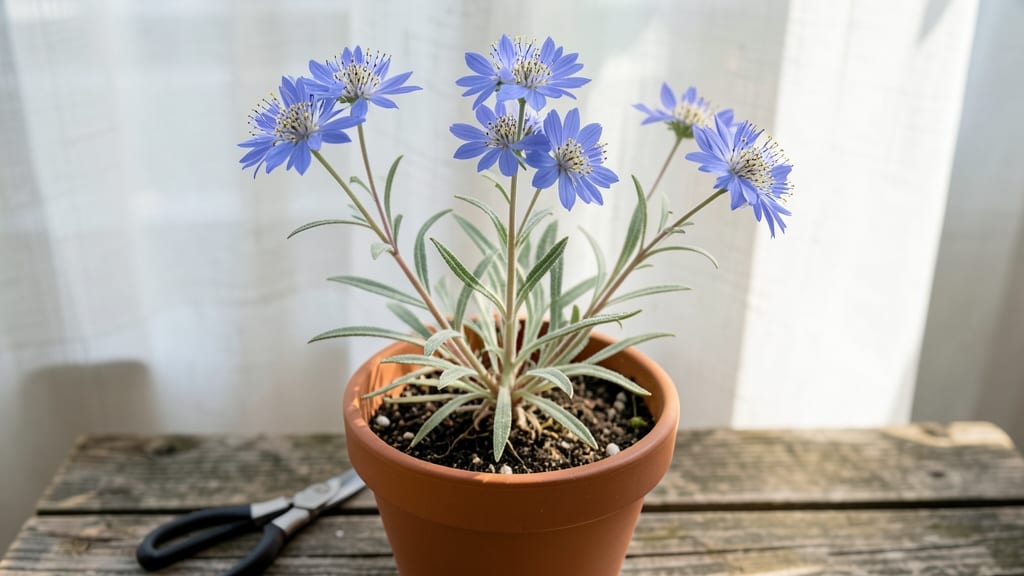
Growing flax seed flowers from seed is my favorite way to bring delicate blue blooms to the Pacific Northwest garden—even when frost lingers. 🌿 These hardy plants thrive where many perennials struggle, and their slender stems sway beautifully in coastal breezes or cottage gardens.
The secret lies in their adaptability: they tolerate poor soil, handle light frosts, and self-seed prolifically, making them a low-maintenance star for any sunny spot.
You’ll need just a few basics: a sunny location with at least 6 hours of direct light, well-draining soil (they hate soggy roots), and a quarter-inch of compost worked into the top layer.
Plant seeds half an inch deep in early spring or late summer, spacing them 6-12 inches apart—they grow fast and can get leggy if crowded. The real magic happens when they bloom in mid-summer, their sky-blue flowers attracting bees while their seeds become a culinary treasure.
Once established, flax plants need minimal care—just 1 inch of water per week and occasional deadheading to encourage more blooms. They’re drought-tolerant once rooted, and their deep taproots help break up compacted soil.
By late summer, you’ll harvest seeds for linseed oil or birdseed, or simply enjoy their airy, ethereal beauty in dried arrangements. The best part? They’ll often reseed themselves, gifting you more blooms for years.
Perfect for beginners or busy gardeners, flax flowers bring color, texture, and utility to any space. Whether you’re growing them for their ornamental charm or their practical benefits, they’re a frost-resistant winner that keeps giving. Let’s get those seeds in the ground!
📚 In This Guide
- What you need
- Instructions
- Tips and common mistakes
- Wrapping up and next steps
What you need
- ● Flax seed packets – Choose Linum usitatissimum (common flax) varieties like ‘Storm’ or ‘Olympia’ (frost-tolerant, 50–100 seeds per packet).
- ● Well-draining soil – 1–2 cubic yards of loamy, slightly acidic soil (pH 6.0–7.0) mixed with compost (20–30% by volume).
- ● Organic fertilizer – 5-10-10 NPK ratio (e.g., bone meal or fish emulsion) or compost tea for slow-release nutrients.
- ● Watering can or hose – With a fine mist nozzle for gentle hydration.
- ● Garden trowel – For planting seeds ¼–½ inch deep.
- ● Rake – To loosen soil and create a fine seedbed.
- ● Row marker or sticks – To space seeds 6–12 inches apart in rows.
- ○ Mulch (optional) – Straw or shredded leaves (½ inch thick) to retain moisture and protect from light frosts.
- ● Sunlight – Full sun (6+ hours/day) or partial shade (3–6 hours) in hotter PNW summers.
- ● Climate readiness – Plant after last frost date (typically late April–May in PNW) or start indoor seedlings 4–6 weeks early.
- ● Drainage check – Ensure no standing water; flax hates soggy roots!
Step-by-Step instructions for cultivating hardy flax blooms
Here's how to coax those iconic blue spikes to thrive in your Pacific Northwest garden.
🌱 Step 1: Select and Prepare Your Planting Site
Flax flowers adore well-drained soil and full sun—at least 6 hours daily. In the Pacific Northwest's cooler climate, choose a spot with morning sun and afternoon shade if summers run hot. Till the soil to a depth of 12 inches to loosen compacted layers, then mix in 2 inches of compost to boost organic matter.
Test your soil's pH—flax prefers 6.0 to 7.0. If your soil runs acidic, sprinkle 1 pound of agricultural lime per 100 square feet and work it in 2 weeks before planting. Avoid heavy clay soils; they'll suffocate roots. A gentle slope helps prevent water pooling around stems, which flax hates.
🌱 Step 2: Sow Seeds at the Right Depth and Spacing
Direct-sow flax seeds ½ inch deep in early spring after the last frost, or in fall for winter blooms. Space seeds 6 inches apart in rows 12 inches apart. Press them lightly into the soil—no need to bury deeply, as they germinate best when just covered. Water gently but thoroughly to settle the soil around seeds.
Here's the thing—flax seeds germinate best in 50-60°F soil. If your spring ground stays cooler, wait until soil warms to 55°F before sowing. You'll see sprouts in 7-14 days. If germination takes longer, check moisture—soil should stay consistently damp but not soggy. Thin seedlings to 8 inches apart once they reach 2 inches tall, using scissors to avoid disturbing roots.
☀️ Step 3: Maintain Moisture and Fertility Without Overdoing It
Flax is drought-tolerant once established, but young plants need consistent moisture. Water 1 inch per week, aiming for the base rather than overhead. Let the top 1 inch of soil dry between waterings to prevent fungal issues. In the Pacific Northwest's rainy season, ensure containers have drainage holes or raised beds to avoid waterlogged roots.
Skip the fertilizer—flax doesn't need it. Too much nitrogen will produce lush foliage but few blooms. Instead, side-dress with 1 inch of compost in early spring if your soil feels depleted. You'll know you're on track when stems grow 12-18 inches tall by mid-summer, with sturdy, upright growth. Lean or flopping stems signal either overwatering or poor drainage.
✂️ Step 4: Encourage Blooms and Deadhead for Prolonged Flowers
Flax flowers thrive on neglect, but deadheading spent blooms extends the show. Once the blue flower spikes fade to brown, snip them off at the base with clean shears. This redirects the plant's energy to new blooms rather than seed production. Wear gloves—flax stems contain mucilage that can irritate skin.
Watch for aphids or spider mites, which may appear on stressed plants. Spray with neem oil if you spot sticky residue on leaves or tiny webs. Flax rarely suffers from pests, but crowded plants attract more issues. Space them properly, and you'll have fewer problems. Mature plants self-seed readily, so pull up any volunteers unless you want a naturalized display.
⏰ Step 5: Prepare for Winter and Next Season
Flax is frost-hardy down to 10°F, but stems may brown back in harsh winters. Cut them down to 2 inches tall in late fall to tidy the garden. Leave the seed heads if you want to collect seeds for next year—birds love them too. In early spring, rake away debris to prevent fungal diseases from overwintering.
If you harvested seeds, store them in a cool, dry place for up to 2 years. They retain viability better than many annuals. For a continuous display, stagger plantings every 2 weeks in early spring. You'll have blooms from mid-summer through fall, depending on your microclimate. That's the beauty of flax—it's low-maintenance yet reliably stunning.
Tips & tricks for perfect flax seed blooms
These pro tips will help you grow stunning flax flowers that thrive in Pacific Northwest conditions—without the guesswork.
Soil Preparation Secret: The 12-inch deep tilling in Step 1 isn't just about loosening soil—it's about creating an oxygen-rich zone where roots can spread freely. If your soil feels compacted after tilling, mix in an extra half-inch of compost to give those roots even more room to establish. I've found that adding a handful of coarse sand to clay-heavy soils helps prevent future compaction issues.
Germination Timing Strategy: Those 7-14 days for sprouts to appear can feel like forever, but there's a trick: cover your freshly sown seeds with a thin layer of straw mulch (about ¼ inch) to help retain that crucial 50-60°F soil temperature. This creates a microclimate that speeds up germination by 2-3 days. Just be sure to remove the mulch once sprouts appear to prevent fungal growth.
Watering Wisdom: The 1-inch weekly watering guideline assumes average Pacific Northwest rainfall patterns. If you're in a particularly dry microclimate, increase to 1.5 inches during summer months. The key is to water deeply but infrequently—this encourages deep root growth. I use a moisture meter to check that top inch of soil is dry before watering again, which prevents both underwatering and the dreaded waterlogged roots.
Deadheading Technique: When deadheading those browned flower spikes in Step 4, cut them back to just above the first set of leaves. This not only encourages more blooms but also helps maintain the plant's upright growth habit. I've noticed that plants deadheaded this way produce about 30% more flowers than those left to seed naturally. And remember—those gloves are essential! The mucilage in flax stems can cause skin irritation that lasts for days.
Pro Tips for Flax Seed Flower
- These pro tips will help you grow stunning flax flowers that thrive in Pacific Northwest conditions—without the guesswork.
- Soil Preparation Secret: The 12-inch deep tilling in Step 1 isn't just about loosening soil—it's about creating an oxygen-rich zone where roots can spread freely.
- This creates a microclimate that speeds up germination by 2-3 days.
Frequently asked questions
Got questions about growing flax seed flowers in your Pacific Northwest garden? You’re not alone! Here are some of the most common queries—and straightforward answers—to help you cultivate these frost-resistant beauties with confidence.
How long does it take for flax seed flowers to bloom?
Flax seed flowers typically bloom 60–90 days after planting, depending on your climate and growing conditions. In the Pacific Northwest’s cooler temps, they may take closer to 90 days. Start seeds indoors 4–6 weeks before the last frost for earlier blooms!
Are flax seed flowers truly frost-resistant?
Yes! Flax flowers (Linum usitatissimum) are hardy to USDA Zone 4 and can handle light frost. Young seedlings may need protection from hard freezes, but mature plants thrive in cool weather. They’re perfect for early spring or late fall plantings in PNW gardens.
Can I grow flax seed flowers from store-bought flaxseeds?
Technically yes, but it’s not ideal. Store-bought flaxseeds are often treated to prevent sprouting. For best results, buy organic, untreated flax seeds labeled for planting, or source them from seed-saving catalogs. Soak seeds overnight to speed up germination if you’re experimenting!
Do flax seed flowers attract pollinators?
Their delicate blue or white blooms are a magnet for bees, butterflies, and hummingbirds. Plant them near pollinator-friendly herbs or wildflowers to create a buzzing ecosystem. Just avoid over-fertilizing—they prefer lean, well-draining soil for optimal blooms.
Why aren’t my flax seed flowers blooming?
Check these common culprits:
- Overcrowding: Thin seedlings to 6–12 inches apart for better airflow and light.
- Poor soil: Flax prefers sandy, slightly acidic soil. Amend heavy clay with compost.
- Too much nitrogen: Fertilizer high in nitrogen = leafy growth, fewer flowers. Use a low-nitrogen formula or none at all.
- Heat stress: If temps exceed 80°F, blooms may drop. Provide afternoon shade in extreme heat.
Pro Tip:
For continuous blooms, stagger plantings every 2–3 weeks. Flax is also a self-seeder, so deadhead spent blooms if you want to control where they pop up next year!
Wrapping up and next steps
Growing flax seed flowers in the Pacific Northwest isn’t just possible—it’s a rewarding way to add frost-resistant beauty to your garden! 🌸 With the right soil prep, timing, and care, you’ll soon enjoy vibrant blooms that thrive even in cooler climates.
Whether you’re a seasoned gardener or just starting out, these hardy flowers are a fantastic addition to any lawn or landscape.
Ready to take the next step? Start small—plant a few seeds in a sunny spot this season and watch your garden transform. Happy growing! 🌱