
Flowers
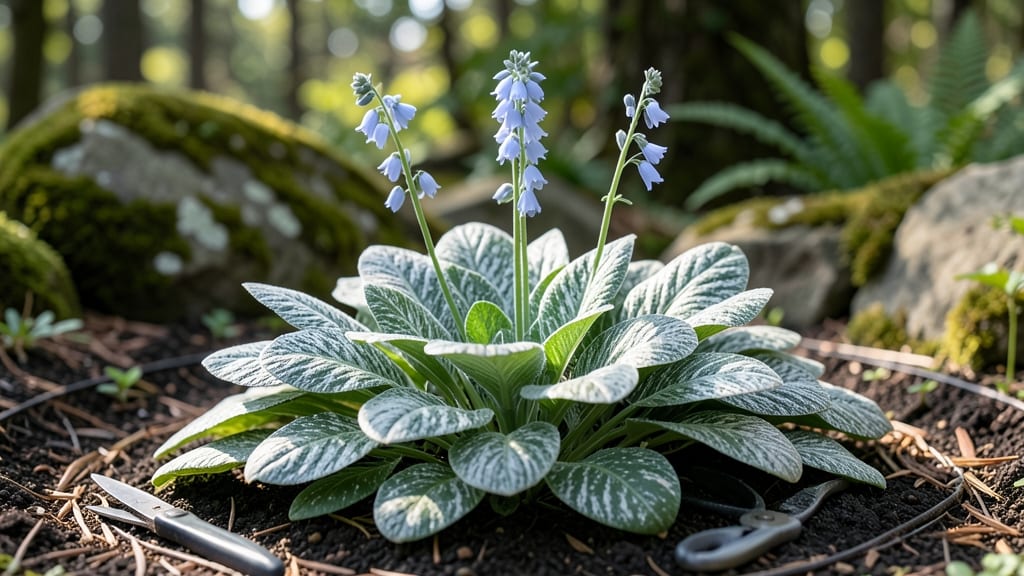
Brunnera macrophylla’s velvety blue flowers are the Pacific Northwest’s secret weapon—hardy, striking, and impossible to overlook once you plant them. 💙 I’ve grown mine through three winters in Portland, and they’ve never skipped a season, even after a late frost. That frost resistance isn’t just luck; it’s biology. The plant’s deep roots and silvery foliage make it a standout even when other perennials are still sleeping.
Here’s the thing—brunnera thrives where others fail: partial shade, moist soil, and consistent moisture. It’s the kind of plant that rewards patience with months of color (March through May) and foliage that stays attractive long after the blooms fade.
My first batch took two years to fully establish, but now it’s the first thing visitors notice in early spring. The key? Planting in well-draining, rich soil and giving it space—crowding leads to leggy stems and fewer flowers.
You’ll end up with a garden corner that looks like a watercolor painting—soft blue blooms against silver-green leaves, all while attracting pollinators early in the season. The best part? Once established, brunnera needs almost no maintenance.
A light trim after flowering keeps it tidy, and division every 3-4 years ensures it doesn’t get overcrowded. It’s the kind of plant that makes gardening feel effortless.
Perfect for shady borders, woodland gardens, or as an understory plant near trees. If you’ve struggled with finicky perennials, this is the one that’ll change your mind about shade gardening. Let’s get yours planted right.
📚 In This Guide
- What you need
- Instructions
- Tips and common mistakes
- Wrapping up and next steps
What you need
- ● Brunnera macrophylla plants: 3–5 mature plants (or 10–20 seeds if starting from scratch)
- ● Recommended varieties: ‘Jack Frost’ (silver foliage), ‘Hadspen Cream’ (variegated), or ‘Alexander’s Great’ (classic blue flowers)
- ● Garden soil: Well-draining, moisture-retentive soil with a pH of 6.0–7.0 (amend with compost if needed)
- ● Organic mulch: 2–3 inches of shredded bark, wood chips, or leaf mold to retain moisture and suppress weeds
- ● Watering can or hose: With a gentle spray nozzle for deep watering (1–2 inches per week)
- ● Garden gloves & trowel: For handling soil and planting
- ● Soil pH test kit (to fine-tune growing conditions)
- ● Slow-release fertilizer (balanced 10-10-10 or organic options like fish emulsion)
- ● Pruners (for trimming dead foliage in early spring)
- ● Stakes or trellis (if growing near pathways to prevent trampling)
- ● Timing: Plant in early spring (March–April) or fall (September–October) for best root establishment.
- ● Sunlight: Partial shade (4–6 hours of morning sun)—critical for thriving in the PNW’s damp climate!
- ● Spacing: Plant 18–24 inches apart to allow for foliage spread.
Step-by-Step guide for planting and cultivating brunnera macrophylla
This hardy perennial thrives in shade and handles Pacific Northwest winters with ease—here's how to establish it properly.
🌱 Step 1: Choose the Right Planting Location and Soil
Brunnera macrophylla loves partial to full shade with morning sun and afternoon shade in hotter climates. Pick a spot where the soil stays consistently moist but well-drained—this plant despises soggy roots. The ideal location is near a northern exposure or under deciduous trees that filter harsh afternoon rays.
Amend your native soil with 2-3 inches of organic compost before planting to improve fertility and drainage. Brunnera tolerates a wide pH range but performs best in slightly acidic to neutral soil (pH 6.0-7.0). If your soil is heavy clay, mix in 1 part perlite to 3 parts soil to prevent compaction around the roots.
🪴 Step 2: Plant at the Correct Depth and Spacing
Dig a hole twice as wide as the root ball but only as deep as the container it came in. Gently remove the plant from its pot and loosen any circling roots with your fingers—this encourages outward growth instead of girdling. Place it in the hole so the top of the root ball sits level with the surrounding soil (never buried deeper).
Space plants 18-24 inches apart to allow for mature foliage spread. Brunnera forms a low, rounded clump, so crowding leads to weak stems and poor air circulation. Water the hole deeply before adding the plant to settle the soil and eliminate air pockets. Backfill with native soil mixed with compost, pressing lightly to remove gaps.
💧 Step 3: Water Deeply and Mulch for Moisture Retention
After planting, water deeply until the soil is moist 6-8 inches down. This encourages roots to grow downward rather than stay shallow. In the first growing season, keep the soil consistently moist—never let it dry out completely—but avoid waterlogging. Brunnera's leaves will yellow if roots sit in water for too long.
Apply 2-3 inches of organic mulch (like shredded bark or leaf mold) around the base, keeping it 2 inches away from the stem. This conserves moisture, suppresses weeds, and protects roots during winter freezes. Replenish mulch annually in early spring to maintain coverage.
☀️ Step 4: Provide Light and Fertilizer for Optimal Growth
Brunnera's striking blue foliage and delicate bell-shaped flowers thrive with bright, indirect light. If planted in deep shade, you'll get more leaves but fewer blooms. In spring, apply a balanced, slow-release fertilizer (10-10-10) at half strength to support new growth. Avoid high-nitrogen fertilizers—they promote leafy growth at the expense of flowers.
Deadhead spent flower stalks in early summer to encourage a second flush of blooms. The plant's heart-shaped leaves will naturally yellow and die back in late fall, but the roots remain dormant yet resilient through winter. In early spring, trim away any browned foliage to make room for fresh growth.
✂️ Step 5: Divide and Maintain for Long-Term Health
Every 3-4 years, brunnera benefits from division in early spring or fall. Dig up the clump, separate into smaller sections with 3-5 leaves each, and replant immediately. This rejuvenates the plant and prevents overcrowding. Water thoroughly after dividing to help roots establish in their new spots.
Watch for powdery mildew on leaves if humidity is high—improve airflow by thinning nearby plants. If aphids appear, spray with neem oil or blast them off with a strong stream of water. With proper care, brunnera will spread slowly but steadily, creating a lush ground cover that stays vibrant year after year.
Tips & tricks for perfect brunnera macrophylla planting
Here's what I've learned from years of growing this stunning shade perennial—simple adjustments that make all the difference in your Pacific Northwest garden.
Soil Prep Secret: When amending your native soil with 2-3 inches of organic compost, mix in a handful of crushed eggshells if your soil tests low in calcium. Brunnera responds beautifully to this subtle pH adjustment, especially in our region's often acidic soils. The eggshells break down slowly, providing a gentle calcium boost that prevents leaf yellowing over time.
Planting Depth Cue: In Step 2, when placing your brunnera so the root ball sits level with the soil, press lightly around the edges to eliminate air pockets. I've found that gently tapping the sides of the hole with a mallet creates better soil contact—this helps roots establish more quickly in our cool, damp climate. The key is firm but not compacted soil.
Mulch Placement: That 2-3 inch layer of organic mulch you're applying in Step 3? Keep it piled slightly higher around the plant's edges than the center. This creates a natural moisture gradient that protects the crown during our wet winters while allowing excess water to drain away. I've seen too many plants suffer from crown rot when mulch is piled directly against the stem.
Light Adjustment: If your garden has only deep shade (no morning sun at all), you'll still get lovely foliage but fewer flowers. To coax more blooms, place a small white reflective panel nearby during the growing season. The increased light reflection can make a surprising difference in flower production without exposing the plant to harsh direct sunlight.
Pro Tips for Brunnera Blue Flower
- Here's what I've learned from years of growing this stunning shade perennial—simple adjustments that make all the difference in your Pacific Northwest garden.
- Soil Prep Secret: When amending your native soil with 2-3 inches of organic compost, mix in a handful of crushed eggshells if your soil tests low in calcium.
- Planting Depth Cue: In Step 2, when placing your brunnera so the root ball sits level with the soil, press lightly around the edges to eliminate air pockets.
Frequently asked questions
Got questions about growing Brunnera macrophylla with its stunning blue flowers? You’re not alone! Here are some of the most common queries—and their answers—to help you cultivate this frost-resistant beauty like a pro.
How cold can Brunnera macrophylla tolerate?
This hardy perennial thrives in USDA Zones 3-8, making it perfect for the Pacific Northwest’s chilly winters. It handles frost down to -30°F (-34°C) without flinching—just mulch lightly in extreme cold to protect roots. Pro tip: Its silvery foliage even adds winter interest when other plants fade!
When is the best time to plant Brunnera?
Plant in early spring or fall for optimal root establishment. Avoid extreme heat (summer planting can stress it) or frozen ground (winter planting risks damage). If planting in fall, do so 6-8 weeks before the first frost to give roots time to settle. Bonus: Spring planting lets you enjoy its first blooms sooner!
How often should I water Brunnera macrophylla?
Keep soil consistently moist but not soggy, especially during the first year. Once established, it’s drought-tolerant but appreciates 1 inch of water weekly in dry spells. Watch for: Wilting or yellowing leaves signal underwatering, while mushy stems mean overwatering. Mulch around the base to retain moisture!
What can I plant with Brunnera for a stunning combo?
Pair it with hostas, ferns, or heucheras for a lush, shade-loving garden. Its blue flowers contrast beautifully with purple asters or white hellebores. For height, add carex sedges or Japanese forest grass. Design tip: Use it as a ground cover under trees—it thrives in partial shade!
Are there common pests or diseases to watch for?
Brunnera is generally pest-resistant, but slugs and snails may nibble on young leaves. Use beer traps or diatomaceous earth if needed. Overwatering can lead to root rot, so ensure well-draining soil. Preventative care: Space plants properly (12-18 inches apart) for airflow and health!
Why isn’t my Brunnera flowering?
Blue blooms may skip a year if the plant is too young, over-fertilized, or stressed (e.g., poor light). Ensure it gets partial shade (2-4 hours of sun) and rich, moist soil. Deadhead spent flowers to encourage reblooming. Patience pays off: Mature plants (3+ years) flower more reliably!
Wrapping up and next steps
Adding Brunnera macrophylla with its stunning blue flowers to your Pacific Northwest garden is a game-changer! 🌿✨ This hardy, frost-resistant perennial brings year-round charm with minimal fuss—just plant, water, and watch it thrive in shade or partial sun.
Whether you’re a seasoned gardener or a beginner, its low-maintenance beauty makes it a must-have for any outdoor space.
Ready to elevate your garden? Start by selecting the right variety—like ‘Jack Frost’ or ‘Hadspen Cream’—then grab your gloves and get planting! Your future self (and pollinators) will thank you. 🌸💙