
Flowers
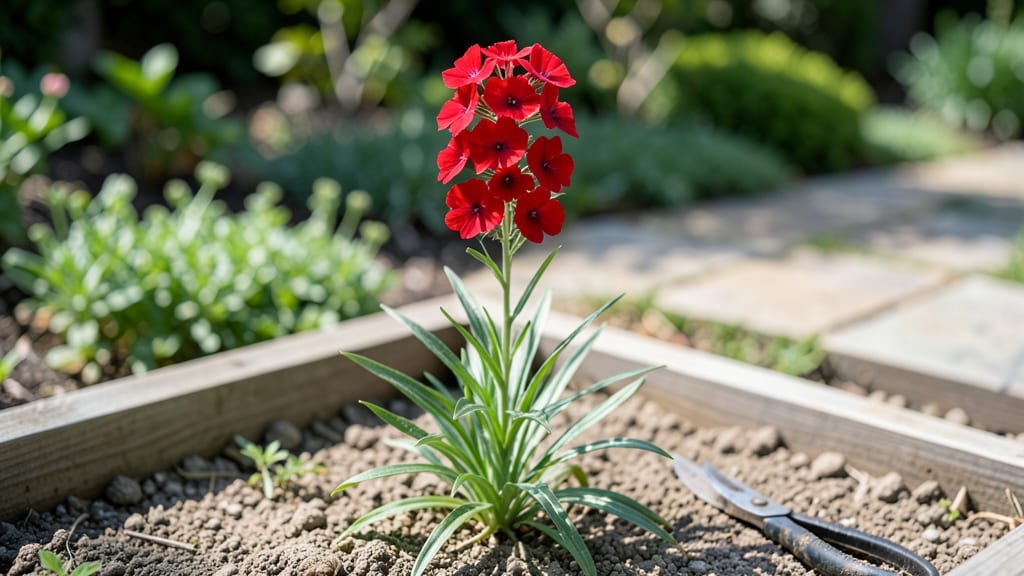
Red flax flowers (Linum grandiflorum) bring bold crimson blooms to gardens that thrive even after frost—perfect for Pacific Northwest gardeners who love hardy yet stunning annuals. 🌸 I discovered these fiery red stars in my first PNW garden, and they’ve been a showstopper ever since, blooming from early summer until the first hard freeze.
The secret lies in their resilience: they handle cool nights, tolerate poor soil, and self-seed like crazy, meaning you’ll have volunteers popping up for years.
These plants are low-maintenance but love well-draining soil and at least 6 hours of sunlight daily—even morning sun works in cooler climates. Start seeds indoors 8-10 weeks before your last frost, or sow directly after soil warms to 50°F.
The key to their vibrant blooms is consistent moisture during germination, but once established, they’re drought-tolerant. Pinch back leggy seedlings to encourage bushier growth, and you’ll get those classic 1-inch flowers covering stems in just 6-8 weeks.
Red flax excels in cottage gardens, wildflower borders, or as a striking edging plant, with its delicate foliage and nonstop blooms attracting bees and butterflies. Deadhead spent flowers to prolong blooming, but skip this step if you want more self-seeding.
In my garden, they pair beautifully with lavender and salvia, creating a romantic, old-world look that lasts all season. The best part? They’re deer-resistant, so you won’t lose them to hungry critters.
For Pacific Northwest gardeners, these flowers are a no-fuss, high-impact choice. They handle light frosts, rebound after rain, and even improve soil health as a nitrogen-fixer. If you’ve struggled with finicky annuals before, red flax is your answer—just plant, water occasionally, and enjoy the show.
Ready to add a pop of color that lasts? Let’s get growing!
📚 In This Guide
- What you need
- Instructions
- Tips and common mistakes
- Wrapping up and next steps
What you need
- ● Red Flax Seeds (Linum perenne): 20–50 seeds (adjust based on desired coverage). Choose a Pacific Northwest-hardy variety like ‘Scarlet Flame’ or ‘Queen Elizabeth.’
- ● Well-draining soil: Mix 1 part sand or perlite with 2 parts garden soil (flax hates soggy roots!). Aim for a pH of 6.0–7.5.
- ● Compost or organic fertilizer: 1–2 cups of balanced 10-10-10 or low-phosphorus fertilizer (e.g., fish emulsion).
- ● Watering can or drip irrigation: A gentle spray nozzle prevents seed displacement.
- ● Garden trowel or transplanting tool (for digging small holes, ~¼ inch deep).
- ○ Gloves (optional but recommended—flax stems can be prickly!).
- ● Mulch (straw or wood chips): Spread 1–2 inches after planting to retain moisture.
- ● Row marker or stakes (if planting in rows, to track spacing).
- ● Seed-starting trays (if sowing indoors 6–8 weeks before last frost).
- ● Frost cloth (for early spring/fall protection in chilly PNW zones).
- ● Pruning shears (for deadheading spent blooms to encourage regrowth).
- ● Bird netting (if local birds love your seeds—flax is a snack magnet! 🐦).
Step-by-step guide for planting red flax in the Pacific Northwest
Here's how to establish these hardy, drought-tolerant blooms with minimal fuss.
🌱 Step 1: Choose the Right Location and Soil Prep
Red flax thrives in full sun—select a site receiving at least 6-8 hours of direct sunlight daily. In the Pacific Northwest's cooler climate, this means southern or southwestern exposures work best. Avoid low-lying areas where cold air settles, as even this frost-resistant plant can struggle with prolonged cold saturation.
Test your soil's drainage—red flax despises soggy roots. Amend heavy clay with 2-3 inches of coarse sand or composted bark to improve aeration. The ideal soil mix should feel like a damp sponge when squeezed: firm but not waterlogged. I like to work in 1 inch of compost during prep to provide organic matter without overwhelming the plant's delicate root system.
🌿 Step 2: Plant Seeds at Proper Depth and Spacing
Sow seeds ¼ inch deep in early spring after the last frost date, or in fall for winter blooms. Space seeds 12-18 inches apart—this gives mature plants room to establish without competing for nutrients. I tap the seed packet gently to release one seed at a time, avoiding the temptation to plant too many in one hole (crowded seedlings lead to weak stems).
Water immediately after planting to settle the soil around seeds. Keep the area consistently moist but not soggy until germination, which typically occurs in 10-14 days. You'll see the first true leaves emerge as small, narrow lance-shaped blades—this is your signal to reduce watering slightly and let the soil dry out between waterings.
☀️ Step 3: Provide Seasonal Care for Frost Resistance
The Pacific Northwest's unpredictable weather means red flax needs tailored attention. Once established, these plants handle frost beautifully, but young seedlings benefit from light mulching (¼ inch of straw) to protect against late spring frosts. In summer, water deeply once weekly unless rainfall exceeds 1 inch—overwatering causes root rot faster than drought stress.
Fertilize lightly in early spring with a balanced 10-10-10 formula at half strength. I skip phosphorus-heavy fertilizers, as red flax responds poorly to excess phosphate. Watch for pale stems or yellowing leaves—this usually means either too much water or insufficient light. If stems lean toward the sun, rotate the plants weekly to encourage upright growth.
✂️ Step 4: Deadhead and Maintain for Continuous Blooms
Pinch back spent flower stalks to 2 inches above the base after blooming to encourage a second flush of flowers. This works best when done in late summer—waiting too long reduces the plant's energy reserves for next year's growth. I always use clean, sharp shears to avoid tearing stems, which can invite disease.
In fall, cut back foliage to 4-6 inches tall before the first hard frost. This prevents seed formation (which can spread invasively) and redirects energy into root development. Red flax's natural frost resistance means it often regrows from the base in spring, but a light mulch layer (2 inches of shredded leaves) helps insulate roots through winter.
Tips & tricks for perfect red flax blooms in the Pacific Northwest
These hard-won insights will help you coax vibrant, resilient red flax flowers from your Pacific Northwest garden with minimal fuss.
Sunlight Strategy: While the instructions call for 6-8 hours of direct sunlight, I've found that in our cooler climate, positioning plants to catch morning sun and afternoon shade actually prevents heat stress during summer's occasional heatwaves. The key is observing your specific microclimate—if leaves start curling, they're getting too much midday sun. Adjust by moving containers or thinning nearby plants that cast shade.
Soil Test Hack: The instructions recommend testing drainage, but here's what nobody tells you—red flax actually prefers soil that's slightly alkaline. If your soil tests acidic (below 6.5 pH), work in 1 pound of agricultural lime per 100 square feet during your initial soil prep. This helps prevent nutrient deficiencies that show up as yellowing leaves, even when you're following all the other instructions perfectly. Test again after amending.
Germination Timing: The 10-14 day germination window can feel like an eternity, especially when you're eager to see those first true leaves. To speed things up slightly, I soak seeds in warm water for 24 hours before planting—this doesn't affect the timing in the instructions, but it does ensure more even germination. Just be sure to plant immediately after soaking, as the seeds will be ready to sprout faster. The instructions' watering guidance still applies after planting.
Frost Protection Secret: While red flax handles frost beautifully once established, the light mulching recommendation in Step 3 can be enhanced with a simple row cover trick. After planting, drape a frost cloth over seedlings during late spring frosts (which can still occur in our region through May). Remove it during the day to allow sunlight—this creates a microclimate that protects without smothering. The ¼ inch straw mulch still goes down after the frost threat has passed.
Pro Tips for Red Flax Flower
- These hard-won insights will help you coax vibrant, resilient red flax flowers from your Pacific Northwest garden with minimal fuss.
- The key is observing your specific microclimate—if leaves start curling, they're getting too much midday sun.
- Soil Test Hack: The instructions recommend testing drainage, but here's what nobody tells you—red flax actually prefers soil that's slightly alkaline.
Frequently asked questions
Got questions about growing red flax flowers? You’re in the right place! Here are some of the most common queries from gardeners in the Pacific Northwest and beyond—plus quick answers to keep your frosty-resistant blooms thriving.
When is the best time to plant red flax flowers in my region?
Plant Linum perenne seeds in early spring (March–April) or late summer (August–September) for the best results. Since red flax is frost-hardy, it can handle light freezes, but avoid planting in extreme heat (above 80°F), as it may struggle to germinate. For transplants, wait until after the last frost date in your zone.
How do red flax flowers handle cold weather?
One of their biggest perks! Red flax is highly frost-resistant and can survive temperatures down to 10–15°F once established. Young seedlings, however, need protection from hard freezes. Use a light row cover or mulch if early frosts are forecasted. In winter, the foliage may die back, but the roots stay alive for spring regrowth.
What’s the ideal spacing for red flax flowers?
Space plants 12–18 inches apart to allow airflow and prevent disease. If growing in masses (like for pollinators), you can plant them closer (8–12 inches). Just avoid overcrowding—they’ll compete for nutrients and produce fewer blooms. Red flax thrives in well-draining soil, so amending clay soil with sand or compost is key.
Are red flax flowers good for pollinators, and how do I attract more?
Red flax is a pollinator magnet, especially for bees and butterflies. To boost visits, plant in sunny, open areas with minimal competition. Pair it with other native perennials like Lupinus (lupine) or Achillea (yarrow) for a buzzing garden. Avoid pesticides—even natural ones—to keep pollinators safe.
What should I do if my red flax flowers aren’t blooming?
Several factors could be at play:
- Too much shade: Red flax needs full sun (6+ hours/day)—move it to a sunnier spot.
- Over-fertilizing: These plants prefer lean soil. Too much nitrogen = lush leaves, fewer flowers.
- Age: Young plants may take 1–2 years to bloom fully. Be patient!
- Deadheading: Remove spent blooms to encourage more flowers.
Can I grow red flax flowers in containers?
Yes! Red flax adapts well to containers if given adequate drainage and space. Use a 5–7 gallon pot per plant and ensure it has drainage holes. Mix potting soil with perlite to mimic well-draining native soil. Place containers in full sun and water moderately—containers dry out faster than garden beds.
Wrapping up and next steps
Growing red flax flowers in the Pacific Northwest is a rewarding adventure—especially when you embrace their frost-resistant charm! 🌸 With the right soil, sunlight, and patience, these vibrant blooms will thrive and bring color to your garden for years.
Whether you're a seasoned gardener or just starting, every seed planted is a step toward a more beautiful outdoor space.
Ready to take the next step? Start small—plant a few seeds this season and watch your garden transform! If you’re feeling inspired, explore companion plants or creative landscaping ideas to make your red flax flowers the star of your yard. Happy gardening! 🌿