
Flowers
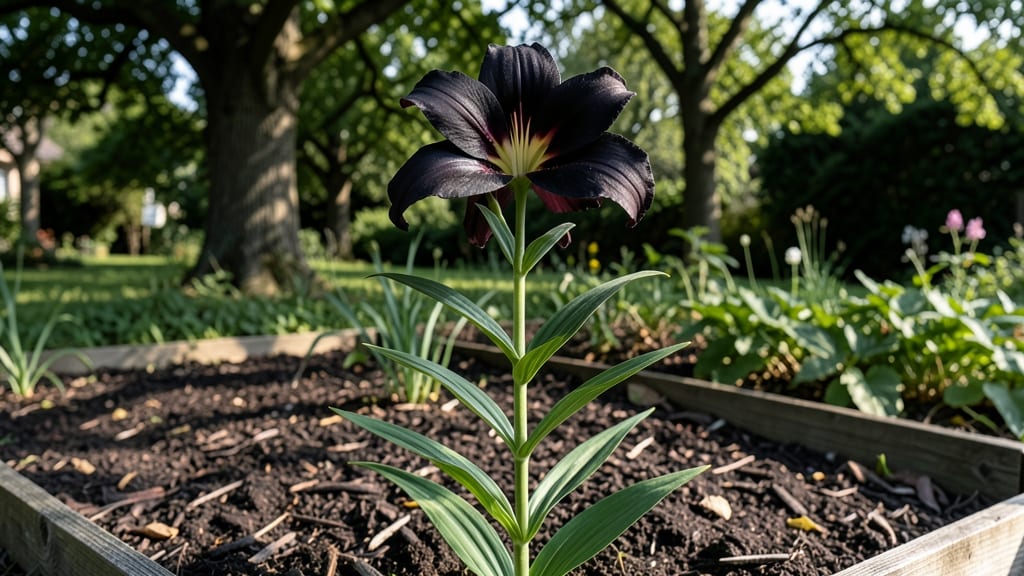
Dark lily flowers bring a moody elegance to gardens that nothing else can match. ✨ Their deep velvety petals—think 'Black Beauty' or 'Stargazer'—create a striking focal point that draws the eye and hummingbirds alike.
Unlike pale blooms that blend into the background, these dramatic flowers command attention while adding unexpected contrast to borders or containers.
The secret to their visual impact lies in placement: group them with silvery foliage like lamb’s ear or dusty miller to make the dark petals pop even more. For containers, pair them with trailing ivy or bright annuals to balance their height.
In borders, they thrive as a mid-height anchor between low perennials and towering grasses, creating layers that feel intentional and lush.
You’ll love how these lilies transform a garden from ordinary to unforgettable—imagine candlelit evenings where the blooms glow under porch lights or summer afternoons when bees swarm their nectar. The scent alone is a draw, but the sheer drama of their color makes them a conversation starter.
They’re perfect for gardeners who want bold statements without sacrificing pollinator-friendly charm.
Works equally well in formal gardens, cottage-style plots, or even as a single statement pot on a patio. The key is giving them space to shine—literally and figuratively. Let’s design with them in mind!
📚 In This Guide
- What you need
- Instructions
- Tips and common mistakes
- Wrapping up and next steps
What you need
- ● Dark lily bulbs (e.g., Lilium regale ‘Black Out’ or Lilium ‘African Queen’): 3–5 bulbs per planting area (spaced 12–18 inches apart). Choose high-quality, disease-free bulbs for best results.
- ● Well-draining potting mix or garden soil: 1–2 cubic yards (for in-ground planting) or 10–15 gallons (for containers). Amend with compost for nutrient-rich soil.
- ● Organic fertilizer (balanced 10-10-10 or bulb-specific): 1–2 cups per planting hole or per 5 sq. ft. of garden bed.
- ● Mulch (straw, pine needles, or shredded bark): 2–3 inches thick to retain moisture and regulate temperature.
- ● Garden trowel or bulb planter: For digging holes 6–8 inches deep (twice the bulb’s height).
- ● Gloves (heavy-duty): Protects hands from thorns and soil-borne pathogens.
- ● Watering can or hose with a gentle spray nozzle: Lilies need consistent moisture but hate soggy roots.
- ● Pruners (sterilized): For trimming dead foliage or spent blooms post-season.
- ○ Stakes or cages (optional): Tall varieties (4–6 ft) may need support to prevent flopping.
- ● Slow-release fertilizer spikes: For hassle-free nutrition over the growing season.
- ● Epsom salt (magnesium sulfate): 1 tbsp per gallon of water monthly to boost bloom intensity.
- ● Pollinator-friendly companions: Plant bee balm, lavender, or marigolds nearby to attract hummingbirds and bees.
- ● Black plastic mulch: Suppresses weeds and warms soil for faster growth in cooler climates.
How to grow striking dark lily flowers in your garden
Here's how to cultivate these bold, towering beauties that draw in pollinators like bees and butterflies.
🌱 Step 1: Choose the Right Planting Location
Dark lilies thrive in full sun—at least 6-8 hours daily—so pick a spot where they won’t be shaded by trees or structures. I always test the area first by placing a white board where the plants will go; if it stays cool to the touch after a few hours, move to a sunnier patch. These flowers hate soggy soil, so avoid low spots where water pools after rain.
Loosen the soil to a depth of 12 inches with a garden fork, breaking up any compacted layers. Amend heavy clay with 2-3 inches of compost to improve drainage. Dark lilies grow 3-6 feet tall, so space bulbs 12-18 inches apart to give them room to flourish without crowding.
🪴 Step 2: Plant Bulbs at the Correct Depth and Time
Plant bulbs in early fall, about 6-8 weeks before the first frost, so roots establish before winter. Dig holes 3-4 inches deep—burying too shallowly can expose bulbs to frost, while planting too deep delays blooming. Place one bulb per hole, pointy end up, and cover with soil.
Water deeply after planting to settle the soil around the bulbs, then let nature take over. Mulch with 2-3 inches of organic mulch (like shredded bark) to insulate bulbs from temperature swings. You’ll see shoots emerge in early spring, signaling the bulbs are ready to grow.
☀️ Step 3: Provide Consistent Care for Strong Blooms
Once shoots appear, water once a week unless rainfall provides 1 inch of moisture. Dark lilies are drought-tolerant but produce their best blooms with steady hydration—soil should feel damp 2 inches down but not soggy. Overwatering leads to rot, so always check before watering.
Fertilize lightly in early spring with a balanced, slow-release bulb fertilizer (10-10-10 ratio). Avoid high-nitrogen feeds, which encourage leafy growth at the expense of flowers. Deadhead spent blooms by snipping stems just above the first set of leaves to redirect energy into next year’s flowers.
✂️ Step 4: Protect and Maintain for Long-Term Growth
Dark lilies attract pollinators but also face threats like deer and slugs. I wrap lower stems with copper tape to deter slugs and use deer repellent sprays in high-risk areas. If leaves yellow in late summer, it’s normal—they’ll die back naturally as bulbs store energy for next season.
After blooms fade, leave foliage until it browns completely to ensure bulbs replenish nutrients. In late fall, add 1-2 inches of fresh mulch to protect bulbs through winter. Divide clumps every 3-4 years when blooms diminish—dig up bulbs, separate offsets, and replant in fresh soil to revive vigor.
Tips & tricks for perfect dark lily flower growth
These simple strategies will help you coax the most dramatic blooms from your dark lilies—no green thumb required.
Sunlight Secret: While 6-8 hours of sun is ideal, I’ve found that dark lilies can handle up to 10 hours of sunlight in hotter climates—just monitor for signs of stress like wilting leaves. If your garden spot gets afternoon shade, consider moving bulbs to a sunnier location after they’ve established for a few years. The deeper the red-purple hue in the blooms, the more sunlight they’ve received.
Soil Prep Pro Tip: For heavy clay soil, I recommend mixing in 3-4 inches of compost during initial planting rather than just the 2-3 inches mentioned. This extra boost helps break down compacted layers faster and improves drainage, which is critical for preventing bulb rot. Think of it as giving your lilies a head start on happy roots.
Timing Strategy: When planting in early fall, I always check my local frost date calendar and add an extra week of buffer time. If you’re in a region with unpredictable weather, err on the side of planting slightly earlier—roots need that time to establish before winter. A simple soil thermometer (around $10) tells you when temperatures drop below 50°F, signaling it’s time to mulch.
Watering Wisdom: The "damp 2 inches down" rule is perfect, but I’ve learned to adjust based on the season. In summer’s peak heat, I water every 5 days instead of weekly to prevent stress. A moisture meter (or even just your finger) is your best friend—stick it in the soil after watering to confirm moisture levels. Overwatering is the #1 killer of dark lilies, so when in doubt, wait one more day.
Pro Tips for Dark Lily Flower
- These simple strategies will help you coax the most dramatic blooms from your dark lilies—no green thumb required.
- Sunlight Secret: While 6-8 hours of sun is ideal, I’ve found that dark lilies can handle up to 10 hours of sunlight in hotter climates—just monitor for signs of stress like wilting leaves.
- Soil Prep Pro Tip: For heavy clay soil, I recommend mixing in 3-4 inches of compost during initial planting rather than just the 2-3 inches mentioned.
Frequently asked questions
Got questions about the dark lily flower?
You’re not alone! Here are answers to the most common queries about these striking blooms—from care tips to garden placement.
What’s the best way to plant dark lily flowers for maximum height?
Dark lilies thrive in well-draining soil with partial shade. Plant bulbs 3-4 inches deep and 6 inches apart in early spring. For towering stems, stake them early—especially in windy areas. Mulch lightly to retain moisture without suffocating roots. Pro tip: Add compost to boost nutrient-rich soil, which encourages robust growth!
How long does it take for dark lilies to bloom after planting?
Dark lilies typically bloom 6-8 weeks after planting, depending on climate. In warmer zones, they may flower earlier (as soon as 4-5 weeks). If blooms are delayed, check soil moisture and sunlight—these beauties need consistent water but hate soggy roots. Patience pays off!
Are dark lilies good for attracting pollinators like bees and butterflies?
Their deep, velvety petals and rich fragrance are a magnet for pollinators. Bees and butterflies adore them, especially in late spring/early summer. Pair them with other pollinator-friendly plants (like lavender or coneflowers) for a buzzing garden. Bonus: They’re deer-resistant too!
Can dark lilies survive winter, or do they need special care?
Most dark lilies (like Lilium ‘Black Out’) are hardy in USDA zones 3-9. In colder climates, mulch heavily after foliage dies back. In warmer zones, they may rebloom yearly. Warning: Avoid overwatering in winter—rot is a risk!
What are some alternatives if dark lilies don’t thrive in my garden?
Try these dramatic, pollinator-friendly swaps:
- Stargazer Lilies – Bright orange blooms, equally tall.
- Black Baccara Tulips – Deep purple-black petals, early spring blooms.
- Queen of Night Tulips – Near-black flowers, fragrant and bold.
- Oriental Poppies – Dark red/black varieties for a similar moody vibe.
Wrapping up and next steps
The dark lily flower isn’t just a stunning addition to your garden—it’s a bold statement of elegance and resilience. With its dramatic height and magnetic allure for pollinators, it transforms any space into a thriving, eye-catching haven.
Whether you’re a seasoned gardener or just starting, this flower proves that beauty and function go hand in hand.
Ready to bring a touch of drama to your outdoor oasis? Start by selecting the perfect spot—one with plenty of sunlight and room to grow—and watch your garden bloom with confidence! 🌸✨