
Flowers
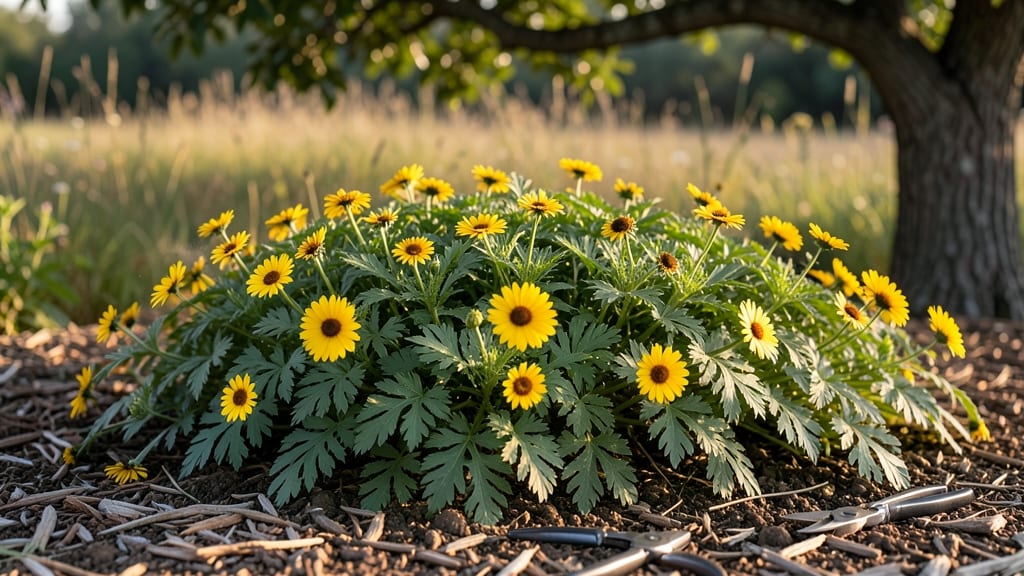
Growing Berlandiera lyrata—the chocolate flower—means welcoming a drought-resistant pollinator magnet with bold, velvety red blooms that look like they’ve been dusted with cocoa powder. 🌿 I fell for this plant the first time I saw it thriving in a hot, dry border, its deep burgundy petals contrasting beautifully against the silvery foliage.
Unlike fussy annuals, this native wildflower handles heat, poor soil, and neglect with ease, making it perfect for low-maintenance gardens.
The secret to its success lies in the right conditions: full sun, well-draining soil, and minimal water once established. Plant it in spring or fall, spacing them 12–18 inches apart for a natural, airy look.
It self-seeds readily, so you’ll likely have a colony in just a few years—no extra effort required. The chocolatey scent of the blooms adds a unique sensory experience that hummingbirds and butterflies adore.
You’ll love how this plant transforms a dry spot into a lush, pollinator-friendly haven with almost no upkeep. The foliage stays silvery-green all season, and the flowers keep blooming from spring through fall, even in drought conditions.
Pair it with lavender or yarrow for a wild, cottage-garden charm that thrives without coddling.
Once planted, the only real care is deadheading spent blooms to encourage more flowers and pulling up volunteers if you want to control their spread. This is the kind of plant that rewards lazy gardeners—it’s tough, beautiful, and full of personality.
Ready to add a little chocolatey magic to your garden?
📚 In This Guide
- What you need
- Instructions
- Tips and common mistakes
- Wrapping up and next steps
What you need
- ● Berlandiera seeds or seedlings – Choose Berlandiera lyrata (Chocolate Flower) seeds or young plants from a reputable nursery. Pro tip: 💡 Start seeds indoors 6-8 weeks before the last frost for a head start!
- ● Well-draining soil mix – A blend of 60% native soil, 30% coarse sand or perlite, and 10% compost works best. Berlandiera hates soggy roots!
- ● Sunny planting location – A spot with full sun (6+ hours/day) and drought-tolerant conditions. Bonus: ✨ It thrives in USDA Zones 5-10, making it versatile for many climates!
- ● Garden trowel or transplanting spade – For digging holes (2-3x wider than the root ball).
- ● Watering can or hose with a gentle spray nozzle – Critical: 🌡️ Avoid overhead watering to prevent fungal issues.
- ○ Mulch (optional but recommended) – Use gravel or pebbles (1-2 inches deep) to retain moisture and suppress weeds.
- ● Pruning shears (for maintenance) – To trim dead blooms and encourage bushier growth.
- ● Drought tolerance – Once established, Berlandiera needs minimal watering (water deeply 1-2x/week in dry spells).
- ● Pollinator-friendly zone – Plant near bee and butterfly gardens to maximize its magnetism! 🐝🦋
- ● Patience for blooms – Seeds may take 1-2 years to flower, but seedlings can bloom in their first year.
Step-by-step guide to planting and cultivating Berlandiera chocolate flower
This hardy pollinator favorite thrives with minimal fuss—just follow these proven steps.
🌱 Step 1: Choose the Perfect Planting Location
Berlandiera chocolate flower adores full sun—at least 6-8 hours daily—but tolerates light shade in hotter climates. I always scout the site first: look for areas where afternoon sun lingers but isn't scorched by intense midday heat. The plant's deep roots make it drought-resistant, but morning sunlight prevents wilting during peak heat.
Test your spot by observing nearby plants. If they show signs of stress (yellowing, curled leaves) after 2-3 weeks in summer, move to a slightly shadier location. Berlandiera's red blooms will reward you with vibrant color, but they need consistent light to maintain that bold hue.
🪴 Step 2: Prepare the Soil and Plant
This native wildflower thrives in poor, well-draining soil—in fact, it often struggles in rich, fertile ground. Amend heavy clay with 2-3 inches of coarse sand or gravel to improve drainage. I like to work in a 50/50 mix of native soil and sand for ideal conditions.
Dig a hole twice as wide as the root ball but only as deep as the container's base. Gently remove the plant from its pot, loosen any circling roots with your fingers, and place it in the hole so the top of the root ball sits level with the surrounding soil. Backfill with native soil mix, firming lightly around the base to eliminate air pockets.
☀️ Step 3: Water and Establish the Plant
Water deeply immediately after planting—about 1 gallon per plant—to help roots settle into the soil. After that, resist the urge to overwater. Berlandiera's drought tolerance kicks in after the first 4-6 weeks, when roots establish deeply. You'll know it's settled when new leaves appear and the plant starts sending up flowering stems.
Here's the thing—this plant hates soggy feet. If your area gets heavy rainfall, consider planting on a slight mound or in a slightly elevated bed to prevent waterlogging. Mulch with 1-2 inches of gravel (not organic mulch) to conserve moisture while allowing air to reach the roots.
✂️ Step 4: Maintain and Encourage Blooms
Once established, Berlandiera requires almost no maintenance. Deadhead spent blooms in early summer to encourage a second flush of flowers by late summer. I use clean, sharp scissors to snip back stems just above a set of healthy leaves—this redirects energy to new growth rather than seed production.
Fertilize only if your soil is extremely poor. A light application of low-nitrogen, slow-release fertilizer in early spring (about ½ teaspoon per plant) supports blooming without encouraging leafy growth at the expense of flowers. Over-fertilizing leads to weak stems that flop under the weight of heavy blooms.
🐝 Step 5: Support Pollinators Year-Round
Berlandiera's nectar-rich blooms attract bees, butterflies, and hummingbirds from early summer through fall. To maximize pollinator visits, plant in groups of 3-5—this creates a visible "landing zone" for insects. Pair with native grasses or other drought-tolerant perennials to extend the season of interest.
Leave some spent seed heads on the plant in late fall—they provide winter interest and food for birds. If you prefer a tidier look, remove only the most unsightly stems. The plant's deep taproot makes it extremely resilient, so it rebounds quickly even after harsh winters.
Tips & tricks for perfect Berlandiera chocolate flower planting
Real talk: these simple adjustments will help your chocolate flower thrive with less work and more vibrant blooms.
Light Observation: Pay attention to nearby plants during the first 2-3 weeks after planting to gauge your location's true sun exposure. I've planted in spots that seemed sunny but turned out to be afternoon shade traps—your Berlandiera will show you what it needs through its leaves. Look for crisp edges on leaves as a sign of too much sun exposure.
Soil Prep Strategy: If your native soil is heavy clay, don't just add sand—create that 50/50 mix and test it first. Fill a container with your amended soil and water it. If it drains in under 30 seconds, you're good. If water pools, add more clay back into the mix. Proper drainage is everything for these drought-resistant plants.
Watering Wisdom: That initial 1 gallon per plant after planting is crucial, but don't think you're done. Check soil moisture by sticking your finger 2 inches deep—if it's dry, water again. The key is getting those roots established in the first 4-6 weeks, not keeping the soil constantly wet. Think "deep but infrequent" watering.
Pollinator Power Move: When planting in groups of 3-5, arrange them in a loose triangle formation. This creates landing platforms for pollinators at different heights and angles. I've noticed hummingbirds particularly favor this arrangement—they can hover more efficiently when flowers are staggered vertically.
Pro Tips for Berlandiera Chocolate Flower
- Real talk: these simple adjustments will help your chocolate flower thrive with less work and more vibrant blooms.
- Light Observation: Pay attention to nearby plants during the first 2-3 weeks after planting to gauge your location's true sun exposure.
- Soil Prep Strategy: If your native soil is heavy clay, don't just add sand—create that 50/50 mix and test it first.
Frequently asked questions
Got questions about growing Berlandiera chocolate flower? You’re not alone! Here are some of the most common queries—plus quick, practical answers to help you cultivate this drought-resistant beauty with confidence.
Can Berlandiera chocolate flower survive in extreme heat or drought?
This plant is a pro at thriving in hot, dry conditions. Once established, it requires minimal watering—just enough to keep the soil slightly moist during its first year. After that, it’s drought-tolerant and perfect for low-maintenance gardens or xeriscaping.
How long does it take for Berlandiera chocolate flower to bloom?
Patience pays off! Most plants take 1–2 years to mature and produce those stunning red-orange blooms. For faster results, start with established nursery plants (1–2 years old) instead of seeds. Blooming typically occurs in late spring to early summer, but some varieties may rebloom sporadically.
Does Berlandiera chocolate flower attract pollinators like hummingbirds and bees?
You bet! This flower is a pollinator magnet, especially for hummingbirds, bees, and butterflies. The nectar-rich blooms are irresistible, making it a fantastic addition to native gardens or wildlife-friendly landscapes. Plant it near seating areas to enjoy the buzzing activity up close!
What are some alternatives if Berlandiera chocolate flower doesn’t thrive in my climate?
If your zone is too cold (below USDA Zone 5) or too humid, consider these drought-tolerant, pollinator-friendly alternatives:
- Gaillardia (Blanket Flower) – Bright blooms, heat-loving, and low-maintenance.
- Echinacea (Coneflower) – Hardy, long-blooming, and great for pollinators.
- Salvia (Autumn Sage) – Drought-resistant with vibrant red/purple flowers.
- Lantana – Thrives in heat and attracts butterflies.
Why aren’t my Berlandiera chocolate flowers blooming?
No blooms? Don’t worry—it’s often due to immature roots or overwatering. Here’s how to troubleshoot:
- Ensure full sun (6+ hours daily). Partial shade can delay blooming.
- Let soil dry out between waterings once established.
- Fertilize lightly in early spring with low-phosphorus fertilizer (e.g., 5-10-5 ratio) to encourage blooms, not foliage.
- Be patient—young plants may take 2 years to bloom.
Wrapping up and next steps
Discovering the Berlandiera chocolate flower isn’t just about adding a stunning pop of color to your garden—it’s about embracing a low-maintenance, eco-friendly superstar. 🌵✨ With its drought resistance, pollinator magnet appeal, and bold red blooms, this native beauty is perfect for gardeners who want impact without the fuss.
Whether you’re a seasoned horticulturist or a beginner, this plant offers a rewarding way to support local ecosystems while enjoying year-round charm.
Ready to transform your space? Start by gathering your supplies, selecting the perfect spot, and planting with confidence. Your pollinator paradise awaits—why not take the first step today?