
Flowers
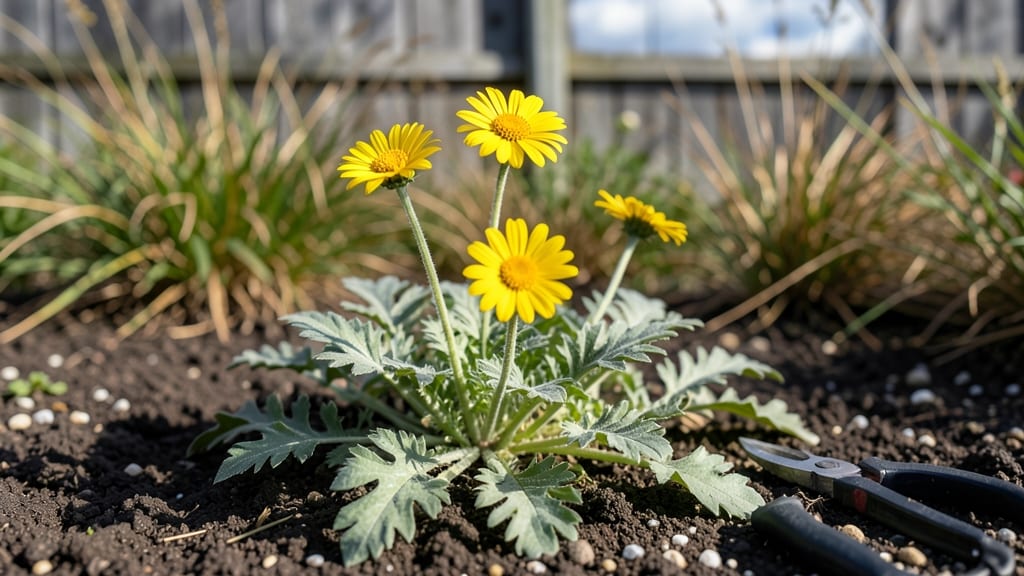
The chocolate flower—Berlandiera lyrata—transforms your garden into a fragrant, drought-resistant dream with its velvety purple blooms and rich, cocoa-like scent. 🌿 I first fell for this native wildflower after seeing it thrive in my dry, rocky soil where nothing else survived.
It’s the kind of plant that rewards patience with bold, long-lasting color while asking for almost nothing in return.
This tough-as-nails beauty loves full sun and well-draining soil, making it perfect for slopes, rain gardens, or even container plantings. Water it deeply but infrequently—once established, it handles drought like a pro, making it ideal for water-wise gardens.
The secret to its success? Minimal fuss—no fussy deadheading, no high-maintenance soil prep, just pure, reliable blooms from spring through fall.
Imagine clusters of deep purple-pink flowers that smell like melted chocolate, drawing in bees and butterflies while staying compact enough for borders or wildflower meadows. Once you plant it, you’ll understand why gardeners in hot, dry climates swear by this underrated star.
It even spreads gently over time, creating naturalizing drifts that look effortlessly natural.
Whether you’re filling a sunny patch, stabilizing a slope, or simply craving a low-maintenance pollinator magnet, this plant delivers year after year. Let’s get yours growing—your garden (and your nose) will thank you.
📚 In This Guide
- What you need
- Instructions
- Tips and common mistakes
- Wrapping up and next steps
What you need
- ● Berlandiera lyrata seeds or seedlings: Start with organic, non-GMO seeds or healthy nursery-grown seedlings (1–3 plants per container or 6–12 inches apart in the ground).
- ● Well-draining potting mix: A blend of cactus/succulent soil (60%) + perlite/pumice (30%) + coarse sand (10%). Avoid heavy garden soil—this plant hates soggy roots! (2–3 gallons per pot or 1 cubic yard for in-ground planting.)
- ○ Containers (optional but helpful): Terracotta pots (5–7 inches deep) with drainage holes or raised beds. Skip if planting directly in the ground.
- ● Drainage layer: Pebbles, lava rock, or broken pottery (1–2 inches) at the bottom of pots to prevent root rot.
- ● Watering can or hose with a gentle nozzle: Drip irrigation or soaker hose works best for even moisture.
- ● Pruning shears: Sharp, sterilized shears for trimming dead blooms or leggy stems.
- ● Sunlight access: A south-facing window, grow light, or full-sun outdoor spot (6+ hours of direct sunlight daily).
- ○ Fertilizer (optional but recommended): Balanced, water-soluble fertilizer (5-5-5 or 10-10-10) diluted to half-strength. Use sparingly—this drought-loving plant prefers lean soil!
- ● Slow-release fertilizer pellets: Mix into soil at planting for a nutrient boost without overfeeding.
- ● Mulch: Gravel or coarse bark around the base to retain moisture and deter weeds.
- ● Humidity tray: A shallow tray with pebbles and water to increase humidity if growing indoors.
- ● Garden gloves: Protect your hands from prickly stems or sandy soil.
- ● Grow light (LED or fluorescent): For indoor growers in low-light spaces (12–16 hours of light daily).
Step-by-step instructions for cultivating Berlandiera lyrata "chocolate flower"
Here's how to coax these drought-tolerant beauties into thriving, blooming plants with minimal fuss.
🌱 Step 1: Choose the Perfect Planting Site
Berlandiera lyrata thrives in full sun to partial shade, with at least 6 hours of direct sunlight daily. I always pick the sunniest spot in my garden because these plants reward generous light with prolific blooms. The soil should drain quickly—this isn't a plant for soggy conditions.
If your soil is heavy clay, amend it with 2-3 inches of coarse sand or grit mixed into the top 12 inches of soil. The roots need oxygen, and compacted soil will stunt their growth. A slight slope helps water run off instead of pooling around the base.
🌿 Step 2: Plant at the Right Time and Depth
Spring is ideal—plant after the last frost when soil temperatures reach at least 60°F. Dig a hole twice as wide as the root ball but only as deep as the container it came in. Pressing the soil too firmly around the roots can suffocate them.
Space plants 18-24 inches apart—they spread slowly but will fill in over time. Water deeply right after planting to settle the soil and eliminate air pockets. You'll see new growth within 2-3 weeks if conditions are right.
☀️ Step 3: Water Strategically for Drought Resilience
Here's the thing—overwatering kills chocolate flowers faster than drought. Water deeply once a week during the first growing season, then taper to every 10-14 days once established. The soil should feel bone-dry 2 inches down before watering again.
Use a soaker hose or drip irrigation to deliver water at the base. Avoid overhead watering, which can cause fungal issues on the foliage. Mulch with 1-2 inches of gravel or coarse bark to conserve moisture and regulate soil temperature.
✂️ Step 4: Prune and Maintain for Continuous Blooms
Deadhead spent blooms weekly to encourage more flowers. Simply pinch off the faded blossoms with your fingers—no sharp tools needed. This plant is so forgiving that even if you forget, it'll still bloom.
In late winter, cut back one-third of the plant's height to promote fresh, vigorous growth. The chocolate flowers handle pruning beautifully, often rebounding with even more robust foliage and flowers. Watch for new shoots at the base after pruning—that's your sign it's working.
🪴 Step 5: Protect and Overwinter for Longevity
In colder climates, mulch heavily with 3-4 inches of straw or leaves before the first frost. Berlandiera lyrata is tender but often survives mild winters if protected. In zones below USDA Zone 7, treat it as an annual and replant each spring.
If you're in a warmer zone, reduce watering in winter but don't let the soil dry out completely. The plants go semi-dormant but stay alive, ready to burst into bloom again in spring. You'll know it's happy when you see new growth in early spring—that's your cue to step up watering.
Tips & tricks for perfect Berlandiera lyrata chocolate flower cultivation
Took me years to master these drought-tolerant beauties—here's what nobody tells you about growing chocolate flowers like a pro.
Lighting Secret: While 6 hours of sun is the minimum, I've found that chocolate flowers actually reward you with more vibrant purple blooms when they get 8-10 hours of direct sunlight daily. The deeper the color, the more sunlight they receive. If you're in a partial shade location, supplement with a grow light for 2-3 hours in the afternoon to boost flowering.
Soil Amendments: For heavy clay soil, I recommend mixing in 20% perlite or vermiculite along with the 2-3 inches of coarse sand. This creates better aeration while still maintaining good drainage. The roots need both oxygen and quick drainage to thrive—think of it as creating a sponge-like texture rather than compacted mud. Test your soil's drainage by digging a hole, filling it with water, and timing how long it takes to drain completely (should be under 1 hour).
Watering Wisdom: The bone-dry soil test is your best friend—stick your finger 2 inches down and if it feels completely dry, it's time to water. I've learned the hard way that these plants are masters of drought survival, and pushing water on them when they're not ready leads to root rot. In containers, you'll need to water more frequently since potted soil dries out faster, but still wait for that bone-dry signal before watering again.
Pruning Payoff: That one-third winter pruning is where the magic happens. I've seen chocolate flowers rebound with 50% more vigorous growth after this cutback. The key is to prune just before new growth begins in early spring. You'll notice the new shoots emerge within 7-10 days of pruning—this is your plant's way of saying "thank you" for the fresh start. Don't be afraid to go a bit lower than one-third if your plant looks leggy.
Pro Tips for Berlandiera Lyrata Chocolate Flower
- Took me years to master these drought-tolerant beauties—here's what nobody tells you about growing chocolate flowers like a pro.
- Lighting Secret: While 6 hours of sun is the minimum, I've found that chocolate flowers actually reward you with more vibrant purple blooms when they get 8-10 hours of direct sunlight daily.
- Soil Amendments: For heavy clay soil, I recommend mixing in 20% perlite or vermiculite along with the 2-3 inches of coarse sand.
Frequently asked questions
Got questions about growing Berlandiera lyrata—the chocolate flower? You’re not alone!
Here are answers to the most common queries to help you cultivate these drought-tolerant, velvety blooms with confidence.
How fast does Berlandiera lyrata grow, and when can I expect flowers?
This hardy perennial grows at a moderate pace, typically adding 6–12 inches in its first year. With proper care (full sun and well-draining soil), you’ll see bold purple blooms in late spring to early summer. Some plants may even rebloom in fall! Patience is key—give it time to establish roots.
Can I grow Berlandiera lyrata in containers, and what’s the best pot size?
This flower thrives in containers, making it perfect for patios or balconies. Use a pot at least 12–14 inches wide and deep with drainage holes. Opt for terracotta or fabric pots to prevent root rot. Add a cactus/succulent mix for ideal drainage, and water only when the soil is completely dry.
Are there common pests or diseases I should watch for with chocolate flowers?
Berlandiera lyrata is highly resistant to pests and diseases, but keep an eye out for aphids or spider mites in extreme drought or heat. If spotted, blast off pests with water or use neem oil. Overwatering can cause root rot, so ensure soil stays dry between waterings. Healthy plants rarely need intervention!
What are some drought-tolerant alternatives if Berlandiera lyrata doesn’t thrive in my climate?
If your area has freezing winters or heavy rainfall, consider these resilient stand-ins:
- Lantana – Vibrant clusters, thrives in heat.
- Gaillardia (Blanket Flower) – Drought-proof and long-blooming.
- Echinacea (Coneflower) – Pollinator magnet, low-maintenance.
- Sedum (Stonecrop) – Succulent-like, perfect for rocky soils.
How do I overwinter Berlandiera lyrata in cold climates?
This tender perennial won’t survive frost, but you can protect it in zones 7–9:
- Cut back foliage to 2–3 inches after the first frost.
- Mulch heavily with straw or leaves (4–6 inches deep).
- Cover with burlap or frost cloth in extreme cold snaps.
- In colder zones, grow it as an annual or overwinter indoors with bright light.
Wrapping up and next steps
Ready to transform your garden with the stunning Berlandiera lyrata—the chocolate flower? 🌸 This drought-resistant beauty isn’t just eye-catching; it’s a low-maintenance superstar that thrives with minimal fuss. Whether you’re drawn to its velvety blooms or its resilience, you now have all the tools to grow it successfully.
Take the next step: plant your first seeds or propagate a cutting this season! Share your progress with fellow gardeners or experiment with companion plants to create a vibrant, thriving landscape. Happy growing—your garden’s bold new chapter starts now! 🌱✨