Flowers
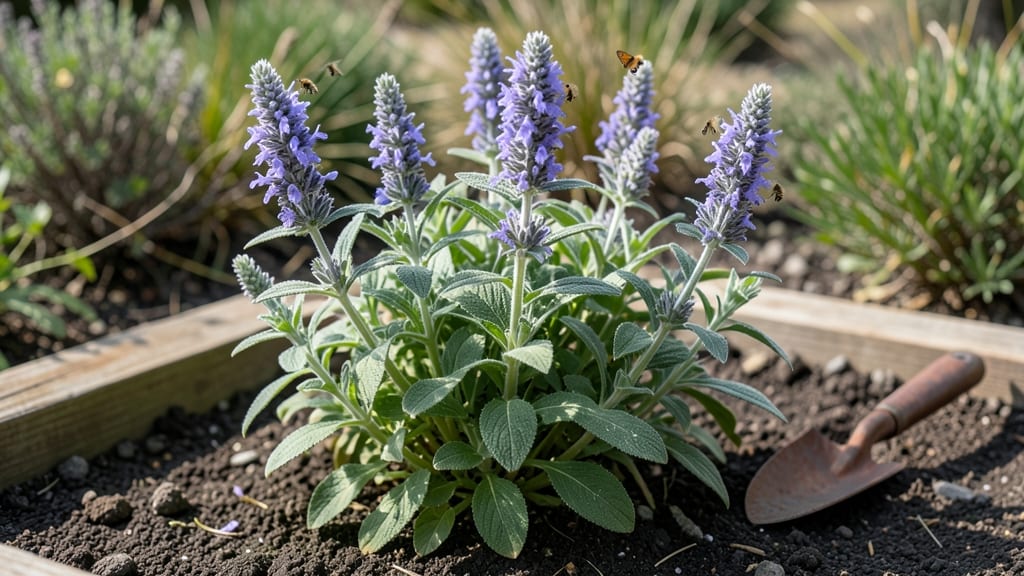
Wild catnip flowers (Nepeta cataria) are the Pacific Northwest’s secret weapon for pollinator gardens—tough, fragrant, and impossible to kill once established. 🌿 I first stumbled upon this hardy perennial while hiking near the Columbia River Gorge, where it thrived in rocky soil and attracted clouds of bees.
The lavender-blue blooms aren’t just pretty; they’re a magnet for butterflies, hummingbirds, and native bees that other plants can’t compete with.
This plant is a beginner’s dream: it handles poor soil, drought once rooted, and even deer usually leave it alone. You can grow it from seed (slow but rewarding) or cuttings (faster and more reliable), and it spreads happily in full sun to partial shade.
My first batch took off in just two seasons, filling a sunny border with cheerful blooms from early summer to fall.
What you’ll end up with is a low-maintenance pollinator powerhouse that also repels some pests naturally. The foliage has a minty scent that cats love (though it won’t get them high like commercial catnip), and the flowers make stunning cut arrangements.
Best of all? It’s deer-resistant and thrives in zones 3-8, making it perfect for PNW gardens.
The real magic happens when you see monarchs and bumblebees swarming it—it’s like having a tiny, fragrant ecosystem in your yard. Ready to grow yours? Let’s get those roots in the ground and turn your garden into a pollinator paradise.
📚 In This Guide
- What you need
- Instructions
- Tips and common mistakes
- Wrapping up and next steps
What you need
- ● Catnip seeds – Organic, non-GMO (1 oz packet or 200+ seeds). Look for Nepeta cataria or Nepeta faassenii varieties for best PNW adaptation.
- ● Well-draining potting mix – 6-8 quarts of a light, sandy loam blend (add perlite or compost for aeration).
- ● Containers or garden beds – Containers: 5-6" deep pots with drainage holes (3-5 units for starters).
- ● Garden beds: Full sun (6+ hours/day) with slightly alkaline soil (pH 6.5-7.5).
- ● Watering can or hose with gentle spray – 1-2 gallons capacity for consistent moisture.
- ● Garden gloves – 1 pair (to protect from prickly stems).
- ● Pruning shears – For trimming spent blooms (sharp, sterilized).
- ● Soil pH test kit – To confirm ideal growing conditions.
- ● Mulch (straw or pine needles) – 1-2 bags to retain moisture and suppress weeds.
- ○ Pollinator-friendly companion plants – Optional: Lavender, bee balm, or yarrow (3-5 plants) to attract bees and butterflies.
How to grow wild catnip flowers for Pacific Northwest pollinators
Turn your garden into a buzzing haven with this hardy, drought-tolerant favorite.
🌱 Step 1: Choose the Perfect Planting Spot
Wild catnip thrives in full sun to partial shade, making it perfect for Pacific Northwest gardens where sunlight can be limited. Look for a spot that gets at least 4-6 hours of direct sunlight daily, though it tolerates morning sun with afternoon shade. Avoid low-lying areas where cold air settles—this plant dislikes soggy roots.
I always check the soil drainage by digging a small hole and filling it with water. If it drains within 10-15 minutes, it's ideal. Wild catnip adapts to various soil types but prefers well-draining, slightly sandy loam. Amend heavy clay with 2-3 inches of compost to improve aeration—this helps prevent root rot, especially in our wetter climates.
🪴 Step 2: Prepare the Soil and Plant
Loosen the soil in a 12-inch diameter circle around your planting area to a depth of 6-8 inches. Remove any weeds or grass, as competition will stunt your catnip's growth. Sprinkle 1 cup of slow-release organic fertilizer (like fish emulsion or bone meal) over the area and mix it into the top 4 inches of soil—this gives your plants a nutrient boost without risking burn.
Dig a hole twice as wide as the root ball but only as deep. Gently place the plant in, ensuring the top of the root ball sits level with the surrounding soil. Backfill with native soil, pressing lightly to eliminate air pockets. Water deeply until the soil is moist 3 inches down—this helps the roots establish quickly. I like to add a 1-inch layer of mulch (like wood chips) around the base to retain moisture and suppress weeds.
☀️ Step 3: Water and Maintain for Pollinator Success
Water deeply once a week during the first growing season, aiming for 1 inch of water total. Let the top 2 inches of soil dry out between waterings—overwatering is the fastest way to kill wild catnip. Once established, it’s incredibly drought-tolerant, making it a low-maintenance pollinator powerhouse. In the Pacific Northwest, this usually means less frequent watering after the first year unless we experience prolonged dry spells.
Fertilize lightly in early spring with another ½ cup of organic fertilizer to encourage lush foliage and abundant blooms. Wild catnip doesn’t need much—too much nitrogen will produce more leaves than flowers, and we want those lavender-purple blooms to attract bees, butterflies, and hummingbirds. Deadhead spent flowers in late summer to prolong the blooming season and keep the plant tidy.
✂️ Step 4: Prune and Protect for Long-Term Growth
After the first flush of blooms, trim back one-third of the plant’s height in early summer to encourage bushier growth and more flowers. Use clean, sharp pruners to make cuts just above a set of leaves—this prevents disease and promotes new shoots. Avoid cutting into old wood, as wild catnip doesn’t regenerate well from severe pruning.
In fall, cut back the plant to 4-6 inches tall to remove any diseased or dead foliage. This also helps prevent pests from overwintering in the plant. Wild catnip is generally pest-resistant, but watch for aphids or spider mites—a strong spray of water usually does the trick. In the Pacific Northwest, mulch heavily around the base before winter to insulate roots from freezing temperatures.
🌿 Step 5: Enjoy the Pollinator Paradise
By late spring or early summer, your wild catnip will burst into fragrant lavender-purple flowers, drawing in pollinators like bees, butterflies, and even hummingbirds. Sit back and watch as your garden becomes a thriving ecosystem—this plant is a magnet for beneficial insects and supports local wildlife. The flowers also make excellent cut blooms for bouquets or dried arrangements.
Here’s the thing—wild catnip is perennial, so once established, it’ll come back year after year with minimal effort. Just keep an eye out for volunteer seedlings popping up around the garden—these are easy to transplant or share with fellow gardeners. Your Pacific Northwest pollinator haven is now officially in bloom!
Tips & tricks for perfect wild catnip flowers
Here's what nobody tells you about growing wild catnip that makes all the difference in your Pacific Northwest garden.
Sunlight Strategy: The 4-6 hours of sunlight requirement is a guideline, but I've found that wild catnip thrives with morning sun and afternoon shade in our region. If your spot gets less than 4 hours of direct sunlight, consider planting it near a reflective surface like a white wall or patio to maximize light exposure. This helps compensate for our often cloudy Pacific Northwest days and ensures robust growth.
Soil Drainage Test: That 10-15 minute drainage test is crucial, but here's the thing—don't just check once. After your initial planting, test drainage again after the first heavy rain. Our Pacific Northwest winters can compact soil, and you want to ensure your catnip's roots stay happy. If drainage slows down, add more compost to maintain that well-draining environment.
Fertilizer Timing: When you're ready to fertilize in early spring, I recommend splitting that ½ cup into two applications—give ¼ cup in early spring and another ¼ cup in late spring. This gradual approach prevents over-fertilizing, which can lead to excessive leaf growth at the expense of those beautiful lavender-purple blooms we're after for pollinators.
Pruning Precision: For that one-third height trim in early summer, I like to use a visual guide: aim to cut back to where the plant was about one-third taller than its current height. This encourages bushier growth while maintaining the plant's natural shape. And remember, always cut just above a set of leaves—this simple technique promotes healthier regrowth and prevents disease.
Pro Tips for Wild Catnip Flowers
- Here's what nobody tells you about growing wild catnip that makes all the difference in your Pacific Northwest garden.
- Sunlight Strategy: The 4-6 hours of sunlight requirement is a guideline, but I've found that wild catnip thrives with...
- Soil Drainage Test: That 10-15 minute drainage test is crucial, but here's the thing—don't just check once. After you...
Frequently asked questions
about growing wild catnip flowers in the Pacific Northwest—because even the best gardeners need a little guidance! Here are answers to the most common questions to help you cultivate this pollinator-friendly plant with confidence.When is the best time to plant wild catnip flowers?
Plant wild catnip in early spring (March–April) or early fall (September–October) for the best results. This timing allows roots to establish before summer heat or winter frost. If starting from seeds, sow them directly in the garden—catnip hates transplanting!
Do wild catnip flowers attract bees and butterflies?
Wild catnip is a magnet for pollinators, especially native bees and swallowtail butterflies. Its nectar-rich blooms thrive in the PNW’s mild climate, making it a year-round favorite for wildlife. Just avoid planting near catnip-sensitive feline friends if you have curious pets!
What should I do if my wild catnip looks wilted or diseased?
Wilting often means underwatering or poor drainage. Ensure soil stays moist but not soggy—catnip prefers well-draining spots. Yellowing leaves? Check for powdery mildew (common in humid PNW summers). Prune affected areas and improve airflow by spacing plants 18–24 inches apart.
Can I grow wild catnip in containers?
Yes! Wild catnip adapts well to large containers (12+ inches deep) with drainage holes. Use a light, sandy loam mix and place in full sun. Containers dry out faster, so water daily in summer. Just note: It may grow taller and leggier in pots—prune regularly to encourage bushiness.
Is wild catnip edible or toxic to pets?
While not toxic to humans, wild catnip has a mild minty flavor but is not a culinary staple. However, it’s highly attractive to cats—if you have feline neighbors, consider fencing or growing it far from pet areas. For humans, it’s safe in small amounts (e.g., teas or garnishes).
How does PNW rain affect wild catnip growth?
The PNW’s rainy season is great for catnip—it thrives in moderate moisture but avoid waterlogged soil. Mulch with straw or wood chips to retain humidity and prevent fungal issues. If rain is excessive, ensure containers have overflow holes or raised beds for drainage.
Wrapping up and next steps
Wild catnip flowers aren’t just a pollinator’s dream—they’re a low-maintenance, resilient addition to your Pacific Northwest garden that thrives with minimal fuss. Whether you’re drawn to their ecological benefits or their striking purple blooms, these hardy plants reward patience and effort with vibrant beauty and buzzing life. 🐝
Ready to turn your garden into a thriving haven? Start small—plant a few seeds or cuttings this spring, and soon you’ll be surrounded by a pollinator paradise. Share your progress with fellow gardeners or explore advanced propagation techniques to expand your wild catnip patch next season!