
Lawn
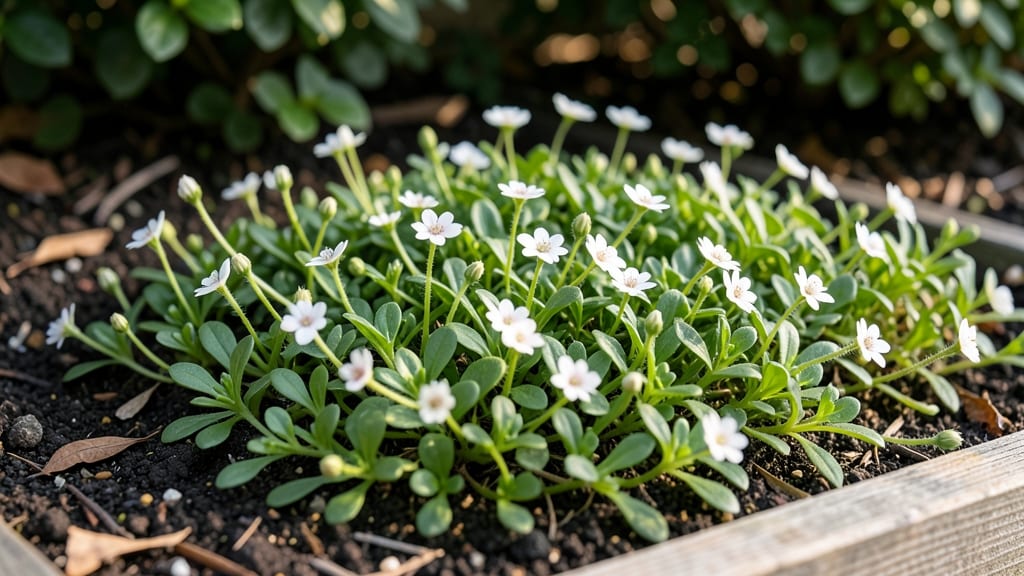
Those delicate white flowers creeping across your lawn aren’t just weeds—they’re chickweed, and it’s time to reclaim your grass before it smothers your yard.
I’ve battled this stubborn invader for years, and I’ll tell you exactly how to spot it by its star-shaped blooms and fuzzy stems, plus the organic methods that actually work.
The problem isn’t just the flowers—chickweed spreads fast, choking out grass and leaving behind thin, patchy lawns. But here’s the good news: with the right approach, you can restore a thick, green lawn in just 3 weeks without harsh chemicals.
The key is timing, the right tools, and a few clever tricks to outsmart its rapid growth.
By the end of this process, you’ll have a lawn that’s dense, weed-free, and ready for summer. No more white flower patches or that "worn-out" look—just lush grass that makes neighbors ask for your secret. Let’s get started with the first step: identifying exactly what you’re dealing with.
This method works for any lawn type, from shady patches to sunny yards, and the techniques scale whether you’ve got a small patch or a full backyard takeover. The best part? You’ll skip the chemical runoff and still get results that last.
📚 In This Guide
- What you need
- Instructions
- Tips and common mistakes
- Wrapping up and next steps
What you need
- ● Hand trowel or garden fork – For digging out weeds (1–2 units).
- ● Garden gloves – Heavy-duty, waterproof (1 pair).
- ● Sharp pruning shears or scissors – For trimming stubborn roots (1 pair).
- ● Organic mulch (straw, wood chips, or grass clippings) – 2–3 inches thick to smother weeds (1–2 bags or homemade).
- ○ Corn gluten meal (optional but effective) – 20 lbs. for pre-emergent weed control (1 bag).
- ● Boiling water (DIY weed killer) – 1–2 gallons (use a kettle or large pot).
- ● Vinegar (5% acetic acid) + dish soap + water – Mix 1 gallon vinegar + 1 tbsp soap + 1 gallon water for a natural spray.
- ● Lawn seed (grass type suited to your climate) – 5–10 lbs. for reseeding bare spots (1 bag).
- ● Compost or fertilizer (organic) – 10–20 lbs. to nourish your lawn (1 bag).
- ● Watering can or hose with a spray nozzle – For targeted watering (1 unit).
- ● Weed torch (propane-powered) – For large infestations (1 unit).
- ● Lawn roller – To press seeds/mulch into soil (1 unit).
- ● Soil test kit – To check pH/nutrient levels before reseeding (1 kit).
- ● Knee pads or a small stool – For comfort during long sessions (1–2 units).
How to eliminate chickweed with white flowers naturally
Here's the straightforward approach I use to reclaim a lawn overrun by chickweed—no harsh chemicals needed.
Identify and Assess the Chickweed Infestation
First, confirm you're dealing with chickweed by its signature traits: small, oval leaves with jagged edges and delicate white flowers that bloom in early spring. Run your hand over the lawn—chickweed stems feel slightly fuzzy and lie flat against the ground, unlike taller grass blades. Note which areas are most affected; chickweed thrives in thin, shaded spots where grass struggles.
Walk your lawn on a dry morning to spot the worst patches. You'll see chickweed in clusters where grass is sparse or where foot traffic has compacted the soil. These are the zones that need immediate attention. Take a small sample to a local garden center if you're unsure—staff can confirm the identification and suggest targeted solutions.
Improve Lawn Health to Crowd Out Chickweed
Chickweed moves in when your grass is weak, so focus on strengthening your lawn first. Mow your lawn at 3-4 inches height—taller grass shades out chickweed seeds before they germinate. Use a sharp mower blade to avoid tearing grass, which stresses plants and creates openings for weeds. Water deeply 1-2 times per week in the early morning, giving the soil 1-2 inches of water each time. Shallow watering encourages chickweed growth.
Apply 2-3 pounds of nitrogen-rich fertilizer per 1,000 square feet in early spring, following the product's instructions for timing and application. Avoid over-fertilizing, which can burn grass and create more opportunities for weeds. After fertilizing, lightly rake the lawn to help nutrients reach the roots. You'll see thicker grass within 3-4 weeks, which naturally crowds out chickweed.
Hand-Pull or Smother Existing Chickweed
For small patches, hand-pull chickweed on a dry day when the soil is soft. Grasp the plant at the base and tug gently—chickweed has shallow roots and pulls out easily. Avoid yanking, which can break stems and leave fragments that regrow. Work in small sections to avoid missing any plants. If your lawn is heavily infested, consider smothering the area with 1-2 inches of mulch or thick layers of cardboard and newspaper covered with 2-3 inches of compost. This blocks sunlight and kills chickweed within 2-3 weeks.
For larger areas, use a vinegar-based weed killer (a mix of 1 gallon white vinegar, 1 cup dish soap, and 1 cup salt) in a spray bottle. Apply directly to chickweed on a sunny day—this mixture dries out the plants within 24-48 hours. Avoid spraying grass, as vinegar will kill it too. Reapply every 3-5 days until the chickweed is fully eliminated. Always test a small, hidden area first to ensure the solution works as expected.
Overseed Bare Spots for Long-Term Prevention
Once chickweed is under control, overseed bare or thin areas with a high-quality grass seed mix suited to your climate. Choose a seed blend that matches your existing lawn for uniformity. Spread 1-2 pounds of seed per 1,000 square feet evenly using a broadcast spreader. Lightly rake the area to ensure good seed-to-soil contact, then cover with a thin layer of straw (about ¼ inch) to protect seeds from birds and retain moisture.
Keep the area moist but not soggy for the first 2-3 weeks—water lightly daily if rainfall is insufficient. Once new grass reaches 2-3 inches tall, gradually reduce watering to encourage deep root growth. This thickens the lawn and makes it harder for chickweed to take hold. In 4-6 weeks, your lawn should be lush enough to outcompete any remaining chickweed naturally.
Tips & tricks for perfect chickweed removal
Here's what I've learned after battling chickweed in my own lawn—these tricks make all the difference.
Timing is Everything: In Step 2, when you're adjusting your mowing height to 3-4 inches, do this right before chickweed flowers appear in spring. The flowers produce seeds that spread rapidly, so cutting them off at the bud stage prevents a full-blown infestation. I've found that mowing every 5-7 days during peak bloom season (late spring to early summer) gives me the best control.
Soil Prep Matters: Before applying that 2-3 pounds of nitrogen-rich fertilizer per 1,000 square feet in Step 2, aerate compacted areas first. Chickweed thrives in compacted soil, so rent a core aerator or use a garden fork to create holes about 3-4 inches deep. This helps the fertilizer reach the roots where it's needed most, and gives your grass a better chance to outcompete the weeds.
Vinegar Application Strategy: When using the vinegar solution in Step 3, focus on a sunny afternoon when temperatures are between 70-85°F. The heat helps the vinegar work faster, drying out the chickweed within that 24-48 hour window. I always spray just until the leaves are damp—not soaking wet—which prevents the solution from running off and potentially damaging nearby grass.
Overseeding Timing: In Step 4, time your overseeding right after you've eliminated the chickweed, but before summer heat sets in. Early fall is actually the best time for most regions, as cooler temperatures and consistent moisture give new grass seeds the ideal conditions to establish. If you must overseed in summer, do it in the early morning or late evening to reduce stress on the seeds.
Pro Tips for Chickweed Lawn Weeds With White Flowers
- Here's what I've learned after battling chickweed in my own lawn—these tricks make all the difference.
- Timing is Everything: In Step 2, when you're adjusting your mowing height to 3-4 inches, do this right before chickweed flowers appear in spring.
- Soil Prep Matters: Before applying that 2-3 pounds of nitrogen-rich fertilizer per 1,000 square feet in Step 2, aerate compacted areas first.
Frequently asked questions
Is chickweed harmful to my grass?
Not harmful, but it’s a nuisance! Chickweed thrives in thin or overwatered lawns, crowding out grass. While it won’t kill your turf, it competes for nutrients and water. Pro tip: Address underlying soil issues (like poor drainage) to starve it out naturally.
When is the best time to remove chickweed?
Spring and fall are ideal—when chickweed is actively growing but before it spreads seeds. Early morning is best for hand-pulling (soil is moist, weeds easier to remove). Avoid summer; heat stresses both weeds and grass.
Will vinegar or other natural remedies work?
Yes! A 1:1 vinegar-water mix (with dish soap) targets chickweed without harming grass. For spot treatment, apply on a dry, sunny day. Warning: Avoid over-spraying—vinegar can damage nearby plants. For large areas, consider corn gluten meal (pre-emergent).
Can I overseed to prevent chickweed?
Overseeding thickens grass, blocking chickweed’s sunlight. Best time: Late summer/early fall. Use a high-quality seed mix and fertilize lightly. Pro tip: Mow higher (3–4 inches) to shade out weeds long-term.
Why does chickweed keep coming back?
Chickweed spreads via seeds and runners. If it persists, check for:
- Compacted soil (aerate to improve drainage)
- Overwatering (water deeply but less often)
- Poor mowing habits (never cut more than ⅓ of the blade)
Wrapping up and next steps
Transforming your lawn from a chickweed-dominated space to a lush, vibrant green haven is totally within reach—especially with the right natural approach! 🌱 By tackling the root causes, using targeted solutions, and staying consistent, you’ll see real progress in just three weeks.
Remember, patience and persistence are your best tools in lawn care.
Ready to take action? Start by clearing those white-flowered intruders this weekend, then follow up with your chosen revival method. Your future self (and your neighbors!) will thank you for that picture-perfect lawn.