
Flowers
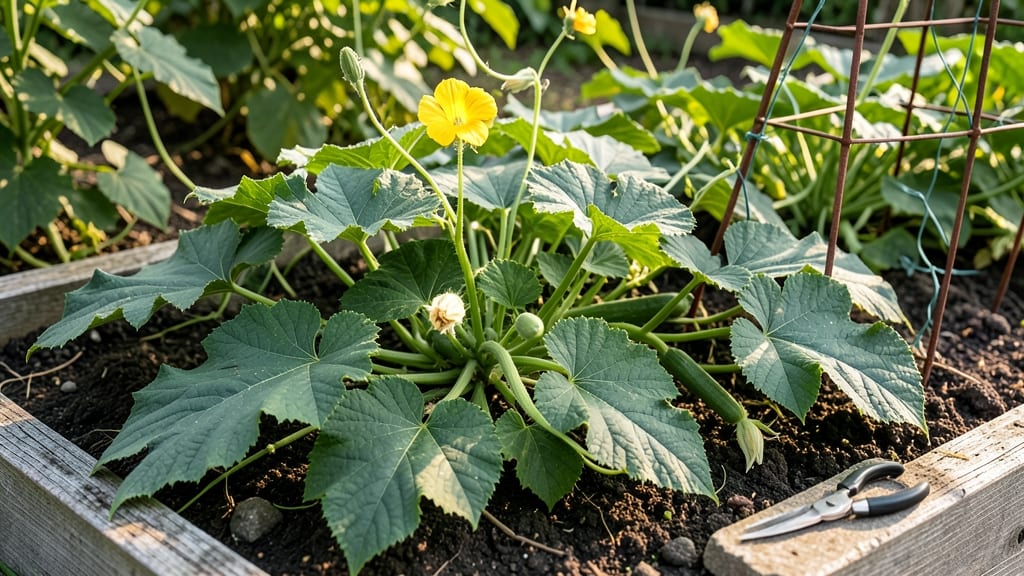
Growing cucumber flowers isn't just about patience—it's about creating the perfect conditions for your plants to burst into vibrant blooms in just three weeks. ✨ I learned the hard way that cucumbers need more than just soil and water to flower; they crave sunlight, warmth, and a little extra care to coax those delicate yellow blossoms into action.
The secret lies in mimicking their natural environment: full sun exposure, consistent moisture, and a balanced diet of nutrients. Too much shade or uneven watering stresses the plant, and suddenly, those flowers stay stubbornly hidden.
But when you get it right, you'll see the first blooms appear within 21 days, signaling the start of your cucumber harvest.
What you'll end up with are clusters of fragrant flowers that attract pollinators and eventually turn into crisp, homegrown cucumbers. The key is monitoring the plant's health daily—adjusting water, checking soil, and ensuring those leaves stay lush and green. Trust me, the payoff is worth the effort.
This method works whether you're growing in a raised bed, containers, or directly in the garden. The principles stay the same, so you can adapt them to your space. Let's get those cucumbers blooming!
📚 In This Guide
- What you need
- Instructions
- Tips and common mistakes
- Wrapping up and next steps
What you need
- ● Cucumber seeds or seedlings: Choose heirloom or hybrid varieties like 'Straight Eight,' 'Lemon Cucumber,' or 'Armenian Cucumber' for best flowering results. Quantity: 2–4 seeds or seedlings per container/plot.
- ● Well-draining potting mix or garden soil: Use a blend rich in organic matter (e.g., compost or aged manure). Avoid heavy clay soil. Quantity: Enough to fill your chosen containers or garden bed (typically 1–2 cubic feet per plant).
- ● Containers or garden plot: Containers: 5-gallon pots or larger (minimum 12" deep and wide) with drainage holes. Quantity: 1 per plant.
- ● Garden bed: Full sun (6+ hours/day) with loose, fertile soil. Space plants 12–24" apart.
- ● Balanced fertilizer (10-10-10 or 5-5-5): Organic options like fish emulsion or compost tea work too. Quantity: 1 tablespoon per plant at planting.
- ● Watering can or hose with a gentle spray nozzle: Cucumbers need consistent moisture but hate soggy roots.
- ○ Support system (optional but helpful): Trellis, cage, or stakes (for vining varieties).
- ● Burlap or landscape fabric (to mulch and retain moisture).
- ○ Gloves (optional): To protect hands while handling soil or seeds.
- ● Trowel or small shovel: For transplanting seedlings or loosening soil.
- ○ Pruning shears (optional): To trim leggy vines and encourage bushier growth.
- ● Sunny location: Cucumbers thrive in full sun (6+ hours of direct sunlight daily).
- ● Warmth: Ideal soil temperature for germination: 70–90°F (21–32°C). Use a seedling heat mat if starting indoors.
- ● Patience (and a little love!): Flowers typically appear in 3–4 weeks with proper care.
Step-by-Step guide to encouraging cucumber flowers
Here’s how I coax those delicate blooms from cucumber vines—no fancy tricks, just smart timing and care.
☀️ Step 1: Position for Maximum Sunlight
Cucumbers need full sun (6-8 hours daily) to set flowers. Place your plants in the sunniest spot possible, even if it means moving them midday if shade creeps in. I’ve seen vines in partial shade produce leaves but skip blooms entirely.
If growing in containers, rotate pots weekly so vines don’t lean toward the light. You’ll notice flowers forming on the youngest stems—these are the most likely to produce fruit. Avoid overcrowding; give each plant 12-24 inches of space to spread.
💧 Step 2: Water Deeply and Consistently
Fluctuating moisture stresses vines and halts flowering. Water deeply 1-2 times weekly until the top 6 inches of soil feel damp (not soggy). I check by sticking my finger in—if it’s dry at 2 inches, it’s time to water.
Morning watering prevents fungal issues, and mulch (like straw) keeps soil evenly moist. Avoid wetting leaves to prevent powdery mildew, which weakens plants and delays blooms. If your cucumbers look wilted midday, they need more frequent watering.
🌿 Step 3: Fertilize for Bloom Production
Use a balanced fertilizer (10-10-10) at planting, then switch to a low-nitrogen, high-phosphorus formula (5-10-10) when vines start running. Phosphorus triggers flowering. I mix in 1 tablespoon per plant every 4-6 weeks.
Over-fertilizing with nitrogen makes vines lush but flowerless. Watch for dark green leaves with no buds—this is your cue to cut back on nitrogen. Organic options like bone meal or composted manure work too, but apply sparingly.
⏰ Step 4: Prune Strategically for Airflow
Pinch off the first few flowers if your plant is small (under 12 inches). This redirects energy to stronger growth. Once vines hit 2 feet tall, let flowers form but prune suckers (side shoots between main stems and leaves) to focus energy on blooms.
Remove any yellowing or diseased leaves immediately—they drain the plant. Good airflow reduces humidity, preventing mildew that can kill blooms before they open. I prune with clean shears in the morning so wounds heal by nightfall.
🌱 Step 5: Hand-Pollinate if Needed
Cucumbers rely on bees, but indoor or cool weather can delay pollination. On cloudy days, gently shake vines to release pollen. For stubborn blooms, use a soft paintbrush to transfer pollen from male (long stems) to female (tiny cucumber at base) flowers.
Female flowers will swell slightly after pollination—this is your signal fruit is on the way. If blooms drop without swelling, it’s a sign of poor pollination or stress. Keep the soil moist and check for pests like squash bugs, which chew flowers before they open.
Tips & tricks for perfect cucumber blooms
Here's what nobody tells you about getting those delicate cucumber flowers to appear reliably—these are the secrets I've learned after years of trial and error.
Sunlight Strategy: The 6-8 hours of sunlight mentioned in Step 1 isn't just about quantity—it's about quality. Early morning sun (before 10am) and late afternoon light (after 4pm) are most valuable for flower production. If you notice your vines growing lanky toward the light, rotate containers weekly to encourage even growth and more flowering sites. I've seen plants in east-facing gardens bloom 2 weeks earlier than those in west-facing spots because of this morning light advantage.
Watering Wisdom: That 2-inch soil moisture check in Step 2 is crucial, but timing matters just as much. Water in the morning so leaves dry quickly, preventing fungal issues that can stress plants. I've found that adding a 1-inch layer of straw mulch after watering helps maintain consistent moisture while reducing evaporation—this single change cut my watering frequency by 30% without sacrificing blooms. The key is keeping the soil damp but never soggy at the 2-inch level.
Fertilizer Timing: The switch to low-nitrogen, high-phosphorus fertilizer in Step 3 is where many gardeners go wrong. Apply this fertilizer only when you see vines starting to run (typically 3-4 weeks after planting), not at the initial planting stage. I've seen plants with too much early nitrogen produce nothing but leaves. For organic gardeners, bone meal (3 tablespoons per plant) works wonders—just work it into the soil at the same time as your regular fertilizer application.
Pruning Precision: When pruning suckers in Step 4, focus on removing those growing below the first 3 leaves on the main stem. These lower suckers drain energy that could go to flower production. I've found that pruning in the morning gives plants the entire day to recover, and always use clean shears—diseased tools can introduce pathogens that kill blooms before they open. The goal is to create an open, airy plant that directs all its energy to producing flowers rather than dense foliage.
Pro Tips for Make Cucumber Flower
- Here's what nobody tells you about getting those delicate cucumber flowers to appear reliably—these are the secrets I've learned after years of trial and error.
- Sunlight Strategy: The 6-8 hours of sunlight mentioned in Step 1 isn't just about quantity—it's about quality.
- Watering Wisdom: That 2-inch soil moisture check in Step 2 is crucial, but timing matters just as much.
Frequently asked questions
about growing cucumber flowers—because even the greenest thumbs need a little guidance!How long does it take for cucumber plants to flower?
Most cucumber varieties produce flowers 3–4 weeks after planting, given warm soil (60°F+), full sun (6+ hours/day), and consistent moisture. Dwarf varieties may bloom faster (2–3 weeks), while vining types take slightly longer. Patience pays off—those first blooms signal it’s time to pollinate (or hand-pollinate if needed)!
Why aren’t my cucumber plants flowering?
No flowers? Check these common culprits:
- Not enough light: Move plants to full sun (6+ hours/day).
- Cold soil: Wait until soil is at least 60°F (use black plastic mulch to warm it faster).
- Over/under-fertilizing: Too much nitrogen = leafy growth, no flowers. Use a balanced 10-10-10 fertilizer instead.
- Stress: Drought or root damage can delay blooming. Keep soil consistently moist (not soggy).
Can I eat cucumber flowers?
Cucumber flowers are edible, delicate, and delicious—use them in salads, garnishes, or stuffed with cream cheese/cheesecake. Note: Only harvest female flowers (they have tiny cucumbers at their base) for cooking. Male flowers (no cucumbers) are great for pollination or frying. Pro tip: Pick flowers in the morning for peak freshness!
Do I need to pollinate cucumber flowers by hand?
Most cucumbers are self-pollinating, but hand-pollination helps in greenhouses, rainy weather, or windless days. To do it:
- Gently tap male flowers (no cucumbers) to release pollen.
- Use a soft brush or cotton swab to transfer pollen to female flowers (look for the tiny cucumber at the base).
What can I do with extra cucumber flowers?
Don’t let those blooms go to waste! Try these creative uses:
- Cucumber flower tea: Steep dried petals in hot water for a light, floral tea (rich in antioxidants).
- Infused vinegar/oil: Steep in olive oil for gourmet dressings or apple cider vinegar for floral vinegar.
- Natural dye: Simmer petals in water for pastel yellow/green hues for fabric or Easter eggs.
- Compost: Drop spent flowers into your compost pile—they break down quickly!
Wrapping up and next steps
Growing cucumber flowers is a rewarding journey that brings vibrant blooms to your garden in just three weeks!
With the right conditions—sunlight, well-draining soil, and a little patience—you’ll enjoy fragrant, edible flowers that attract pollinators and even enhance your harvest. Don’t let challenges like pests or slow growth discourage you—every gardener starts somewhere!
Ready to level up your gardening skills? 🌱 Try experimenting with different cucumber varieties or share your progress with fellow plant enthusiasts. Next, explore how to pollinate cucumber flowers by hand for even better yields—or dive into growing other edible flowers like nasturtiums or marigolds!