
Shrubs
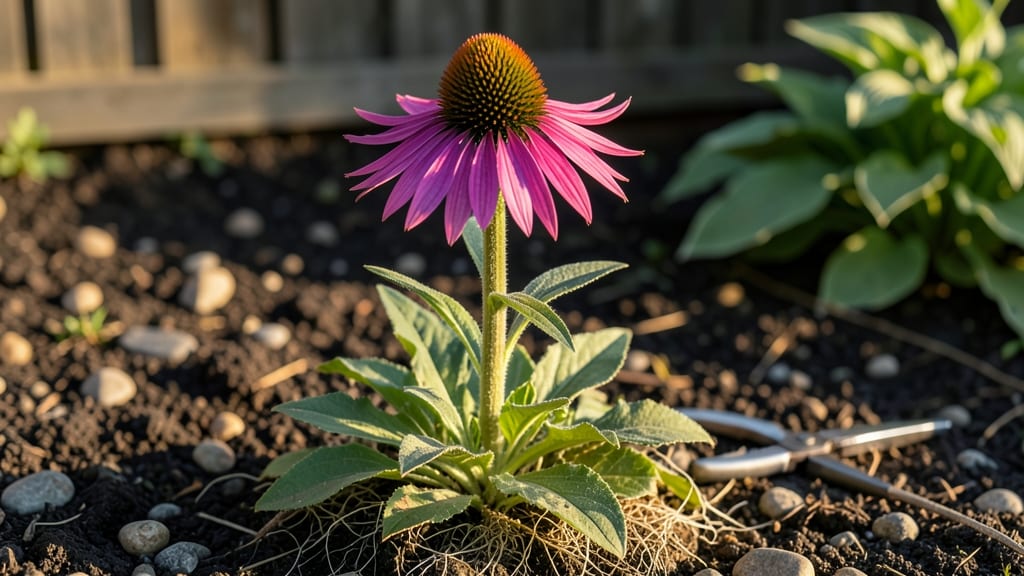
The care of purple coneflower is simple—especially when you’re battling the Pacific Northwest’s damp, cool summers. 🌿 I’ve watched mine stand tall through rain and shade, blooming like nothing else in my garden.
The secret lies in its adaptability: it tolerates poor soil, drought, and even a little neglect while still attracting hummingbirds and bees like a magnet.
You’ll need full sun to partial shade (at least 4-6 hours daily) and well-draining soil—even rocky ground works. Watering is simple: deep but infrequent (once a week after establishment) because these plants store moisture like pros.
Mulch helps retain moisture and keeps roots cool, which is key in our wetter months.
Pruning is the only real maintenance: cut back dead stems in early spring and trim faded blooms to encourage more flowers. No pesticides needed—deer and rabbits usually leave them alone. By late summer, you’ll have vibrant purple blooms that last until frost, feeding pollinators long after other flowers fade.
Pro tip: Deadhead spent blooms in fall to prevent seed spread if you don’t want volunteers popping up everywhere. For advanced gardeners, dividing clumps every 3-4 years keeps them vigorous. This plant is the ultimate low-maintenance superstar—once established, it’s basically unstoppable.
📚 In This Guide
- What you need
- Instructions
- Tips and common mistakes
- Wrapping up and next steps
What you need
- ● Seeds or nursery-grown plants: Seeds: 10–20 seeds (if starting from scratch) 🌱
- ● Plants: 3–5 mature plants (for quick results)
- ● Well-draining soil: Mix of native soil + compost (ratio 3:1) 🏺
- ● Organic fertilizer: Balanced 10-10-10 or slow-release granular (1 lb per 10 sq ft) 🌿
- ● Mulch: 2–3 inches of wood chips or straw (to retain moisture) 🍂
- ● Watering can or hose with a gentle spray nozzle 💦
- ● Garden trowel or transplant spade
- ● Pruning shears (for deadheading & shaping)
- ○ Gloves (optional but handy for thorny stems!)
- ● Drip irrigation system (for consistent moisture)
- ● Echinacea-specific fungicide (if fungal issues arise)
- ● Native companion plants (like bee balm or black-eyed Susans) for pollinator buffets!
Step-by-step guide to cultivating thriving purple coneflower
Here's how I keep these hardy perennials flourishing in PNW's unpredictable weather.
🌱 Step 1: Establish Proper Planting Conditions
Purple coneflower thrives in full sun with at least 6-8 hours of direct light daily. In the Pacific Northwest's partial shade, expect fewer blooms and leggier stems. Choose a site with well-draining soil—these plants despise soggy roots. Amend heavy clay with 2-3 inches of compost before planting to improve drainage and fertility.
Dig holes twice as wide as the root ball but only as deep. The crown should sit just above soil level—burying it too deep suffocates the plant. Space multiple plants 2-3 feet apart to allow airflow and prevent fungal diseases. Water deeply immediately after planting to settle the roots.
☀️ Step 2: Maintain Optimal Growing Conditions
Water deeply once weekly during the first growing season to establish strong roots. Once established, purple coneflower is drought-tolerant—water only when the top 2 inches of soil feel dry. Overwatering in winter causes rot, so reduce frequency in cooler months. Mulch with 2-3 inches of organic mulch (like shredded bark) to retain moisture and regulate soil temperature.
Fertilize lightly in early spring with a balanced 10-10-10 formula at half-strength. Too much nitrogen produces lush foliage but fewer blooms. I skip fall fertilization—these plants prefer lean soil. Watch for yellowing leaves, which signal either overwatering or nutrient deficiency (usually phosphorus or potassium).
✂️ Step 3: Prune for Health and Abundant Blooms
Deadhead spent blooms in late summer to encourage a second flush of flowers. Cut back the entire plant to 6 inches tall in early spring before new growth appears. This pruning removes old foliage that could harbor pests and promotes bushier, more vigorous growth. Never prune in fall—it removes winter protection and delays spring emergence.
Divide mature clumps every 3-4 years in early spring. Dig up the plant, separate the crowns with a sharp knife, and replant immediately. This rejuvenates aging plants and prevents overcrowding. I've found that dividing in March gives roots time to establish before summer heat arrives.
💧 Step 4: Protect Against Common PNW Challenges
Watch for powdery mildew in humid PNW summers. Improve airflow by spacing plants properly and avoid overhead watering. If you see white powder on leaves, treat with neem oil applied in the evening. Slugs are another menace—handpick them at night or use copper barriers around young plants.
In exposed sites, provide light winter protection with a 2-3 inch layer of mulch after the first frost. These plants are cold-hardy, but extra insulation prevents heaving during freeze-thaw cycles. Avoid heavy mulch that could suffocate the crown—stick to 1-2 inches of shredded bark or leaves.
Tips & tricks for thriving purple coneflower in the Pacific Northwest
Real talk: These plants are tough, but a few strategic moves make all the difference between "nice addition" and "showstopper garden star."
Sunlight Secret: That 6-8 hours of direct sun isn't just ideal—it's non-negotiable for maximum blooms. I've seen plants in partial shade produce flowers, but they're always smaller and fewer. If your site gets less than 6 hours, consider container growing where you can move pots to sunnier spots during peak daylight hours. The PNW's cloud cover means you'll need to monitor closely—even "full sun" areas can get diluted light.
Soil Science: The 2-3 inches of compost recommendation is your insurance policy against soggy roots. In heavy clay soils common to the PNW, I go a step further and mix in perlite or coarse sand to create a true "well-draining" environment. Test your soil's drainage by digging a hole, filling it with water, and timing how long it takes to drain—if it's still wet after 6 hours, you need more amendments. The crown sitting just above soil level is critical too; I've seen too many gardeners bury it too deep, which suffocates the plant.
Watering Wisdom: The "deeply once weekly" rule applies only to the first growing season. After that, you're better off checking soil moisture—those top 2 inches should feel dry before watering. I use a simple screwdriver test: push it into the soil; if it comes out clean, water. In winter, I reduce frequency dramatically, sometimes to once every 2-3 weeks unless we have an unusually dry spell. Overwatering in winter is the #1 cause of rot in my experience.
Pruning Precision: When you cut back to 6 inches in early spring, aim for just above a set of healthy buds. I've found that leaving a few extra inches above the buds can delay new growth by a week or more. And that March timing for division? Stick to it—dividing in April might give you established plants, but you'll miss the full growing season's benefits. The key is getting those new roots established before summer heat arrives.
Pro Tips for Care Of Purple Coneflower
- Real talk: These plants are tough, but a few strategic moves make all the difference between "nice addition" and "showstopper garden star."
- Sunlight Secret: That 6-8 hours of direct sun isn't just ideal—it's non-negotiable for maximum blooms.
- Soil Science: The 2-3 inches of compost recommendation is your insurance policy against soggy roots.
Frequently asked questions
Got questions about keeping your purple coneflower thriving? You’re not alone—this hardy beauty is a favorite, but even experts have curiosities! Here’s what we hear most often, plus quick answers to keep your garden buzzing with pollinators.
How do I encourage more blooms on my purple coneflower?
Deadhead spent blooms in early summer to redirect energy into new flowers. However, leave some seed heads for winter interest and wildlife! Overcrowding can reduce blooms, so thin plants every 2–3 years. Well-draining soil and full sun (6+ hours/day) also boost flower power.
Is purple coneflower frost-tolerant? How do I protect it in winter?
Yes! This PNW native handles frost like a champ—its deep roots insulate it through mild winters. In harsh freezes (<10°F), mulch with 2–3 inches of shredded bark or leaves. Avoid heavy mulch, which can suffocate roots. No need for blankets—just let it nap naturally!
Why aren’t bees visiting my purple coneflower?
Bees love coneflowers—if they’re missing, check these fixes:
- Timing: Peak bloom (July–September) is prime time.
- Pesticides: Avoid neonicotinoids (they’re bee killers).
- Location: Plant near water sources and other pollinator magnets (e.g., lavender, yarrow).
- Health: Wilting or yellowing leaves? Fungal issues (like powdery mildew) might deter visitors.
Can I grow purple coneflower in containers? What’s the best setup?
Choose a large pot (18"+ diameter) with drainage holes and a fast-draining mix (60% native soil, 30% perlite, 10% compost). Containers dry out quickly—water deeply when the top 1–2 inches are dry. Pro tip: Elevate pots to prevent root rot in rainy PNW winters.
What’s a good alternative if purple coneflower struggles in my shade garden?
Try these shade-tolerant pollinator stars:
For full shade, consider heuchera (for foliage) or columbine (for late-spring blooms). Yellow leaves usually signal overwatering or fungal issues. Fix it fast:
Bonus: Yellowing only on older leaves? It’s normal—focus on new growth!
Plant
Sun Needs
Bloom Time
Foxglove (Digitalis)
Partial shade (4–6 hrs sun)
Spring–summer
Astilbe (Astilbe)
Partial shade (3–6 hrs sun)
Summer–fall
Bleeding heart (Dicentra)
Shade (2–4 hrs sun)
Spring
My coneflower leaves are turning yellow—what’s wrong?
Wrapping up and next steps
Caring for purple coneflower is a rewarding journey—this hardy, drought-tolerant beauty thrives with minimal fuss while attracting pollinators like a magnet! 🐝 From well-draining soil to occasional deadheading, these plants reward you with vibrant blooms and resilience.
Whether you're a seasoned gardener or just starting, your purple coneflower will flourish with the right love and attention.
Ready to level up your garden? Grab your gloves, pick a sunny spot, and plant one today—your local bees and butterflies will thank you! 🌸 For even more tips, explore our garden care guides or share your progress with the gardening community.