Blooming
How long do lotus flowers last in a vase?
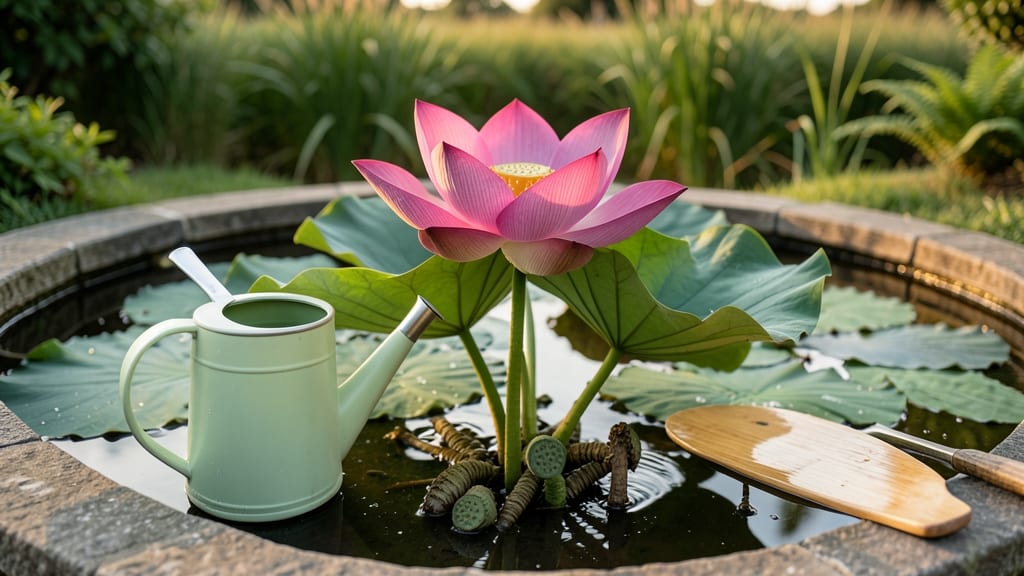
The answer is just 3–5 days in their natural cycle, but with the right care, you can extend their fresh-cut beauty to 7–10 days—or even encourage reblooming all season. 🌸 I’ve learned that patience and attention to detail make all the difference, whether you’re growing them in a pond or arranging cut stems in a vase.
The key to longer-lasting blooms lies in sunlight, water, and variety. Lotus plants thrive in full sun (6+ hours daily) and clean, shallow water—muddy or stagnant water shortens their lifespan.
Some varieties, like the hardy Nelumbo lutea, naturally rebloom multiple times, while tropical types may need warmer climates to perform their best.
With proper care, you’ll see vibrant petals unfurl over morning-to-afternoon windows, releasing their intoxicating fragrance. A simple trick—like changing the water every 2–3 days—keeps stems hydrated and prevents wilting. Even better, lotuses reward you with new blooms every 2–3 weeks if you maintain their habitat.
Whether you’re growing them in a backyard pond or arranging cut stems, these tips ensure your lotuses stay stunning. The secret? Mimic their natural environment—sun, water, and space—and watch them thrive for weeks, not just days.
📚 In This Guide
- What you need
- Instructions
- Tips and common mistakes
- Wrapping up and next steps
What you need
- ● Fresh lotus flowers: 1 bunch (preferably harvested in the morning for peak freshness).
- ● Clean, sharp scissors or floral shears: 1 pair (to avoid crushing stems).
- ● Fresh, cool water: 2–3 gallons (changed daily for optimal hydration).
- ○ Floral preservative (optional but recommended): Store-bought solution: 1 packet (e.g., Floralife or Chrysal Clear).
- ● DIY alternative: 1 tbsp white vinegar + 1 tbsp sugar per gallon of water (boosts longevity).
- ● Clean vase or container: Size: Wide-mouthed (3–4 inches in diameter) to accommodate stems without crowding.
- ● Material: Glass or ceramic (avoid plastic to prevent bacterial buildup).
- ● Newspaper or paper towels: 2–3 sheets (for drying stems before cutting).
- ○ Aluminum foil (optional): 1 small sheet (to cover stems for 24 hours post-harvest).
- ● 🌡️ Temperature control: Keep flowers in a cool room (60–65°F) away from direct sunlight or heat sources.
- ● 💡 Stem care: Trim stems at a 45° angle every 2–3 days to improve water absorption.
- ● 🎯 Patience pays off: Avoid overcrowding—space stems 1–2 inches apart in the vase.
Step-by-Step guide to maximizing lotus flower longevity
Here's how to extend their fresh-cut beauty beyond the typical vase life.
💧 Step 1: Prepare the Vase and Water Properly
Start with a clean vase filled with lukewarm water—cold water can shock the stems, while warm water opens them up for better hydration. Add a commercial flower food packet (or a homemade mix of 1 teaspoon bleach + 1 teaspoon sugar per quart of water) to prevent bacterial growth. This isn’t just for show—it’s the foundation for 7-10 days of vibrant blooms.
Trim the stems at a 45-degree angle using sharp floral shears, cutting about 1 inch above a lateral bud. This increases water absorption surface area. Submerge the stems immediately—air pockets in the cut ends block water uptake. Here’s the thing: lotus stems are thick and fibrous, so a clean cut matters more than with delicate flowers.
☀️ Step 2: Position for Optimal Light and Temperature
Lotus flowers thrive in bright, indirect light—think east or north-facing windows, or a spot where they get morning sun but avoid harsh afternoon rays. Direct sunlight accelerates wilting by drying out petals too quickly. You’ll notice the difference immediately: blooms in bright but diffused light stay crisp longer.
Keep the vase in a cool room (between 65-70°F). Warmer temperatures speed up respiration, causing petals to droop faster. A kitchen counter or living room away from heating vents works best. If your home runs hot, move the vase to a cooler room at night—this simple shift can add 2-3 extra days of freshness.
✂️ Step 3: Maintain Water and Trim Stems Daily
Check the water level every 24 hours—lotus stems absorb moisture rapidly, and the vase can dry out surprisingly fast. Refill with fresh lukewarm water and reapply flower food if needed. This isn’t optional: stagnant water breeds bacteria that clogs stems and causes premature wilting. Watch for cloudy or foul-smelling water—that’s your cue to recut the stems and refresh the solution.
Recut the stems every 2 days at the same 45-degree angle, even if they look fine. The act of trimming removes blocked vessels and encourages new water uptake. I know it seems tedious, but this small step keeps blooms perky for the full 7-10 days. Avoid overcrowding the vase—3-4 stems per quart of water gives each bloom enough space to hydrate properly.
🌿 Step 4: Preserve Petal Color and Texture
Mist the blooms lightly with room-temperature water once daily to maintain hydration and prevent petals from drying out at the edges. Avoid soaking them—lotus petals are delicate and can tear easily. You’ll see the difference in 24 hours: misted blooms stay supple and vibrant, while neglected ones develop crispy edges.
Remove any yellowing leaves or spent blooms immediately with clean hands or shears. Dead material robs water and nutrients from the living stems. Here’s a pro tip: if a bloom starts to droop but the petals are still firm, gently straighten it back into shape. The structure holds better than you’d think—just avoid pulling or twisting.
⏰ Step 5: Extend Life with Strategic Care Adjustments
If your lotus flowers start wilting after 5-6 days, try this: place the vase in a humid environment (like a bathroom with a shower running) for 12 hours. The extra moisture can revive drooping petals. This works best if the stems are still hydrated—don’t wait until they’re completely limp.
For the longest vase life, rotate stems every 3 days so all sides receive even light exposure. This prevents one-sided wilting and keeps the blooms symmetrical. Real talk: lotus flowers are heavy drinkers, so monitor water levels twice daily in warm weather. The goal is to keep them hydrated but not waterlogged—stagnant water is the #1 enemy of longevity.
Tips & tricks for maximizing lotus flower longevity
Here's what nobody tells you about keeping lotus flowers fresh beyond the basic steps.
Cutting Technique Matters: When you trim those stems at a 45-degree angle in Step 1, make sure to use sharp floral shears—not kitchen scissors. Dull blades crush the stem fibers, which blocks water uptake and cuts your 7-10 day vase life in half. I learned this the hard way after ruining three batches with kitchen shears. The key is to cut just above a lateral bud—this hidden growth point actually helps the stem absorb water more efficiently.
Water Chemistry is Critical: That homemade flower food mix (1 teaspoon bleach + 1 teaspoon sugar per quart) isn't just folklore—it's science. The bleach prevents bacterial growth that clogs stems, while the sugar provides quick energy for the flowers. But here's the thing: if your water starts looking cloudy or smells funky after 24 hours (as mentioned in Step 3), you MUST refresh it immediately. Even a day of stagnant water can reduce vase life by 3-4 days.
Light Exposure Secrets: The instructions mention bright indirect light, but I'll add this: if you notice one side of petals looking dull, rotate the vase every 3 days (as mentioned in Step 5) to ensure even light exposure. Also, avoid placing lotus near fruits like apples or bananas—they release ethylene gas, which accelerates wilting. You'll see petals stay vibrant longer when they're getting consistent, balanced light.
Humidity Hack for Revitalization: That 12-hour humid environment trick in Step 5 works wonders, but here's how to make it even better: place a shallow tray of water near the vase (not touching) while the shower runs. This creates a microclimate of humidity without direct moisture that could damage petals. I've revived flowers that looked completely done with this method—just don't wait until they're completely limp, as mentioned in the instructions.
Pro Tips for How Long Do Lotus Flowers Last
- Here's what nobody tells you about keeping lotus flowers fresh beyond the basic steps.
- Cutting Technique Matters: When you trim those stems at a 45-degree angle in Step 1, make sure to use sharp floral sh...
- Water Chemistry is Critical: That homemade flower food mix (1 teaspoon bleach + 1 teaspoon sugar per quart) isn't jus...
Frequently asked questions
Got questions about keeping your lotus flowers fresh? You’re not alone! Here are some of the most common concerns—and their answers—to help you extend their beauty as long as possible.
How do I make lotus flowers last longer than a week?
Lotus flowers thrive with clean water (changed every 2 days) and a cool spot (60–75°F). Trim stems at a 45° angle before arranging, and avoid direct sunlight or drafts. A splash of bleach-free floral preservative (1 tsp per quart of water) can also boost longevity to 10+ days!
Why do my lotus flowers wilt so fast?
Wilting often happens due to bacterial buildup (cloudy water = bad!) or stem blockages. Re-cut stems under water, use fresh water, and keep them in a vase with a tight seal to prevent contamination. If leaves turn yellow, it’s a sign of overwatering—let them dry slightly between changes.
Can I extend lotus flower life in a bouquet?
Yes! Group stems loosely in the vase (not too tight) to allow airflow. Remove lower leaves touching water to prevent rot. For mixed bouquets, separate lotuses from heavy blooms (like roses) since they wilt faster. A sugar solution (1 tbsp sugar + 1 tsp bleach per gallon) can also help.
What’s the best vase for lotus flowers?
Use a tall, narrow vase (like a glass pitcher) to support their height. Ceramic or glass works best—avoid metal, which can react with preservatives. Clean the vase with vinegar or soapy water before arranging to remove residue that could shorten their life.
Are there alternatives to fresh lotus flowers?
If fresh lotuses aren’t available, try dried lotus buds (last indefinitely!) or silk lotus flowers for arrangements. For a fresh look, water lilies or blue lotus varieties often last just as long with the same care. Just avoid paper flowers—they lack the delicate charm of real blooms!
Wrapping up and next steps
So, there you have it—your lotus flowers can stay fresh and stunning for 7 to 10 days with the right care! Whether you’re arranging them for a serene centerpiece or simply admiring their beauty, proper handling and a few simple tricks make all the difference. 🌸
Now that you’re armed with the knowledge, why not put it into action? Grab a bouquet, follow the tips, and enjoy the calming elegance of lotus flowers in your space. Happy arranging—and happy blooming! 🌿✨