
Flowers
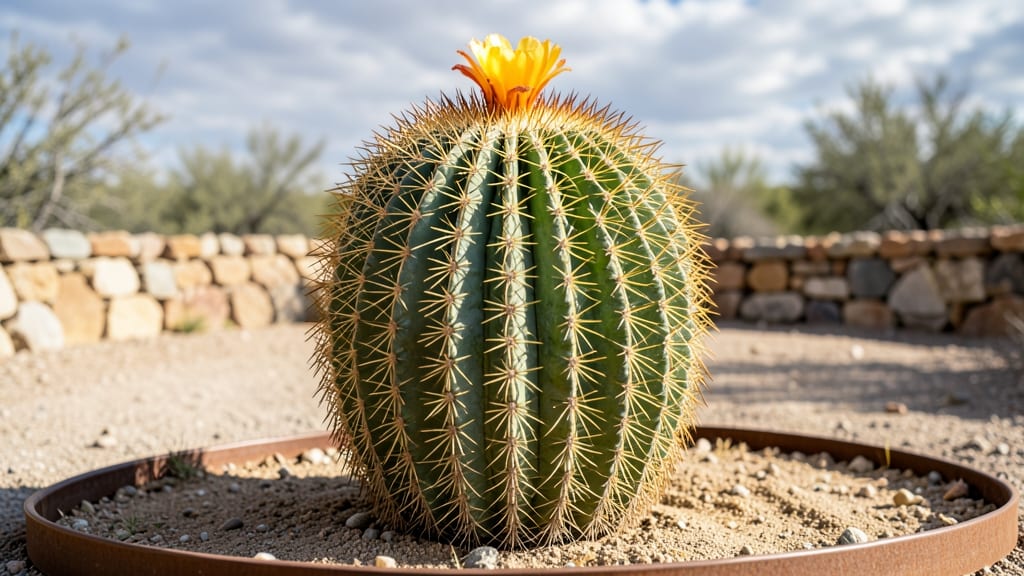
Orange cactus flowers aren’t just stunning—they’re edible too, and growing them in containers is easier than you think. 🌵 I’ve grown Hylocereus undatus (the dragon fruit cactus) for years, and its bright orange blooms open at night, filling my patio with a sweet, tropical fragrance by morning.
The key? Mimicking its desert roots in a pot.
You’ll need a 6-inch-deep container with drainage holes, a fast-draining cactus mix, and full sun (at least 6 hours daily). Water only when the soil is bone-dry—overwatering is the #1 killer. A balanced fertilizer in spring and summer keeps it healthy, but skip it in winter when growth slows.
Patience pays off: these cacti often take 2-3 years to flower, but once they do, they reward you with months of vibrant blooms.
The real magic happens with light and temperature triggers. Move your container outside in spring when nights stay above 50°F, and bring it in before frost.
A slight temperature drop (like a cool night) can even encourage blooming. Watch for aphids or mealybugs—wipe them off with soapy water before they spread.
Container-grown cacti are perfect for patios, balconies, or sunny windowsills. Rotate the pot occasionally for even growth, and enjoy those edible flowers in teas, salads, or just as a fragrant centerpiece. The first bloom feels like a celebration—worth every drop of patience and care.
📚 In This Guide
- What you need
- Instructions
- Tips and common mistakes
- Wrapping up and next steps
What you need
- ● Container: 1–2 pots (12–18 inches deep) with drainage holes. Terracotta or fabric pots work best.
- ● Cactus/Succulent Soil: 3–5 lbs of fast-draining mix (avoid garden soil!). Add perlite or pumice for extra aeration.
- ● Cactus Flower Starter: 1–2 orange-blooming cactus plants (nursery-bought or propagated). Popular picks: Echinocereus or Hylocereus.
- ● Drainage Layer: Small pebbles, gravel, or broken pottery (1–2 inches) to prevent root rot.
- ● Gloves (cactus spines are no joke!)
- ● Trowel or small shovel for planting
- ● Watering can with a narrow spout (or a spray bottle for seedlings)
- ○ Fertilizer: 1–2 tbsp of balanced cactus fertilizer (5-10-5 NPK) or diluted fish emulsion (optional, every 4–6 weeks).
- ● Sunlight Access: A south-facing window or grow lights (12–14 hours/day for indoor setups).
- ● Self-watering pot liner to reduce overwatering
- ● Decorative pebbles or mulch for aesthetics
- ● Humidity tray (for tropical Hylocereus varieties)
- ● Support stake (if growing tall Hylocereus varieties)
Step-by-step guide to growing orange-blooming cactus in containers
Here’s how to coax vibrant orange blooms from your container cactus—no greenhouse needed.
🪴 Step 1: Select the Right Container and Soil Mix
Choose a terracotta pot with drainage holes (at least 6 inches deep) for your orange-blooming cactus—preferably one with a saucer to catch excess water. The well-draining cactus/succulent mix is non-negotiable; regular potting soil will suffocate roots and trigger rot. I like to add 20% perlite to the mix for extra aeration.
Fill the pot ¾ full with the dry mix, then tap it gently to settle. The goal is a loose, airy medium that mimics the cactus’s desert home. Skip the bottom layer of gravel—it’s unnecessary and can trap moisture. Instead, focus on the soil’s texture: it should feel gritty when dry and crumble easily when squeezed.
🌱 Step 2: Plant Your Cactus and Establish Proper Spacing
Gently remove the cactus from its nursery pot, being careful not to disturb the roots. Press it 1 inch deeper than it sat in its original container—this ensures stability and prevents toppling. For multiple plants, space them 4-6 inches apart to allow airflow and future growth.
Fill the remaining space with more of the cactus mix, pressing lightly around the base to eliminate air pockets. Avoid compacting the soil too firmly; cactus roots need room to breathe. If you’re planting a grafted cactus (common for flowering varieties), keep the graft union above soil level to prevent decay.
☀️ Step 3: Position for Maximum Sunlight and Heat
Orange-blooming cacti thrive in full sun (6+ hours daily)—place your container on a south- or west-facing patio, balcony, or windowsill. If indoors, a south-facing window is ideal, but supplement with a grow light for 12-14 hours/day if natural light is insufficient. Watch for sunburn signs: pale, translucent patches on the skin mean it’s getting too much direct heat.
During summer, move your cactus outside for acclimation if it’s been indoors. Start with 2-3 hours of shade and gradually increase exposure over 7-10 days. Sudden full sun can scorch the pads, especially for varieties like Echinopsis or Hylocereus, which produce those showy orange blooms. A light breeze helps, too—it mimics desert conditions and encourages stronger growth.
💧 Step 4: Master the Watering Schedule for Blooms
Water your cactus only when the soil is completely dry—stick your finger 2 inches deep into the mix. If it feels damp, wait another week. Overwatering is the #1 killer of container cacti, and soggy roots will abort flower buds before they open. I use the "soak-and-dry" method: water deeply until it drains from the bottom, then let it dry out fully before the next watering.
In spring and summer, when growth is active, water every 2-3 weeks. Reduce to once a month in fall and winter—this dormancy period is crucial for triggering blooms. If your cactus develops wrinkled or shriveled pads, it’s thirsty; if the skin feels soft or mushy, you’ve overdone it. Adjust your schedule based on your climate—hot, dry air means more frequent watering, while humidity slows evaporation.
✂️ Step 5: Encourage Blooms with Pruning and Fertilizing
Remove dead or damaged pads with sterilized pruners to redirect the plant’s energy toward flowering. Cut just above a healthy segment to avoid leaving stubs. If your cactus produces pups (offsets), you can gently twist them off and replant them—this stimulates the parent plant to focus on blooming.
Feed your cactus with a balanced, water-soluble fertilizer (10-10-10) diluted to half-strength every 4-6 weeks during spring and summer. Skip fertilizer in fall and winter—this mimics the natural cycle and prevents weak, leggy growth. For orange-blooming varieties, a low-phosphorus fertilizer (like 5-5-5) can enhance flower production. Always water before fertilizing to avoid root burn.
Tips & tricks for perfect orange-blooming container cacti
Common pitfalls—and how to sidestep every one—when nurturing your vibrant container cactus to bloom.
Container Selection: Terracotta pots aren't just a trend—they're ideal because they breathe. The porous material helps regulate moisture, preventing the root rot that kills most container cacti. If you're using plastic, add an extra hole or two to improve drainage. For larger varieties, consider a 12-inch pot to give roots room to establish before winter dormancy—this prevents overcrowding and encourages stronger blooms next season.
Soil Texture Matters: That gritty, crumbly texture isn't just for show—it's essential. I learned this the hard way after ruining three batches with regular potting soil. The 20% perlite recommendation isn't optional: it prevents compaction and mimics desert conditions. Pro tip: Test your mix by squeezing it—it should crumble easily when dry. If it sticks together, add more perlite or coarse sand until it passes the crumble test.
Sunlight Strategy: The 6+ hours of direct sun requirement is non-negotiable for orange blooms, but timing matters. Morning sun is gentler, while afternoon sun can scorch delicate pads. For indoor growers, position your cactus within 12 inches of the south-facing window to maximize light exposure. Rotate the pot weekly so all sides get even sun—this prevents lopsided growth and ensures symmetrical blooming. If using grow lights, place them 6-12 inches above the plant for the 12-14 hours/day requirement.
Watering Wisdom: The 2-inch deep dry soil check is your best friend, but here's what nobody tells you—water quality matters just as much. Use room-temperature, filtered water to avoid mineral buildup that can clog pores. In winter, when you're reducing to monthly waterings, let the soil dry completely between waterings. The soak-and-dry method isn't just about quantity—it's about creating the right moisture cycle that triggers blooming hormones in your cactus.
Pro Tips for Cactus Flower Orange
- Common pitfalls—and how to sidestep every one—when nurturing your vibrant container cactus to bloom.
- Container Selection: Terracotta pots aren't just a trend—they're ideal because they breathe.
- Soil Texture Matters: That gritty, crumbly texture isn't just for show—it's essential.
Frequently asked questions
about growing and caring for cactus flower orange (like Echinocactus grusonii or Pereskia varieties) can help you avoid common pitfalls. Here are answers to the most common questions!Can I grow an orange cactus flower in a small container?
Many orange-blooming cacti—like the Pereskia or Echinocactus—thrive in containers as long as they have drainage holes and well-draining soil. Choose a pot at least 12 inches wide for mature plants, and repot every 2–3 years to refresh the soil.
How long does it take for a cactus to bloom orange flowers?
Patience is key! Most orange-blooming cacti (e.g., Pereskia) take 2–5 years to flower indoors, depending on light, care, and species. Echinocactus grusonii (golden barrel cactus) may wait 5–10 years for its first bloom. Ensure they get full sun (6+ hours daily) and proper watering to encourage blooms.
Why isn’t my cactus flowering?
Orange cactus flowers often skip blooming due to overwatering, lack of sunlight, or nutrient deficiencies. Try these fixes:
- Reduce watering—let soil dry completely between waterings.
- Move to a sunnier spot (south-facing window or grow lights).
- Fertilize lightly in spring/summer with a low-nitrogen cactus feed.
Do orange cactus flowers need winter care?
Yes! Most orange-blooming cacti are drought-tolerant but sensitive to cold. If temperatures drop below 40°F (4°C), move potted cacti indoors or wrap them in burlap. Reduce watering in winter—only water when soil is bone-dry to prevent rot.
Are there non-toxic orange cactus alternatives for pets?
If you have curious pets, avoid Pereskia (toxic) and opt for non-toxic orange-blooming plants like:
- Portulaca grandiflora (Moss Rose)—bright orange flowers, edible petals!
- Calendula officinalis (Pot Marigold)—pet-safe and cheerful.
- Zinnia elegans—some varieties have sunny orange blooms.
Always research before introducing new plants to homes with pets!
Wrapping up and next steps
The cactus flower orange isn’t just a stunning addition to your container garden—it’s a low-maintenance, drought-resistant beauty that brings vibrant color and unexpected edibility to your space.
Whether you’re drawn to its striking blooms or its practicality for small gardens, this plant proves that gardening can be both rewarding and effortless. 🌵✨
Ready to grow your own? Start by gathering your supplies, choosing the right container, and following the care tips shared here. Before you know it, you’ll be enjoying the edible beauty of your very own cactus flower orange—and maybe even sharing it with friends! 🌸💛