
Flowers
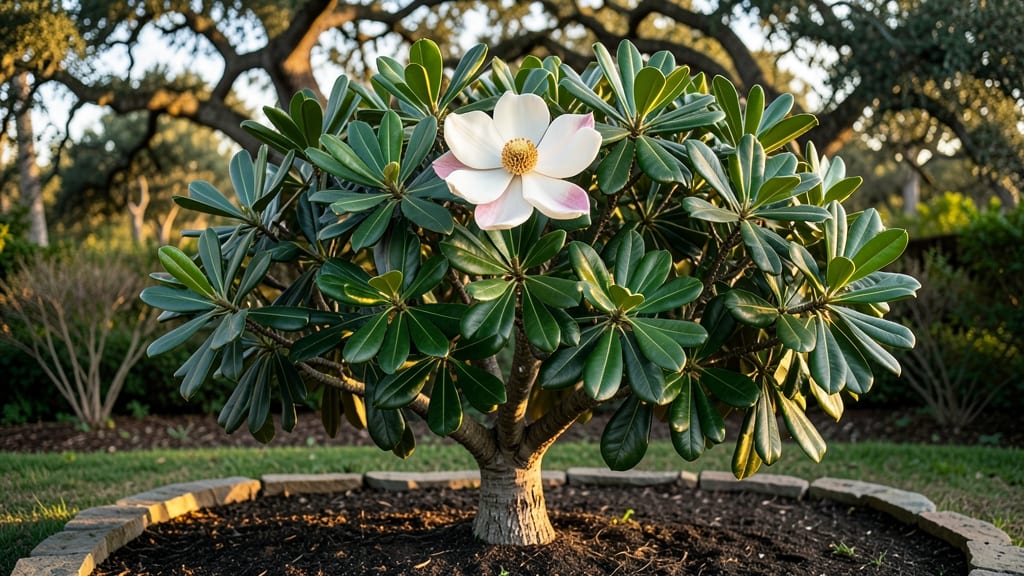
Growing magnolia flowers in Louisiana isn’t just about planting—it’s about embracing the bold, fragrant giants that define Southern gardens. 🌸 The state’s humid summers and mild winters create perfect conditions for varieties like the Southern magnolia or saucer magnolia, whose glossy leaves and showstopping blooms become the heart of any landscape.
Start with well-draining, slightly acidic soil—Louisiana’s clay-heavy earth often needs amendments like compost or pine bark. Plant in late fall or early winter when temperatures drop, giving roots time to establish before summer’s heat.
Mulch heavily to retain moisture and shield roots from extreme temperatures, a must in our unpredictable climate.
You’ll reward yourself with scented blooms by spring and lush foliage year-round. Just watch for scale insects and fungal issues like anthracnose—common in our damp air—and prune only to open the canopy for better airflow. Local nurseries like Destrehan Plantation or the Louisiana Nursery Association stock regionally adapted varieties.
This isn’t just gardening—it’s cultivating a legacy. Magnolias mature slowly but become the timeless anchors of your yard, their shade and fragrance inviting generations to pause and breathe. Let’s get those roots in the ground right.
📚 In This Guide
- What you need
- Instructions
- Tips and common mistakes
- Wrapping up and next steps
What you need
- ● Magnolia Varieties: Southern Magnolia (Magnolia grandiflora) – Best for Louisiana’s climate
- ● Sweetbay Magnolia (Magnolia virginiana) – Thrives in wetter areas
- ○ Saucer Magnolia (Magnolia × soulangeana) – Early bloomer (optional)
- ● Soil: 50 lbs of well-draining, acidic soil mix (pH 5.0–6.0). Louisiana’s native soil often works, but amend with: 10 lbs peat moss or pine bark fines
- ● 5 lbs compost (for nutrients)
- ● Planting Supplies: 1–2 magnolia saplings (3–5 ft tall for faster growth)
- ● 1 shovel (for digging)
- ● 1 garden hose or watering can (with 2–3 gallons capacity)
- ● 1 mulch (3–4 inches of pine straw or wood chips)
- ● Location: Full sun to partial shade (6+ hours of sunlight daily)
- ● Space: 20–30 ft apart (mature size varies by variety)
- ● Tools: Pruning shears (for shaping)
- ● Garden gloves (to protect from thorns)
- ● Soil pH test kit (to monitor acidity)
- ○ Optional Boosters: Slow-release fertilizer (balanced 10-10-10, 1 lb per tree)
- ● Fungicide (for prevention in humid climates)
- ● Drip irrigation system (for consistent moisture)
- ● ✅ Timing: Plant in early spring (Feb–March) or fall (Oct–Nov) to avoid extreme heat.
- ● ✅ Climate Readiness: Magnolias love Louisiana’s humidity—just ensure good airflow to prevent fungal issues.
- ● ✅ Local Nursery Tip: Check with Louisiana State University AgCenter or local nurseries for region-specific varieties.
Step-by-Step guide to planting and cultivating Louisiana magnolias
Here’s how to establish these iconic trees for decades of fragrant blooms.
🌱 Step 1: Choose the Right Location and Prepare the Soil
Louisiana magnolias thrive in partial shade to full sun, but they’ll tolerate more sun in humid climates—just avoid scorching afternoon rays in hotter zones. Pick a spot with well-draining soil (they hate soggy roots) and 6-12 feet of clearance for mature spread. I always test soil pH first—aim for 5.5-6.5, the sweet spot for Southern magnolias.
If your soil is heavy clay, amend with 2-3 inches of organic matter (like compost or aged pine bark) mixed into the top 12 inches. This improves drainage while retaining moisture—critical in Louisiana’s humid summers. Avoid fresh mulch, which can compact and suffocate roots.
🪴 Step 2: Plant Bare-Root or Container-Grown Saplings at the Right Time
For bare-root saplings, plant in late fall or early winter when the tree is dormant. Soak roots for 1-2 hours before planting to rehydrate them—this prevents transplant shock. Dig a hole twice as wide as the root ball but no deeper. The top of the root ball should sit 1 inch above ground level to prevent rot.
For container-grown trees, plant anytime except in extreme heat or frost. Gently remove the pot and tease apart any circling roots. Backfill with native soil mixed with 10% compost, tamping lightly to eliminate air pockets. Water deeply right after planting to settle the soil and eliminate gaps.
☀️ Step 3: Water Deeply and Mulch to Retain Moisture
Water once a week for the first month, then taper to every 10-14 days once established—unless we’re in a drought. Louisiana magnolias develop deep roots, so deep watering (down to 12 inches) encourages strong growth. Watch for wilting leaves or crispy edges, which signal underwatering.
Spread 2-3 inches of mulch (pine straw or shredded bark) over the root zone, keeping it 6 inches away from the trunk. This mimics the forest floor they’re adapted to and keeps roots cool in summer. Replenish mulch annually—it breaks down fast in humid climates.
✂️ Step 4: Prune Strategically to Encourage Strong Growth
Prune only to remove dead, diseased, or crossing branches—never for shape. Magnolias bloom on old wood, so heavy pruning reduces flowers. I wait until late winter or early spring (just before buds swell) to trim. Use clean, sharp pruners and make cuts at a 45-degree angle just above a bud.
If a branch is too large to cut cleanly, make three cuts: first undercut, then top-cut, and finally remove the stub. Seal larger wounds with pruning sealant to prevent disease entry. Avoid pruning in fall—it stimulates new growth that won’t harden off before winter.
Tips & tricks for perfect Louisiana magnolia cultivation
These tried-and-tested strategies will help you nurture a thriving Louisiana magnolia that rewards you with decades of fragrant blooms.
Soil Preparation Secret: When amending heavy clay soil in Step 1, I recommend mixing in 2-3 inches of pine bark fines rather than general compost. Pine bark improves drainage while maintaining the slightly acidic pH these magnolias love—critical for root health in our humid climate. The 12-inch deep incorporation ensures roots encounter optimal conditions from the start.
Transplanting Timing: The 1-2 hour root soaking before planting bare-root saplings in Step 2 is non-negotiable—it rehydrates roots that dry out during shipping. I've seen saplings wither when this step is skipped. For container-grown trees, gently squeeze the root ball to check for moisture before planting; if it's bone dry, soak for 30 minutes first. The 10% compost mix in backfill provides essential nutrients without overwhelming the young roots.
Watering Wisdom: During that first critical month in Step 3, I recommend using a soaker hose for deep watering to 12 inches—it delivers moisture directly to roots without wetting foliage, reducing fungal risks. The 10-14 day schedule after establishment assumes average rainfall; in drought conditions, increase to weekly watering. Watch for crispy leaf edges as your early warning sign of underwatering.
Pruning Precision: When making those three cuts for large branches in Step 4, I always use a bypass pruner for clean cuts. The 45-degree angle above a bud ensures proper healing—this simple technique prevents unsightly stubs that invite disease. Seal wounds immediately with pruning sealant, especially in humid climates where fungal infections spread rapidly. Remember, these trees bloom on old wood, so patience pays off in spectacular floral displays.
Pro Tips for Magnolia Flower Louisiana
- These tried-and-tested strategies will help you nurture a thriving Louisiana magnolia that rewards you with decades of fragrant blooms.
- Soil Preparation Secret: When amending heavy clay soil in Step 1, I recommend mixing in 2-3 inches of pine bark fines rather than general compost.
- Transplanting Timing: The 1-2 hour root soaking before planting bare-root saplings in Step 2 is non-negotiable—it rehydrates roots that dry out during shipping.
Frequently asked questions
Got questions about growing magnolia flowers in Louisiana’s humid climate? You’re not alone!
Here are some of the most common queries—plus straightforward answers—to help you nurture these stunning Southern beauties with confidence.
When is the best time to plant magnolia trees in Louisiana?
The ideal window is late fall to early winter (November–January), when temperatures are cool but not freezing. This gives roots time to establish before the heat of spring. If you must plant in summer, do so early morning or late evening to avoid stress from heat and humidity.
How long does it take for a magnolia tree to bloom?
Patience is key! Most magnolias take 3–5 years to produce flowers, though some varieties (like Magnolia grandiflora) may bloom sooner in Louisiana’s warm climate. Soil quality, sunlight, and watering all speed up the process—so give your tree the best care from day one!
Do magnolias need extra watering in Louisiana’s heat and humidity?
Newly planted magnolias need deep watering 2–3 times per week for the first year. After that, they’re drought-tolerant but benefit from 1–2 inches of water per week during dry spells. Mulch heavily to retain moisture and protect roots from extreme temps.
What pests should I watch for with magnolia trees in Louisiana?
Keep an eye out for magnolia scale, webworms, and lace bugs—common culprits in humid climates. Treat infestations early with horticultural oil or insecticidal soap. Prune affected branches in late winter to remove pests before they spread.
Can I grow magnolias in containers, or do they need to be planted in the ground?
While magnolias prefer the ground, smaller varieties (like ‘Little Gem’ or ‘Teddy Bear’) thrive in large containers (20+ gallons) with well-draining soil. Repot every 2–3 years and use a slow-release fertilizer to mimic natural growth conditions.
Wrapping up and next steps
Growing magnolia flowers in Louisiana is a rewarding journey that brings timeless beauty to your landscape—especially in the state’s humid, warm climate. 🌸 From selecting the right variety to mastering care tips, these majestic blooms are well worth the effort.
Whether you’re a seasoned gardener or a beginner, your magnolia will thrive with patience and the right techniques.
Ready to plant your passion? Start by choosing a healthy sapling from a local nursery, then mark your calendar for the perfect planting season—spring or early fall. Watch as your garden transforms into a fragrant, picturesque haven, one petal at a time!