
Planting
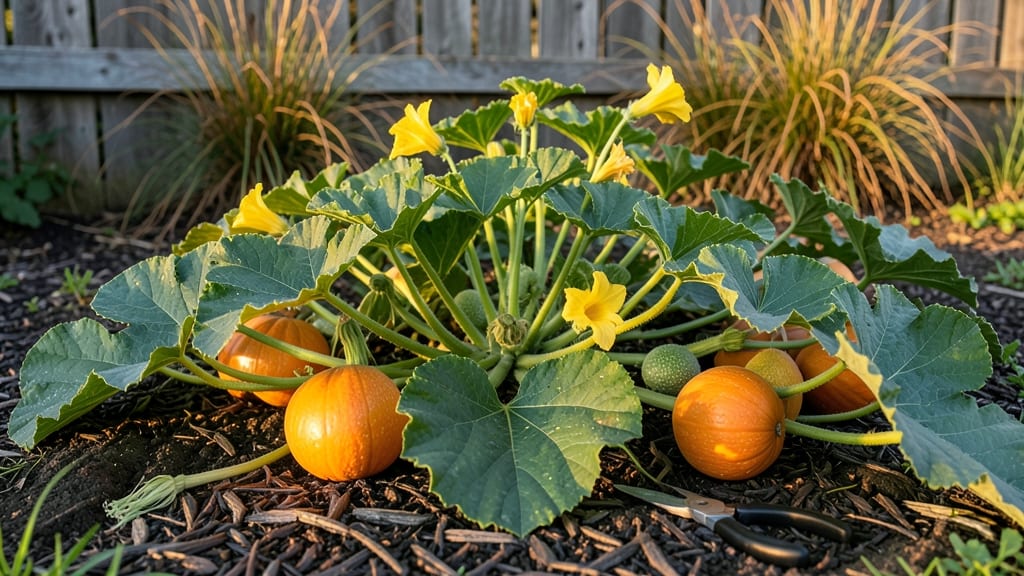
Pumpkin plant flowers are the secret to a bountiful harvest—and I’ve learned the hard way that not all blooms lead to fruit. 🌻 The first time I grew pumpkins, I assumed more flowers meant more pumpkins, but weak blooms and poor pollination left me with just three tiny fruits.
Now I know exactly how to encourage strong, productive flowers that turn into the big, beautiful pumpkins you’ll love growing.
The key starts with understanding those flowers: male blooms appear first and are easy to spot—they grow on long stems, while female flowers sit closer to the vine with a tiny pumpkin bump at their base.
Once you can tell them apart, you’ll see how to hand-pollinate if nature falls short. A warm, sunny spot with consistent watering keeps flowers vibrant, and a balanced fertilizer boosts their energy to produce fruit instead of just pretty blossoms.
By mid-summer, you’ll watch those female flowers swell into miniature pumpkins, and with the right care, you’ll end up with a vine heavy with fruit. The best part? Those early blooms aren’t just for show—they’re the foundation of your harvest.
With a few simple tricks, you’ll turn every flower into a chance for a homegrown pumpkin, whether you’re growing for pies, carving, or just the joy of watching them grow.
Even if your first attempt isn’t perfect, this method works for gardeners in any zone—just adjust timing for your climate. Next, we’ll dive into the tools and timing that make all the difference between a handful of blooms and a vine full of potential pumpkins.
📚 In This Guide
- What you need
- Instructions
- Tips and common mistakes
- Wrapping up and next steps
What you need
- ● Pumpkin seeds or seedlings: Choose Cucurbita pepo (for ornamental flowers) or Cucurbita maxima (for edible blooms). Start with 3–5 seeds or 2–3 healthy seedlings per plant.
- ● Well-draining potting mix or garden soil: A blend of 60% garden soil, 30% compost, and 10% perlite/sand (for containers). Test pH: aim for 6.0–7.0.
- ● Container or garden bed: Containers: 5-gallon pots or larger (minimum 18" diameter for vining varieties). Ensure drainage holes!
- ● Garden beds: Full sun (6+ hours/day) and space 3–5 feet apart (or trellis for vining types).
- ● Fertilizer: Balanced fertilizer (10-10-10 or 5-5-5): Apply at planting (1 tbsp per plant) and again when vines reach 12 inches.
- ● Organic options: Composted manure (aged!) or worm castings (½ cup per plant).
- ● Watering can or hose with adjustable nozzle: Pumpkins need 1–2 inches of water weekly (more in heatwaves).
- ○ Trellis or stakes (optional but helpful): For vining varieties, use 6–8 ft bamboo stakes or a 10 ft trellis to save space.
- ● Mulch: Straw or shredded leaves to retain moisture and suppress weeds.
- ● Pollinator-friendly plants: Marigolds, nasturtiums, or bee balm nearby to attract bees (critical for fruit set!).
- ● Pruning shears: For trimming excess vines or deadheading spent blooms.
- ● Grow lights (indoor starters): If germinating seeds indoors, use a full-spectrum LED grow light 12–16 hours/day.
- ● Handheld fan (for indoor seed starting): Mimics wind to strengthen seedlings (30 mins/day).
Step-by-step guide to maximizing pumpkin plant flowers
Here's how to coax vibrant blooms from your vines—key to both beauty and fruit.
🌱 Step 1: Start with Strong, Healthy Vines
Pumpkin flowers need vigorous plants to support them. Begin by selecting disease-resistant varieties like 'Jack Be Little' or 'Sugar Pie'—they bloom reliably. Plant seeds 1 inch deep in well-draining soil after your last frost when soil reaches 65°F.
Space seeds 2-3 feet apart in hills, with 4-5 seeds per mound. Thin to the strongest seedling per hill once sprouts have 2 true leaves. Healthy vines develop faster when given room to spread, and this prevents competition that stunts flowering.
☀️ Step 2: Provide Ideal Light and Warmth
Pumpkin vines crave full sun—6+ hours daily. If your garden gets partial shade, choose compact varieties like 'Baby Boo' that tolerate 4-6 hours of sun. Morning sun is ideal—it dries dew quickly, reducing fungal risks that can kill flowers before they open.
Extend the growing season with black plastic mulch or row covers. These raise soil temperatures by 5-10°F, which triggers earlier blooming. Watch for male flowers first—they appear as small yellow blooms on long stems. These are your first signal that the plant is ready to produce.
💧 Step 3: Water and Feed Strategically
Water deeply 1-2 inches per week, focusing on the base of the plant. Avoid wetting leaves to prevent powdery mildew, which can defoliate vines and halt flowering. Use a soaker hose or drip irrigation to keep moisture consistent—uneven watering causes blossom end rot in developing fruit.
Feed vines with a balanced 10-10-10 fertilizer when first flowers appear, then switch to a low-nitrogen, high-phosphorus formula like 5-10-10 to encourage blooming. Over-fertilizing with nitrogen produces leafy growth at the expense of flowers. Stop feeding 3-4 weeks before harvest to let fruit mature.
✂️ Step 4: Prune and Support for Better Blooms
Prune vines to remove suckers (side shoots) growing below the first 5 leaves on the main stem. This redirects energy to flowering. Leave 1-2 strong vines per plant—more than that creates competition. Thin crowded flowers by removing every other male bloom; this ensures the plant focuses energy on female flowers, which develop into fruit.
Use cages or trellises for compact varieties to improve air circulation. Good airflow prevents mold and helps flowers open fully. If vines sprawl, gently guide them upward with twine—this keeps blooms accessible to pollinators and reduces disease risk.
🐝 Step 5: Hand-Pollinate for Guaranteed Blooms
If bees are scarce, become the pollinator. Female flowers have tiny fruit at their base (the "squash"), while males are solitary. Use a paintbrush to transfer pollen from male to female blooms in the morning when flowers are fresh. Repeat every 2-3 days during dry or cool spells when pollinators are inactive.
Watch for squash vine borers—tiny brown moths that lay eggs at the base of stems. Remove damaged leaves immediately and wrap stems with aluminum foil to deter larvae. A few borers won’t stop blooming, but heavy infestations can kill vines before they produce.
Tips & tricks for encouraging pumpkin plant flowers
Here's what nobody tells you about getting those stunning pumpkin blooms—real talk from the garden trenches.
Variety Matters: If you're growing 'Jack Be Little' or 'Sugar Pie' as suggested, you're already ahead. But here's the thing: bush varieties like 'Baby Boo' bloom faster in partial shade (4-6 hours of sun) than sprawling types. For maximum blooms, plant both bush and vining varieties—they complement each other beautifully. The bush types give you early flowers while vining varieties produce later, longer-lasting blooms.
Morning Sun is Non-Negotiable: That 6+ hours of full sun recommendation isn't just about light—it's about timing. Morning sun is critical because it dries dew quickly, preventing fungal diseases that can kill flowers before they even open. If your garden gets afternoon shade, focus on morning sun exposure first. I've seen gardens with perfect afternoon sun but no blooms because morning moisture lingered too long.
The Pruning Secret: When instructions say to remove suckers below the first 5 leaves, don't stop there. Also look for any suckers growing directly from the main stem—these compete with your main vines. I've seen gardeners miss these and end up with half as many flowers. Thin crowded flowers too—every other male bloom is perfect, but if you have too many, the plant gets overwhelmed trying to support them all.
Hand-Pollination Hack: That 2-3 day hand-pollination schedule works, but here's how to make it foolproof: Do your pollinating in the morning when flowers are freshest, and use a small paintbrush with soft bristles. Dip it in water first to help the pollen stick better. I keep a small spray bottle of water nearby too—mist the female flowers lightly before applying pollen. This helps the pollen adhere better and increases your success rate dramatically.
Pro Tips for Pumpkin Plant Flowers
- Here's what nobody tells you about getting those stunning pumpkin blooms—real talk from the garden trenches.
- Variety Matters: If you're growing 'Jack Be Little' or 'Sugar Pie' as suggested, you're already ahead.
- Morning Sun is Non-Negotiable: That 6+ hours of full sun recommendation isn't just about light—it's about timing.
Frequently asked questions
Got questions about those stunning pumpkin plant flowers? You’re not alone! Here are answers to common curiosities—from timing tricks to troubleshooting—so you can enjoy both beauty and bounty.
Why aren’t my pumpkin flowers blooming?
Pumpkin plants need full sun (6–8 hours/day), warm soil (70°F+), and consistent watering to bloom. Check for these issues first: underwatering, poor soil fertility, or pests like squash bugs. If your plant is young (<3 weeks old), give it time—it may not flower yet!
How long does it take for pumpkin flowers to appear?
Most pumpkin varieties produce flowers 4–6 weeks after transplanting (or 3–4 weeks from seed indoors). Vining types (like Jack Be Little) bloom faster than bush varieties. Pro tip: Use a soil thermometer—flowers lag if temps drop below 60°F at night.
Can I eat pumpkin flowers?
Edible pumpkin flowers
are a delicacy—use them raw in salads (petals only) or battered and fried. Warning: Remove the bitter, hairy stamens first. They’re also great for garnishing soups or as a bees’-friendly snack (leave some for pollinators!).
What should I do if my pumpkin flowers aren’t pollinating?
Hand-pollinate by gently transferring pollen from male (long stem) to female (tiny pumpkin at base) flowers with a paintbrush or cotton swab. Why it matters: Poor pollination = small or misshapen pumpkins. Bees love pumpkin flowers—plant near other pollinator-friendly blooms (like marigolds) to attract them.
Can I grow pumpkins just for flowers (not fruit)?
Yes! Choose ornamental varieties like Cinderella or Jarrahdale, which produce stunning blooms even without fruit. Bonus: These flowers last longer and are more disease-resistant than traditional pumpkins. Just deadhead spent blooms to encourage more flowers!
| Quick Fix | Problem |
|---|---|
| Add compost or fertilizer (low-nitrogen, high-phosphorus) | No flowers, lots of leaves |
| Water deeply 1–2x/week (1 inch total) | Wilting or yellowing leaves |
| Remove pests by hand or use neem oil | Holes in leaves or chewed flowers |
Wrapping up and next steps
From nurturing vibrant pumpkin plant flowers to ensuring a bountiful harvest, you’ve unlocked the secrets to growing edible beauty in your garden! 🌻 With the right care—sunlight, soil, and patience—your pumpkins will thrive, rewarding you with stunning blooms and delicious fruit. Ready to take the next step?
🌱 Your Action Plan:
- Start small: Try a few pumpkin plants this season, even in containers if space is limited!
- Experiment: Play with pollination tricks or companion plants to boost blooms.
- Share the joy: Snap photos of your flowers and tag us—we’d love to see your progress! 📸
Happy growing—your garden (and future pumpkin pies!) will thank you. 🎉