
Flowers
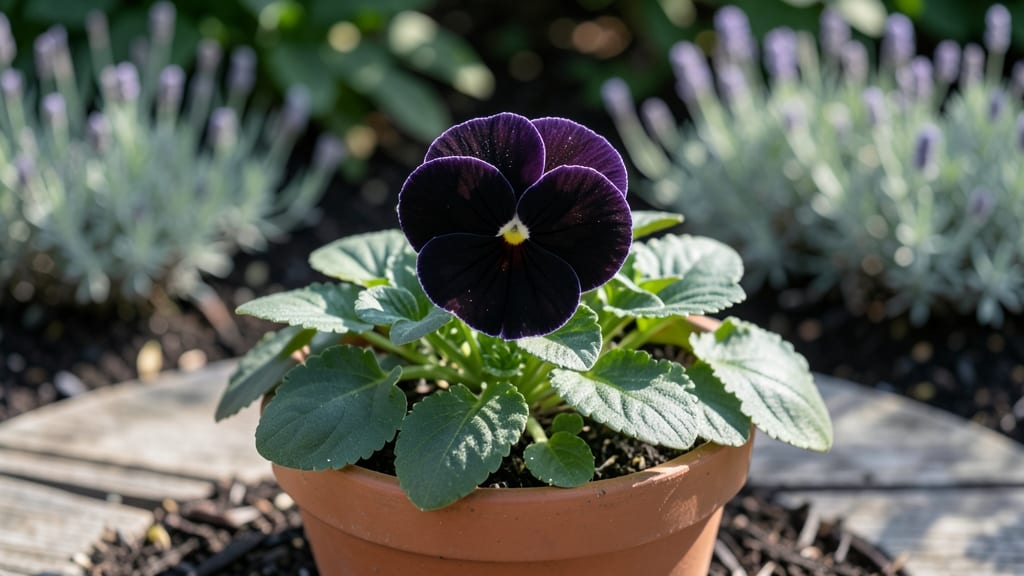
Growing black pansies in the Pacific Northwest means defying winter with bold, velvety blooms that refuse to quit. ✨ These dramatic flowers thrive where others fade, their deep purple-black petals standing out against rain-soaked lawns and misty mornings.
The secret lies in their frost tolerance and a few simple pruning tricks that keep them blooming from spring through fall—and sometimes even winter.
Start with well-draining soil rich in organic matter, and place them where they get 4-6 hours of sunlight daily—morning sun works best in hotter summers. Water consistently but avoid soggy roots, and pinch back leggy stems to encourage bushier growth.
In colder months, a light mulch layer protects roots while letting blooms shine through.
You'll end up with a year-round display of striking, almost-black flowers that attract pollinators and turn heads. Even in damp PNW weather, these pansies stay vibrant, their petals holding their rich color longer than lighter varieties.
The key is regular deadheading and strategic pruning—just a few minutes every few weeks keeps them looking fresh.
Works in garden beds, containers, or even as edging plants. Whether you're a beginner or a seasoned gardener, these pansies deliver low-maintenance drama that outlasts the season. Let's get those dark blooms growing strong!
📚 In This Guide
- What you need
- Instructions
- Tips and common mistakes
- Wrapping up and next steps
What you need
- ● Black pansy seeds or seedlings: 10–20 seeds (if starting from scratch) or
- ● 5–10 seedlings (for faster results; choose dark varieties like 'Blackout' or 'Midnight').
- ● Well-draining potting mix: 1–2 bags (10–15 quarts) of peat-free organic mix (e.g., Black Gold or FoxFarm Ocean Forest).
- ● Containers or garden beds: Containers: 6–12-inch pots (1–2 per plant) with drainage holes. Garden beds: Full sun to partial shade (4+ hours of light daily); amend soil with compost if needed.
- ● Slow-release fertilizer: 1–2 tbsp of balanced 10-10-10 or fish emulsion (for seed-starting or transplanting).
- ● Mulch: 2–3 inches of straw or shredded bark to insulate roots in winter.
- ○ Basic gardening tools: Trowel or small shovel. Pruners (sterilized with rubbing alcohol). Gloves (optional but recommended for soil handling).
- ● Watering can or hose with gentle nozzle.
- ● Row covers or frost cloth: 1–2 sheets (for seedlings or early spring/fall protection).
- ○ Sunlight meter or timer (optional): To track light exposure (PNW’s variable weather can be tricky!).
Step-by-step guide for growing frost-resistant black pansies in the Pacific Northwest
Here's how to keep these bold blooms thriving through cold snaps and late frosts.
🌱 Step 1: Select the Right Variety and Planting Time
Choose a cold-hardy black pansy variety like 'Blackout' or 'Midnight Marvel'—these handle 25-30°F temperatures better than standard pansies. In the Pacific Northwest, plant in early spring (March-April) or late summer (August-September) for fall-blooming color. Avoid planting too early; young plants won't tolerate winter's harshest freezes.
Here's the thing—black pansies bloom best when daytime temperatures stay between 50-65°F. If you plant in summer heat, they'll sulk until cooler fall weather arrives. I always check the 10-day forecast before planting; if nights dip below 35°F, wait another week.
🪴 Step 2: Prepare Frost-Protected Beds and Plant Correctly
Black pansies need well-draining soil with organic matter (compost or aged manure) mixed in to 12 inches deep. In the PNW's damp climate, amend heavy clay soil with sand or perlite to prevent waterlogging. Plant in a location with morning sun and afternoon shade—this protects petals from fading in intense summer light.
Space plants 8-10 inches apart to allow airflow, which prevents fungal diseases like powdery mildew. Press the root ball firmly into soil but don't bury the crown too deep—it should sit just below soil level. Water immediately after planting to settle roots, then let the soil dry slightly before watering again.
☀️ Step 3: Water and Fertilize for Cold-Resistant Growth
Keep soil evenly moist but not soggy—black pansies wilt quickly in drought but rot just as fast in waterlogged soil. Water at the base in the morning to allow foliage to dry before evening dew forms. In winter, reduce watering to once every 10-14 days unless we have a dry spell.
Feed with a balanced 10-10-10 fertilizer every 4-6 weeks during active growth (spring and fall). Switch to a low-nitrogen 5-10-10 in late summer to encourage blooming rather than leafy growth. I always fertilize after watering to prevent root burn—this is the moment that matters for strong, cold-hardy plants.
✂️ Step 4: Prune for Winter Survival and Spring Renewal
After the first hard frost (below 28°F), cut back faded blooms and yellowing leaves to 2 inches above the soil line. This prevents disease and helps the plant conserve energy. In early spring, remove any dead growth but leave healthy stems—black pansies often rebound quickly from winter dormancy.
Don't skip the spring cleanup. I've seen pansies that looked dead in winter burst back with fresh blooms after just one good pruning. Once new growth appears, switch to a high-phosphorus fertilizer (like 5-10-5) to boost flowering. Mulch with 2-3 inches of straw after pruning to protect roots from late frosts.
🌿 Step 5: Extend Blooms Through Seasonal Changes
To keep black pansies flowering into late fall, deadhead spent blooms weekly—this encourages continuous blooming. In the PNW's mild winters, they often produce a second flush of flowers if given proper care. Watch for aphids on new growth; blast them off with water or treat with neem oil if they persist.
Real talk: Black pansies won't last forever in the ground. After 2-3 years, they become leggy and produce fewer blooms. I replace mine every fall with fresh plants to maintain that dramatic, velvety black color. With this routine, you'll have year-round color that survives our wet, cool climate beautifully.
Tips & tricks for perfect black pansy flower growth
These practical tips will help you extend your black pansies' stunning color through every PNW season.
Variety Selection Matters: While 'Blackout' and 'Midnight Marvel' are the most cold-hardy, don't overlook 'Ebony' or 'Onyx Odyssey' for slightly larger blooms. The key is choosing varieties with dark pigmentation—they absorb more sunlight, which actually helps them withstand cooler temperatures better. I've found these varieties handle our 25-30°F nights like champs, while lighter pansies often fade.
Soil Prep Secret: The 12-inch deep organic matter amendment in Step 2 is non-negotiable for frost resistance. For our PNW clay soils, I mix in equal parts compost and perlite—this creates pockets for air circulation while retaining moisture. Confession: I skipped this step my first year and lost half my plants to winter rot. Trust me on this.
Frost Protection Hack: After your first hard frost (below 28°F), create mini cloches using plastic milk jugs with the bottoms cut out. Place them over your pansies during cold snaps—this traps just enough warmth to prevent ice damage. Remove during the day to allow sunlight. This simple trick has saved my plants through unexpected late frosts in October and April.
Fertilizer Timing: The switch to low-nitrogen 5-10-10 in late summer is crucial for fall blooming. I've learned the hard way that continuing with 10-10-10 too late in the season leads to leafy growth instead of flowers. Think of it as training your plants to focus their energy on producing those dramatic black blooms rather than foliage when days get shorter.
Pro Tips for Black Pansy Flower
- These practical tips will help you extend your black pansies' stunning color through every PNW season.
- Variety Selection Matters: While 'Blackout' and 'Midnight Marvel' are the most cold-hardy, don't overlook 'Ebony' or 'Onyx Odyssey' for slightly larger blooms.
- Soil Prep Secret: The 12-inch deep organic matter amendment in Step 2 is non-negotiable for frost resistance.
Frequently asked questions
Got questions about growing black pansies in the Pacific Northwest? You’re not alone!
Here are some of the most common queries—plus expert answers to help you cultivate stunning, frost-resistant blooms year-round.
Can black pansies survive PNW winters?
Black pansies (like Viola × wittrockiana cultivars) thrive in the PNW’s mild, wet winters—especially with a thick mulch layer (3–4 inches of straw or wood chips) and partial shade in freezing temps. Choose hardy varieties like ‘Blackout’ or ‘Midnight’, which tolerate down to 15°F (-9°C).
When is the best time to plant black pansies in the PNW?
For year-round color, plant in early spring (March–April) or late summer (August–September). Spring planting lets them establish before summer heat, while fall planting ensures blooms through winter. Pro tip: Avoid planting in deep freeze (Dec–Feb) unless using row covers.
How do I keep black pansies blooming all year?
Prune spent blooms weekly to encourage new flowers, and fertilize lightly every 4–6 weeks with a balanced 10-10-10 formula. In winter, reduce watering slightly (let soil dry slightly between waterings) to prevent rot. Deadhead aggressively in wet seasons to avoid fungal issues.
What if my black pansies turn yellow or wilt?
Yellow leaves often signal overwatering or nutrient deficiency. Check soil moisture—pansies prefer consistently moist (not soggy) soil. Wilting? It could be heat stress (provide afternoon shade) or pests (inspect for aphids or slugs). Troubleshoot: Trim affected leaves, adjust watering, and apply neem oil if pests are present.
Are there black pansy alternatives for full sun?
If your garden gets harsh afternoon sun, try these low-maintenance alternatives:
- ‘Black Prince’ pansies (tolerate more sun than standard black pansies).
- Dark purple Viola cornuta (horned violet)—hardier and sun-loving.
- ‘Oregon Sunshine’ calendula (golden blooms, drought-tolerant).
- ‘Black Beauty’ sweet alyssum (silver foliage, thrives in heat).
For true black in sun, opt for ‘Blackout’ pansies with 50% shade cloth in peak summer.
Wrapping up and next steps
The black pansy flower is a stunning, frost-resistant gem that thrives in the Pacific Northwest’s climate—adding bold color and charm to gardens year-round! 🌿 With the right pruning blueprint, soil prep, and care, you’ll enjoy its unique beauty for seasons to come.
Whether you’re a seasoned gardener or a curious beginner, this guide gives you the confidence to cultivate a thriving patch of these striking blooms.
Ready to take the next step? Start by marking your garden spots, gathering your tools, and planting your first batch this spring. Watch as your black pansies flourish—and don’t forget to share your progress with fellow gardening enthusiasts! Happy growing! 🌸