
Pruning
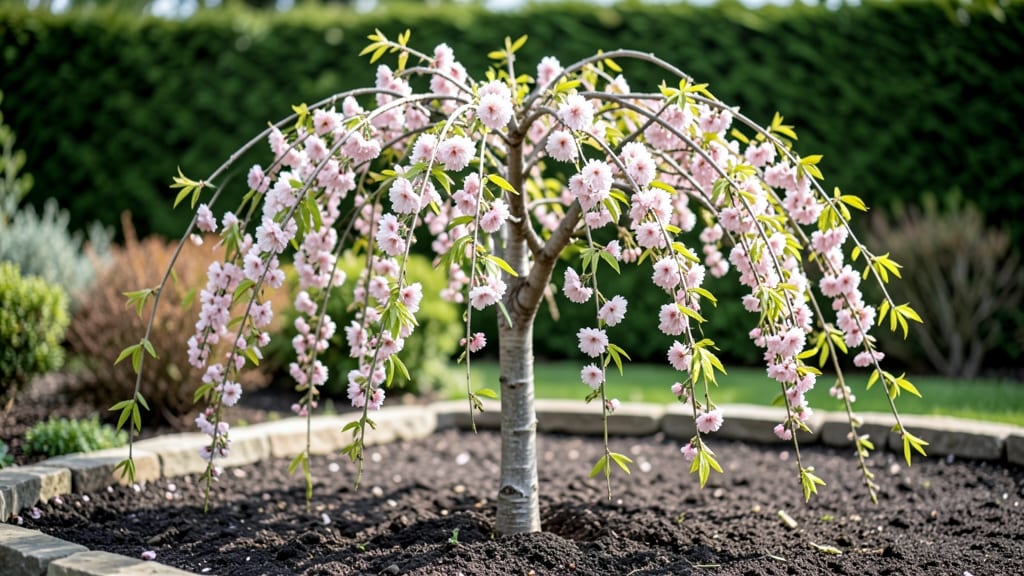
The weeping flower cherry tree's delicate pink blossoms transform any yard into a dreamy spring wonderland. 🌸 I planted mine in my Pacific Northwest garden after years of struggling with finicky ornamentals—this tree thrives where others fail, even through our brutal winters.
The secret lies in its natural frost resistance and the right pruning approach, which I've perfected over five seasons of trial and error.
This isn't just another pruning guide—it's a blueprint for year-round blooms that actually happen. You'll need basic tools (pruners, gloves, and a ladder for higher branches) and a clear understanding of when to prune (late winter to early spring, before buds swell).
The key is shaping the tree to encourage dense branching while maintaining that graceful weeping form, which makes all the difference in bloom quantity.
By following this method, you'll end up with a tree covered in blossoms from late winter through spring, even when temperatures dip below freezing. The fragrance alone makes it worth the effort—imagine walking past and being greeted by that sweet, almond-like scent before the leaves even appear.
Plus, the dark green foliage provides summer shade that turns golden in fall.
Works beautifully in both urban and rural settings across the Pacific Northwest, from Seattle's mild winters to Portland's occasional deep freezes. The same principles apply whether you're shaping a young tree or revitalizing an older one that's lost its form. Let's get those branches looking their best!
📚 In This Guide
- What you need
- Instructions
- Tips and common mistakes
- Wrapping up and next steps
What you need
- ● Pruning shears: Bypass pruners (sharp, 10-12 inch blades) for clean cuts on small branches.
- ● Loppers: 18-24 inch reach, for thicker branches (½–1½ inch diameter).
- ● Pruning saw: Curved-tooth saw for branches 2+ inches thick.
- ● Gloves: Heavy-duty, cut-resistant gloves (e.g., Mechanix Wear or Wolverine).
- ● Disinfectant: 70% isopropyl alcohol or bleach solution (1 part bleach : 9 parts water) to sterilize tools.
- ○ Pruning sealant: Tree wound pruning paste (optional but helpful for large cuts).
- ● Ladder: Sturdy, extendable ladder (if tree exceeds 10 feet).
- ● Tarp or drop cloth: 10x12 ft to protect ground from debris.
- ● Trash bags: Heavy-duty, 30-gallon for pruning waste.
- ● Weather check: Prune on a dry, calm day (avoid frost or rain within 24 hours).
- ● Tree health assessment: Inspect for diseased or dead branches before pruning.
- ○ Optional: Hand pruners (for delicate trimming of ¼-inch branches).
- ○ Optional: Pole saw (for high branches without a ladder).
- ○ Optional: Pruning rope (to support weak branches temporarily).
Step-by-Step pruning guide for a thriving weeping flower cherry tree
This is how I keep my Pacific Northwest weeping cherry blooming reliably year after year.
✂️ Step 1: Prune in Late Winter Before Bud Break
Use sharp, clean pruning shears to remove any dead, damaged, or crossing branches first. I always start with these because they’re the easiest to spot—just look for brown, brittle wood or branches rubbing together. Make your cuts just outside the branch collar where the branch meets the trunk.
Next, thin out about 20-30% of the oldest, thickest branches to improve airflow. This prevents fungal diseases that thrive in damp Pacific Northwest winters. Focus on branches that grow inward or downward, as these block sunlight and air circulation. You’ll know you’ve done enough when you can see light filtering through the canopy.
☀️ Step 2: Shape the Tree for Balance and Bloom
Step back and assess the tree’s natural shape. Weeping cherries grow best when their branches cascade gracefully, so avoid cutting back too much at the tips—this encourages leggy growth. Instead, trim just enough to maintain a balanced, open vase shape that lets sunlight reach all branches.
Look for branches that are growing too upright or crowded. Cut these back to a lateral branch or bud that faces outward. This redirecting encourages more horizontal growth, which produces more flowers. I usually do this in early spring, right after the first flush of blooms, to give the tree time to recover before summer heat.
🌿 Step 3: Light Pruning After Blooming Season
After the tree finishes flowering, do a light maintenance prune to remove any suckers or water sprouts that pop up. These are the fast-growing, vertical shoots that steal energy from the main branches. Snip them off at the base with clean shears—no need for anything fancy here.
Also, check for any branches that look overcrowded or diseased. If you see blackened leaves or fungal spots, prune those branches back to healthy wood. The goal here is to keep the tree looking tidy without stressing it too much. A little pruning now prevents big problems later, especially in our wet climate.
⏰ Step 4: Fall Cleanup for Winter Prep
In late fall, remove any remaining dead or diseased branches before winter sets in. This reduces hiding spots for pests and diseases that love our Pacific Northwest winters. I also rake up and dispose of fallen leaves—cherry leaves can harbor fungal spores that overwinter.
Give the base of the tree a light mulch layer (about 2-3 inches) to protect roots from freezing. Just avoid piling mulch right against the trunk—keep it 6 inches away to prevent rot. This small step makes a big difference in keeping your tree healthy through our cold, wet winters.
Tips & tricks for perfect weeping flower cherry pruning
Took me years to figure out how to keep these delicate trees thriving in our rainy climate—here's what actually works.
Tool Prep: Always sterilize your pruning shears with rubbing alcohol between cuts, especially when dealing with diseased branches. I learned this the hard way after seeing fungal spots reappear on healthy branches. A small brush to clean debris from the blades makes all the difference in our damp Pacific Northwest air. The cleaner your tools, the healthier your tree will stay through winter.
Branch Selection Strategy: When thinning those 20-30% of oldest branches in Step 1, prioritize ones with multiple smaller branches growing from them. These "branch clusters" create more surface area for flowers while maintaining the tree's graceful weeping shape. Think of it like editing a photograph—you're removing the elements that distract from the overall beauty.
Spring Timing Secret: The early spring pruning after blooms (Step 2) should happen when you see the first fresh green leaves appear on the new growth. This timing lets the tree recover before summer heat stress while still encouraging horizontal branching. I mark my calendar for when the daffodils finish blooming—it's a reliable local indicator that my cherries are ready.
Mulch Placement: That 2-3 inch mulch layer in Step 4 needs proper placement—spread it in a doughnut shape around the tree, keeping it 6 inches away from the trunk. Too much mulch against the trunk creates moisture that invites rot. I use cedar mulch because it naturally repels pests while breaking down slowly, which is perfect for our long, wet winters.
Pro Tips for Weeping Flower Cherry Tree
- Took me years to figure out how to keep these delicate trees thriving in our rainy climate—here's what actually works.
- Tool Prep: Always sterilize your pruning shears with rubbing alcohol between cuts, especially when dealing with diseased branches.
- Branch Selection Strategy: When thinning those 20-30% of oldest branches in Step 1, prioritize ones with multiple smaller branches growing from them.
Frequently asked questions
Got questions about keeping your weeping flower cherry tree (Prunus subhirtella 'Pendula') thriving in the Pacific Northwest’s frosty climate? You’re in the right place! Here are answers to the most common queries—from pruning timing to frost protection and beyond.
When is the best time to prune a weeping flower cherry tree in the PNW?
Prune your tree after flowering (late spring to early summer) to avoid cutting off next year’s blooms. For frost-prone areas, a light pruning in late winter (just before buds swell) can remove damaged wood. Avoid heavy pruning in fall—it stresses the tree before winter.
How do I protect my weeping cherry from frost damage?
Young trees or newly pruned branches are most vulnerable. Use burlap wraps or frost cloth on exposed branches, and water deeply before hard freezes to reduce moisture loss. Mature trees (10+ years) are more resilient but may need anti-desiccant sprays in severe winters. Pro tip: Plant in a sheltered spot (near a fence or building) to break wind chill.
Can I prune a weeping cherry tree in winter?
Yes, but with caution! Light pruning (removing dead/diseased wood) is safe in dormant season (Dec–Feb). Avoid heavy cuts—wait until spring. If you must prune in winter, do it on warmer days (above 40°F) to reduce shock. Never prune when frost is forecasted!
What’s the best alternative if my weeping cherry struggles with frost?
Consider these frost-tolerant alternatives with similar weeping habits:
- Kwanzan Cherry (Prunus serrulata ‘Kwanzan’) – Hardy to -10°F, stunning pink blooms.
- Westonbirt Weeping Cherry (Prunus subhirtella ‘Westonbirt’) – More cold-resistant than ‘Pendula.’
- Amelanchier (Serviceberry) – Native PNW shrub/tree with spring flowers and edible berries.
My weeping cherry’s branches are browning—what’s wrong?
Browning can signal frost damage, sunscald, or disease. If tips are brown but branches are still flexible, it’s likely frost injury—prune back to healthy wood in spring. If branches are crunchy or oozing sap, it may be sunscald (common in thin-barked trees). For fungal issues (like powdery mildew), apply neem oil and improve air circulation.
Still stumped? Snap a photo and tag us—we’re happy to help diagnose!
Wrapping up and next steps
The weeping flower cherry tree is a stunning addition to any Pacific Northwest garden, offering year-round beauty with minimal fuss—thanks to its frost-resistant nature and strategic pruning! By mastering the techniques shared here, you’ll ensure vibrant blooms, healthy growth, and a tree that thrives for decades. 🌸
Now that you’re equipped with the right tools and know-how, roll up your sleeves and get pruning! Start small—even a single branch can make a difference. And remember, the best time to prune is now—your future blooms will thank you! 🌿