
Flowers
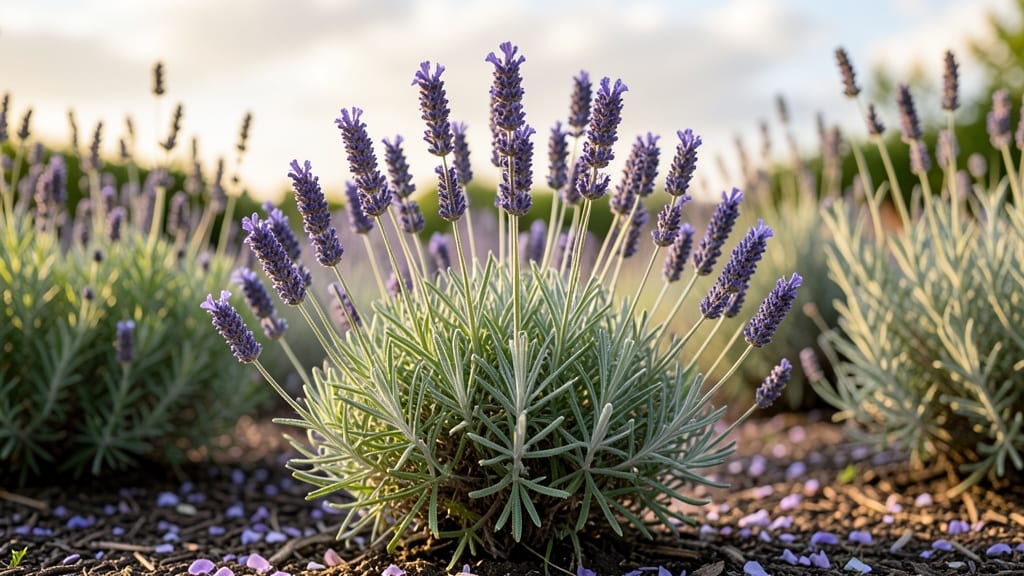
The best-smelling flowers name you’ll ever plant—like intoxicating jasmine—turned my neighbor’s yard into a fragrant paradise, and I’ll never forget that first intoxicating whiff. 🌸 That moment changed how I approached every garden design after.
Fragrant blooms like lavender, roses, and gardenias don’t just look stunning—they create an atmosphere. The key is pairing them with pollinator-friendly plants and placing them near seating areas or walkways where you’ll experience their full scent impact.
Some, like night-blooming jasmine, even release their fragrance after dark, turning evenings into sensory experiences.
You’ll end up with a garden that smells like a spa retreat, not just a patch of dirt. Imagine the crisp citrus notes of mock orange in spring, the honeyed sweetness of lilacs in early summer, and the soothing lavender that lingers into fall.
These aren’t just flowers—they’re mood boosters in plant form.
Whether you’re working with containers, borders, or full garden beds, these fragrant stars adapt beautifully. The best part? Many thrive in partial shade, making them perfect for spots where sunlight is limited. Let’s dive into the top picks that’ll make your garden irresistible.
📚 In This Guide
- What you need
- Instructions
- Tips and common mistakes
- Wrapping up and next steps
What you need
- ● Pro tip: 💡 Label your plants! Use small stakes or tags to track varieties—especially if you’re growing multiple fragrant types.
Step-by-Step guide to creating a year-round fragrant garden
Here’s how to curate a sensory masterpiece that blooms with scent through every season.
🌱 Step 1: Plan for Seasonal Scent Layers
Start by selecting flowers that release fragrance at different times. Early spring brings dwarf iris and violet, while summer shines with jasmine and lilac. Fall’s cooler air wakes sweet autumn clematis, and winter’s evergreens like sweet box and winter daphne keep the air fragrant. I like to sketch a simple garden map—marking where each plant will thrive based on sunlight and soil type.
Group plants with similar care needs together. For example, place moisture-loving peony near rose varieties that also prefer well-drained soil. This ensures your fragrant garden stays lush without overcomplicating maintenance. The key is balance: no single plant should overpower the others.
☀️ Step 2: Position for Maximum Fragrance Release
Fragrance intensifies when flowers are exposed to gentle breezes and warm sunlight. Plant jasmine and honeysuckle near walkways or seating areas where you’ll brush against their vines. I position rose bushes along the edge of a patio so their scent wafts toward dining spaces when the evening breeze kicks in.
Morning sun enhances scent in many flowers, so orient your garden to catch those early rays. Lavender and rosemary love the heat, while lilac and mock orange thrive in partial shade. Watch how the light shifts through the day—adjust placement if you notice wilting or pale leaves.
💧 Step 3: Water and Feed for Peak Perfume
Consistent moisture keeps flowers vibrant and scent strong. Water deeply twice weekly during dry spells, aiming for 1 inch of water per week. I use a soaker hose in the early morning to avoid fungal issues—wet leaves at night invite disease. Mulch with 2-3 inches of shredded bark to retain moisture and regulate soil temperature.
Feed with a balanced, organic fertilizer (like 10-10-10) in early spring and again after blooming. Fragrant flowers like rose and jasmine respond well to occasional fish emulsion for extra bloom power. Avoid over-fertilizing—too much nitrogen produces lush foliage but fewer flowers, which means less scent.
✂️ Step 4: Prune for Continuous Blooms and Scent
Deadhead spent blooms regularly to encourage new growth. For rose bushes, trim back leggy stems in late winter to shape the plant and promote bushier, more fragrant blooms. I prune jasmine after its spring flush to keep it compact and prevent it from becoming too woody.
Prune lilac and mock orange right after they finish blooming to maintain their shape and prevent overcrowding. This also redirects energy into next year’s flowers, ensuring your garden stays fragrant for seasons to come. Always use clean, sharp shears to avoid tearing stems.
🪴 Step 5: Extend the Scent with Companion Plants
Pair fragrant flowers with herbs like lavender and rosemary to amplify their scent. These plants repel pests naturally and add texture to your garden. I also include sweet alyssum and dianthus near pathways—their delicate fragrance lingers on clothing and skin.
Add evergreen shrubs like boxwood or holly as backdrops. Their year-round greenery provides structure, while their subtle scent blends seamlessly with seasonal blooms. The trick is layering: taller plants in back, mid-height bloomers in the middle, and low-growing scent-makers like thyme or sage up front.
Tips & tricks for perfect fragrant garden showstoppers
Creating a garden that smells amazing year-round takes a few clever tricks—here’s how to maximize those intoxicating scents without the guesswork.
Seasonal Layering Secret: In Step 1, when planning your scent layers, consider adding optional ground covers like sweet woodruff for spring shade areas or winter jasmine for early fragrance. These fill gaps between your main bloomers. I’ve found that pairing dwarf iris with violet in spring creates a double fragrance punch—plant them just 12 inches apart so their scents blend naturally. The key is to stagger bloom times by 2-3 weeks between varieties.
Sunlight Strategy: For Step 2, when positioning your fragrant plants, don’t just focus on sunlight—think about wind patterns too. Place jasmine and honeysuckle where evening breezes carry their scent toward seating areas. I’ve noticed that rose bushes positioned 3 feet from a patio edge release their fragrance most intensely when the breeze hits them at dusk. Pro tip: Use a small fan on low near your garden during dry spells to mimic natural breezes and boost scent release.
Watering Wisdom: In Step 3, when you’re watering twice weekly, split that 1 inch of water into two ½-inch sessions—morning and evening. This prevents fungal issues while keeping roots consistently moist. I’ve seen lavender and rosemary wilt dramatically when overwatered, but this split approach keeps them thriving. And remember: 2-3 inches of mulch isn’t just for moisture—it also insulates roots during temperature swings that can dull fragrance.
Pruning Precision: For Step 4, when deadheading, use clean shears and make cuts just above a leaf node or bud. I’ve ruined several jasmine vines by cutting too close to the stem—this encourages leggy growth and weaker scent. For lilac, prune right after blooming to maintain that perfect rounded shape while preserving next year’s flower buds. And here’s a game-changer: Prune sweet autumn clematis after its first hard frost—you’ll get more abundant blooms the following season.
Pro Tips for Best Smelling Flowers Name
- Creating a garden that smells amazing year-round takes a few clever tricks—here’s how to maximize those intoxicating scents without the guesswork.
- Seasonal Layering Secret: In Step 1, when planning your scent layers, consider adding optional ground covers like sweet woodruff for spring shade areas or winter jasmine for early fragrance.
- Sunlight Strategy: For Step 2, when positioning your fragrant plants, don’t just focus on sunlight—think about wind patterns too.
Frequently asked questions
Got questions about choosing the best-smelling flowers to elevate your garden or home? Here are some answers to help you navigate fragrant blooms with confidence!
Which flowers smell best indoors?
For indoor spaces, opt for jasmine, gardenia, or tuberose—their intoxicating scents thrive in smaller areas. Lavender and roses also work well but may need occasional ventilation to prevent overpowering aromas. Place them near windows or in well-lit rooms to keep their fragrance vibrant!
Do some fragrant flowers attract pests?
Yes! While many fragrant flowers like lilacs and hydrangeas are pest-resistant, others such as dahlias or peonies can attract bees or aphids. To minimize issues, choose pest-repellent varieties (e.g., marigolds or geraniums) or use organic sprays like neem oil if needed.
How long do fragrant flowers stay smelly?
Fragrance longevity varies! Night-blooming jasmine and tuberose peak at dusk and fade by morning, while roses and gardenia release scent all day. For extended fragrance, trim wilted petals, keep blooms hydrated, and avoid direct sunlight (which can mute scents). Cut flowers in the early morning for the strongest aroma.
Can I grow fragrant flowers in pots?
Many fragrant flowers thrive in containers, including lavender, roses, and sweet alyssum. Use well-draining soil, pots with drainage holes, and choose compact varieties for small spaces. Just ensure they get 6+ hours of sunlight daily—most fragrant blooms love light!
What’s the easiest fragrant flower to grow?
If you’re a beginner, start with lavender, sweet peas, or marigolds—they’re low-maintenance and highly fragrant. Lavender needs minimal water, sweet peas grow fast from seeds, and marigolds deter pests. For instant gratification, try potted herbs like mint or basil (yes, they’re technically flowers too!).
Wrapping up and next steps
Choosing the best-smelling flowers can transform your garden—or even a small vase—into a fragrant sanctuary that delights the senses year-round. From the jasmine’s intoxicating sweetness to lavender’s calming herbal notes, these blooms aren’t just beautiful; they’re nature’s mood boosters.
Whether you’re a seasoned gardener or a beginner, there’s a perfect scent for every moment—and every season!
Ready to elevate your space? Start small: Pick one or two fragrant favorites from our list, plant them in your garden, or add a bouquet to your home. Your nose—and your heart—will thank you! 🌸