Flowers
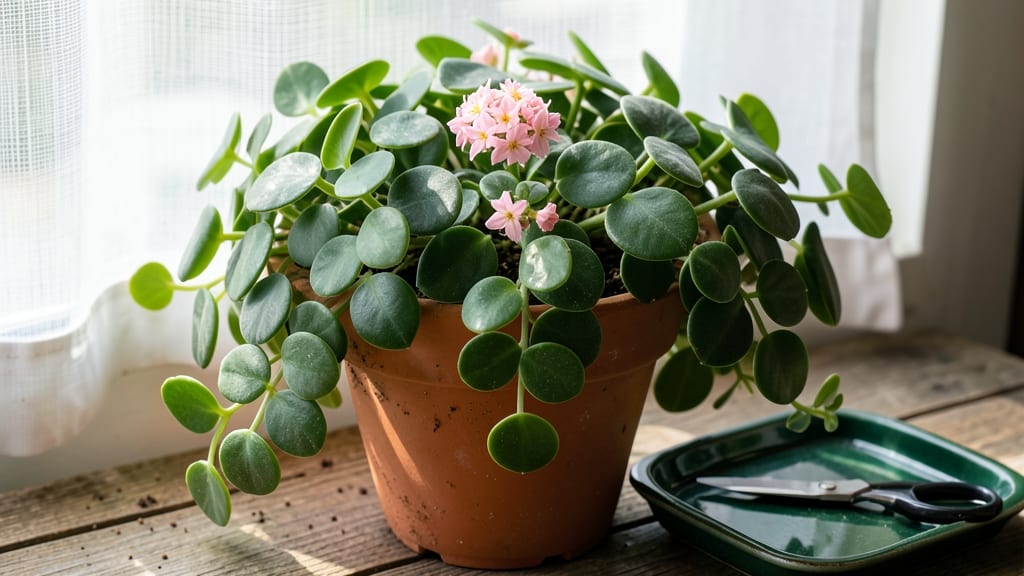
My garden’s most magical moments happen at dusk, when heaven scent flowers transform the air into something almost dreamlike—jasmine curling around trellises, gardenias releasing their creamy perfume, and night-blooming cereus filling the evening with vanilla and citrus. 🌙 The secret isn’t just planting fragrant blooms; it’s arranging them so their scents layer like a symphony, creating pockets of aroma that linger as you stroll through the garden or sip tea on the porch.
Start with a moon garden in a shady corner, where night-bloomers like angel’s trumpet and evening primrose take center stage. Pair them with daytime stars like roses and lavender, whose scents peak in the morning sun.
The key? Plant fragrant flowers near seating areas, pathways, or windows—where you’ll notice their perfume most. Even a small balcony can become a scent sanctuary with climbing jasmine or sweet alyssum in containers.
By summer’s end, your garden won’t just look stunning—it’ll feel alive with every breath. Imagine stepping into a cloud of gardenia sweetness at dawn or being wrapped in the spicy warmth of night-blooming flowers as fireflies flicker around you.
The best part? These scents evolve with the seasons, so your garden’s mood shifts naturally from spring’s fresh peonies to autumn’s smoky chrysanthemums.
Whether you’re designing a full backyard retreat or a fragrant windowsill garden, the principles stay the same: strategic placement, layered scents, and a little patience. Let’s turn your outdoor space into a place that doesn’t just look beautiful, but feels like heaven. The blooms will do the rest.
📚 In This Guide
- What you need
- Instructions
- Tips and common mistakes
- Wrapping up and next steps
What you need
- ● Heaven Scent Flower Seeds or Plants: 1–5 seeds (or 1–3 nursery-grown plants, depending on desired garden size)
- ● Choose Hesperis matronalis (Dame’s Rocket) or Lavandula (Lavender) for classic heavenly scents.
- ● Well-Draining Soil: 1–2 bags (1–2 cubic feet each) of potting mix or garden soil amended with compost.
- ● Containers or Garden Bed: Containers: 5–10-inch pots (1–2 per plant) with drainage holes.
- ● Garden Bed: A sunny spot (6+ hours of light) with loose, fertile soil.
- ● Watering Can or Hose: With a gentle spray nozzle for even moisture.
- ● Gloves & Pruners: For handling plants and trimming dead blooms.
- ● Mulch: Straw or shredded bark (1–2 inches) to retain moisture.
- ○ Fertilizer: Balanced 10-10-10 or organic options like fish emulsion (optional, apply every 4–6 weeks).
- ● Pest Control: Neem oil or insecticidal soap (for aphids or pests).
- ○ Stakes or Trellis: For tall varieties like Dame’s Rocket (optional but helpful!).
How to cultivate heaven scent flowers for year-round fragrance
Here's how to grow these mood-lifting blooms—no greenhouse needed.
🌱 Step 1: Choose the Right Varieties for Your Climate
Start with heaven scent flowers like night-scented stock or evening primrose—both thrive in cooler regions. For warmer zones, mock orange or sweet alyssum deliver daytime fragrance. I always check USDA hardiness zones because these plants need winter protection in colder areas.
Look for disease-resistant varieties at local nurseries. Avoid big-box store plants—they’re often treated with growth inhibitors that slow fragrance development. You’ll notice the strongest scents in plants grown from untreated seeds or bare-root divisions.
☀️ Step 2: Plant in Well-Draining Soil with Full Sun Exposure
Amend your garden soil with 2-3 inches of compost before planting to improve drainage—these flowers hate soggy roots. Work the compost into the top 12 inches of soil, focusing on the planting hole. Heaven scent flowers need 6+ hours of direct sun daily for optimal fragrance production.
Space plants 18-24 inches apart depending on the variety. Dig holes twice as wide as the root ball but only as deep. Tap the soil gently after placing each plant to remove air pockets. Water deeply right after planting to settle the soil around roots.
💧 Step 3: Water Consistently Without Over-Saturating
Keep soil evenly moist but never waterlogged—these flowers wilt quickly when their roots suffocate. Water at the base rather than overhead to preserve delicate blooms. You’ll know moisture is right when the top 1-2 inches of soil feel dry to the touch.
Reduce watering as flowers mature—overhead moisture encourages fungal diseases that dull fragrance. Mulch with 2-3 inches of shredded bark to retain moisture and regulate soil temperature. This simple step keeps roots cool in summer and insulated in winter.
✂️ Step 4: Prune Strategically to Encourage More Blooms
Deadhead spent flowers weekly during the blooming season. This redirects the plant’s energy from seed production to creating more fragrant blooms. Use clean, sharp pruners to avoid crushing stems—crushed stems invite disease.
For shrub varieties like mock orange, prune lightly in late winter before new growth appears. Remove only dead or crossing branches—never cut into old wood. You’ll see stronger fragrance in the next season’s blooms if you maintain this habit.
🌿 Step 5: Extend the Fragrance Season with Simple Care
In fall, apply a 2-inch layer of mulch to protect roots from freezing temperatures. These flowers often rebloom in spring if winter damage is minimal. I’ve seen evening primrose return with even stronger fragrance after a mild winter.
Fertilize lightly in early spring with balanced 10-10-10 fertilizer. Too much nitrogen reduces fragrance while promoting leafy growth. A single application at ¼ strength is all these flowers need for the season.
Tips & tricks for heaven scent flowers
A few simple strategies will help you maximize fragrance and keep these mood-lifting plants thriving all season long.
Climate-Specific Selection: Don't just pick any variety—match your plants to your zone. In cooler regions, night-scented stock and evening primrose release their best fragrance when nights stay mild. For hotter climates, mock orange and sweet alyssum perform best during daytime hours. I've found that checking the USDA hardiness zone map before buying ensures you'll get the strongest scents for your specific conditions.
Soil Preparation Secret: The 2-3 inches of compost in Step 2 isn't just about drainage—it's about creating the perfect microbial environment. Mix in some worm castings if you can find them; they contain beneficial bacteria that boost root health and fragrance production. Work this into the top 12 inches as directed, but take it a step further by adding a handful of mycorrhizal fungi to the planting hole—this invisible helper will form a symbiotic relationship with your plant roots, enhancing nutrient uptake and fragrance intensity.
Watering Wisdom: When checking that top 1-2 inches of soil for dryness in Step 3, use your finger to test—it's more accurate than sticking a trowel in. I've learned the hard way that these flowers wilt dramatically when their roots suffocate, but they also struggle if the soil stays too dry. Aim for that "squeeze-a-damp-spoonful" consistency: when you gently squeeze a handful of soil, a few drops should form without it feeling soggy. This balance is key to preventing fungal diseases that dull fragrance.
Pruning Pro Tip: For that weekly deadheading in Step 4, I've found that using clean, sharp pruners isn't just about preventing disease—it's about timing. Always remove spent blooms in the morning when the stems are firm. This gives the plant energy to produce new flowers that will open fully in the evening or morning, depending on the variety. And here's a little secret: if you're growing night-scented flowers, prune just after sunset—they'll reward you with the strongest evening fragrance.
Pro Tips for Heaven Scent Flowers
- A few simple strategies will help you maximize fragrance and keep these mood-lifting plants thriving all season long.
- Climate-Specific Selection: Don't just pick any variety—match your plants to your zone. In cooler regions, night-scen...
- Soil Preparation Secret: The 2-3 inches of compost in Step 2 isn't just about drainage—it's about creating the perfec...
Frequently asked questions
What’s the best time to plant Heaven Scent flowers?
Plant them in early spring or fall when temperatures are mild (50–70°F). Avoid extreme heat or frost—these delicate blooms thrive in cool-to-warm seasons. If you’re in a hot climate, opt for shade or partial sun to prevent wilting. Pro tip: Soak roots before planting for a head start!
How often do I need to water Heaven Scent flowers?
Keep soil consistently moist but not soggy—water deeply 2–3 times per week (daily in extreme heat). Mulch around the base to retain moisture. Yellowing leaves? You’re likely overwatering. Drooping blooms? Time to hydrate! Adjust based on your climate—drought-tolerant varieties need less once established.
When do Heaven Scent flowers bloom, and how long does it last?
Expect blooms late spring to early summer, lasting 4–6 weeks with proper care. For extended fragrance, deadhead spent flowers regularly. Some varieties (like Hesperis matronalis) rebloom lightly in fall if given cool weather. Fun fact: Their scent peaks in the early morning—perfect for a sunrise garden stroll!
Can I grow Heaven Scent flowers in containers?
Choose a large pot (12+ inches deep) with drainage holes and well-draining soil. Use a fragrant herb or flowering mix for best results. Containers dry out faster, so water daily in summer. Bonus: Place near patios or windows to enjoy their heavenly aroma up close. Just avoid plastic pots—terracotta breathes better!
Why aren’t my Heaven Scent flowers fragrant?
Low fragrance often means poor growing conditions. Check for:
- Too much sun (can scorch blooms and dull scent).
- Nutrient-deficient soil (add compost or a balanced fertilizer).
- Overcrowding (thin plants for airflow).
- Pests (aphids or spider mites can stress plants).
For maximum aroma, plant in partial shade and prune lightly to encourage fresh growth. Pro tip: Sniff blooms in the morning—scent is strongest then!
What are some fragrant alternatives to Heaven Scent flowers?
If you love heavenly scents but want variety, try:
- Lavender – Drought-resistant and calming.
- Jasmine – Night-blooming and intensely fragrant.
- Rose – Classic, romantic, and great for cut flowers.
- Sweet Alyssum – Tiny blooms with a honey-like aroma.
- Dame’s Rocket – A wildflower with a sweet, intoxicating scent.
Most thrive in similar partial sun/well-draining soil conditions!
Wrapping up and next steps
Discovering heaven scent flowers is like unlocking nature’s secret perfume—each bloom brings joy, serenity, and a touch of magic to your garden. Whether you’re drawn to the velvety sweetness of Heliotropes or the citrusy charm of Jasmine, these fragrant stars prove that beauty thrives when paired with scent. 🌸
Ready to transform your outdoor space? Start small—plant a single pot or dedicate a corner to these aromatic wonders. Your garden (and senses) will thank you! Happy planting! 🌱